

Feelings can be difficult to explain, especially when emotions run deep or change quickly. This is where similes become incredibly helpful. A simile uses comparison to make emotions clearer, more vivid, and easier to feel. In figurative language, similes connect inner emotions with familiar images from nature, daily life, and literature. Among these images, trees and nature stand out as powerful symbols of strength, growth, resilience, wisdom, and human emotion. Just like feelings, trees bend, grow, shed, and bloom again. In this article, you’ll explore expressive similes for feelings that help turn emotions into clear, memorable pictures. Whether you write stories, poems, essays, or songs, these comparisons will add emotional depth and clarity to your language.
What Is a Simile?
A simile is a figure of speech that compares two different things using the words “like” or “as.” It helps readers understand emotions or ideas by linking them to familiar images.
Example: Her happiness was like sunlight through leaves, warm and gently spreading.
Similes for Feelings
1. Calm like leaves resting after rain
Meaning: A peaceful, settled emotional state.
Usage Insight: Works well when describing emotional relief or quiet moments.
Examples:
- After the argument ended, she felt calm like leaves resting after rain.
- His voice made the room calm like leaves resting after rain.
2. Anger like a storm trapped in branches
Meaning: Controlled but intense anger.
Usage Insight: Ideal for showing suppressed frustration.
Examples:
- His anger sat like a storm trapped in branches.
- She spoke politely, but anger burned like a storm trapped in branches.
3. Happiness like blossoms opening in spring
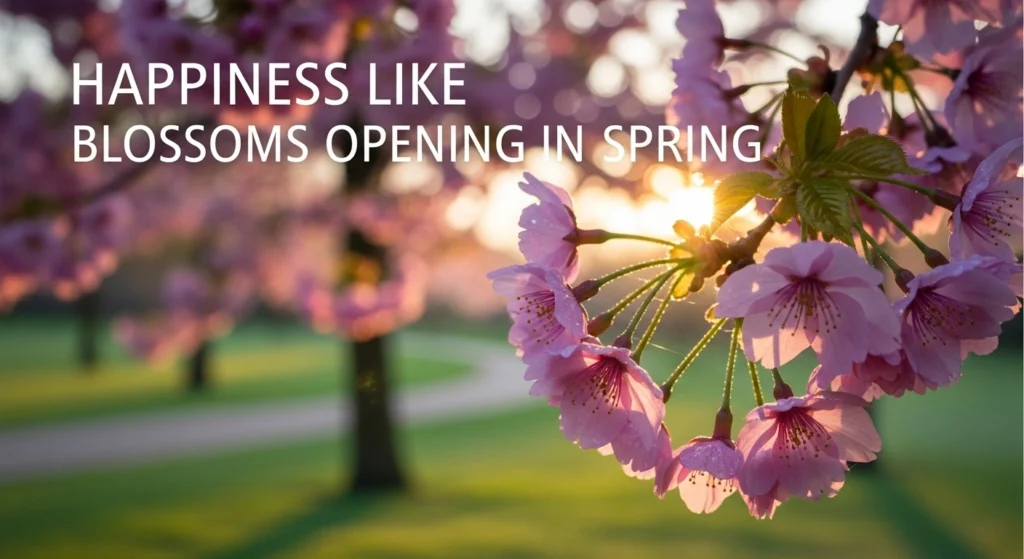
Meaning: Fresh, growing joy.
Usage Insight: Best for new beginnings or emotional renewal.
Examples:
- Her happiness felt like blossoms opening in spring.
- Laughter filled him like blossoms opening in spring.
4. Sadness like fallen leaves underfoot
Meaning: Quiet, lingering sorrow.
Usage Insight: Effective for reflective or melancholic writing.
Examples:
- Sadness followed him like fallen leaves underfoot.
- Her memories lay like fallen leaves underfoot.
5. Fear like a shadow under tall trees
Meaning: Subtle but persistent fear.
Usage Insight: Useful for suspense or emotional tension.
Examples:
- Fear waited like a shadow under tall trees.
- He walked forward with fear like a shadow under tall trees.
6. Hope like roots pushing through stone

Meaning: Determined hope despite obstacles.
Usage Insight: Powerful in motivational or emotional writing.
Examples:
- Hope grew like roots pushing through stone.
- Even then, her heart held hope like roots pushing through stone.
7. Love like a tree growing silently
Meaning: Deep, steady love.
Usage Insight: Ideal for long-term relationships or loyalty.
Examples:
- Their love was like a tree growing silently.
- Love settled in him like a tree growing silently.
8. Anxiety like branches tangled in wind
Meaning: Restless, uneasy thoughts.
Usage Insight: Effective for inner conflict scenes.
Examples:
- Anxiety twisted like branches tangled in wind.
- His thoughts shook like branches tangled in wind.
9. Confidence like a tall oak

Meaning: Strong self-belief.
Usage Insight: Works well in character development.
Examples:
- She stood with confidence like a tall oak.
- His words carried confidence like a tall oak.
10. Loneliness like an empty forest
Meaning: Deep emotional isolation.
Usage Insight: Best for emotional or literary writing.
Examples:
- Loneliness echoed like an empty forest.
- His days felt like an empty forest.
11. Excitement like leaves dancing in sunlight
Meaning: Light, joyful excitement.
Usage Insight: Great for cheerful scenes.
Examples:
- Excitement fluttered like leaves dancing in sunlight.
- Her smile sparkled like leaves dancing in sunlight.
12. Guilt like bark peeling away

Meaning: Gradual emotional exposure.
Usage Insight: Useful for personal reflection.
Examples:
- Guilt peeled away like bark from a tree.
- His silence felt like bark peeling away.
13. Relief like shade on a hot day
Meaning: Sudden comfort. Usage Insight: Perfect for resolution moments.
Examples:
- Relief washed over her like shade on a hot day.
- He sighed, relief falling like shade on a hot day.
14. Jealousy like vines creeping upward
Meaning: Slow-building envy.
Usage Insight: Effective for emotional tension.
Examples:
- Jealousy climbed like vines creeping upward.
- His thoughts twisted like vines creeping upward.
15. Courage like roots holding firm

Meaning: Inner strength.
Usage Insight: Ideal for inspirational writing.
Examples:
- Courage held her steady like roots holding firm.
- He faced fear with courage like roots holding firm.
16. Regret like rings inside a tree
Meaning: Lasting emotional memory.
Usage Insight: Works for reflective narratives.
Examples:
- Regret lived like rings inside a tree.
- Each mistake stayed like rings inside a tree.
17. Peace like a quiet forest path
Meaning: Gentle emotional balance.
Usage Insight: Best for calming imagery.
Examples:
- Peace wrapped him like a quiet forest path.
- Her voice brought peace like a quiet forest path.
18. Joy like birds returning home

Meaning: Warm, familiar happiness.
Usage Insight: Effective in emotional reunions.
Examples:
- Joy returned like birds coming home.
- His heart lifted like birds returning home.
19. Grief like winter branches
Meaning: Emotional emptiness.
Usage Insight: Strong for serious or literary tone.
Examples:
- Grief stood bare like winter branches.
- Her smile faded like winter branches.
20. Trust like deep roots
Meaning: Reliable emotional bond.
Usage Insight: Perfect for relationships.
Examples:
- Trust grew like deep roots between them.
- Their friendship rested like deep roots.
21. Confusion like fog through trees
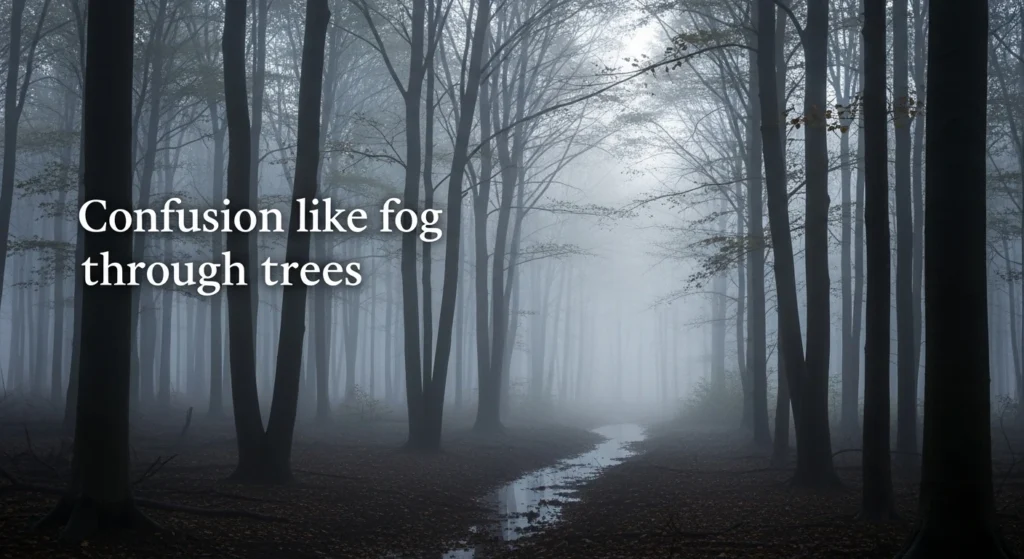
Meaning: Unclear thoughts.
Usage Insight: Works for mental struggle.
Examples:
- Confusion drifted like fog through trees.
- His mind felt like fog through trees.
22. Pride like a tree in full bloom
Meaning: Healthy self-respect.
Usage Insight: Good for achievement moments.
Examples:
- Pride blossomed like a tree in bloom.
- She smiled with pride like a tree in bloom.
23. Shame like cracked bark
Meaning: Emotional vulnerability.
Usage Insight: Best for internal conflict.
Examples:
- Shame showed like cracked bark.
- His eyes reflected shame like cracked bark.
24. Contentment like sitting beneath shade
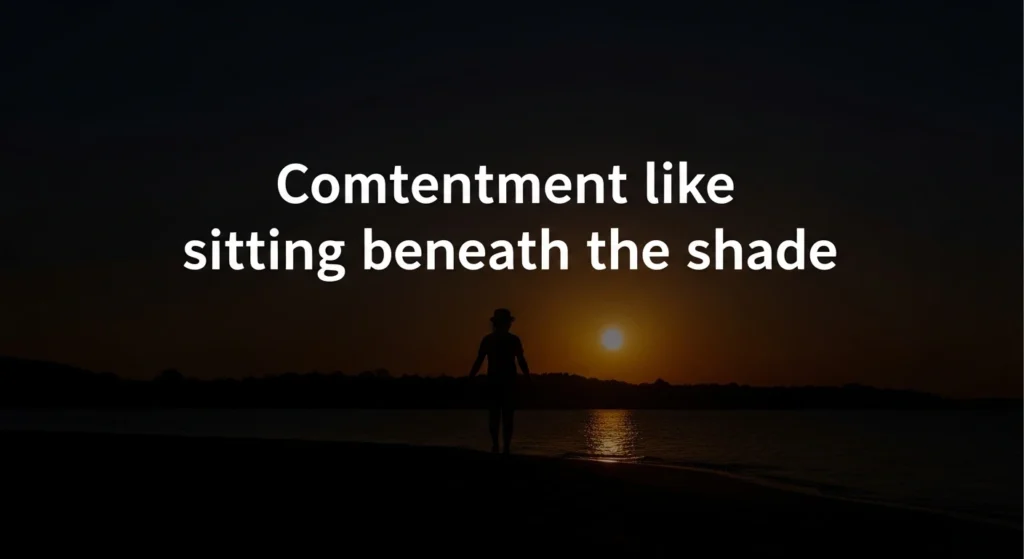
Meaning: Simple happiness.
Usage Insight: Works well in peaceful scenes.
Examples:
- Contentment felt like sitting beneath shade.
- Life slowed into contentment like sitting beneath shade.
25. Frustration like knots in wood
Meaning: Built-up irritation.
Usage Insight: Effective for stress descriptions.
Examples:
- Frustration tightened like knots in wood.
- His words caught like knots in wood.
26. Gratitude like sunlight on bark
Meaning: Warm appreciation.
Usage Insight: Great for reflective writing.
Examples:
- Gratitude glowed like sunlight on bark.
- She spoke with gratitude like sunlight on bark.
27. Longing like branches reaching outward

Meaning: Desire for connection.
Usage Insight: Best for emotional distance.
Examples:
- Longing stretched like branches reaching outward.
- His heart reached like branches reaching outward.
28. Patience like slow-growing trees
Meaning: Calm endurance.
Usage Insight: Perfect for life lessons.
Examples:
- Patience grew like slow-growing trees.
- She waited with patience like slow-growing trees.
29. Despair like a broken trunk
Meaning: Emotional collapse.
Usage Insight: Strong dramatic effect.
Examples:
- Despair struck like a broken trunk.
- His hope fell like a broken trunk.
30. Affection like leaves brushing gently

Meaning: Soft emotional warmth.
Usage Insight: Ideal for tender moments.
Examples:
- Affection passed like leaves brushing gently.
- Her touch felt like leaves brushing gently.
31. Determination like roots gripping earth
Meaning: Strong resolve.
Usage Insight: Works well in motivational writing.
Examples:
- Determination held like roots gripping earth.
- He stood firm like roots gripping earth.
32. Wonder like sunlight through branches
Meaning: Childlike curiosity.
Usage Insight: Best for discovery scenes.
Examples:
- Wonder sparkled like sunlight through branches.
- Her eyes shone like sunlight through branches.
33. Doubt like termites in wood

Meaning: Quiet, destructive uncertainty.
Usage Insight: Useful for internal conflict.
Examples:
- Doubt ate away like termites in wood.
- His confidence weakened like termites in wood.
34. Belonging like a tree in its soil
Meaning: Emotional security.
Usage Insight: Great for themes of home.
Examples:
- She felt belonging like a tree in its soil.
- Home wrapped him like a tree in its soil.
35. Emotional strength like an old forest
Meaning: Mature resilience.
Usage Insight: Best for wisdom and growth.
Examples:
- Her strength stood like an old forest.
- Time shaped him like an old forest.
How to Use Similes Effectively in Writing
Use similes to clarify emotions, not overwhelm them. Choose comparisons your readers can easily imagine. In poems and songs, similes add rhythm and feeling. In stories and novels, they deepen character emotions. In essays or academic writing, similes should be clear and purposeful. Avoid mixing too many similes at once, and always match the tone of the comparison with the emotion you want to express.
FAQs
1. What are similes for feelings? Similes for feelings are comparisons that describe emotions using “like” or “as” to make them clearer and more vivid.
2. How are similes different from metaphors? Similes use “like” or “as,” while metaphors make direct comparisons without those words.
3. Can similes be used in academic writing? Yes, when used carefully, similes can clarify complex ideas in essays or explanations.
4. Why are nature similes so effective? Nature is familiar and emotionally powerful, making comparisons easier to understand and remember.
5. Are similes common in literature? Yes, similes in literature are widely used to add imagery, emotion, and depth.
Conclusion
Similes for feelings transform abstract emotions into clear, living images. By using thoughtful comparisons rooted in nature, especially trees, writers can express strength, growth, pain, hope, and joy with greater impact. These similes add clarity, beauty, and emotional depth to language. Whether you are crafting poetry, storytelling, or everyday descriptions, strong similes help readers feel what words alone cannot. Mastering them will make your writing more vivid, meaningful, and memorable.