
Language becomes vivid and memorable when we use similes and metaphors to paint pictures in the reader’s mind. A simile compares two different things using words like as or like, helping ideas feel clearer, stronger, and more emotional. They are a key part of figurative language, used in stories, poems, essays, songs, and everyday speech. Among the most powerful images in similes are trees, which naturally represent strength, growth, patience, resilience, wisdom, and deep human emotion. Just as trees stand through storms and seasons, similes help writers express feelings and ideas that plain words often cannot. In literature, nature similes have long been used to reflect human experiences. By learning how similes work, you can make your writing more expressive, engaging, and meaningful.
What Is a Simile?
A simile is a figure of speech that directly compares two unlike things using like or as to highlight a shared quality.
Example: She stood firm like an old oak in the wind. This simile compares a person’s strength to a sturdy tree, making the idea easy to visualize and feel.
Similes Rooted in Nature and Human Experience
Below are 35 unique similes, each explained with meaning, usage insight, and example sentences.
1. Strong as an oak in a storm
Meaning: Extremely strong and dependable.
Usage Insight: Ideal for describing resilience in people or values.
Examples:
- He remained strong as an oak in a storm during hard times.
- Her faith was strong as an oak in a storm.
2. Steady like tree roots in deep soil
Meaning: Emotionally or morally grounded.
Usage Insight: Works well in reflective or motivational writing.
Examples:
- She stayed calm, steady like tree roots in deep soil.
- His principles were steady like tree roots in deep soil.
3. Growing like branches toward the sun
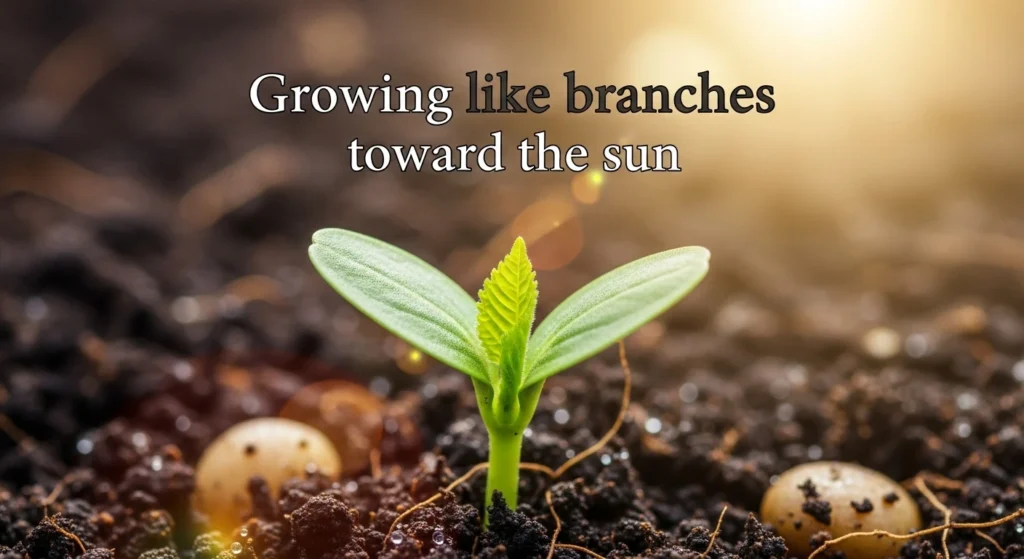
Meaning: Constantly improving or learning.
Usage Insight: Great for personal growth or education themes.
Examples:
- His confidence grew like branches toward the sun.
- Their dreams stretched like branches toward the sun.
4. Silent as a forest at dawn
Meaning: Deeply quiet and peaceful.
Usage Insight: Perfect for setting a calm mood in stories.
Examples:
- The room was silent as a forest at dawn.
- Her thoughts were silent as a forest at dawn.
5. Patient like a tree through seasons
Meaning: Willing to wait and endure.
Usage Insight: Useful in philosophical or life lessons.
Examples:
- She waited patiently, like a tree through seasons.
- Success comes to those patient like a tree through seasons.
6. Firm as bark against the blade

Meaning: Emotionally tough and protected.
Usage Insight: Effective in serious or dramatic writing.
Examples:
- His heart was firm as bark against the blade.
- She faced criticism firm as bark against the blade.
7. Calm like leaves in still air
Meaning: Peaceful and relaxed.
Usage Insight: Best for emotional balance or meditation themes.
Examples:
- He felt calm like leaves in still air.
- Her voice stayed calm like leaves in still air.
8. Lonely as a tree on an open field
Meaning: Isolated or alone.
Usage Insight: Strong for emotional or poetic contexts.
Examples:
- He felt lonely as a tree on an open field.
- The house stood lonely as a tree on an open field.
9. Wise like rings in an old trunk
Meaning: Knowledge gained through experience.
Usage Insight: Ideal for elders or mentors in writing.
Examples:
- Her advice was wise like rings in an old trunk.
- He spoke wisely, like rings in an old trunk.
10. Flexible as branches in the wind
Meaning: Able to adapt easily.
Usage Insight: Works well in leadership or self-growth topics.
Examples:
- She stayed flexible as branches in the wind.
- Good leaders are flexible as branches in the wind.
11. Grounded like roots holding a hillside
Meaning: Stable under pressure.
Usage Insight: Strong for motivational essays.
Examples:
- He remained grounded like roots holding a hillside.
- Her values kept her grounded like roots holding a hillside.
12. Quiet strength like a growing tree

Meaning: Power without loud display. Usage Insight: Effective for humble characters. Examples:
- He showed quiet strength like a growing tree.
- Her courage felt like a growing tree.
13. Fragile as new leaves in frost
Meaning: Easily hurt or damaged.
Usage Insight: Useful in emotional or sensitive scenes.
Examples:
- Her hope was fragile as new leaves in frost.
- The peace felt fragile as new leaves in frost.
14. Tall as dreams reaching skyward
Meaning: Ambitious and hopeful.
Usage Insight: Great for inspirational writing.
Examples:
- His goals stood tall as dreams reaching skyward.
- Her vision grew tall as dreams reaching skyward.
15. Restless like leaves in a storm
Meaning: Anxious or unsettled.
Usage Insight: Suitable for inner conflict scenes.
Examples:
- His thoughts were restless like leaves in a storm.
- The crowd felt restless like leaves in a storm.
16. Deep-rooted like ancient forests
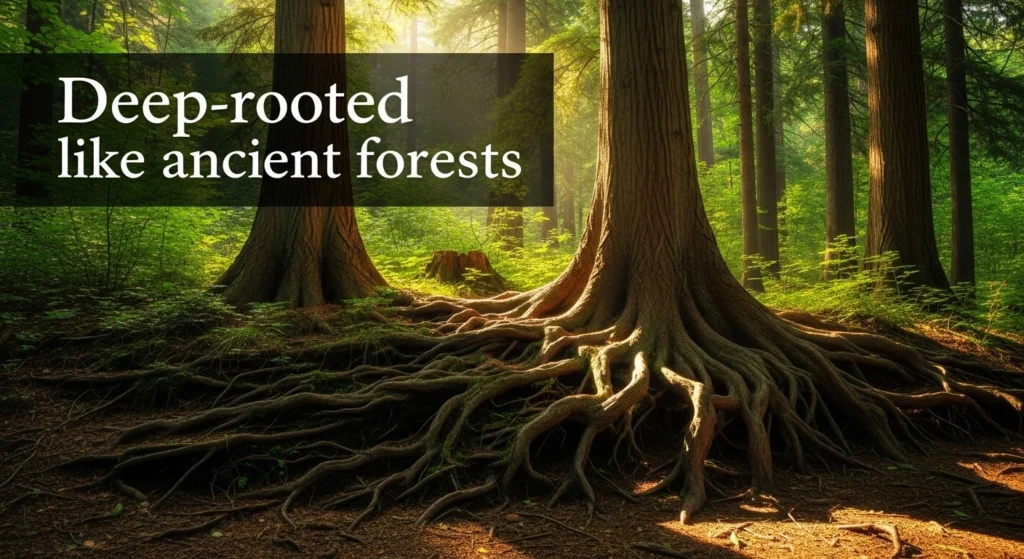
Meaning: Strongly established.
Usage Insight: Ideal for traditions or beliefs.
Examples:
- Their culture is deep-rooted like ancient forests.
- His habits were deep-rooted like ancient forests.
17. Gentle as falling petals
Meaning: Soft and kind.
Usage Insight: Perfect for romantic or tender writing.
Examples:
- Her touch was gentle as falling petals.
- He spoke gently, like falling petals.
18. Resilient as trees after fire
Meaning: Able to recover from hardship.
Usage Insight: Powerful in survival or healing narratives.
Examples:
- They were resilient as trees after fire.
- Her spirit stayed resilient as trees after fire.
19. Still as a winter forest
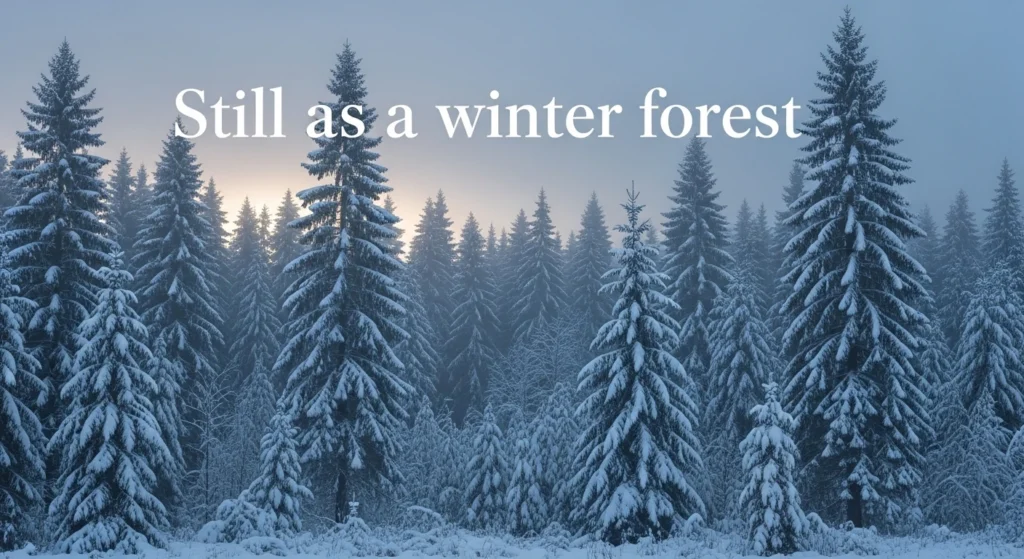
Meaning: Motionless and quiet.
Usage Insight: Works well in descriptive passages.
Examples:
- The night was still as a winter forest.
- He stood still as a winter forest.
20. Spreading like shade on a hot day
Meaning: Comforting and protective.
Usage Insight: Useful for kindness or support themes.
Examples:
- Her kindness spread like shade on a hot day.
- His presence felt like shade on a hot day.
21. Broken as a fallen trunk
Meaning: Deeply hurt or defeated.
Usage Insight: Strong for emotional storytelling.
Examples:
- He felt broken as a fallen trunk.
- Her trust lay broken as a fallen trunk.
22. Blooming like spring branches
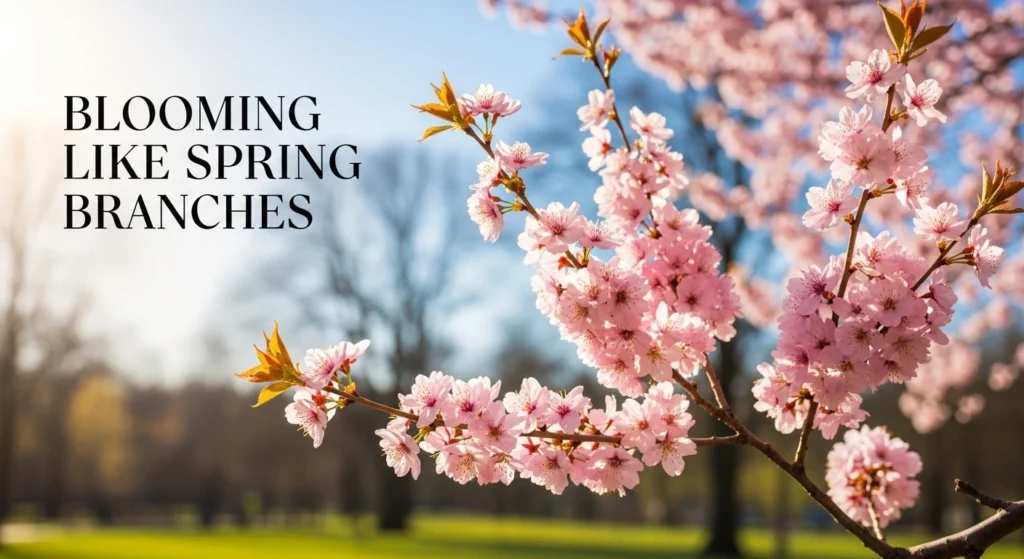
Meaning: Thriving or becoming joyful.
Usage Insight: Ideal for positive transformation.
Examples:
- Her confidence was blooming like spring branches.
- The town felt blooming like spring branches.
23. Bare as trees in winter
Meaning: Lacking comfort or protection.
Usage Insight: Effective for hardship descriptions.
Examples:
- His life felt bare as trees in winter.
- The room looked bare as trees in winter.
24. Strong-minded like twisted roots
Meaning: Mentally tough.
Usage Insight: Good for determination themes.
Examples:
- She was strong-minded like twisted roots.
- His resolve stayed strong-minded like twisted roots.
25. Whispering like leaves at night
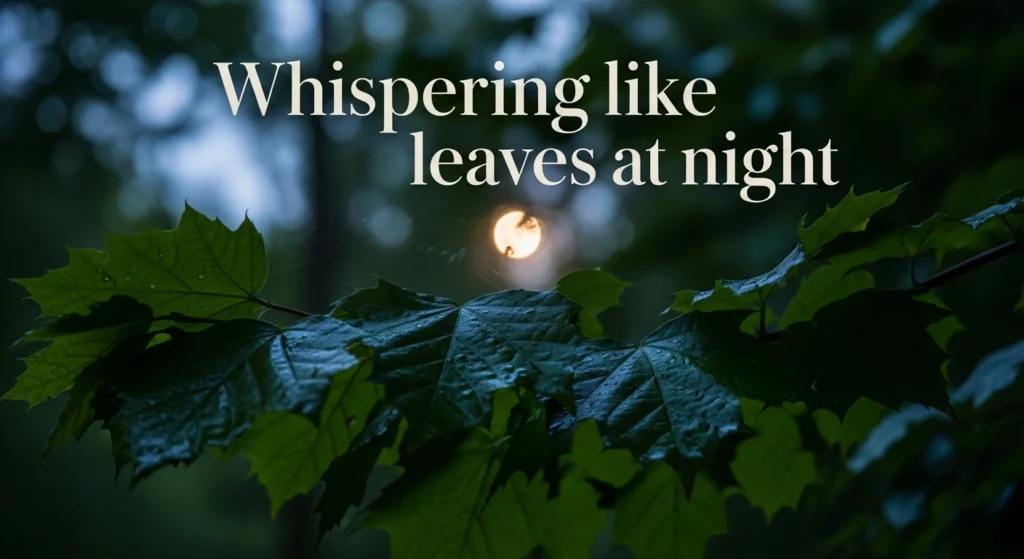
Meaning: Soft and secretive.
Usage Insight: Perfect for mystery or romance.
Examples:
- Her voice was whispering like leaves at night.
- The wind moved whispering like leaves at night.
26. Balanced like branches on a calm day
Meaning: Emotionally stable.
Usage Insight: Ideal for self-control descriptions.
Examples:
- He stayed balanced like branches on a calm day.
- Her mind felt balanced like branches on a calm day.
27. Shaken like trees in thunder
Meaning: Deeply disturbed.
Usage Insight: Works in intense emotional scenes.
Examples:
- He was shaken like trees in thunder.
- The news left her shaken like trees in thunder.
28. Enduring as evergreen pines

Meaning: Long-lasting and faithful.
Usage Insight: Strong for love or loyalty themes.
Examples:
- Their friendship was enduring as evergreen pines.
- His promise stayed enduring as evergreen pines.
29. Soft-hearted like moss on bark
Meaning: Kind and gentle inside.
Usage Insight: Perfect for character depth.
Examples:
- She was soft-hearted like moss on bark.
- He looked tough but was soft-hearted like moss on bark.
30. Towering like trees over paths
Meaning: Impressive or overwhelming.
Usage Insight: Effective for awe or fear.
Examples:
- The mountains towered like trees over paths.
- His reputation stood towering like trees over paths.
31. Calm after chaos like a forest after rain
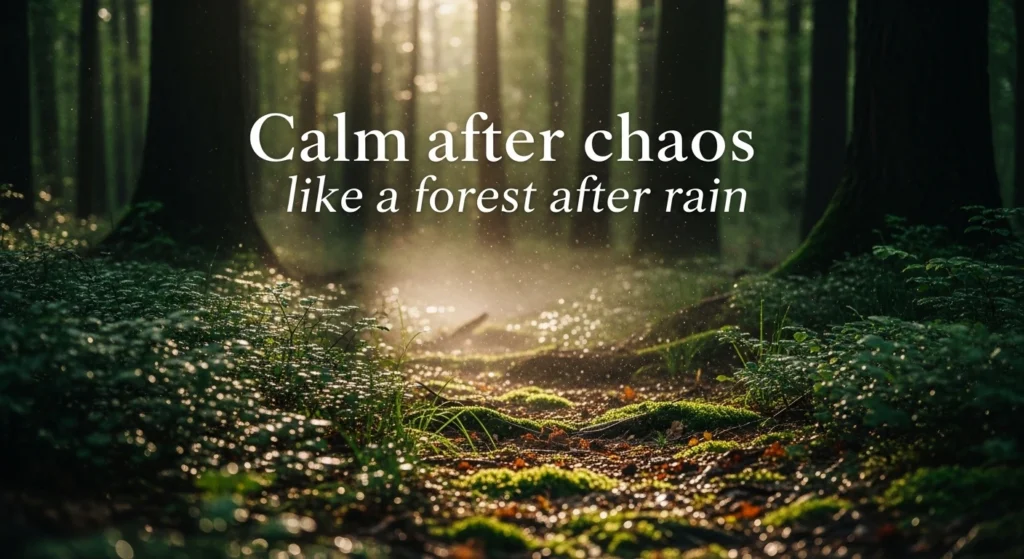
Meaning: Peace following difficulty.
Usage Insight: Ideal for resolution scenes.
Examples:
- Calm returned like a forest after rain.
- She felt calm after chaos like a forest after rain.
32. Slow as sap in winter
Meaning: Very gradual.
Usage Insight: Useful for pacing or patience themes.
Examples:
- Progress moved slow as sap in winter.
- Time passed slow as sap in winter.
33. Alive like rustling branches
Meaning: Full of energy.
Usage Insight: Works for lively settings.
Examples:
- The city felt alive like rustling branches.
- His ideas were alive like rustling branches.
34. Rooted in place like an old tree
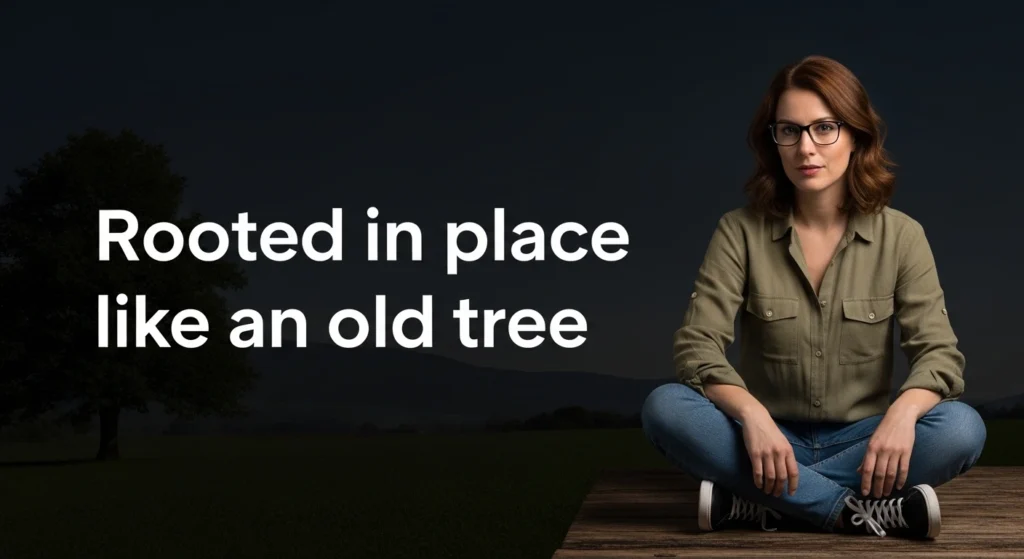
Meaning: Unwilling to change.
Usage Insight: Good for tradition or stubbornness.
Examples:
- He stayed rooted in place like an old tree.
- Her beliefs were rooted in place like an old tree.
35. Hopeful as buds before spring
Meaning: Optimistic about the future.
Usage Insight: Perfect for endings or new beginnings.
Examples:
- She felt hopeful as buds before spring.
- The future looked hopeful as buds before spring.
How to Use Similes Effectively in Writing
To use similes well, choose comparisons that feel natural and clear to your reader. In poems and songs, focus on emotion and rhythm. In stories, use similes to reveal character feelings or set mood. In essays or academic writing, use them sparingly to clarify complex ideas. Always make sure your simile strengthens the meaning instead of distracting from it. Original, thoughtful comparisons leave the strongest impact.
FAQs About Similes and Metaphors
1. What are similes and metaphors? They are figurative language tools that compare ideas; similes use like or as, while metaphors do not.
2. What is the main difference between a simile and a metaphor? A simile makes a direct comparison using like or as, while a metaphor states the comparison directly.
3. Are similes used in academic writing? Yes, but carefully. They are helpful for explaining complex concepts clearly.
4. Why are nature similes so common in literature? Nature is universal, visual, and emotionally relatable, making comparisons powerful and memorable.
5. How can similes improve creative writing? They add imagery, emotion, and depth, helping readers connect more strongly with the text.
Conclusion
Similes and metaphors transform ordinary language into something vivid and meaningful. By using thoughtful comparisons—especially nature-based similes—you give your writing clarity, emotion, and life. Trees, with their strength and patience, perfectly mirror human experiences, making them powerful symbols in figurative language. Whether you are writing stories, poems, essays, or songs, strong similes help readers see, feel, and remember your words. Mastering similes and metaphors is not just a writing skill—it is a way to make language truly come alive.