
Similes are one of the simplest yet most powerful tools in poetry and creative writing. They help writers compare one thing to another in a way that feels natural, visual, and emotionally rich. In figurative language, similes make abstract feelings easier to understand and ordinary scenes more memorable. Poets often turn to nature similes—especially images of trees—because they symbolize strength, growth, resilience, wisdom, and deep human emotions. A tree can stand for patience, endurance, family, or even silent pain, making it a timeless poetic image. When used well, similes turn simple lines into vivid experiences. That is why learning and using strong similes for poems can instantly elevate your writing. Whether you are writing poetry, songs, or reflective essays, similes help your words connect with readers on a deeper level.
What Is a Simile?
A simile is a figure of speech that compares two different things using the words “like” or “as.” It helps readers understand an idea by linking it to something familiar.
Example: Her hope was like a young tree bending in the wind but never breaking.
Similes for Poems with Meanings and Examples
1. Strong as a rooted oak
Meaning: Describes someone with deep inner strength and stability.
Usage Insight: Works well in poems about resilience, family, or endurance. He stood strong as a rooted oak through every storm. Her values were strong as a rooted oak, unshaken by doubt.
2. Thoughts drifting like autumn leaves
Meaning: Represents wandering or reflective thoughts.
Usage Insight: Ideal for nostalgic or introspective poetry. His thoughts drifted like autumn leaves on a quiet road. Memories fell like autumn leaves in her silent mind.
3. Silent as a forest at dawn
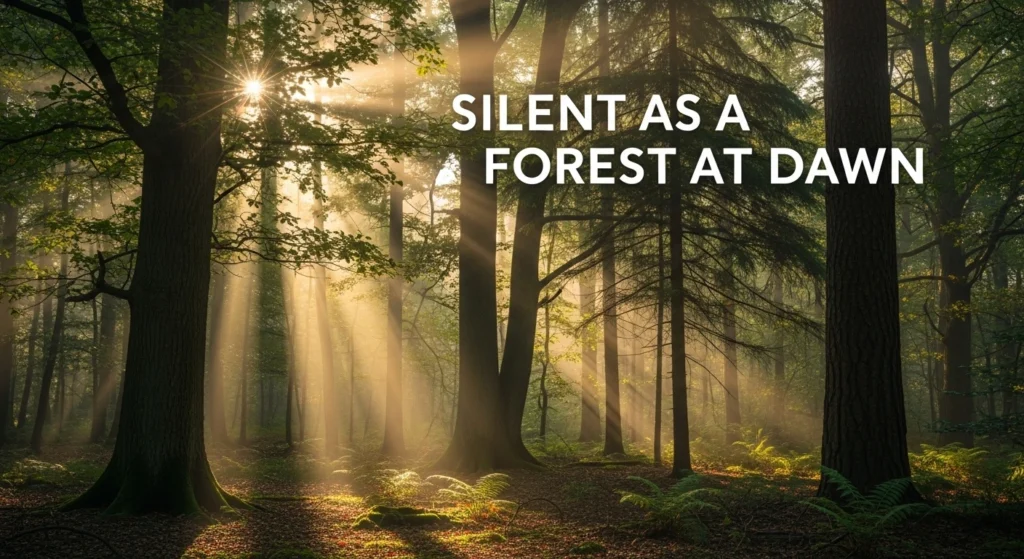
Meaning: Expresses deep, peaceful silence.
Usage Insight: Perfect for calm or emotional stillness. The room was silent as a forest at dawn. Their goodbye felt silent as a forest at dawn.
4. Heart steady like a tall pine
Meaning: Shows emotional balance and patience.
Usage Insight: Fits poems about maturity and inner peace. Her heart stayed steady like a tall pine. He waited, steady like a tall pine in winter.
5. Words falling like soft petals
Meaning: Gentle and kind speech.
Usage Insight: Best for romantic or comforting lines. Her words fell like soft petals on his fear. Promises drifted like soft petals between them.
6. Hope rising like a sapling
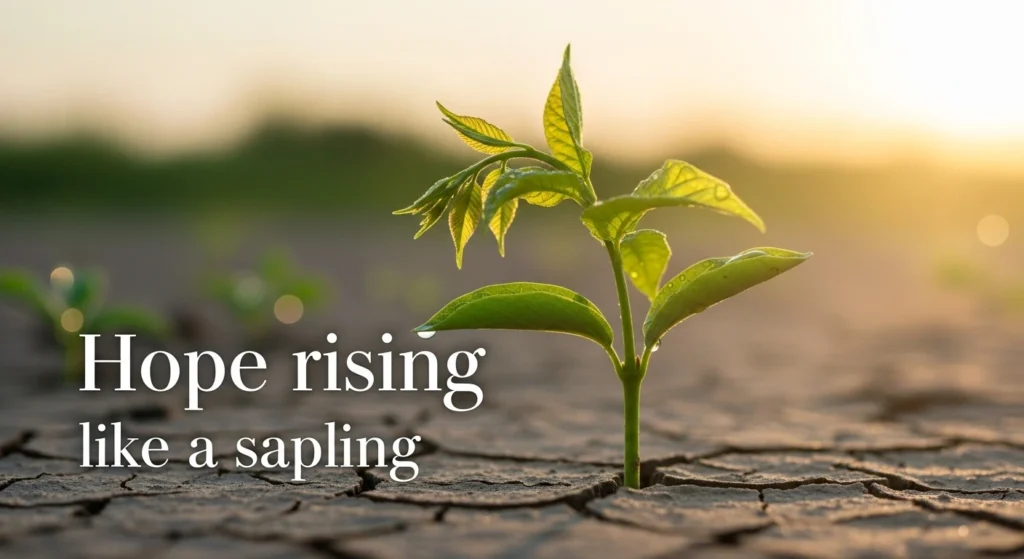
Meaning: New beginnings and quiet optimism.
Usage Insight: Ideal for growth and healing themes. Hope rose like a sapling after the storm. Their dreams grew like a sapling in spring.
7. Loneliness spreading like bare branches
Meaning: Emotional emptiness or isolation.
Usage Insight: Works well in sad or reflective poems. Loneliness spread like bare branches in winter. His silence reached out like bare branches.
8. Faith deep as forest roots
Meaning: Strong belief that is unseen but powerful.
Usage Insight: Effective in spiritual or personal poetry. Her faith was deep as forest roots. Trust grew deep as forest roots between them.
9. Time passing like falling leaves
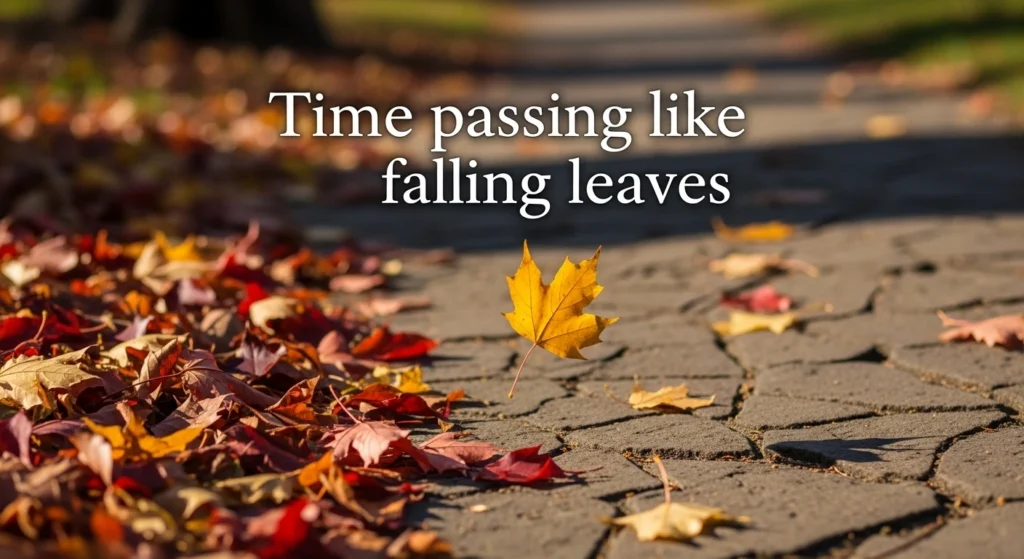
Meaning: The gentle, unstoppable movement of time.
Usage Insight: Suitable for reflective or aging themes. Time passed like falling leaves around them. Years slipped by like falling leaves.
10. Dreams reaching like climbing vines
Meaning: Ambition and aspiration.
Usage Insight: Ideal for motivational poetry. His dreams reached like climbing vines. Her hopes stretched like climbing vines toward light.
11. Pain sharp as splintered wood
Meaning: Sudden emotional or physical pain.
Usage Insight: Best for intense moments. The truth cut sharp as splintered wood. Loss struck sharp as splintered wood.
12. Calm flowing like tree shade
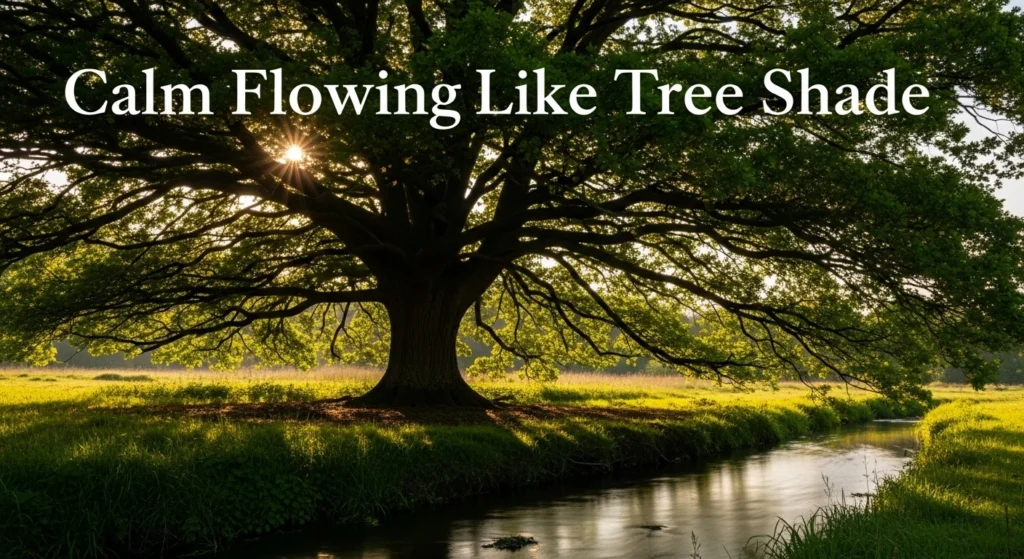
Meaning: Comfort and relief.
Usage Insight: Works in soothing, peaceful poems. Her presence felt like tree shade on a hot day. Peace flowed like tree shade over his worries.
13. Memories tangled like forest paths
Meaning: Confusing or overlapping memories.
Usage Insight: Ideal for complex emotional writing. His memories tangled like forest paths. The past twisted like forest paths in her mind.
14. Love steady as an old trunk
Meaning: Long-lasting and dependable love.
Usage Insight: Perfect for romantic poetry. Their love was steady as an old trunk. Trust grew steady as an old trunk.
15. Fear creeping like ivy
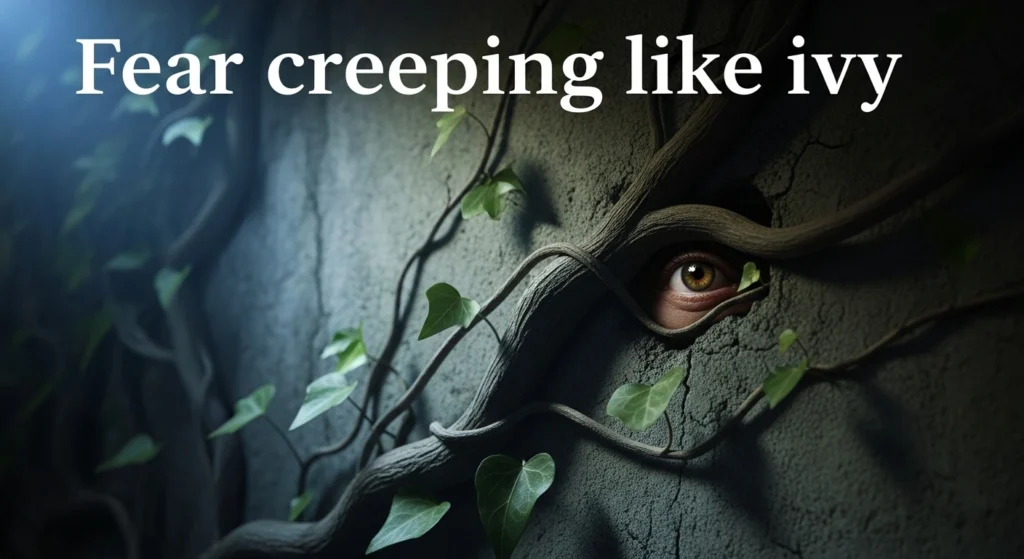
Meaning: Slow-growing anxiety.
Usage Insight: Works well in suspenseful poems. Fear crept like ivy around his thoughts. Doubt spread like ivy in silence.
16. Wisdom quiet as falling needles
Meaning: Subtle and gentle wisdom.
Usage Insight: Ideal for reflective poetry. His wisdom was quiet as falling needles. Advice came quiet as falling needles.
17. Strength bending like bamboo
Meaning: Flexible resilience.
Usage Insight: Useful in poems about survival. She bent like bamboo but never broke. Their spirits moved like bamboo in wind.
18. Life branching like a young tree
Meaning: Growth and new directions.
Usage Insight: Ideal for life transitions. Life branched like a young tree. Choices spread like branches in spring.
19. Anger burning like dry leaves

Meaning: Fast, intense anger.
Usage Insight: Best for emotional conflict. His anger burned like dry leaves. Words sparked like dry leaves in fire.
20. Dreams fragile as blossoms
Meaning: Delicate hopes.
Usage Insight: Fits emotional or romantic poems. Her dreams were fragile as blossoms. Promises felt fragile as blossoms.
21. Courage standing like a cedar
Meaning: Brave and unshaken courage.
Usage Insight: Ideal for heroic themes. His courage stood like a cedar. She faced fear like a cedar in storms.
22. Regret heavy as fallen logs
Meaning: Emotional burden.
Usage Insight: Works in remorseful poetry. Regret lay heavy as fallen logs. His silence weighed like fallen logs.
23. Joy blooming like spring buds
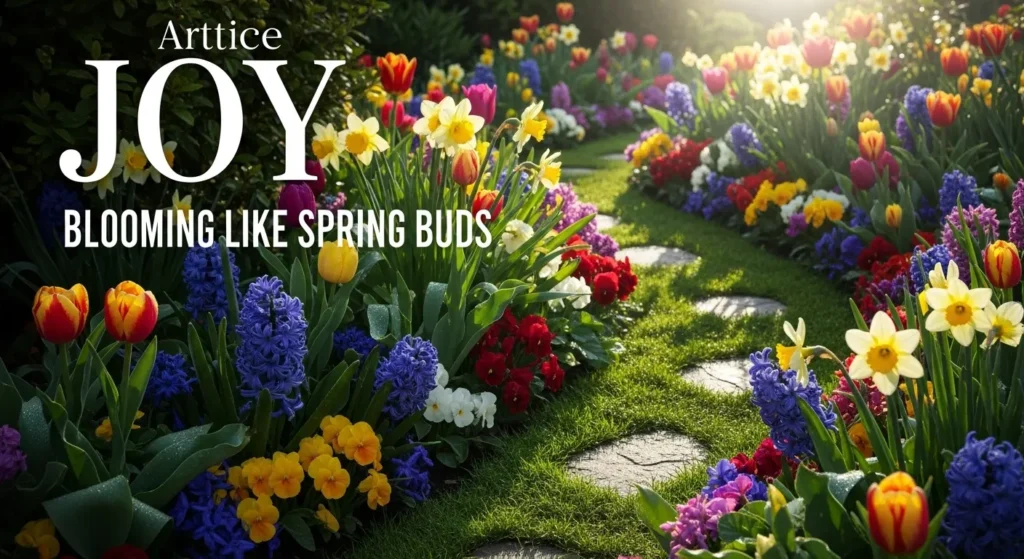
Meaning: Fresh happiness.
Usage Insight: Perfect for hopeful poems. Joy bloomed like spring buds. Laughter opened like spring buds.
24. Silence thick as a pine forest
Meaning: Deep, overwhelming quiet.
Usage Insight: Ideal for dramatic pauses. Silence grew thick as a pine forest. The night felt thick as a pine forest.
25. Patience slow as growing rings
Meaning: Long-term endurance.
Usage Insight: Best for time-related poems. Patience formed slow as growing rings. Love aged slow as growing rings.
26. Grief hollow as a dead tree
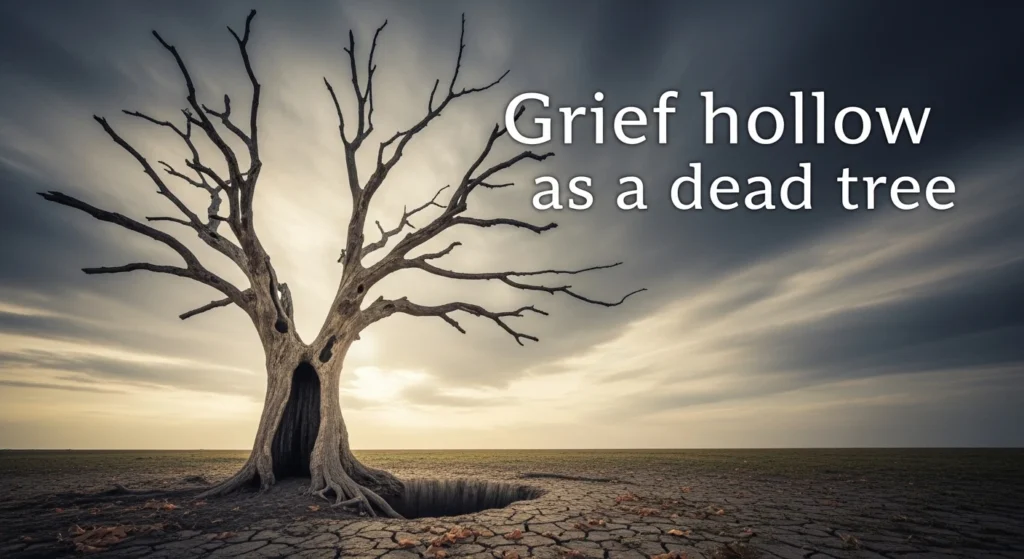
Meaning: Emotional emptiness.
Usage Insight: Works in sorrowful writing. Grief left him hollow as a dead tree. Her voice sounded hollow as a dead tree.
27. Freedom wide as an open meadow
Meaning: Emotional release.
Usage Insight: Ideal for uplifting poetry. Freedom felt wide as an open meadow. Her heart flew wide as an open meadow.
28. Secrets hidden like roots underground
Meaning: Deeply concealed truths.
Usage Insight: Useful for mystery themes. Secrets hid like roots underground. Pain stayed buried like roots underground.
29. Trust growing like shared branches

Meaning: Mutual dependence.
Usage Insight: Great for relationship poems. Trust grew like shared branches. Their bond spread like shared branches.
30. Words sharp as snapping twigs
Meaning: Hurtful speech.
Usage Insight: Effective in conflict scenes. His words snapped like twigs. Arguments cracked like snapping twigs.
31. Hope stubborn as winter buds
Meaning: Persistent hope.
Usage Insight: Ideal for resilience themes. Hope stayed stubborn as winter buds. Dreams waited stubborn as winter buds.
32. Soul calm as shaded roots

Meaning: Deep inner peace.
Usage Insight: Perfect for spiritual poetry. Her soul rested calm as shaded roots. Peace flowed calm as shaded roots.
33. Love spreading like forest light
Meaning: Gentle, shared affection.
Usage Insight: Ideal for tender poems. Love spread like forest light. Kindness moved like forest light.
34. Strength growing like layered bark
Meaning: Strength built over time.
Usage Insight: Works in personal growth poems. Strength formed like layered bark. Experience added layers like bark.
35. Life enduring like ancient trees
Meaning: Long-lasting resilience.
Usage Insight: Perfect for philosophical poetry. Life endured like ancient trees. Human spirit stands like ancient trees.
How to Use Similes Effectively in Writing
To use similes effectively in poems and other writing, always choose comparisons that feel natural and meaningful. Avoid forcing similes where simple language works better. In poetry and songs, similes should enhance emotion and imagery, not distract from rhythm. In essays and academic writing, use similes sparingly to clarify complex ideas. Nature similes work especially well because they are universal and emotionally resonant. Always consider your audience and tone before choosing a comparison.
FAQs About Similes for Poems
What are similes for poems? Similes for poems are comparisons using “like” or “as” that create vivid imagery and emotion in poetic language.
What is the difference between similes and metaphors? Similes use “like” or “as,” while metaphors directly state one thing is another.
Why are nature similes popular in poetry? Nature similes are relatable, symbolic, and emotionally rich, making them ideal for figurative language.
Can similes be used in academic writing? Yes, but sparingly, mainly to clarify complex concepts.
How many similes should a poem have? There is no fixed number—quality matters more than quantity.
Conclusion
Similes for poems are powerful tools that bring clarity, imagery, and emotional depth to language. They help readers see, feel, and understand ideas in a more meaningful way. By using thoughtful comparisons drawn from nature, human experience, and everyday life, writers can turn simple lines into memorable expressions. Whether you are crafting poetry, stories, or reflective essays, well-chosen similes enrich your voice and sharpen your message. With practice and intention, similes become more than comparisons—they become the heartbeat of expressive writing.