

Fear is a powerful emotion, and writers often turn to similes to make that feeling visible, physical, and unforgettable. Similes are an essential part of figurative language because they help readers see and feel emotions rather than just understand them intellectually. When we compare fear to elements of nature, everyday objects, or human experiences, the emotion becomes more real and relatable. Nature—especially images like trees, storms, and leaves—has long symbolized strength, growth, resilience, wisdom, and deep human emotion in literature. That’s why nature similes work so well when describing intense fear: they connect inner emotions to the outer world. In this article, you’ll explore powerful similes for shaking with fear, learn how they function in writing, and see polished examples you can use in stories, poems, essays, or creative descriptions. Each comparison is crafted to be vivid, natural, and emotionally precise.
What Is a Simile?
A simile is a figure of speech that compares two different things using words like “as” or “like” to create clear and imaginative imagery.
Example: He shook like a leaf in a storm, unable to steady his hands.
This comparison helps readers instantly picture the intensity of fear.
He Shook Like a Leaf in a Storm
Meaning: Extreme fear causing uncontrollable trembling.
Usage Insight: Works best in emotional or nature-based descriptions.
Examples:
- He shook like a leaf in a storm as the footsteps drew closer.
- Her voice trembled; she was shaking like a leaf in a storm.
She Trembled Like a Tree in High Wind
Meaning: Fear that weakens even strong resolve.
Usage Insight: Ideal for showing inner conflict or pressure.
Examples:
- She trembled like a tree in high wind before answering.
- His confidence bent, trembling like a tree in a gale.
He Shook Like a Rabbit Cornered by a Fox

Meaning: Sudden, instinctive terror.
Usage Insight: Perfect for danger or chase scenes.
Examples:
- He shook like a rabbit cornered by a fox.
- Her eyes widened, shaking like prey sensing doom.
She Quivered Like Frost-Touched Grass
Meaning: Silent, fragile fear.
Usage Insight: Best for subtle, quiet moments.
Examples:
- She quivered like frost-touched grass at dawn.
- His hands shook softly, like grass under cold air.
He Shuddered Like Thunder Before the Storm
Meaning: Fear mixed with anticipation.
Usage Insight: Great for suspenseful buildup.
Examples:
- He shuddered like thunder before the storm broke.
- The room held its breath as he shook with dread.
She Shook Like a Candle in a Draft
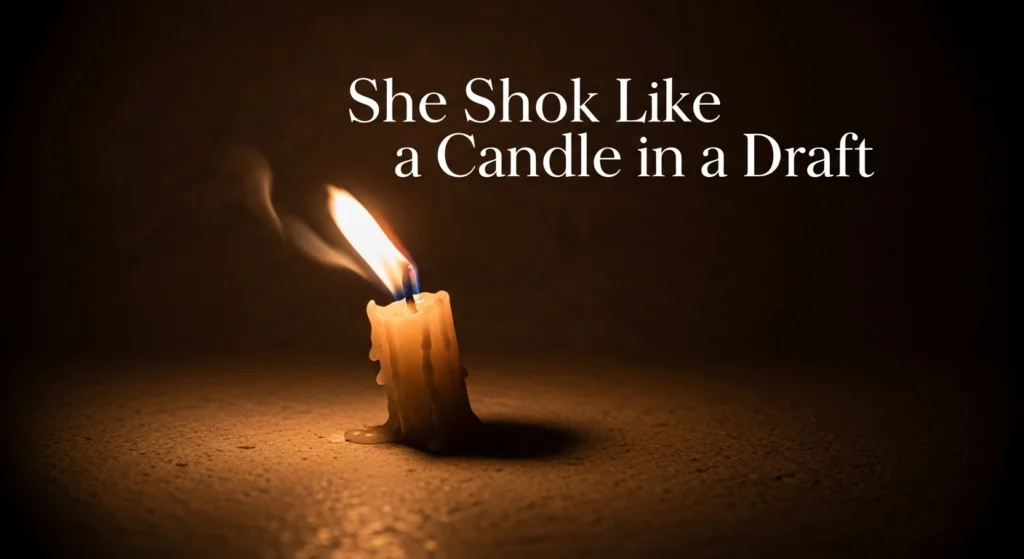
Meaning: Weakness and vulnerability from fear.
Usage Insight: Works well in emotional or intimate scenes.
Examples:
- She shook like a candle in a draft.
- His courage flickered, trembling in fear.
He Trembled Like Ice About to Crack
Meaning: Fear pushing someone to the breaking point.
Usage Insight: Effective in high-stress moments.
Examples:
- He trembled like ice about to crack.
- Her voice broke as fear spread through her.
She Quaked Like the Ground Before an Earthquake
Meaning: Overwhelming, consuming fear.
Usage Insight: Ideal for dramatic scenes.
Examples:
- She quaked like the ground before an earthquake.
- The fear made his whole body shake violently.
He Shook Like a Flag in a Storm

Meaning: Fear caused by external pressure.
Usage Insight: Useful in political or conflict narratives.
Examples:
- He shook like a flag in a storm of accusations.
- Her hands waved uncontrollably with fear.
She Trembled Like a Bird in Cold Rain
Meaning: Fear mixed with helplessness.
Usage Insight: Works beautifully in emotional prose.
Examples:
- She trembled like a bird in cold rain.
- His fear left him small and shaking.
He Shivered Like a Bare Branch in Winter
Meaning: Fear combined with emotional emptiness.
Usage Insight: Ideal for reflective or poetic writing.
Examples:
- He shivered like a bare branch in winter.
- Fear stripped him down to silence.
She Shook Like a Drum Beaten Too Hard

Meaning: Intense physical trembling.
Usage Insight: Effective in sensory descriptions.
Examples:
- She shook like a drum beaten too hard.
- His chest rattled with fear.
He Trembled Like a Shadow in Flickering Light
Meaning: Unstable, uncertain fear.
Usage Insight: Great for eerie scenes.
Examples:
- He trembled like a shadow in flickering light.
- Fear made him feel unreal.
She Quivered Like Water in a Sudden Wind
Meaning: Fear that spreads quickly.
Usage Insight: Useful for emotional transitions.
Examples:
- She quivered like water stirred by wind.
- The fear rippled through her body.
He Shook Like a Door in a Violent Storm
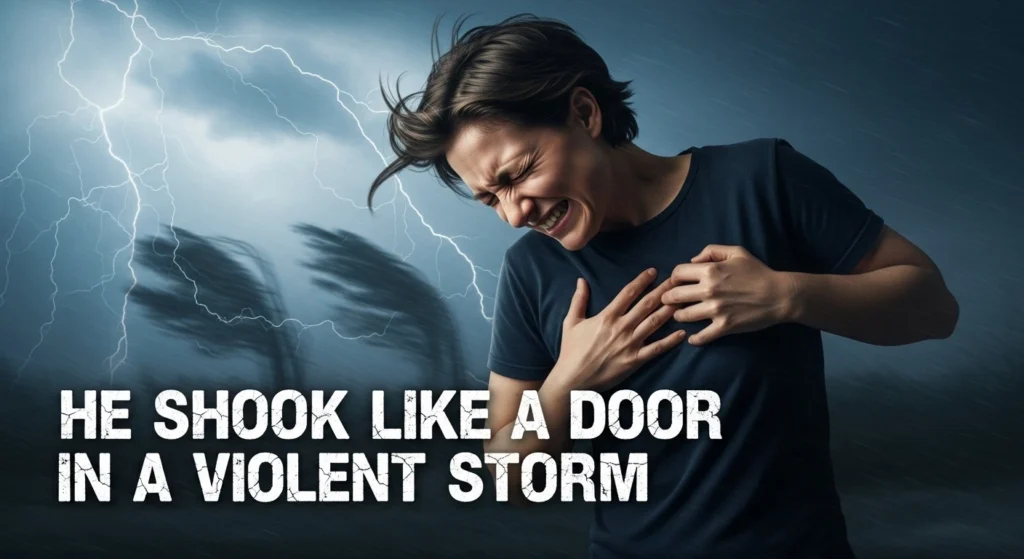
Meaning: Fear under relentless pressure.
Usage Insight: Best for tense confrontations.
Examples:
- He shook like a door battered by a storm.
- His resolve rattled with fear.
She Trembled Like Dew Before Sunrise
Meaning: Gentle but deep fear.
Usage Insight: Ideal for quiet emotional scenes.
Examples:
- She trembled like dew before sunrise.
- Fear clung softly to her voice.
He Shuddered Like a Tree Struck by Lightning
Meaning: Sudden, shocking fear.
Usage Insight: Perfect for surprise moments.
Examples:
- He shuddered like a tree struck by lightning.
- The news hit him with terror.
She Shook Like a Mirror in an Earthquake

Meaning: Fear distorting perception.
Usage Insight: Great for psychological tension.
Examples:
- She shook like a mirror in an earthquake.
- Fear warped her sense of reality.
He Trembled Like Ash in the Wind
Meaning: Fear causing weakness and loss of control.
Usage Insight: Works well in dark or tragic scenes.
Examples:
- He trembled like ash in the wind.
- Fear reduced him to fragments.
She Quaked Like a Drumroll Before Silence
Meaning: Fear before an inevitable outcome.
Usage Insight: Ideal for climactic moments.
Examples:
- She quaked like a drumroll before silence.
- Fear built with every second.
He Shook Like a Tree Losing Its Leaves

Meaning: Fear stripping away confidence.
Usage Insight: Works well in character arcs.
Examples:
- He shook like a tree losing its leaves.
- Fear left him exposed.
She Trembled Like a Glass About to Shatter
Meaning: Fear at the edge of collapse.
Usage Insight: Perfect for emotional breakdowns.
Examples:
- She trembled like a glass about to shatter.
- Fear cracked her composure.
He Shuddered Like Waves Before a Storm
Meaning: Fear building gradually.
Usage Insight: Useful in suspenseful storytelling.
Examples:
- He shuddered like waves before a storm.
- Fear rolled through him.
She Shook Like a Clock Losing Time

Meaning: Fear disrupting control.
Usage Insight: Great for symbolic writing.
Examples:
- She shook like a clock losing time.
- Fear broke her rhythm.
He Trembled Like a Horse Sensing Danger
Meaning: Instinctive fear.
Usage Insight: Ideal for action scenes.
Examples:
- He trembled like a horse sensing danger.
- Fear made him alert and rigid.
She Quivered Like Snow Before an Avalanche
Meaning: Fear before catastrophe.
Usage Insight: Works well in dramatic tension.
Examples:
- She quivered like snow before an avalanche.
- Fear hung heavy in the air.
He Shook Like a Bell Rung Too Hard
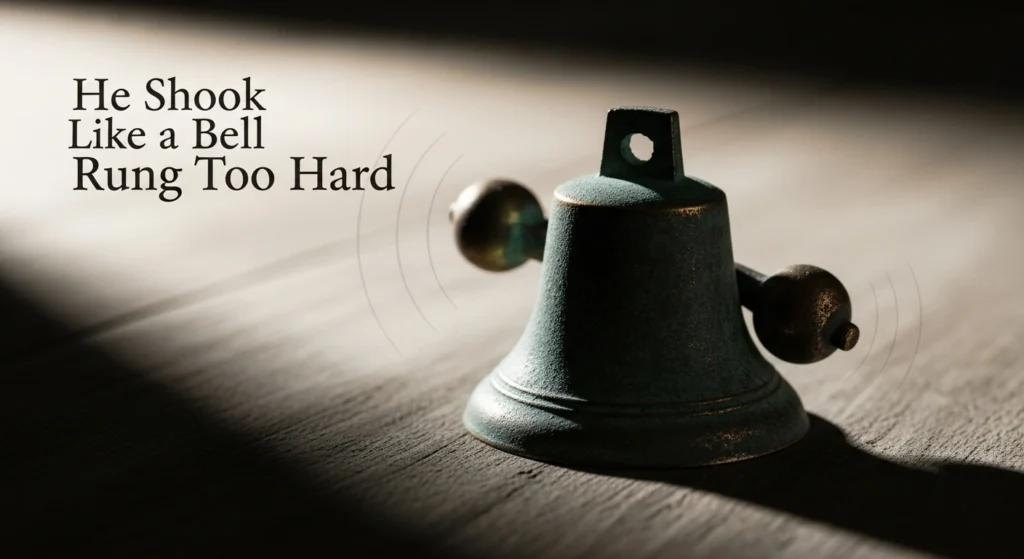
Meaning: Fear echoing through the body.
Usage Insight: Effective for sensory imagery.
Examples:
- He shook like a bell rung too hard.
- Fear rang in his bones.
She Trembled Like Roots in Shifting Soil
Meaning: Deep, unsettling fear.
Usage Insight: Ideal for symbolic nature writing.
Examples:
- She trembled like roots in shifting soil.
- Fear unsettled her foundation.
He Shuddered Like a Torch in Heavy Wind
Meaning: Fear threatening inner strength.
Usage Insight: Great for resilience themes.
Examples:
- He shuddered like a torch in heavy wind.
- Fear nearly extinguished his courage.
She Shook Like a Lake Hit by Sudden Rain
Meaning: Fear spreading rapidly.
Usage Insight: Useful for emotional shifts.
Examples:
- She shook like a lake hit by rain.
- Fear rippled across her face.
He Trembled Like a Compass Losing North
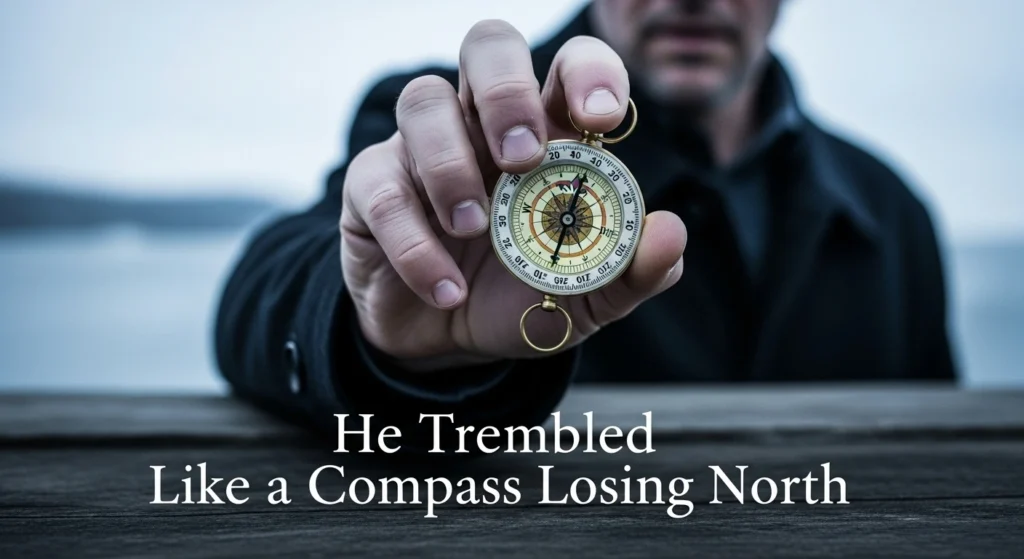
Meaning: Fear causing confusion.
Usage Insight: Works well in reflective writing.
Examples:
- He trembled like a compass losing north.
- Fear left him directionless.
She Quaked Like a Bridge Under Heavy Steps
Meaning: Fear under pressure.
Usage Insight: Ideal for confrontational scenes.
Examples:
- She quaked like a bridge under heavy steps.
- Fear tested her limits.
He Shook Like a Drum in a War March
Meaning: Fear mixed with chaos.
Usage Insight: Perfect for intense scenes.
Examples:
- He shook like a drum in a war march.
- Fear thundered through him.
She Trembled Like a Tree Rooted in Doubt
Meaning: Fear despite inner strength.
Usage Insight: Great for character depth.
Examples:
- She trembled like a tree rooted in doubt.
- Fear challenged her resilience.
How to Use Similes Effectively in Writing
To use similes well, choose comparisons that match the tone and intensity of your scene. In poems and songs, lean toward nature similes for emotional depth. In stories and novels, use similes to reveal character psychology without over-explaining. For essays or academic writing, keep similes clear and purposeful, using them sparingly to enhance clarity. Avoid clichés, and always ensure the comparison feels natural within the context.
FAQs
What are similes for shaking with fear? They are comparisons using “like” or “as” to describe intense trembling caused by fear.
What is the difference between a simile and a metaphor? A simile compares using “like” or “as,” while a metaphor states one thing is another.
Are similes used in literature? Yes, similes are common in poetry, novels, and classic literature to express emotion and imagery.
Can similes be used in academic writing? Yes, when used sparingly, similes can clarify complex ideas.
Why are nature similes so effective? Because nature reflects universal emotions and is easy for readers to visualize.
Conclusion
Similes for shaking with fear transform an invisible emotion into something readers can see, feel, and remember. By using vivid comparisons drawn from nature, movement, and human experience, writers add clarity, imagery, and emotional depth to their language. Whether you’re crafting poetry, storytelling, or expressive essays, these similes help fear come alive on the page. Mastering them strengthens your writing and deepens the connection between your words and your readers.