
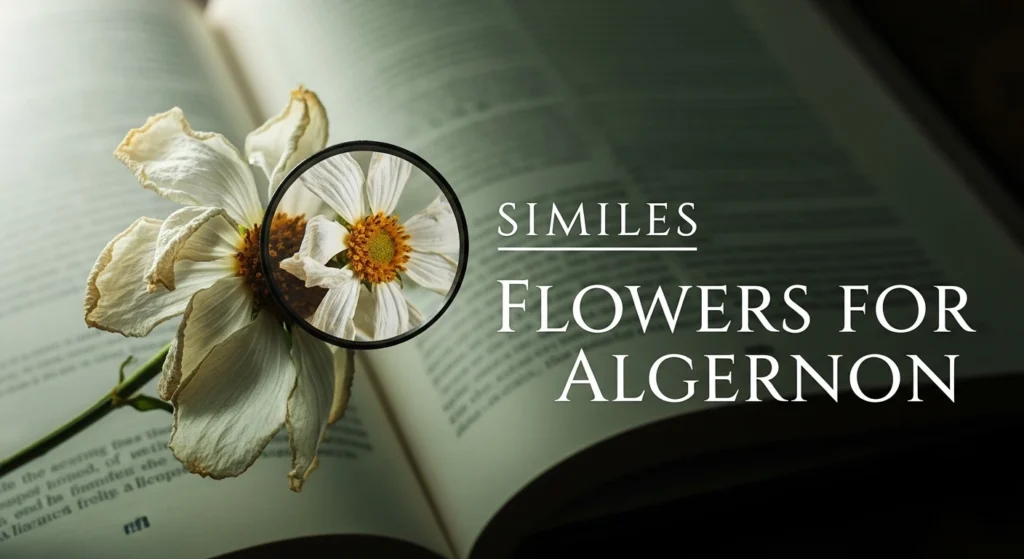
Similes are one of the most beautiful tools in figurative language, helping readers see, feel, and understand ideas more clearly. By comparing one thing to another using like or as, similes turn ordinary sentences into vivid mental pictures. They are especially important in literature, where writers use comparisons to express emotions that are difficult to explain directly. In Flowers for Algernon, similes help reflect intelligence, innocence, loss, and growth in deeply human ways. Nature-based similes, in particular, feel natural and timeless to readers. Trees, for example, symbolize strength, growth, resilience, wisdom, and human emotion—making them powerful mirrors of the human experience. When similes draw from nature, they connect abstract feelings to images we instantly recognize and remember.
What Is a Simile?
A simile is a figure of speech that compares two unlike things using the words like or as to create vivid imagery and clearer meaning.
Example: His thoughts bloomed like flowers in spring after a long winter.
1. Intelligence blooming like a fragile flower
Meaning: Describes intelligence growing quickly but delicately.
Usage Insight: Works well when showing sudden mental growth with vulnerability.
Examples:
- His intelligence bloomed like a fragile flower under new sunlight.
- Her mind opened like a flower touched by its first dawn.
2. Thoughts unfolding like petals in the sun
Meaning: Shows gradual understanding and clarity.
Usage Insight: Ideal for moments of learning or realization.
Examples:
- His thoughts unfolded like petals in the sun.
- Ideas opened gently, like petals greeting morning light.
3. Knowledge fading like wilted flowers

Meaning: Represents loss of intelligence or memory.
Usage Insight: Powerful in tragic or reflective scenes.
Examples:
- His knowledge faded like wilted flowers left without water.
- Memories drooped like flowers at the end of summer.
4. Hope growing like a seedling in spring
Meaning: Symbolizes early optimism and potential.
Usage Insight: Best for beginnings or emotional awakenings.
Examples:
- Hope grew like a seedling pushing through cold soil.
- His confidence rose like a young plant after rain.
5. Emotions spreading like roots underground
Meaning: Shows deep, unseen emotional development.
Usage Insight: Useful for inner emotional change.
Examples:
- Feelings spread like roots beneath the surface.
- His emotions grew quietly, like roots seeking water.
6. Innocence standing like a young tree
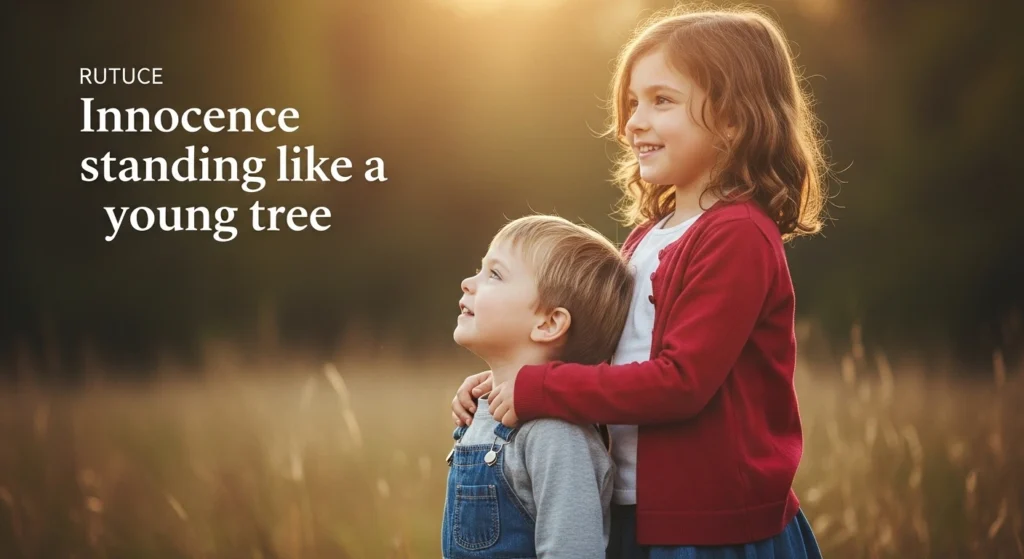
Meaning: Represents purity and vulnerability.
Usage Insight: Ideal for describing naïve characters.
Examples:
- His innocence stood like a young tree in open fields.
- She faced the world like a sapling in the wind.
7. Confidence rising like a tall oak
Meaning: Suggests strength and self-assurance.
Usage Insight: Best for character growth moments.
Examples:
- His confidence rose like a tall oak.
- She stood firm, like an oak against storms.
8. Learning rushing like a river after rain
Meaning: Indicates rapid knowledge gain.
Usage Insight: Effective for sudden intellectual leaps.
Examples:
- Learning rushed through him like a river after rain.
- Ideas flooded his mind like swollen streams.
9. Confusion tangled like branches in a forest
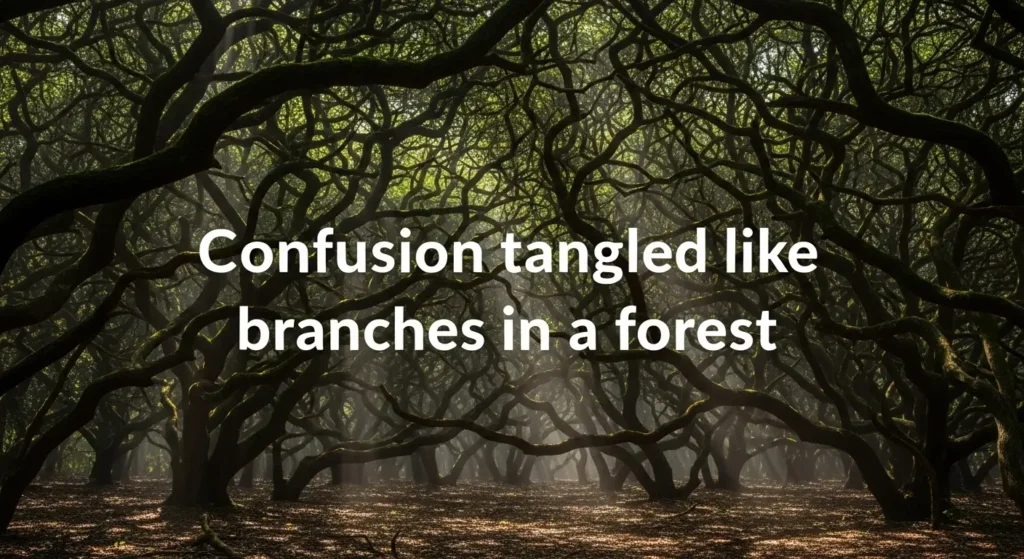
Meaning: Describes mental chaos.
Usage Insight: Useful during moments of overload.
Examples:
- His thoughts tangled like branches in a dense forest.
- Confusion wrapped his mind like knotted vines.
10. Memory slipping like falling leaves
Meaning: Symbolizes gradual loss.
Usage Insight: Gentle and emotional tone.
Examples:
- Memories slipped away like falling leaves.
- His past drifted down like autumn foliage.
11. Growth stretching like branches toward light
Meaning: Shows desire for improvement.
Usage Insight: Motivational and hopeful writing.
Examples:
- He grew like branches reaching for sunlight.
- Her ambition stretched upward, hungry for light.
12. Loneliness echoing like an empty field
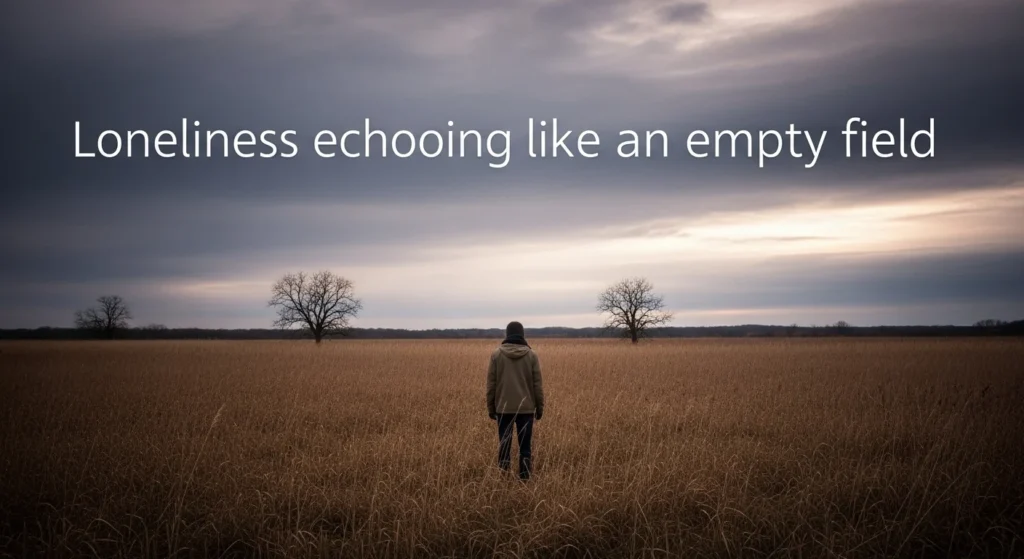
Meaning: Highlights emotional isolation.
Usage Insight: Effective in introspective passages.
Examples:
- Loneliness echoed like an empty field at dusk.
- His heart felt wide and empty like open land.
13. Curiosity opening like a bud
Meaning: Represents early interest.
Usage Insight: Ideal for intellectual beginnings.
Examples:
- Curiosity opened like a bud in spring.
- His questions bloomed gently with time.
14. Knowledge towering like a forest
Meaning: Suggests vast understanding.
Usage Insight: Works for advanced intellect.
Examples:
- Knowledge towered like a forest around him.
- Ideas stood tall like endless trees.
15. Fear shaking like leaves in wind

Meaning: Describes nervousness.
Usage Insight: Useful for emotional tension.
Examples:
- Fear shook him like leaves in wind.
- His hands trembled like autumn leaves.
16. Progress flowing like a growing vine
Meaning: Shows steady improvement.
Usage Insight: Subtle and organic change.
Examples:
- Progress flowed like a vine climbing walls.
- Growth wrapped around him naturally.
17. Emptiness settling like barren soil
Meaning: Represents emotional loss.
Usage Insight: Best for tragic reflection.
Examples:
- Emptiness settled like barren soil.
- His mind felt dry and hollow.
18. Awareness spreading like sunlight through trees
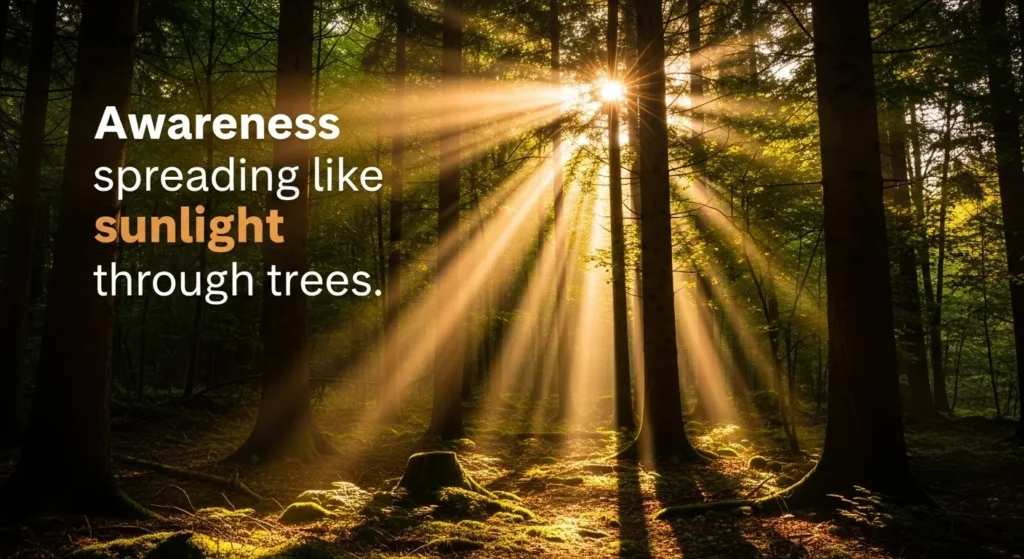
Meaning: Shows enlightenment.
Usage Insight: Ideal for realizations.
Examples:
- Awareness spread like sunlight through trees.
- Understanding warmed his thoughts gently.
19. Dreams blooming like wildflowers
Meaning: Represents hope and imagination.
Usage Insight: Works in inspirational writing.
Examples:
- Dreams bloomed like wildflowers.
- His goals scattered brightly across his future.
20. Isolation growing like weeds
Meaning: Shows neglect and loneliness.
Usage Insight: Strong for emotional decline.
Examples:
- Isolation grew like weeds around him.
- Loneliness spread unchecked.
21. Wisdom aging like an old tree
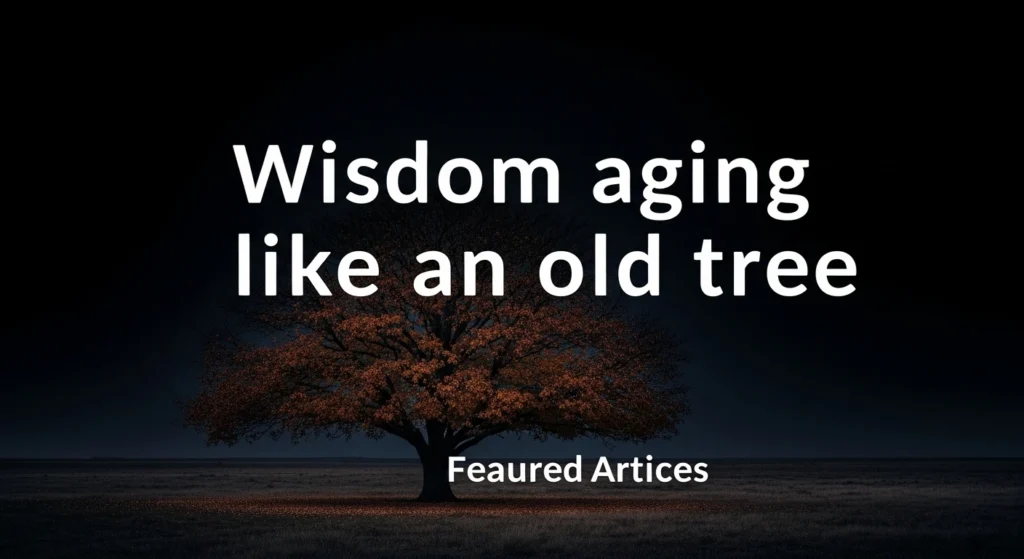
Meaning: Symbolizes experience.
Usage Insight: Reflective tone.
Examples:
- Wisdom aged like an old tree.
- His thoughts carried rings of time.
22. Curiosity branching like a tree
Meaning: Represents expanding interests.
Usage Insight: Academic or creative contexts.
Examples:
- Curiosity branched like a tree.
- His questions multiplied naturally.
23. Emotions falling like autumn leaves
Meaning: Shows emotional decline.
Usage Insight: Soft and poetic.
Examples:
- Emotions fell like autumn leaves.
- His feelings drifted away.
24. Confidence cracking like dry wood

Meaning: Represents self-doubt.
Usage Insight: Useful in setbacks.
Examples:
- Confidence cracked like dry wood.
- His certainty splintered quietly.
25. Hope standing like a lone tree
Meaning: Symbolizes resilience. Usage Insight: Inspirational imagery. Examples:
- Hope stood like a lone tree.
- He remained upright despite storms.
26. Thoughts scattering like seeds
Meaning: Shows ideas spreading.
Usage Insight: Creative or academic writing.
Examples:
- Thoughts scattered like seeds on wind.
- Ideas planted themselves everywhere.
27. Loss cutting like fallen timber
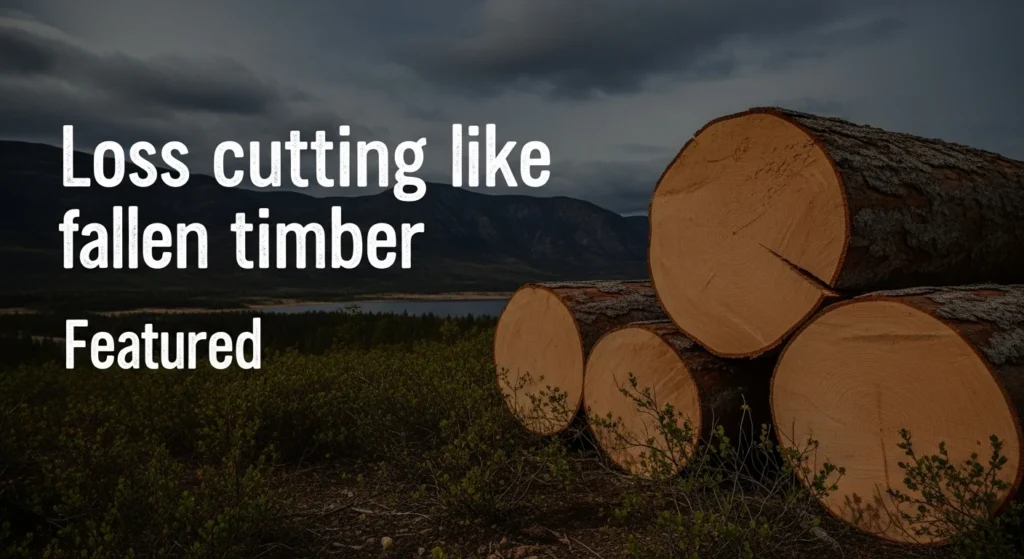
Meaning: Represents sudden emotional pain.
Usage Insight: Strong emotional moments.
Examples:
- Loss struck like fallen timber.
- His heart broke sharply.
28. Learning deepening like roots
Meaning: Shows lasting understanding.
Usage Insight: Educational contexts.
Examples:
- Learning deepened like roots in soil.
- Knowledge anchored him.
29. Silence spreading like winter frost
Meaning: Describes emotional coldness.
Usage Insight: Dramatic scenes.
Examples:
- Silence spread like winter frost.
- His world grew cold.
30. Change bending like branches

Meaning: Shows adaptation.
Usage Insight: Life transitions.
Examples:
- Change bent him like branches in wind.
- He adjusted without breaking.
31. Memory blooming briefly like spring flowers
Meaning: Temporary clarity.
Usage Insight: Tragic contrast.
Examples:
- Memory bloomed briefly like spring flowers.
- Moments of clarity flashed and faded.
32. Awareness crumbling like dead leaves
Meaning: Declining understanding.
Usage Insight: Emotional decline.
Examples:
- Awareness crumbled like dead leaves.
- His mind loosened and fell apart.
33. Humanity growing like a forest
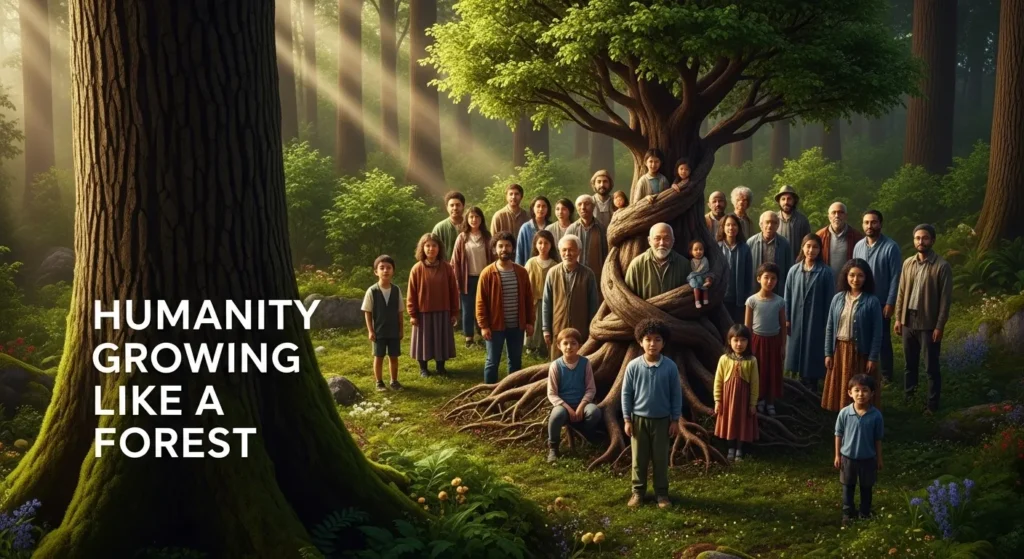
Meaning: Emotional development.
Usage Insight: Character depth.
Examples:
- Humanity grew like a forest within him.
- Feelings filled his inner world.
34. Time passing like drifting pollen
Meaning: Gentle passage of time.
Usage Insight: Reflective tone.
Examples:
- Time passed like drifting pollen.
- Days floated quietly.
35. Life cycling like the seasons
Meaning: Represents change and inevitability.
Usage Insight: Philosophical conclusions.
Examples:
- Life moved like the seasons.
- Growth and loss followed nature’s rhythm.
How to Use Similes Effectively in Writing
- Choose comparisons that match the emotion you want to express.
- Use nature similes for timeless, universal appeal.
- Keep similes clear and relatable.
- Avoid overusing them in one paragraph.
- Let similes enhance meaning, not replace clarity.
FAQs
What are similes in Flowers for Algernon? They are comparisons that help express intelligence, emotion, and loss clearly.
What is the difference between a simile and a metaphor? A simile uses like or as; a metaphor states the comparison directly.
Why are nature similes effective in literature? They connect human emotions to familiar natural imagery.
Can similes be used in academic writing? Yes, when used sparingly to clarify complex ideas.
How do similes improve creative writing? They add imagery, emotion, and reader engagement.
Conclusion
Similes flowers for algernon show how powerful comparisons can transform language. By blending nature similes with human emotion, writers create imagery that feels vivid, relatable, and deeply moving. These similes add clarity to complex ideas, emotional depth to characters, and beauty to storytelling. Whether used in literature, essays, poems, or creative writing, similes help readers feel ideas instead of just understanding them. Mastering similes means mastering connection—and that is where truly powerful writing begins.