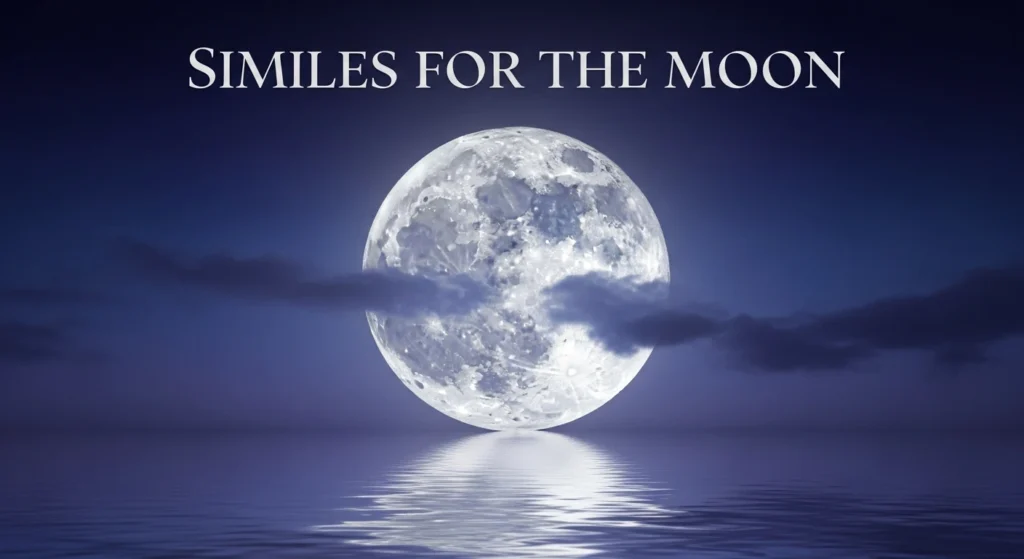
Similes are one of the simplest yet most powerful tools in figurative language. By comparing one thing to another using words like “as” or “like,” similes help readers see, feel, and imagine ideas more clearly. When writers use similes, especially nature similes, they turn ordinary descriptions into memorable images. Among all natural symbols, the moon stands out as deeply emotional and universal—it represents mystery, calm, romance, change, guidance, and quiet strength. Across cultures and centuries, similes for the moon have appeared in poetry, stories, and everyday language. From soft silver light to glowing watchfulness in the night sky, the moon inspires rich comparisons that connect human emotion with nature. In this guide, you’ll explore original similes for the moon, understand their meanings, and learn how to use them naturally in your own writing.
What Is a Simile?
A simile is a figure of speech that compares two unlike things using “like” or “as” to highlight a shared quality.
Example: The moon hung in the sky like a silver coin, bright and perfectly still.
This comparison helps readers visualize the moon’s shape and shine in a simple, vivid way.
Similes for the Moon
1. The Moon Like a Silver Coin in the Sky
Meaning: Emphasizes brightness, roundness, and value.
Usage Insight: Works well in calm nighttime descriptions or reflective writing.
Examples:
- The moon floated above the rooftops like a silver coin in the sky.
- She paused, staring at the moon like a silver coin against the dark.
2. The Moon Like a Watchful Eye
Meaning: Suggests awareness, protection, or quiet observation.
Usage Insight: Ideal for mysterious or emotional scenes.
Examples:
- The moon hovered like a watchful eye over the silent town.
- He felt the moon like a watchful eye as he walked home alone.
3. The Moon Like a Lantern in the Dark
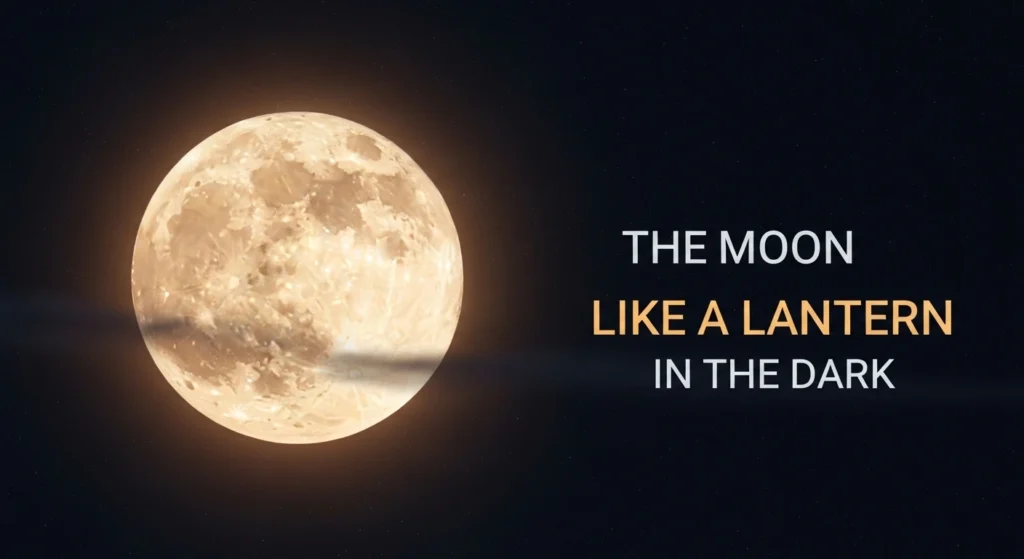
Meaning: Represents guidance and comfort.
Usage Insight: Perfect for journeys, hope, or reassurance.
Examples:
- The moon shone like a lantern in the dark forest.
- She followed the path, trusting the moon like a lantern above her.
4. The Moon Like a Pearl on Black Velvet
Meaning: Highlights elegance and contrast.
Usage Insight: Suits poetic or romantic writing.
Examples:
- The moon rested like a pearl on black velvet.
- Clouds parted, revealing the moon like a pearl against the night.
5. The Moon Like a Soft Smile
Meaning: Conveys warmth and gentleness.
Usage Insight: Effective in emotional or comforting scenes.
Examples:
- The moon curved like a soft smile in the sky.
- She felt calmer seeing the moon like a soft smile above her.
6. The Moon Like a Silent Guardian
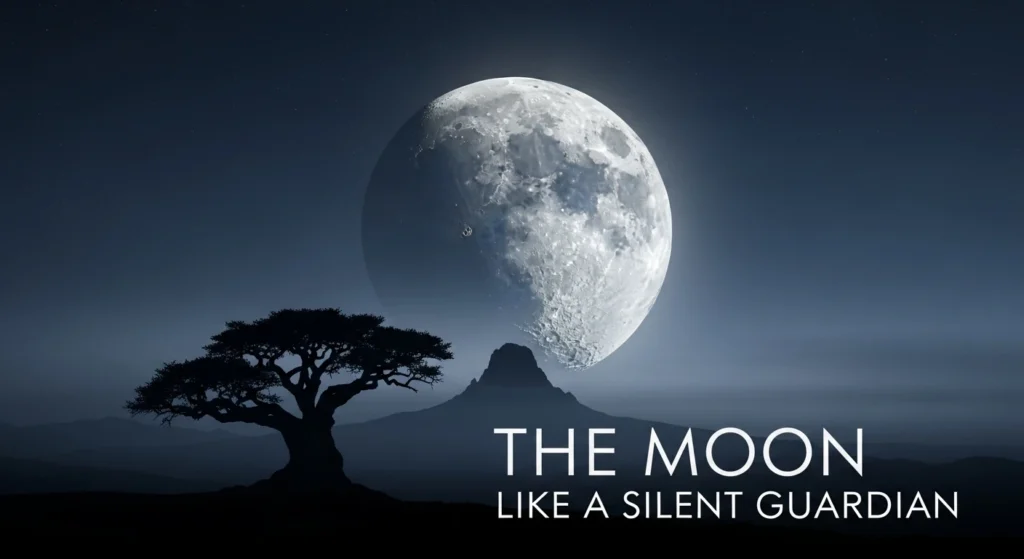
Meaning: Symbolizes protection and calm strength.
Usage Insight: Works well in reflective or symbolic writing.
Examples:
- The moon stood like a silent guardian over the village.
- At night, the moon felt like a silent guardian watching him.
7. The Moon Like Frosted Glass
Meaning: Suggests a hazy or diffused glow.
Usage Insight: Ideal for moody or atmospheric scenes.
Examples:
- Thin clouds made the moon glow like frosted glass.
- The moon shimmered like frosted glass behind the mist.
8. The Moon Like a Floating Mirror
Meaning: Reflects light and stillness.
Usage Insight: Great for lakes, oceans, and quiet settings.
Examples:
- The moon hovered like a floating mirror above the sea.
- Water caught the moon like a floating mirror below.
9. The Moon Like a White Balloon
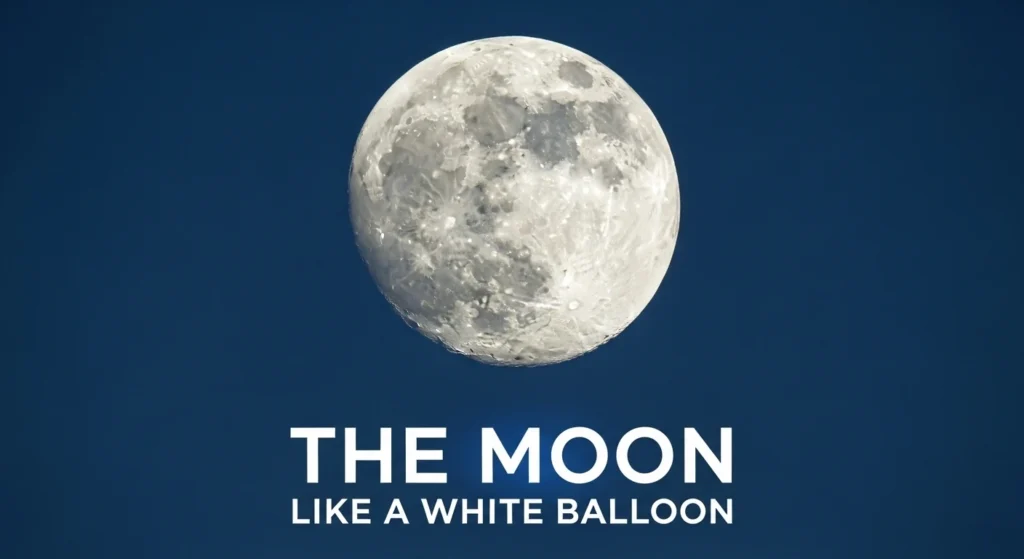
Meaning: Emphasizes lightness and round shape.
Usage Insight: Useful in simple, playful descriptions.
Examples:
- The moon drifted like a white balloon in the sky.
- Children pointed at the moon like a white balloon overhead.
10. The Moon Like a Polished Plate
Meaning: Highlights smoothness and shine.
Usage Insight: Fits clear, cloudless night imagery.
Examples:
- The moon gleamed like a polished plate.
- She admired the moon like a polished plate in the darkness.
11. The Moon Like a Sleeping Face
Meaning: Conveys peace and stillness.
Usage Insight: Ideal for calm, emotional moments.
Examples:
- The moon looked like a sleeping face in the sky.
- He felt comforted by the moon like a sleeping face above him.
12. The Moon Like a Candle Flame
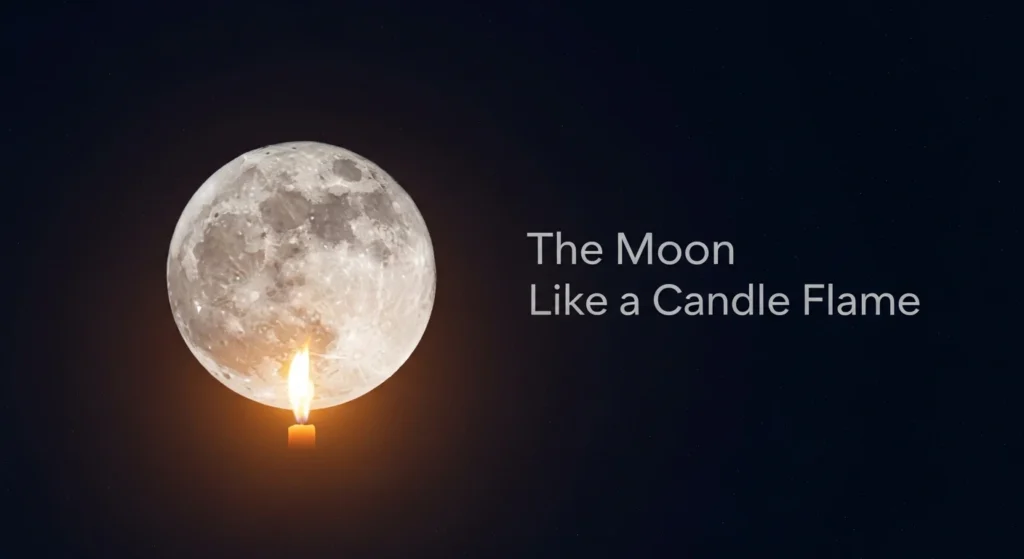
Meaning: Suggests gentle, steady light.
Usage Insight: Works well in quiet or hopeful scenes.
Examples:
- The moon flickered like a candle flame behind clouds.
- She followed the road under a moon like a candle flame.
13. The Moon Like a Silver Shield
Meaning: Symbolizes protection and strength.
Usage Insight: Useful in heroic or symbolic writing.
Examples:
- The moon rose like a silver shield over the hills.
- He felt safe beneath the moon like a silver shield.
14. The Moon Like a Whisper of Light
Meaning: Represents subtle brightness.
Usage Insight: Best for poetic, delicate descriptions.
Examples:
- The moon arrived like a whisper of light.
- Night softened as the moon spread like a whisper of light.
15. The Moon Like a Distant Lighthouse
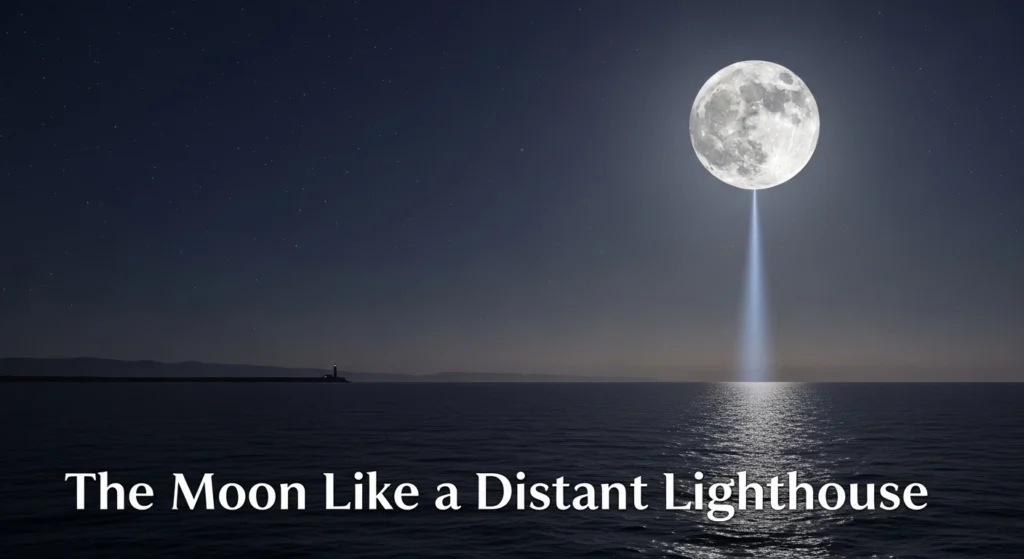
Meaning: Suggests guidance from afar.
Usage Insight: Excellent for travel or emotional journeys.
Examples:
- The moon stood like a distant lighthouse for the sailors.
- She looked up, trusting the moon like a distant lighthouse.
16. The Moon Like a Silver Drum
Meaning: Highlights round shape and presence.
Usage Insight: Works well in rhythmic or descriptive prose.
Examples:
- The moon appeared like a silver drum above the fields.
- Clouds beat around the moon like a silver drum.
17. The Moon Like a Calm Witness
Meaning: Implies observation without judgment.
Usage Insight: Ideal for reflective writing.
Examples:
- The moon stayed like a calm witness to their silence.
- He spoke freely, knowing the moon like a calm witness listened.
18. The Moon Like a Frosted Window
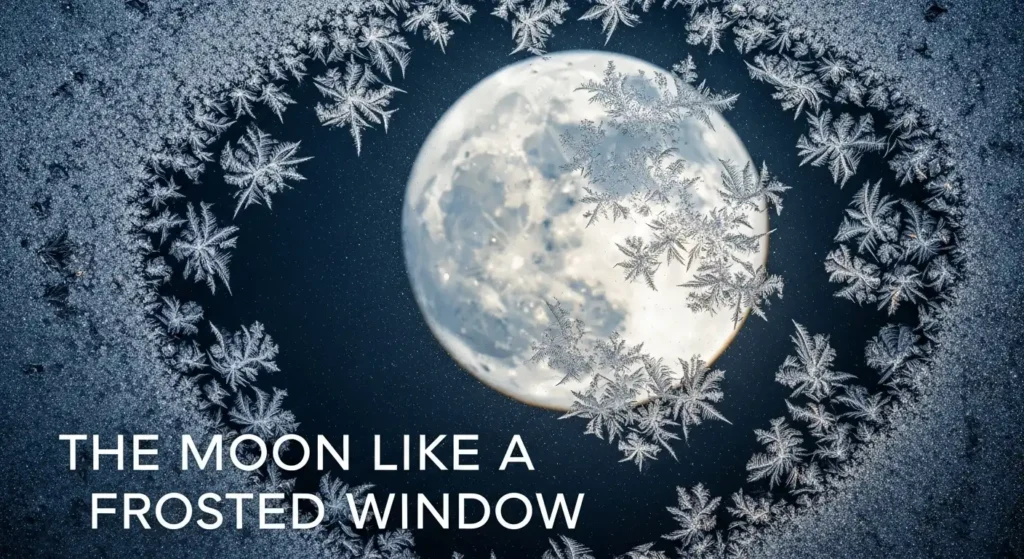
Meaning: Suggests blurred or softened light.
Usage Insight: Great for dreamy scenes.
Examples:
- The moon glowed like a frosted window.
- Night looked gentler under a moon like a frosted window.
19. The Moon Like a Silver Clock
Meaning: Symbolizes time and change.
Usage Insight: Useful in thoughtful or symbolic contexts.
Examples:
- The moon ticked like a silver clock in the sky.
- Seasons passed under the moon like a silver clock.
20. The Moon Like a Pale Flower
Meaning: Represents delicate beauty.
Usage Insight: Fits romantic or poetic writing.
Examples:
- The moon bloomed like a pale flower at night.
- She admired the moon like a pale flower in the sky.
21. The Moon Like a Sheet of Ice
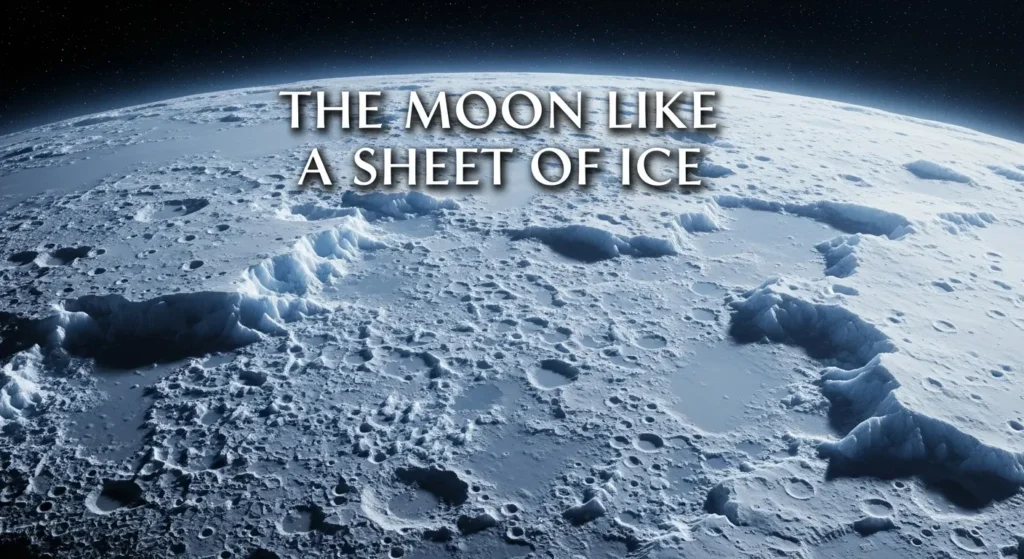
Meaning: Emphasizes cold brightness.
Usage Insight: Works in winter or stark scenes.
Examples:
- The moon shone like a sheet of ice.
- Snow reflected the moon like a sheet of ice above.
22. The Moon Like a Gentle Drumbeat
Meaning: Suggests rhythm and calm repetition.
Usage Insight: Useful in lyrical prose.
Examples:
- The moon pulsed like a gentle drumbeat in the night.
- His thoughts followed the moon like a gentle drumbeat.
23. The Moon Like a Floating Lantern
Meaning: Combines light and movement.
Usage Insight: Ideal for travel or peaceful imagery.
Examples:
- The moon drifted like a floating lantern.
- Boats moved beneath a moon like a floating lantern.
24. The Moon Like a Quiet Promise
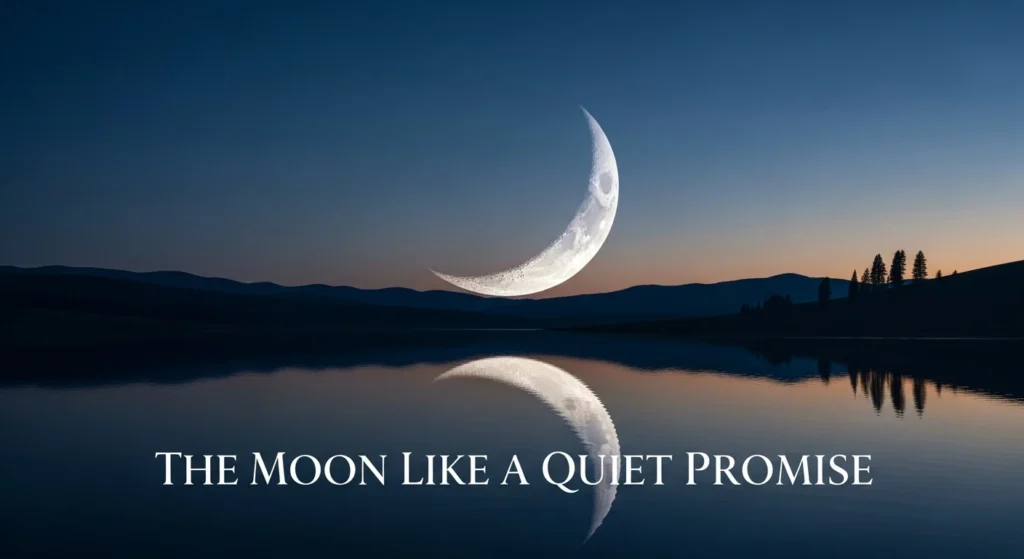
Meaning: Symbolizes hope and continuity.
Usage Insight: Best for emotional or reflective writing.
Examples:
- The moon felt like a quiet promise of tomorrow.
- She trusted the moon like a quiet promise overhead.
25. The Moon Like a Silver Bell
Meaning: Suggests clarity and presence.
Usage Insight: Works well in sensory writing.
Examples:
- The moon rang bright like a silver bell in the sky.
- Night felt sharper under a moon like a silver bell.
26. The Moon Like a Soft Spotlight
Meaning: Highlights focus and illumination.
Usage Insight: Useful in dramatic scenes.
Examples:
- The moon shone like a soft spotlight on the street.
- He stood alone, lit by the moon like a soft spotlight.
27. The Moon Like a Calm Face
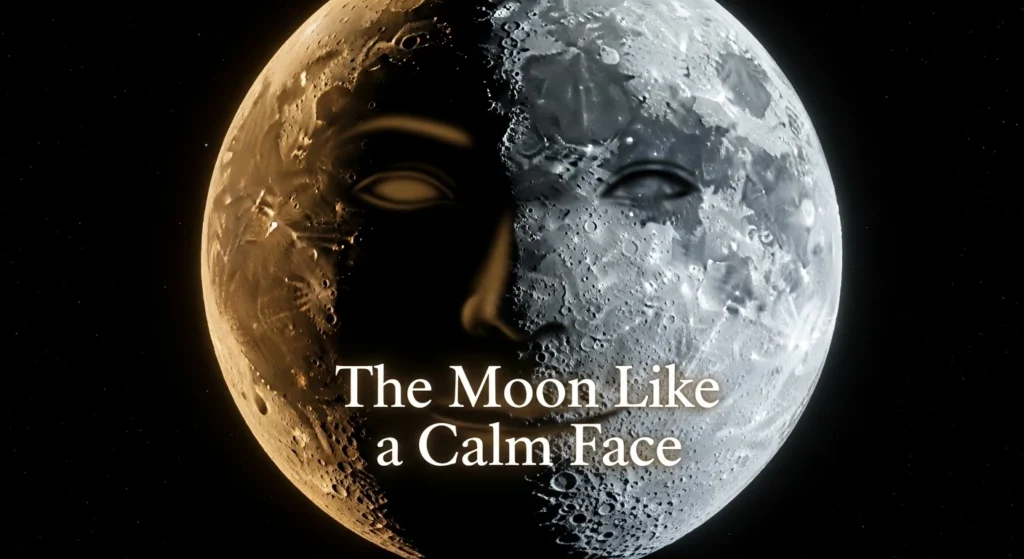
Meaning: Reflects peace and reassurance.
Usage Insight: Perfect for comforting scenes.
Examples:
- The moon looked like a calm face watching over them.
- She relaxed under the moon like a calm face above.
28. The Moon Like a Silver Path
Meaning: Symbolizes direction and movement.
Usage Insight: Great for journeys and reflection.
Examples:
- The moon laid a silver path across the water.
- He followed the moon like a silver path forward.
29. The Moon Like a Hanging Jewel
Meaning: Highlights beauty and value.
Usage Insight: Ideal for poetic descriptions.
Examples:
- The moon sparkled like a hanging jewel.
- Night wore the moon like a hanging jewel.
30. The Moon Like a Soft Echo
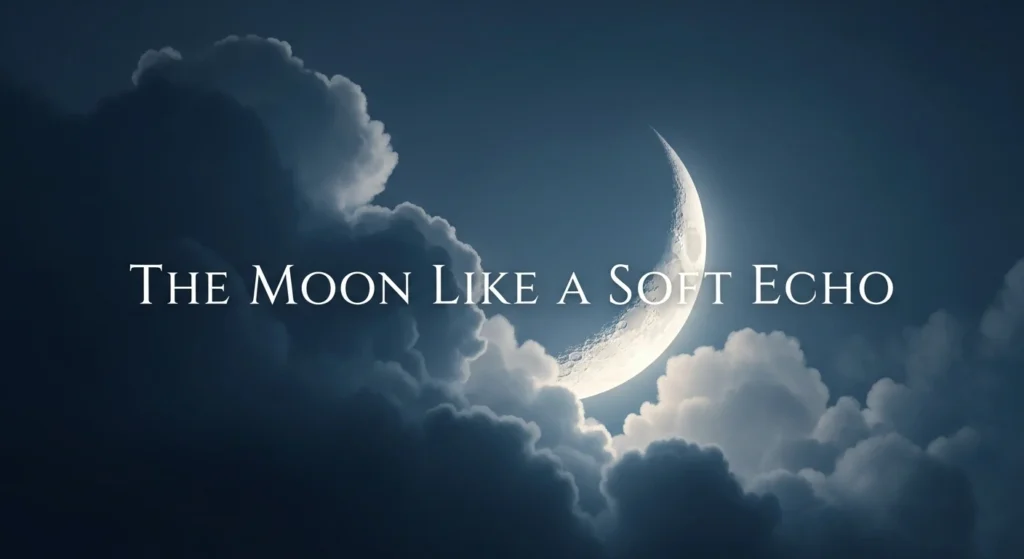
Meaning: Suggests lingering presence.
Usage Insight: Works well in emotional writing.
Examples:
- The moon felt like a soft echo of daylight.
- Silence deepened under the moon like a soft echo.
31. The Moon Like a Silver Mask
Meaning: Implies mystery and concealment.
Usage Insight: Ideal for suspense or symbolism.
Examples:
- The moon wore clouds like a silver mask.
- Shadows moved beneath the moon like a silver mask.
32. The Moon Like a Gentle Flame
Meaning: Combines warmth and light.
Usage Insight: Fits hopeful or calm scenes.
Examples:
- The moon burned like a gentle flame.
- Night softened under the moon like a gentle flame.
33. The Moon Like a Distant Friend
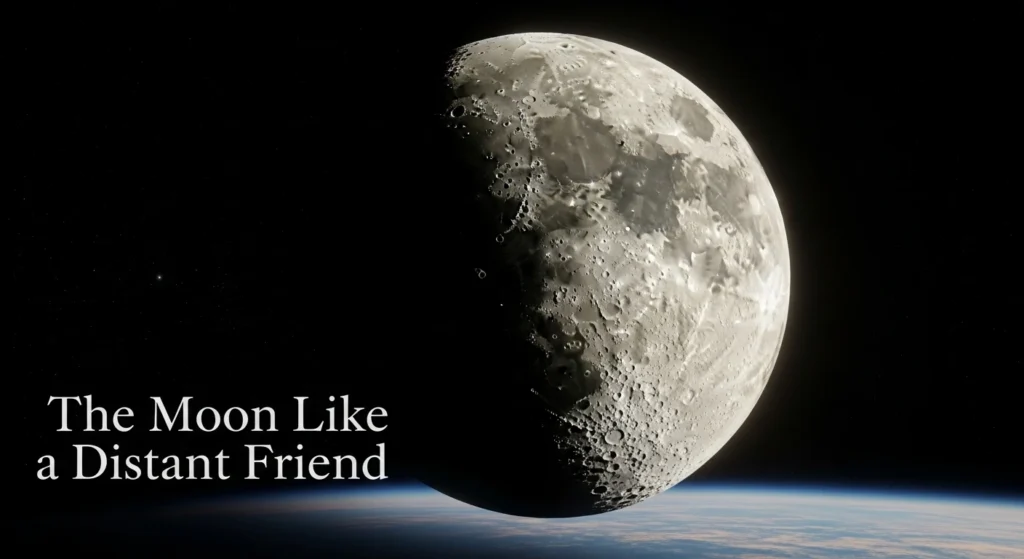
Meaning: Suggests comfort and familiarity.
Usage Insight: Works well in personal writing.
Examples:
- The moon felt like a distant friend in the sky.
- She spoke to the moon like a distant friend.
34. The Moon Like a Silent Song
Meaning: Represents quiet beauty.
Usage Insight: Ideal for poetic prose.
Examples:
- The moon rose like a silent song.
- Night listened as the moon like a silent song unfolded.
35. The Moon Like a Silver Dream
Meaning: Symbolizes imagination and wonder.
Usage Insight: Perfect for creative or lyrical writing.
Examples:
- The moon drifted like a silver dream.
- He watched the sky, lost in the moon like a silver dream.
How to Use Similes Effectively in Writing
To use similes well, always focus on clarity and emotion. Choose comparisons your readers can easily picture. In poems and songs, similes add rhythm and feeling. In stories, they help set mood and atmosphere. For essays and academic writing, similes should support ideas without sounding exaggerated. Avoid overusing similes—one strong comparison is often more powerful than many weak ones. Most importantly, make sure your simile fits the tone and purpose of your writing.
FAQs About Similes for the Moon
1. What are similes for the moon? Similes for the moon are comparisons using like or as to describe the moon’s appearance, light, or symbolism.
2. How are similes different from metaphors? Similes use like or as, while metaphors make direct comparisons without those words.
3. Are similes used in literature? Yes, similes are common in poetry, novels, and classical literature to create vivid imagery.
4. Can similes be used in academic writing? Yes, when used carefully, similes can clarify complex ideas in essays or explanations.
5. Why is the moon a popular subject for similes? The moon is universal, emotional, and visually striking, making it ideal for figurative language.
Conclusion
Similes for the moon bring language to life by turning a familiar object into a powerful image filled with emotion and meaning. Whether you’re writing poetry, stories, songs, or essays, these comparisons help readers see the moon—and your ideas—more clearly. By using well-chosen similes, you add depth, beauty, and imagination to your words. Let the moon inspire your writing, and allow these similes to illuminate your language with clarity and emotional resonance.