
Freedom is a feeling that words often struggle to hold, and that is exactly why similes matter so much. Similes help us explain big emotions by comparing them to familiar images from life and nature. In figurative language, they bring abstract ideas—like freedom—to life in a clear, visual way. Writers, poets, and students use similes to make their ideas more vivid, emotional, and memorable. Nature similes, especially, work beautifully because nature reflects human experiences so naturally. Just as trees symbolize strength, growth, resilience, wisdom, and deep human emotion, similes for freedom often draw on images of open skies, flowing water, and boundless movement to express what it truly means to be free.
What Is a Simile?
A simile is a figure of speech that compares two different things using the words “like” or “as” to make a description clearer or more expressive.
Example: Freedom felt like the open sky after a long storm.
This comparison helps readers immediately imagine the relief and openness that freedom brings.
Freedom like a bird released from a cage
Meaning: Freedom brings sudden relief and joy after confinement.
Usage Insight: Works well in emotional writing, personal essays, or poetry.
Examples:
- After years of fear, she felt free like a bird released from a cage.
- Graduation made him feel like a bird finally set free.
Freedom like the wind with no direction
Meaning: Freedom means moving without restrictions or control.
Usage Insight: Ideal for reflective or philosophical writing.
Examples:
- He wanted to live like the wind with no direction.
- Her thoughts flowed free like the wandering wind.
Freedom like an open sky at dawn
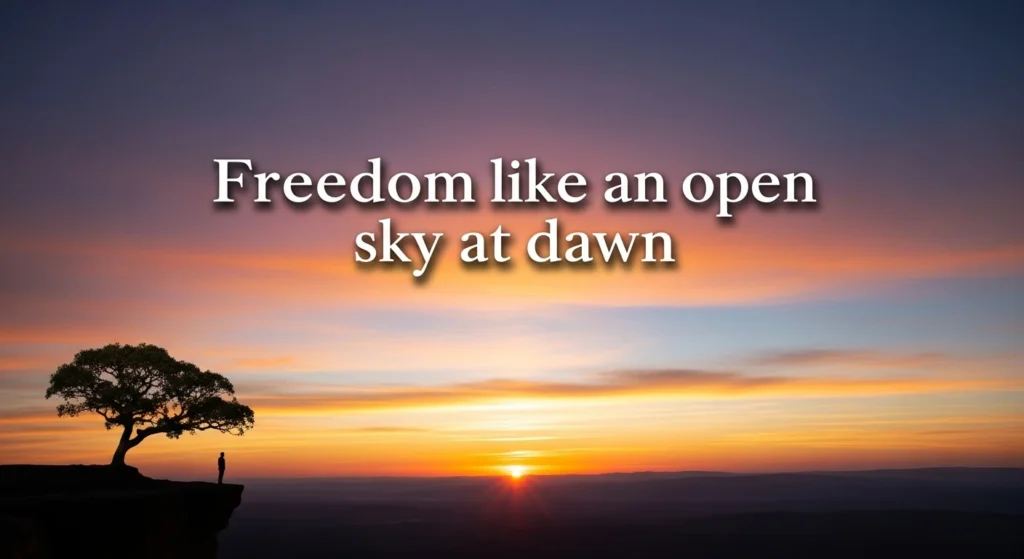
Meaning: Freedom represents new beginnings and endless possibilities.
Usage Insight: Perfect for hopeful or inspirational contexts.
Examples:
- Starting over felt like an open sky at dawn.
- Freedom stretched before her like a pale morning sky.
Freedom like a river breaking its banks
Meaning: Freedom overcomes limits and barriers.
Usage Insight: Strong in dramatic or powerful narratives.
Examples:
- His voice rose like a river breaking its banks.
- Freedom rushed through them like floodwater after rain.
Freedom like bare feet on warm grass
Meaning: Freedom feels natural, comforting, and simple.
Usage Insight: Best for gentle, sensory descriptions.
Examples:
- Summer freedom felt like bare feet on warm grass.
- She loved life’s small freedoms, like walking barefoot outside.
Freedom like a kite in the blue
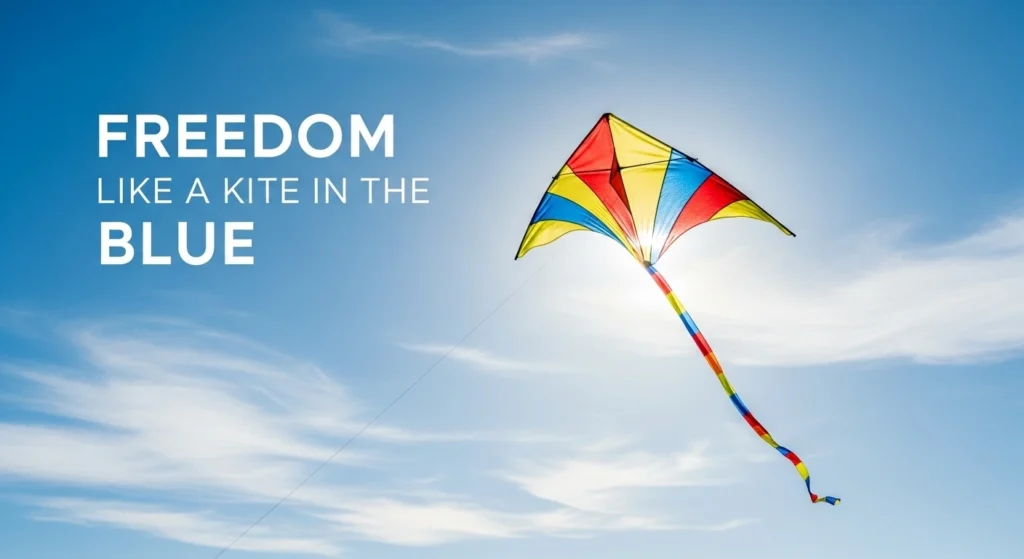
Meaning: Freedom allows joyful movement guided by choice.
Usage Insight: Great for childhood memories or light writing.
Examples:
- His dreams rose like a kite in the blue.
- Freedom lifted her spirit like a dancing kite.
Freedom like leaves dancing in autumn air
Meaning: Freedom involves graceful change and release.
Usage Insight: Useful in poetic or seasonal imagery.
Examples:
- She embraced change like leaves dancing in autumn air.
- Freedom arrived gently, like drifting leaves.
Freedom like waves rolling endlessly
Meaning: Freedom has no fixed endpoint.
Usage Insight: Works well in philosophical or ocean imagery.
Examples:
- His thoughts moved like endless waves.
- Freedom felt vast, like the sea itself.
Freedom like sunlight through open windows
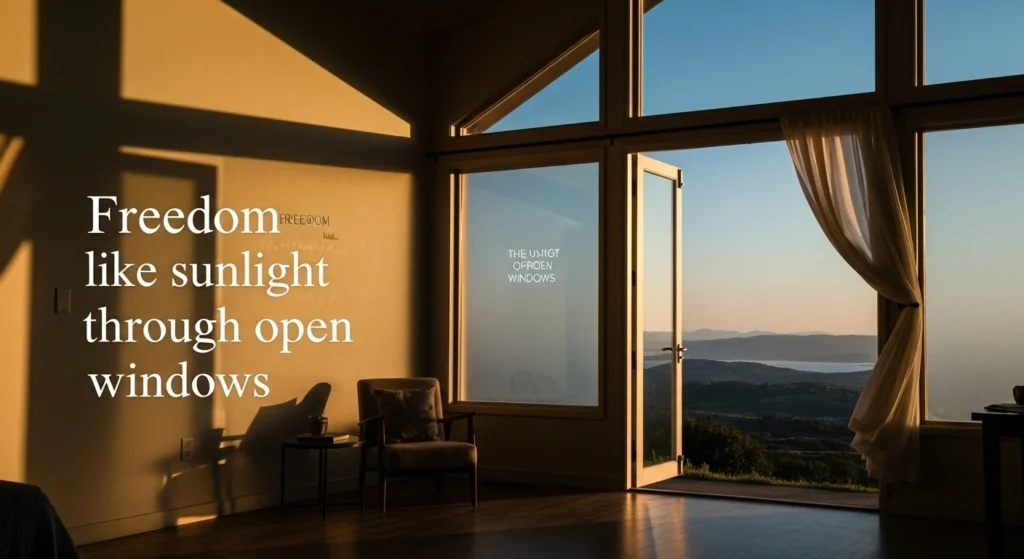
Meaning: Freedom brings warmth and clarity.
Usage Insight: Effective in hopeful or healing writing.
Examples:
- Truth poured in like sunlight through open windows.
- Freedom brightened her life instantly.
Freedom like running with no finish line
Meaning: Freedom means movement without pressure.
Usage Insight: Good for motivational or sports metaphors.
Examples:
- Life felt better once he stopped racing toward approval.
- Freedom was running with no finish line.
Freedom like a door left unlocked
Meaning: Freedom offers opportunity and choice.
Usage Insight: Useful in essays about independence.
Examples:
- Education left doors unlocked for him.
- Freedom waited like an open door.
Freedom like clouds drifting without weight
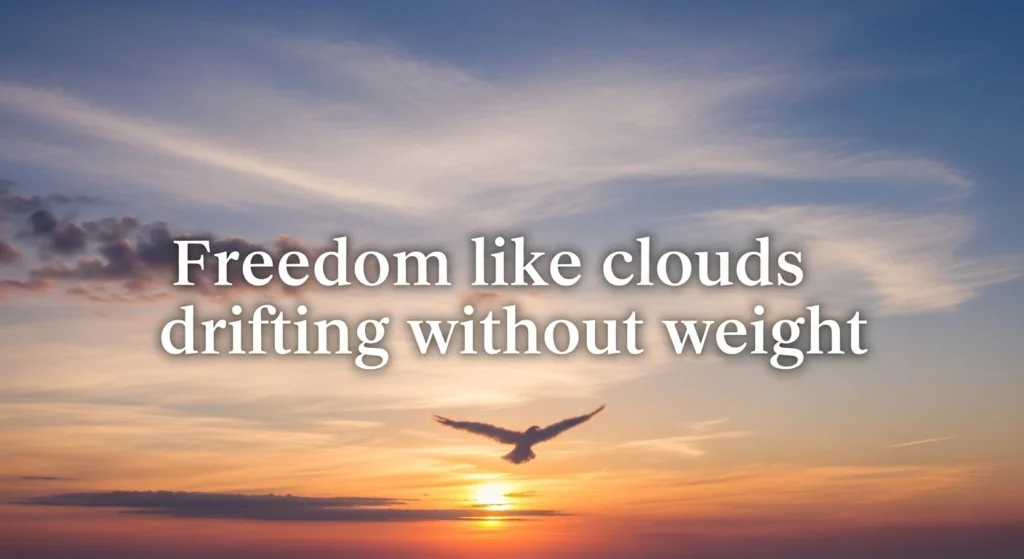
Meaning: Freedom is light and unburdened.
Usage Insight: Ideal for calm, dreamy descriptions.
Examples:
- Her worries floated away like clouds.
- Freedom made his mind feel lighter.
Freedom like a wild horse on open land
Meaning: Freedom is powerful and untamed.
Usage Insight: Strong in bold, emotional writing.
Examples:
- His spirit ran wild like a free horse.
- Freedom surged through her veins.
Freedom like breathing after holding your breath
Meaning: Freedom brings relief after struggle.
Usage Insight: Works well in personal stories.
Examples:
- Speaking the truth felt like breathing again.
- Freedom came as a deep release.
Freedom like a path with no fences
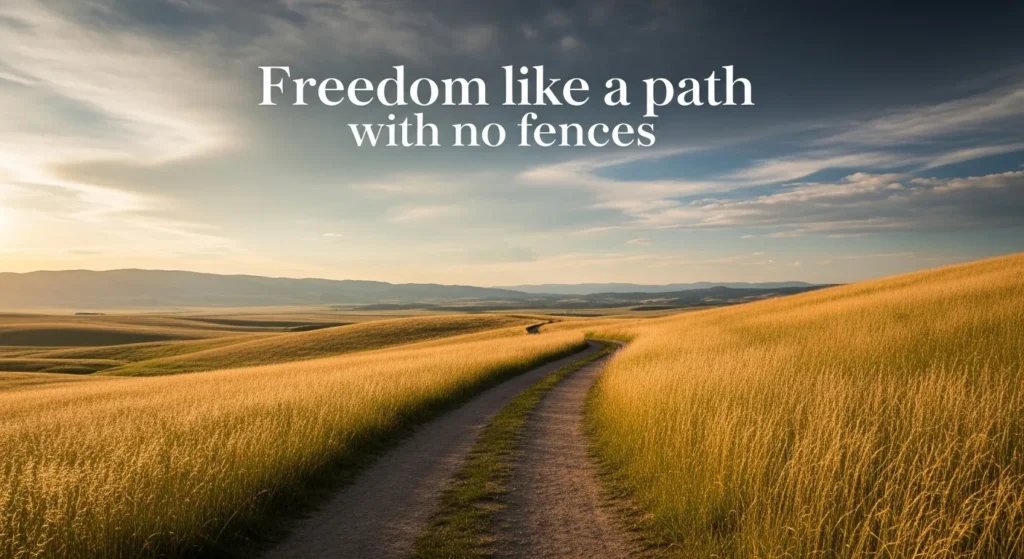
Meaning: Freedom removes limitations.
Usage Insight: Great for symbolic storytelling.
Examples:
- He chose a path with no fences.
- Freedom stretched wide before her.
Freedom like rain washing dust away
Meaning: Freedom cleanses emotional burdens.
Usage Insight: Useful in healing or reflective writing.
Examples:
- Forgiveness washed over him like rain.
- Freedom cleared her heart.
Freedom like a sail catching wind
Meaning: Freedom enables forward movement.
Usage Insight: Ideal for goal-driven narratives.
Examples:
- Opportunity filled his sails.
- Freedom pushed her onward.
Freedom like stars in an endless sky
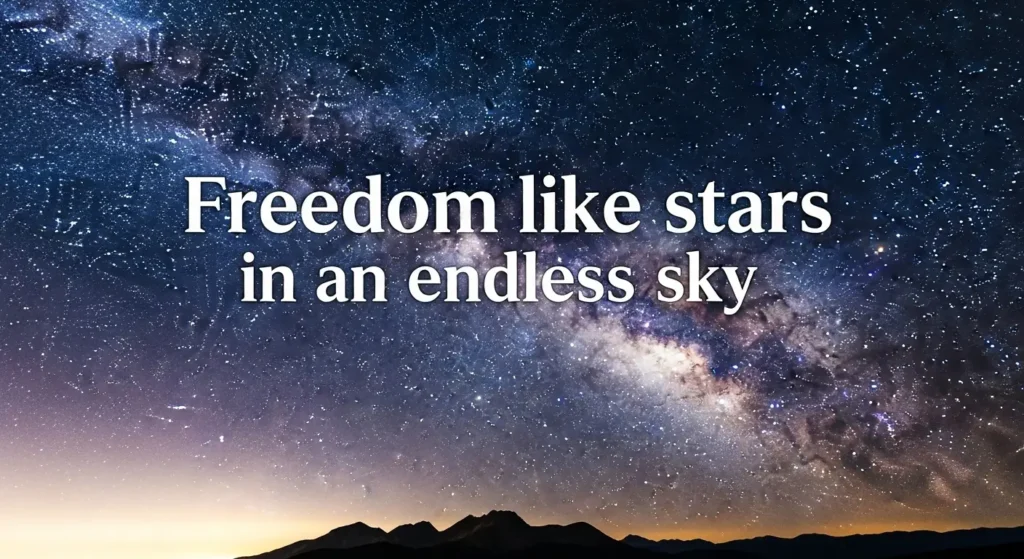
Meaning: Freedom is vast and limitless.
Usage Insight: Perfect for poetic imagery.
Examples:
- Dreams glittered like stars.
- Freedom felt infinite.
Freedom like walking without a shadow of fear
Meaning: Freedom removes anxiety.
Usage Insight: Best for emotional or serious writing.
Examples:
- She finally lived without fear.
- Freedom meant peace.
Freedom like a song without a chorus
Meaning: Freedom avoids repetition or rules.
Usage Insight: Great for creative writing.
Examples:
- His life played freely.
- Freedom sang differently.
Freedom like dawn after a long night
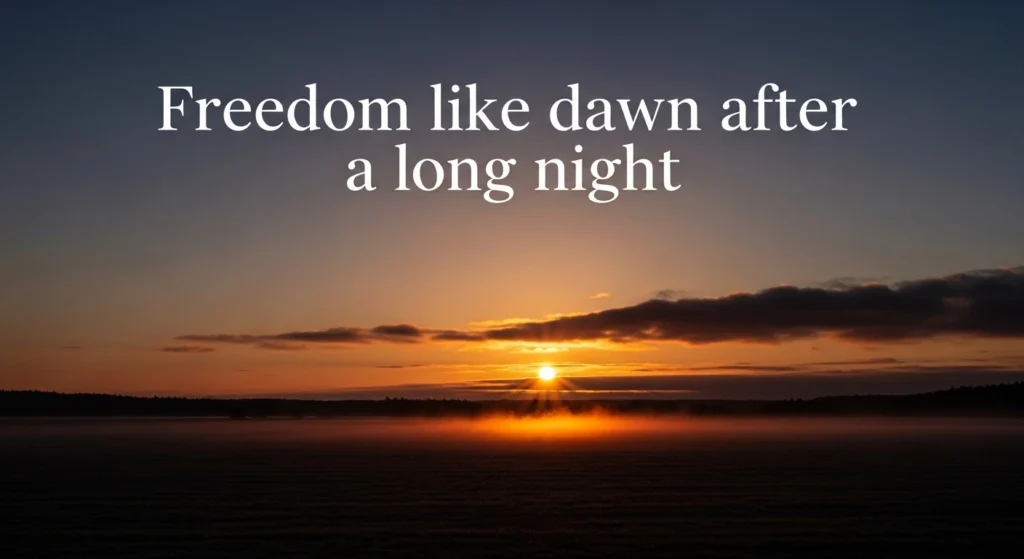
Meaning: Freedom brings hope after hardship.
Usage Insight: Effective in inspirational writing.
Examples:
- Change arrived like dawn.
- Freedom ended the darkness.
Freedom like water slipping through fingers
Meaning: Freedom is precious and fleeting.
Usage Insight: Works in reflective pieces.
Examples:
- He learned to value freedom.
- It vanished too quickly.
Freedom like a road with no map
Meaning: Freedom allows self-discovery.
Usage Insight: Ideal for journeys or memoirs.
Examples:
- She traveled without a plan.
- Freedom led the way.
Freedom like flying above borders
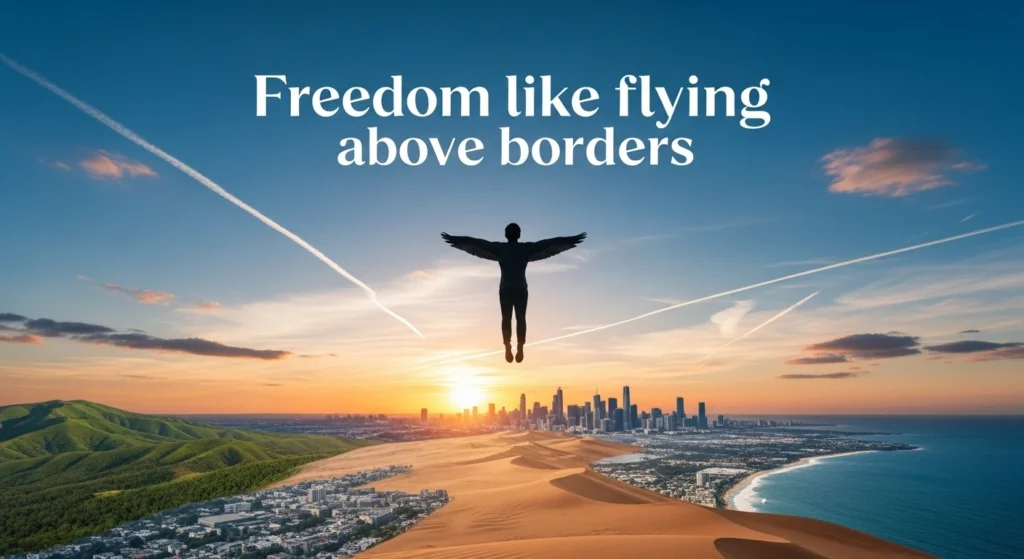
Meaning: Freedom rises beyond limits.
Usage Insight: Strong in global or social themes.
Examples:
- Art crossed borders.
- Freedom ignored boundaries.
Freedom like snow untouched by footprints
Meaning: Freedom is pure and new.
Usage Insight: Beautiful in descriptive prose.
Examples:
- The future felt untouched.
- Freedom sparkled fresh.
Freedom like laughter without restraint
Meaning: Freedom is emotional openness.
Usage Insight: Best for joyful writing.
Examples:
- She laughed freely.
- Freedom sounded happy.
Freedom like climbing above the clouds
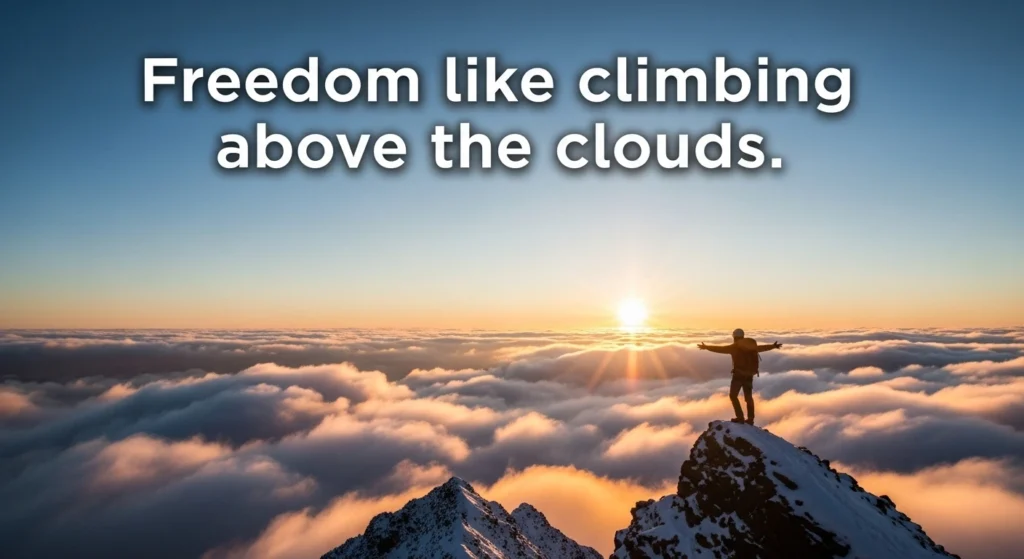
Meaning: Freedom offers perspective.
Usage Insight: Works well in motivational writing.
Examples:
- Success lifted him higher.
- Freedom cleared his view.
Freedom like an untied knot
Meaning: Freedom releases tension.
Usage Insight: Useful for emotional resolution.
Examples:
- Her chest felt lighter.
- Freedom eased the strain.
Freedom like fire spreading naturally
Meaning: Freedom grows unstoppable.
Usage Insight: Strong for powerful imagery.
Examples:
- Ideas spread quickly.
- Freedom ignited change.
Freedom like walking into the sea
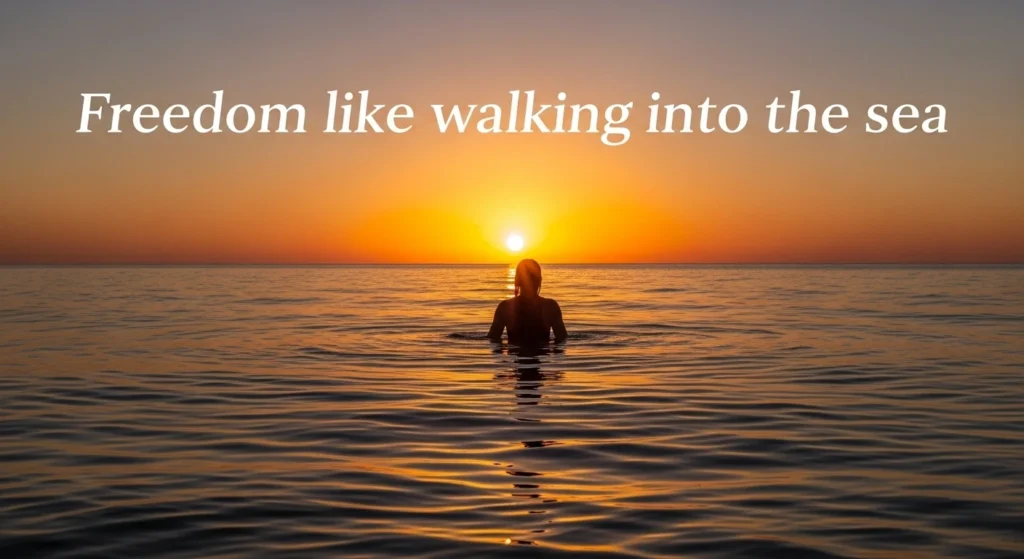
Meaning: Freedom is immersive and bold.
Usage Insight: Great for dramatic scenes.
Examples:
- He stepped into life boldly.
- Freedom surrounded her.
Freedom like branches stretching toward light
Meaning: Freedom supports growth and hope.
Usage Insight: Excellent nature simile for essays.
Examples:
- She grew toward opportunity.
- Freedom nurtured growth.
Freedom like silence after chaos
Meaning: Freedom brings peace.
Usage Insight: Ideal for contrast-heavy writing.
Examples:
- Calm followed struggle.
- Freedom felt quiet.
Freedom like air filling empty lungs
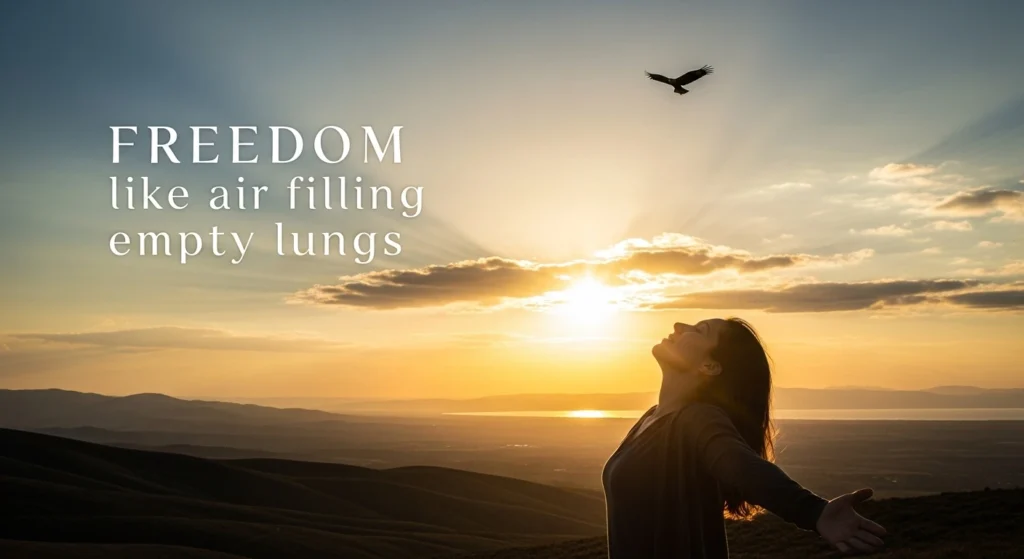
Meaning: Freedom is essential to life.
Usage Insight: Powerful in emotional narratives.
Examples:
- Expression saved him.
- Freedom kept her alive.
Freedom like horizons that never end
Meaning: Freedom offers limitless futures.
Usage Insight: Perfect for concluding imagery.
Examples:
- His future felt wide.
- Freedom had no end.
How to Use Similes Effectively in Writing
To use similes effectively, choose comparisons your readers can easily imagine. In poems and songs, aim for emotional impact and rhythm. In stories and essays, use similes to clarify feelings or ideas without overloading the text. Nature similes work especially well because they feel universal and timeless. Always make sure your simile strengthens meaning rather than distracting from it.
FAQs
What are similes for freedom? Similes for freedom are comparisons that describe the feeling of being free using “like” or “as.”
What is the difference between similes and metaphors? Similes use “like” or “as,” while metaphors state the comparison directly.
Why are similes important in figurative language? They make abstract ideas clearer, more vivid, and emotionally engaging.
Can similes be used in academic writing? Yes, when used carefully, similes can clarify complex ideas.
Are nature similes effective for creative writing? Absolutely. Nature similes feel relatable and timeless.
Conclusion
Similes for freedom help transform an abstract idea into something readers can see, feel, and understand. By using clear comparisons drawn from nature and everyday life, these similes add imagery, clarity, and emotional depth to language. Whether in poetry, stories, essays, or songs, they allow writers to express freedom with beauty and power. When chosen thoughtfully, similes turn simple words into experiences that stay with the reader long after the final line.