
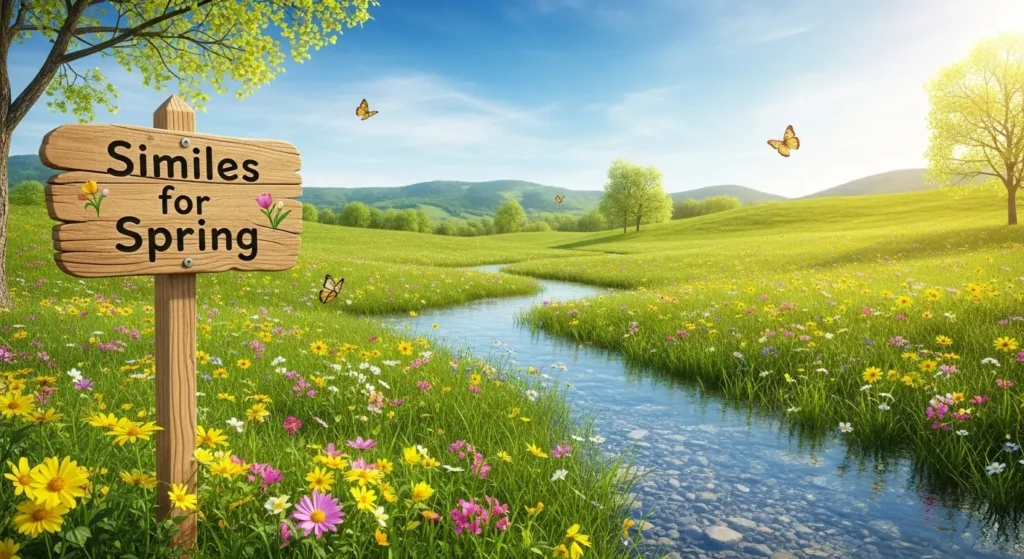
Spring is the season of renewal, color, and quiet magic, and writers often turn to similes for spring to capture its beauty with clarity and emotion. A simile is a simple comparison that uses words like “as” or “like” to make descriptions more vivid and relatable. In figurative language, similes help readers see, feel, and experience ideas rather than just understand them. Nature similes are especially powerful because they connect human emotions with the natural world. Just as trees symbolize strength, growth, resilience, and wisdom, spring itself reflects hope, fresh beginnings, and emotional awakening. Through carefully chosen comparisons, spring becomes more than a season—it becomes a feeling. This article explores rich, original similes that bring spring to life through imagery and meaning. Whether you write poetry, stories, essays, or songs, these comparisons will help your words bloom.
What Is a Simile?
A simile is a figure of speech that compares two different things using words such as like or as to make an idea clearer or more vivid.
Example: Spring spreads across the land like a soft green whisper, gentle yet impossible to ignore.
This comparison helps readers imagine how quietly and beautifully spring arrives.
35 Beautiful Similes for Spring
Spring is like a painter waking from sleep
Meaning: Spring brings color and creativity back to the world.
Usage Insight: Perfect for artistic or descriptive writing about landscapes.
Examples:
- Spring moved across the hills like a painter waking from sleep.
- The fields looked newly imagined as spring worked its colors.
Spring feels like a deep breath after silence
Meaning: It represents relief and renewal after hardship.
Usage Insight: Works well in emotional or reflective writing.
Examples:
- After winter, spring felt like a deep breath after silence.
- The town exhaled as spring finally arrived.
Spring blooms like hope learning to smile
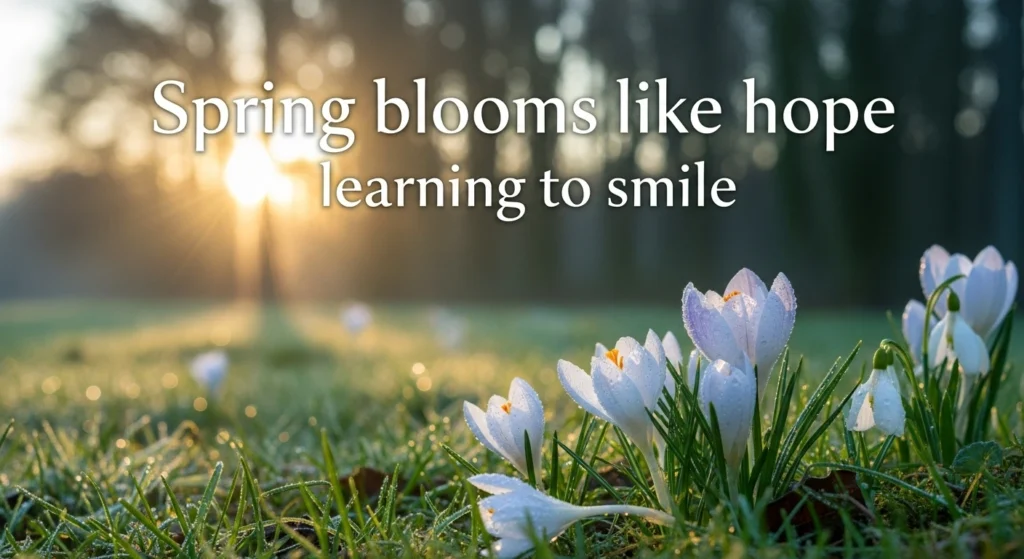
Meaning: Spring symbolizes optimism and emotional healing.
Usage Insight: Ideal for poetic or inspirational pieces.
Examples:
- The garden bloomed like hope learning to smile.
- Spring arrived quietly, like hope finding its voice.
Spring moves like a child running barefoot
Meaning: It suggests freedom, joy, and natural energy.
Usage Insight: Great for lively, joyful descriptions.
Examples:
- Spring raced through the fields like a child running barefoot.
- The season felt playful and unrestrained.
Spring glows like a promise kept
Meaning: Spring fulfills the expectation of renewal.
Usage Insight: Strong for reflective or symbolic writing.
Examples:
- The sunrise glowed like a promise kept by spring.
- Flowers opened as if trust had been rewarded.
Spring arrives like music returning to a quiet room

Meaning: Life and energy return gently.
Usage Insight: Works well in lyrical prose.
Examples:
- Birds sang as spring arrived like music returning to a quiet room.
- The silence of winter slowly lifted.
Spring spreads like laughter among old friends
Meaning: It brings shared joy and warmth.
Usage Insight: Perfect for human-centered nature writing.
Examples:
- Spring spread like laughter among old friends.
- The air felt lighter with every passing day.
Spring shines like dew on new leaves
Meaning: It reflects freshness and purity.
Usage Insight: Best for visual imagery.
Examples:
- Morning light made spring shine like dew on new leaves.
- Everything felt clean and untouched.
Spring unfolds like a story being retold
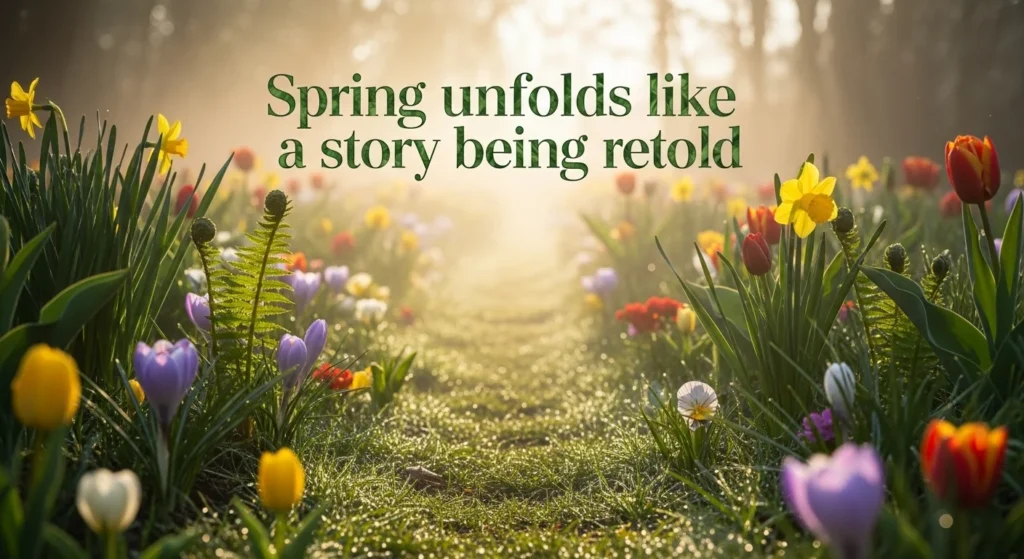
Meaning: The season feels familiar yet exciting.
Usage Insight: Works well in reflective essays.
Examples:
- Spring unfolded like a story being retold.
- Each bloom felt both new and remembered.
Spring feels like kindness finding form
Meaning: Spring expresses gentleness and care.
Usage Insight: Ideal for emotional descriptions.
Examples:
- The warm breeze felt like kindness finding form.
- Spring softened even the hardest edges.
Spring dances like sunlight through branches
Meaning: It suggests movement and lightness.
Usage Insight: Excellent for poetic imagery.
Examples:
- Spring danced like sunlight through branches.
- Shadows and light played together.
Spring wakes the earth like a loving call
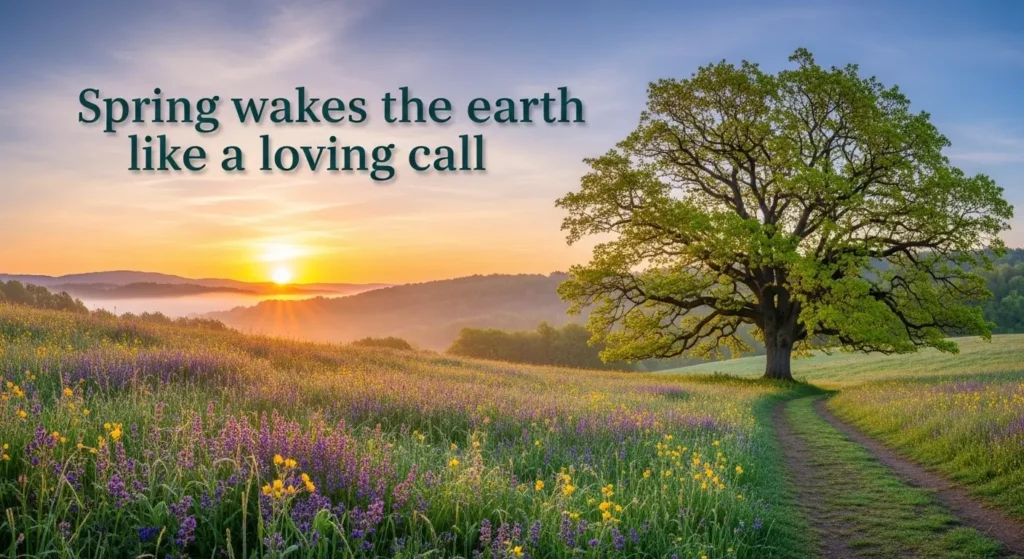
Meaning: It gently stirs life back into motion.
Usage Insight: Great for symbolic writing.
Examples:
- Spring woke the earth like a loving call.
- Seeds stirred beneath the soil.
Spring flows like a river freed from ice
Meaning: It represents release and motion.
Usage Insight: Works well for transition scenes.
Examples:
- Energy returned like a river freed from ice.
- Life rushed forward again.
Spring smells like memories coming home
Meaning: Scents trigger nostalgia and comfort.
Usage Insight: Ideal for sensory writing.
Examples:
- The air smelled like memories coming home.
- Old feelings returned with the breeze.
Spring warms the soul like morning tea
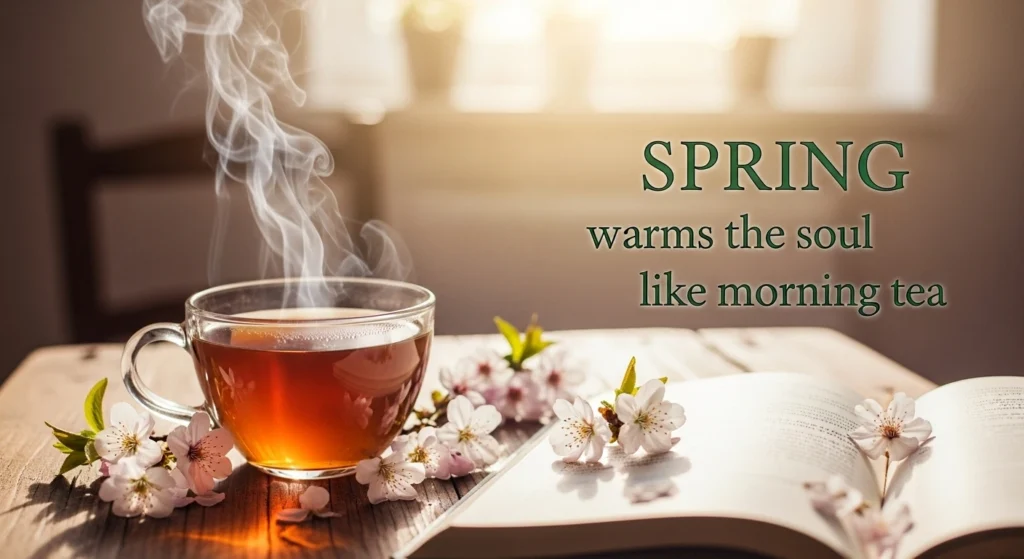
Meaning: It brings comfort and calm joy.
Usage Insight: Best for gentle, cozy tones.
Examples:
- Spring warmed the soul like morning tea.
- The chill slowly faded away.
Spring grows like confidence after doubt
Meaning: It symbolizes personal growth.
Usage Insight: Strong for motivational writing.
Examples:
- Spring grew like confidence after doubt.
- Green shoots stood taller each day.
Spring opens like a letter of good news
Meaning: It brings happiness and relief.
Usage Insight: Works well in narrative prose.
Examples:
- Spring opened like a letter of good news.
- Smiles followed its arrival.
Spring hums like bees learning joy
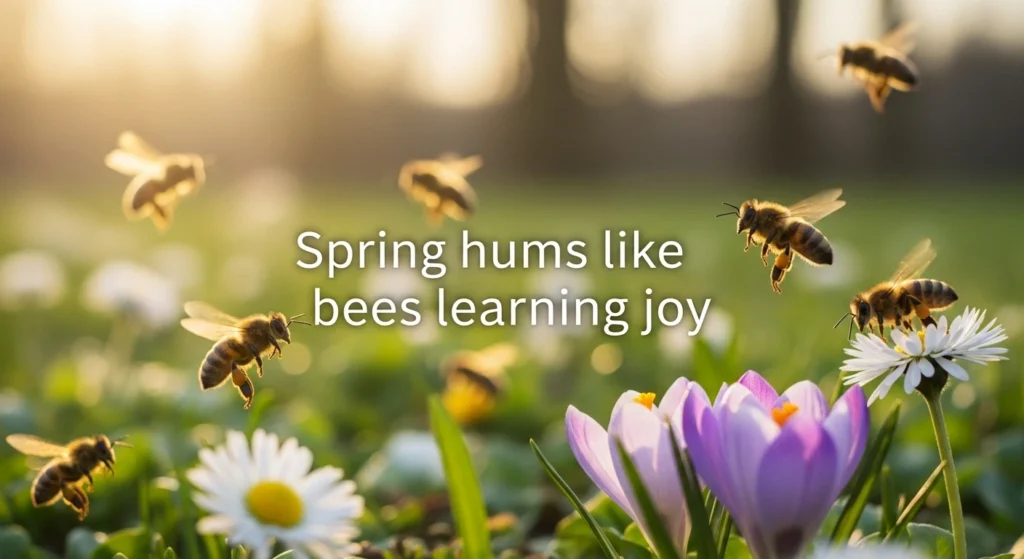
Meaning: Life buzzes with gentle energy.
Usage Insight: Great for lively descriptions.
Examples:
- Spring hummed like bees learning joy.
- The garden came alive.
Spring feels like forgiveness in the air
Meaning: It represents emotional release.
Usage Insight: Ideal for reflective themes.
Examples:
- Spring felt like forgiveness in the air.
- Old heaviness drifted away.
Spring shines like a fresh start
Meaning: It symbolizes new beginnings.
Usage Insight: Useful in essays and stories.
Examples:
- Spring shone like a fresh start.
- Everything felt possible again.
Spring spreads color like joy spilling over
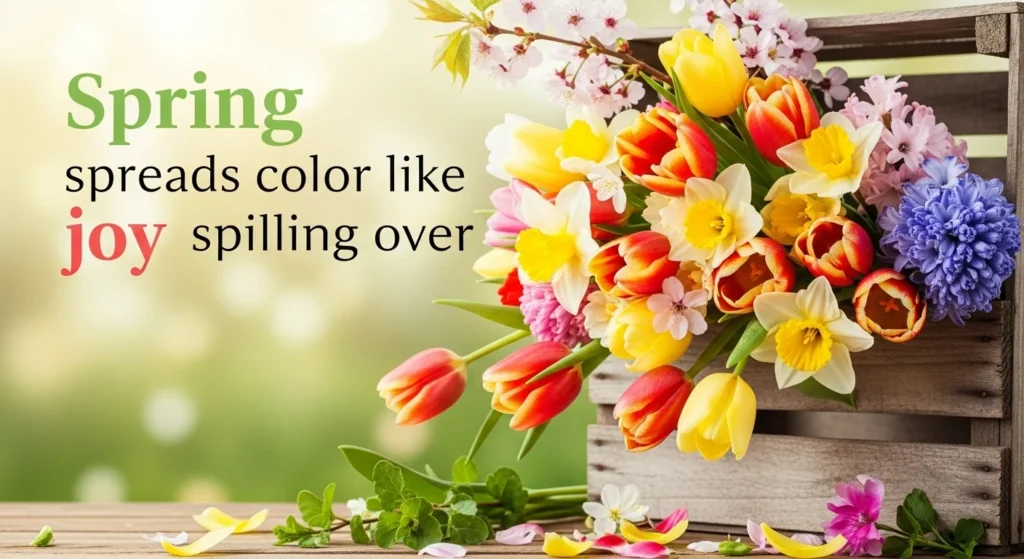
Meaning: Happiness becomes visible everywhere.
Usage Insight: Best for vibrant imagery.
Examples:
- Spring spread color like joy spilling over.
- Even quiet corners bloomed.
Spring whispers like secrets shared with earth
Meaning: It arrives gently and intimately.
Usage Insight: Perfect for poetic writing.
Examples:
- Spring whispered like secrets shared with earth.
- The soil listened patiently.
Spring stands like youth returning
Meaning: It reflects vitality and energy.
Usage Insight: Strong for symbolic comparisons.
Examples:
- Spring stood like youth returning.
- The land felt alive again.
Spring rises like faith after loss
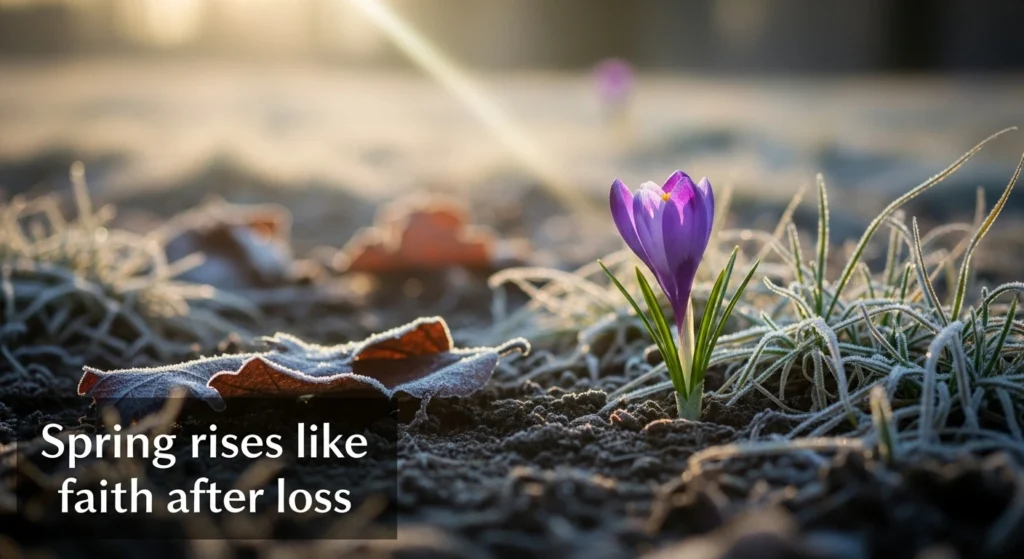
Meaning: It shows resilience and hope.
Usage Insight: Ideal for emotional narratives.
Examples:
- Spring rose like faith after loss.
- Green pushed through gray.
Spring glides like clouds across blue skies
Meaning: It suggests calm and ease.
Usage Insight: Best for serene scenes.
Examples:
- Days passed as spring glided gently.
- Time felt softer.
Spring blooms like courage in quiet hearts
Meaning: Growth happens silently but powerfully.
Usage Insight: Perfect for inspirational writing.
Examples:
- Spring bloomed like courage in quiet hearts.
- Strength showed in small ways.
Spring moves like patience rewarded
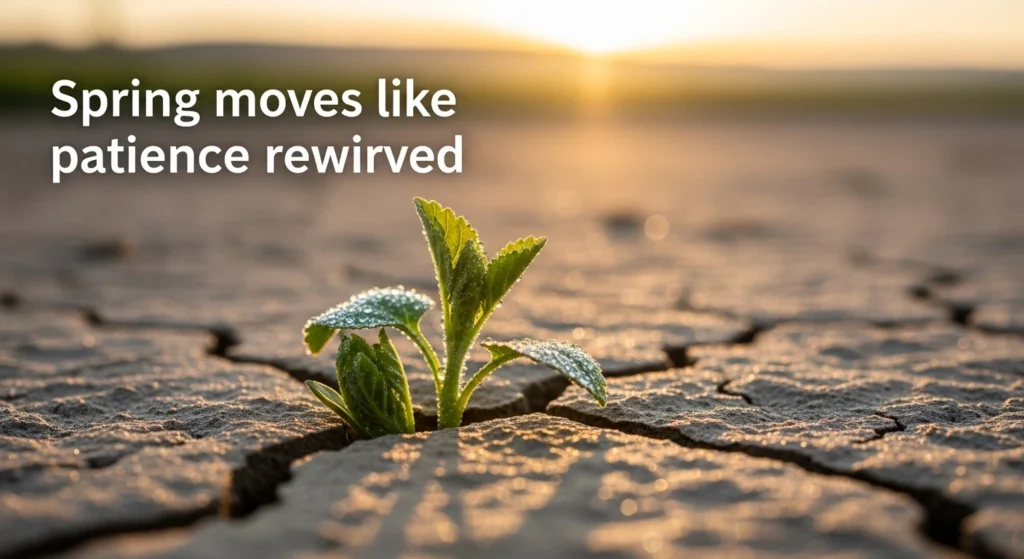
Meaning: Waiting leads to beauty.
Usage Insight: Works well in reflective prose.
Examples:
- Spring moved like patience rewarded.
- The wait suddenly made sense.
Spring smiles like sunlight on water
Meaning: It reflects warmth and joy.
Usage Insight: Ideal for gentle imagery.
Examples:
- Spring smiled like sunlight on water.
- Everything shimmered softly.
Spring breathes like the earth forgiven
Meaning: Nature heals and renews itself.
Usage Insight: Great for symbolic nature writing.
Examples:
- Spring breathed like the earth forgiven.
- Life returned quietly.
Spring glows like dreams waking up
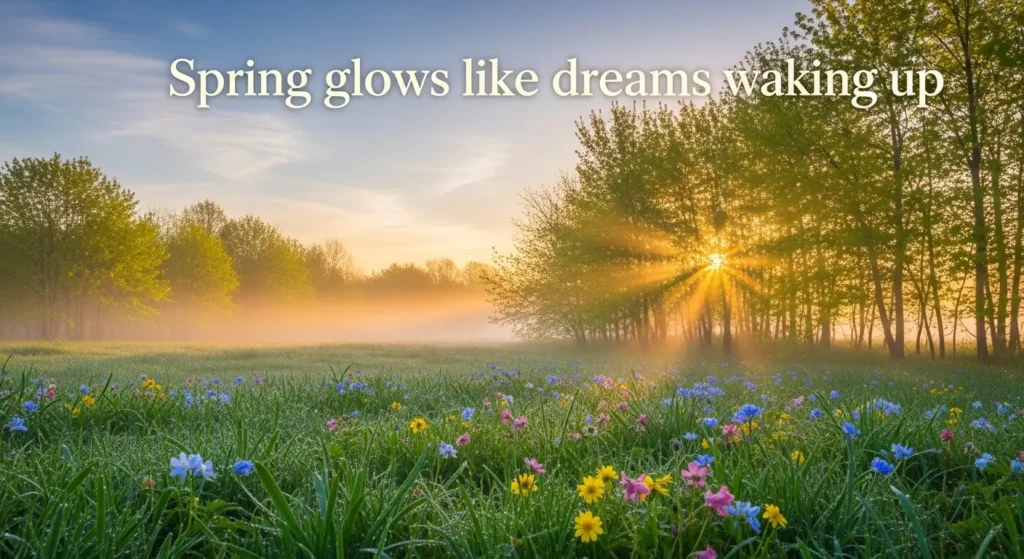
Meaning: Aspirations feel alive again.
Usage Insight: Best for creative writing.
Examples:
- Spring glowed like dreams waking up.
- Possibilities felt close.
Spring unfolds like petals learning trust
Meaning: Growth requires openness.
Usage Insight: Perfect for poetic symbolism.
Examples:
- Spring unfolded like petals learning trust.
- The world opened slowly.
Spring humbles winter like warmth winning
Meaning: Life overcomes cold and hardship.
Usage Insight: Works well in contrast-based writing.
Examples:
- Spring humbled winter like warmth winning.
- Ice gave way to green.
Spring lingers like a kind thought
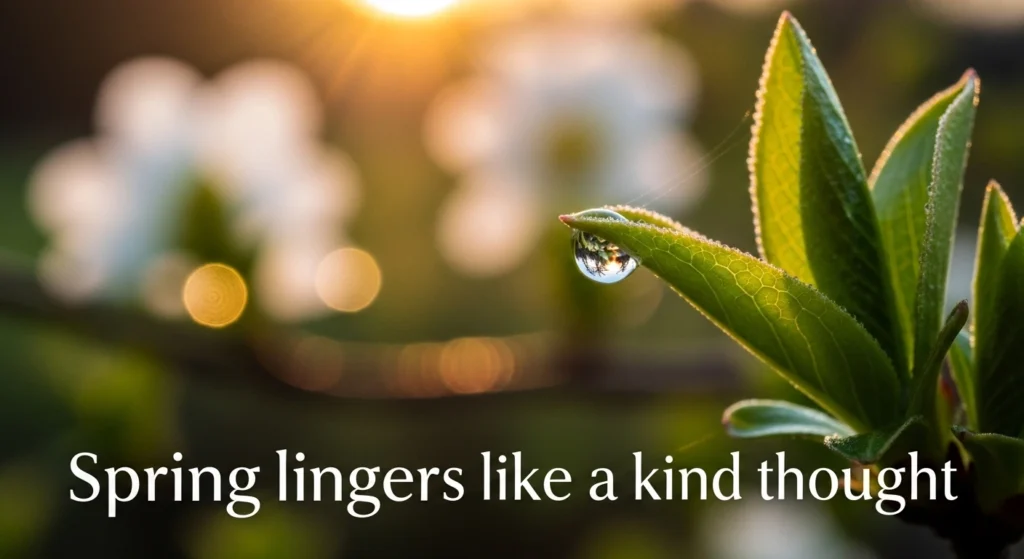
Meaning: Its presence feels gentle and lasting.
Usage Insight: Ideal for soft endings.
Examples:
- Spring lingered like a kind thought.
- The feeling stayed.
Spring shines like tomorrow arriving early
Meaning: It brings future hope into the present.
Usage Insight: Strong for uplifting conclusions.
Examples:
- Spring shone like tomorrow arriving early.
- Hope felt close enough to touch.
How to Use Similes Effectively in Writing
To use similes well, focus on clarity and emotion. Choose comparisons that feel natural and familiar to your audience. In poems, similes add rhythm and imagery. In stories, they reveal mood and character perspective. In essays, they clarify abstract ideas. Songs benefit from simple, emotional comparisons, while creative descriptions thrive on sensory detail. Avoid overusing similes—one strong comparison is often more powerful than many weak ones. Always ask whether the simile deepens meaning or sharpens the image.
FAQs
What are similes for spring? They are comparisons using like or as to describe spring’s beauty, emotions, and changes.
How are similes different from metaphors? Similes compare directly using like or as, while metaphors state one thing is another.
Can similes be used in academic writing? Yes, when used carefully, similes can clarify ideas and improve readability.
Why are nature similes so effective? They connect human emotions to shared natural experiences.
Are similes common in literature? Yes, similes in literature are widely used to create vivid imagery and emotional depth.
Conclusion
Similes for spring transform simple descriptions into rich, emotional experiences. By using clear comparisons, writers add imagery, warmth, and meaning to their language. Spring similes help readers feel renewal, growth, and hope in a deeply human way. Whether used in poetry, stories, essays, or everyday writing, these figurative language examples bring clarity and beauty to expression. When chosen thoughtfully, similes do more than decorate language—they make it come alive, just like spring itself.