
Similes are one of the most exciting tools in language learning because they turn ordinary sentences into vivid pictures. By comparing one thing to another using words like “as” or “like,” similes help students understand ideas more clearly and imaginatively. They are an essential part of figurative language and play a big role in stories, poems, essays, and even daily conversation. In classrooms, similes worksheets for grade levels help learners build strong descriptive skills step by step. Nature similes—especially those connected to trees—are particularly powerful because trees symbolize strength, growth, resilience, wisdom, and deep human emotion. Just like people, trees bend, grow, endure storms, and stand tall over time. This article is designed to support students, teachers, and parents with rich, meaningful examples that are easy to understand and fun to use.
What Is a Simile?
A simile is a figure of speech that compares two different things using the words “like” or “as” to make descriptions more vivid and clear.
Example: Her patience was like a deep-rooted tree, steady through every storm.
This comparison helps readers imagine patience as something strong and lasting.
1. Strong as a deeply rooted tree
Meaning: Shows great strength and stability.
Usage Insight: Works well when describing emotional or moral strength.
Examples:
- She stayed strong as a deeply rooted tree during hard times.
- His values were strong as a deeply rooted tree.
2. Tall like a proud oak
Meaning: Describes dignity and confidence.
Usage Insight: Ideal for character descriptions in stories.
Examples:
- He stood tall like a proud oak before the crowd.
- The leader remained tall like a proud oak under pressure.
3. Flexible as a willow in the wind

Meaning: Able to adapt and adjust easily.
Usage Insight: Useful for themes of resilience and adaptability.
Examples:
- She was flexible as a willow in the wind when plans changed.
- Life demands us to be flexible as a willow in the wind.
4. Steady like an ancient tree
Meaning: Calm, reliable, and dependable.
Usage Insight: Perfect for describing trustworthy people.
Examples:
- His advice was steady like an ancient tree.
- She remained steady like an ancient tree in chaos.
5. Growing like a young sapling
Meaning: Developing slowly and positively.
Usage Insight: Best for learning and personal growth.
Examples:
- His confidence grew like a young sapling.
- Her skills are growing like a young sapling.
6. Silent as a forest at dawn
Meaning: Very quiet and peaceful.
Usage Insight: Excellent for setting scenes in literature.
Examples:
- The room was silent as a forest at dawn.
- The class became silent as a forest at dawn.
7. Wise like an old banyan tree
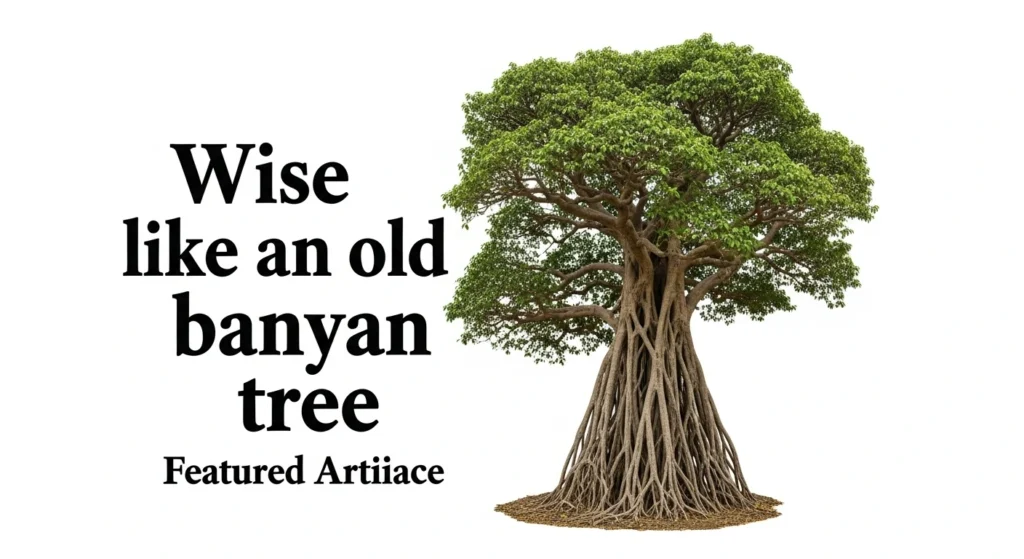
Meaning: Full of knowledge and experience.
Usage Insight: Great for elders or mentors in writing.
Examples:
- The teacher was wise like an old banyan tree.
- His words were wise like an old banyan tree.
8. Firm as a tree trunk
Meaning: Strong and unshakable.
Usage Insight: Fits well in motivational writing.
Examples:
- Her decision was firm as a tree trunk.
- He stood firm as a tree trunk.
9. Calm like leaves in still air
Meaning: Peaceful and relaxed.
Usage Insight: Useful in emotional descriptions.
Examples:
- She felt calm like leaves in still air.
- His voice was calm like leaves in still air.
10. Patient as a growing tree
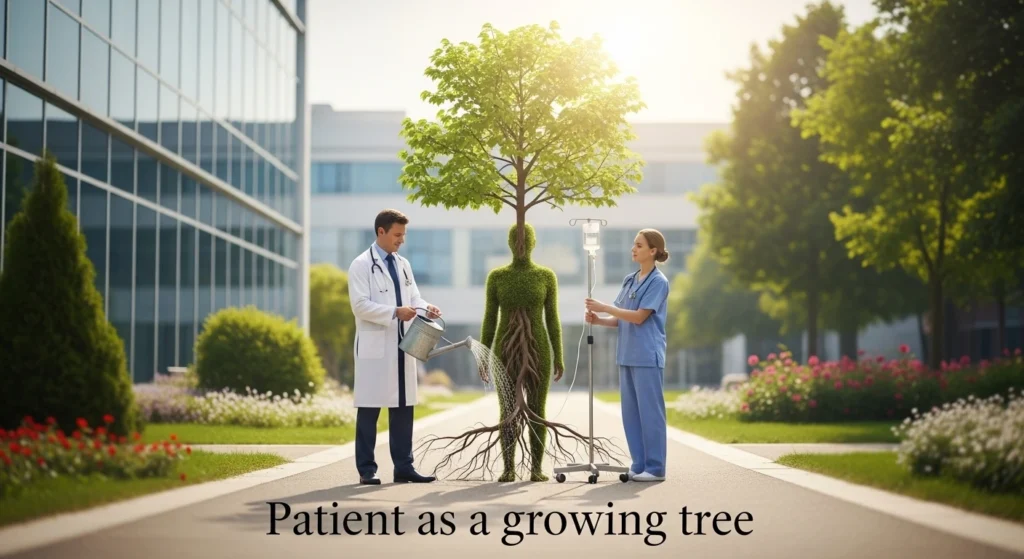
Meaning: Willing to wait and endure.
Usage Insight: Ideal for moral lessons.
Examples:
- Success requires being patient as a growing tree.
- She waited patiently, patient as a growing tree.
11. Resilient like a storm-bent tree
Meaning: Able to recover after hardship.
Usage Insight: Strong for inspirational essays.
Examples:
- He rose resilient like a storm-bent tree.
- Communities can be resilient like a storm-bent tree.
12. Grounded as tree roots
Meaning: Emotionally balanced and realistic.
Usage Insight: Good for character development.
Examples:
- She stayed grounded as tree roots.
- His mindset remained grounded as tree roots.
13. Hopeful like spring blossoms
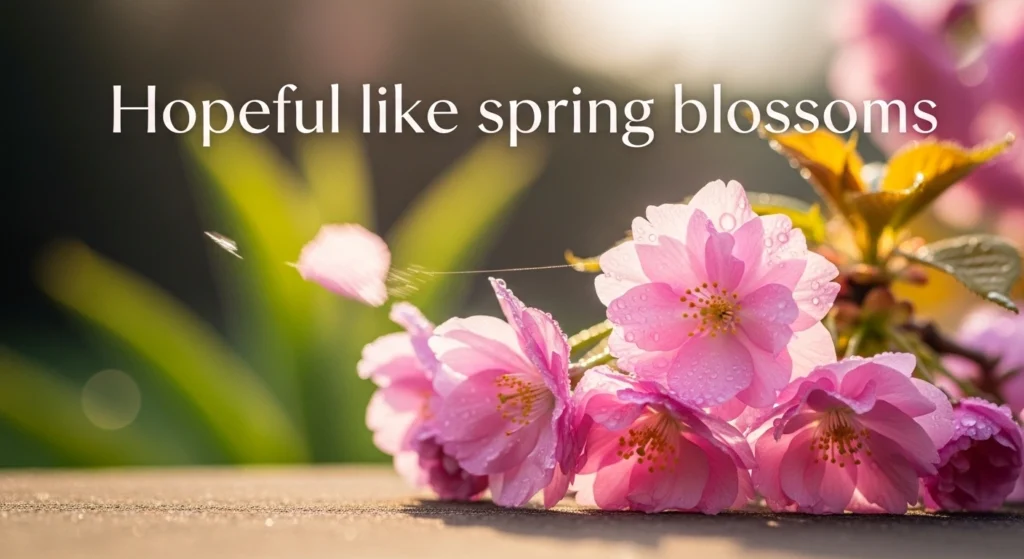
Meaning: Full of optimism and new beginnings.
Usage Insight: Great for positive themes.
Examples:
- Her smile was hopeful like spring blossoms.
- The future felt hopeful like spring blossoms.
14. Still as a winter tree
Meaning: Quiet and motionless.
Usage Insight: Useful in reflective writing.
Examples:
- He sat still as a winter tree.
- The town felt still as a winter tree.
15. Protective like a shady tree
Meaning: Caring and sheltering.
Usage Insight: Perfect for relationships and family themes.
Examples:
- She was protective like a shady tree.
- Parents are protective like a shady tree.
16. Tall as a pine reaching the sky

Meaning: Ambitious and determined.
Usage Insight: Works well in goal-oriented writing.
Examples:
- His dreams were tall as a pine reaching the sky.
- She stood tall as a pine reaching the sky.
17. Gentle like falling leaves
Meaning: Soft and kind.
Usage Insight: Ideal for emotional moments.
Examples:
- Her touch was gentle like falling leaves.
- He spoke gentle like falling leaves.
18. Enduring as a desert tree
Meaning: Surviving harsh conditions.
Usage Insight: Great for survival themes.
Examples:
- She was enduring as a desert tree.
- Hope can be enduring as a desert tree.
19. Fresh like green leaves after rain
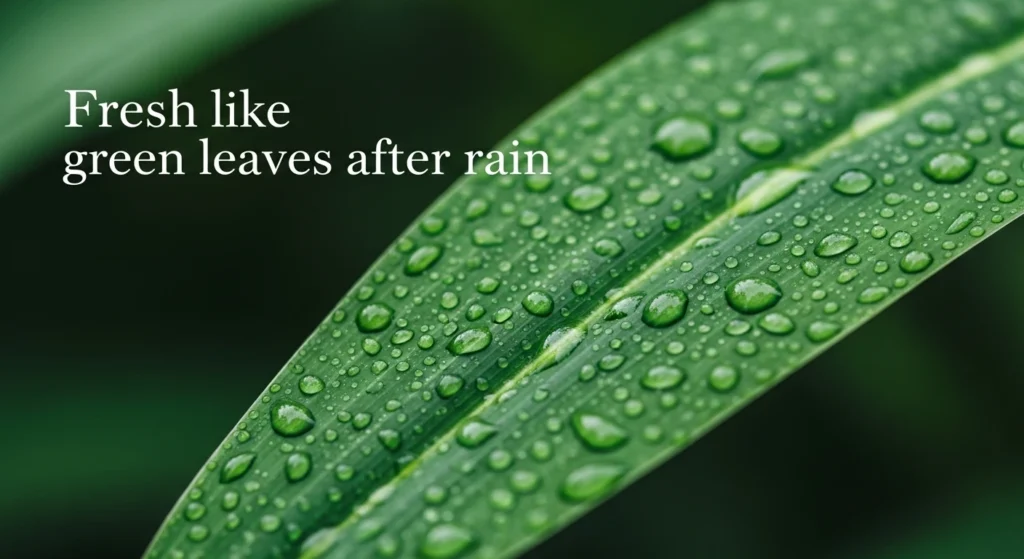
Meaning: New and refreshing.
Usage Insight: Useful for change or renewal.
Examples:
- The idea felt fresh like green leaves after rain.
- He brought fresh energy like green leaves after rain.
20. Lonely as a single tree in a field
Meaning: Isolated or alone.
Usage Insight: Strong in emotional narratives.
Examples:
- He felt lonely as a single tree in a field.
- The house stood lonely as a single tree in a field.
21. Brave like a tree facing storms
Meaning: Courageous under pressure.
Usage Insight: Ideal for heroic characters.
Examples:
- She was brave like a tree facing storms.
- He stayed brave like a tree facing storms.
22. Peaceful as a forest path

Meaning: Calm and soothing.
Usage Insight: Works in descriptive passages.
Examples:
- Her presence was peaceful as a forest path.
- The walk felt peaceful as a forest path.
23. Balanced like branches and roots
Meaning: Well-organized and stable.
Usage Insight: Good for life lessons.
Examples:
- Life needs balance like branches and roots.
- She stayed balanced like branches and roots.
24. Quiet like moss on bark
Meaning: Soft and unnoticed.
Usage Insight: Useful for subtle imagery.
Examples:
- His footsteps were quiet like moss on bark.
- Time passed quiet like moss on bark.
25. Steadfast as a mountain tree

Meaning: Loyal and firm.
Usage Insight: Ideal for trust-based themes.
Examples:
- He remained steadfast as a mountain tree.
- Her loyalty was steadfast as a mountain tree.
26. Bright like sunlit leaves
Meaning: Cheerful and lively.
Usage Insight: Great for positive moods.
Examples:
- Her laugh was bright like sunlit leaves.
- The room felt bright like sunlit leaves.
27. Deep as forest roots
Meaning: Emotionally intense or meaningful.
Usage Insight: Best for reflective writing.
Examples:
- His feelings were deep as forest roots.
- Their bond ran deep as forest roots.
28. Patient like rings of a tree

Meaning: Slow and steady growth.
Usage Insight: Good for educational themes.
Examples:
- Wisdom grows patient like rings of a tree.
- Success comes patient like rings of a tree.
29. Silent like a sleeping forest
Meaning: Completely quiet.
Usage Insight: Strong for atmosphere building.
Examples:
- The night was silent like a sleeping forest.
- The hall became silent like a sleeping forest.
30. Kind as a fruit-giving tree
Meaning: Generous and caring.
Usage Insight: Ideal for moral lessons.
Examples:
- She was kind as a fruit-giving tree.
- True leaders are kind as a fruit-giving tree.
31. Firm like bark-covered wood

Meaning: Tough and reliable.
Usage Insight: Useful for determination themes.
Examples:
- His resolve was firm like bark-covered wood.
- She stayed firm like bark-covered wood.
32. Free like leaves in the breeze
Meaning: Independent and joyful.
Usage Insight: Great for creative writing.
Examples:
- She felt free like leaves in the breeze.
- Children laughed free like leaves in the breeze.
33. Watchful as a forest guardian tree
Meaning: Alert and protective.
Usage Insight: Works well in fantasy or literature.
Examples:
- He stood watchful as a forest guardian tree.
- The castle felt watchful as a forest guardian tree.
34. Patient as shade growing slowly
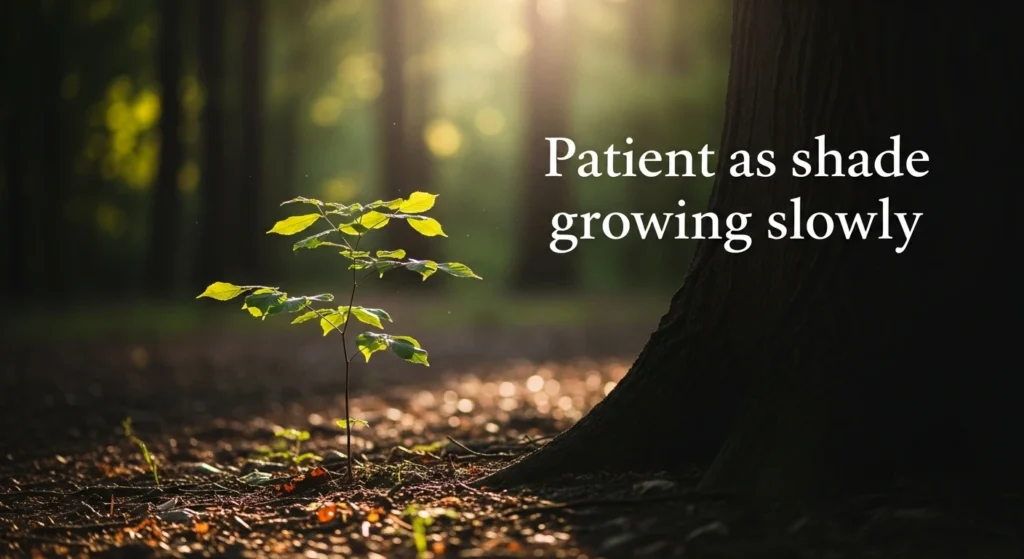
Meaning: Gradual care and protection.
Usage Insight: Ideal for nurturing themes.
Examples:
- Trust builds patient as shade growing slowly.
- Love grows patient as shade growing slowly.
35. Alive like a breathing forest
Meaning: Full of energy and life.
Usage Insight: Perfect for vivid descriptions.
Examples:
- The city felt alive like a breathing forest.
- The classroom buzzed alive like a breathing forest.
How to Use Similes Effectively in Writing
When using similes, always choose comparisons that feel natural and meaningful. In poems and songs, similes add rhythm and emotion. In stories, they help readers visualize characters and settings. In essays and academic writing, similes can clarify complex ideas when used sparingly. For creative descriptions, connect similes to nature, emotions, or everyday experiences to make them relatable. Remember, the best similes feel clear, fresh, and purposeful.
FAQs
1. What are similes worksheets for grade levels? They are practice sheets designed to help students understand and use similes correctly based on their learning level.
2. What is the difference between a simile and a metaphor? A simile uses like or as to compare, while a metaphor compares directly without those words.
3. Why are nature similes useful for students? Nature similes are easy to imagine and help students connect language with real-life experiences.
4. Are similes used in academic writing? Yes, when used carefully, similes can clarify ideas and improve explanations.
5. How do similes improve creative writing? They add imagery, emotion, and depth, making writing more engaging and memorable.
Conclusion
Well-crafted similes worksheets for grade learning help students see language as something alive and expressive, not just a set of rules. By using nature similes and meaningful comparisons, learners gain clarity, stronger imagery, and emotional depth in their writing. From literature to everyday communication, similes enrich expression and sharpen understanding. With practice, students can confidently use similes to turn simple sentences into powerful, memorable language that truly connects with readers.