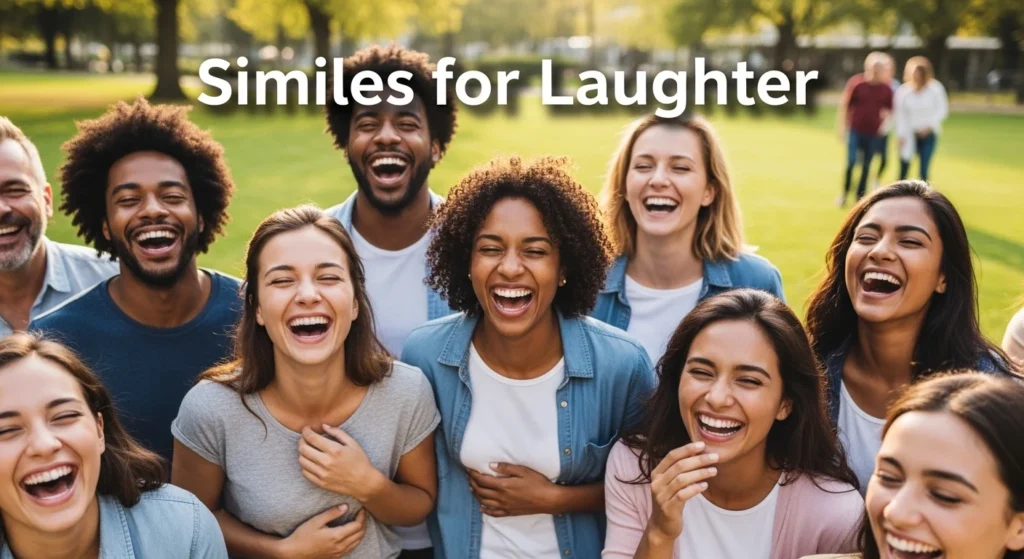
Laughter is one of the most universal human experiences, and writers often turn to similes to capture its sound, energy, and emotion. A simile is a powerful tool in figurative language because it helps readers see, hear, and feel what words alone might miss. By comparing laughter to vivid images from nature, daily life, or familiar sensations, similes make writing more expressive and memorable. Just as trees symbolize strength, growth, resilience, wisdom, and deep human emotion, laughter too reflects inner life—joy, relief, mischief, connection, and even healing. When used well, similes for laughter can soften serious writing, energize stories, and add warmth to poetry. They help writers move beyond plain description into imagery that feels alive and human. In this guide, you’ll explore rich, original similes for laughter, learn how to use them naturally, and see how they elevate creative and academic writing alike.
What Is a Simile?
A simile is a figure of speech that compares two different things using words like “as” or “like” to create clear imagery.
Example: Her laughter bubbled like water boiling in a kettle.
This comparison helps the reader imagine laughter that is energetic, lively, and impossible to contain.
Similes for Laughter
1. Laughter like leaves rustling in a gentle breeze
Meaning: Soft, light, and pleasant laughter.
Usage Insight: Works well in calm, intimate, or nature-inspired scenes.
Examples:
- Her laughter moved through the room like leaves rustling in a gentle breeze.
- The child giggled softly, her laughter like leaves whispering overhead.
2. Laughter like bells ringing on a clear morning
Meaning: Bright, cheerful, and uplifting laughter.
Usage Insight: Ideal for joyful or hopeful moments.
Examples:
- His laughter rang like bells on a clear morning.
- The hall filled with laughter that sounded like distant church bells.
3. Laughter like waves breaking on the shore

Meaning: Rhythmic and full-bodied laughter.
Usage Insight: Perfect for relaxed, natural settings.
Examples:
- Their laughter rolled like waves breaking on the shore.
- Each joke brought another wave of laughter crashing through the group.
4. Laughter like sparks from a campfire
Meaning: Sudden, lively bursts of laughter.
Usage Insight: Great for spontaneous humor.
Examples:
- Her laughter flew like sparks from a campfire.
- The story sent sparks of laughter across the table.
5. Laughter like birdsong at dawn
Meaning: Fresh, innocent, and joyful laughter.
Usage Insight: Works beautifully in descriptive or poetic writing.
Examples:
- The children’s laughter sounded like birdsong at dawn.
- Her laugh rose softly, bright as early birdsong.
6. Laughter like thunder rolling in the distance
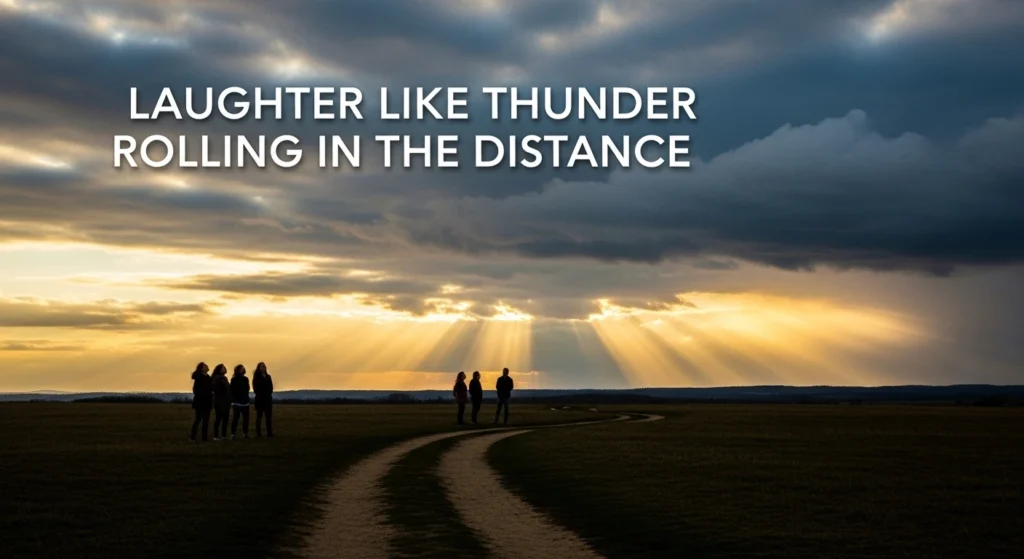
Meaning: Deep, powerful laughter.
Usage Insight: Effective for strong personalities.
Examples:
- His laughter rolled like thunder in the distance.
- The room shook with laughter as deep as thunder.
7. Laughter like rain tapping on windows
Meaning: Light, repetitive laughter.
Usage Insight: Fits reflective or cozy scenes.
Examples:
- Their laughter tapped like rain on the windows.
- A quiet laugh fell between them like soft rain.
8. Laughter like a stream over smooth stones
Meaning: Continuous and soothing laughter.
Usage Insight: Ideal for peaceful storytelling.
Examples:
- Her laughter flowed like a stream over smooth stones.
- The evening was filled with gentle, flowing laughter.
9. Laughter like fireworks in the sky
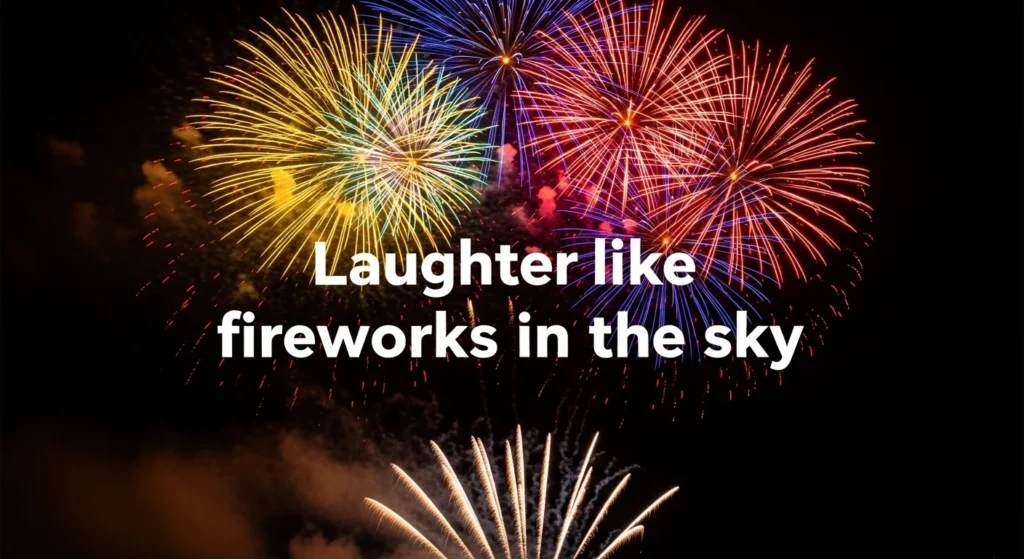
Meaning: Loud, sudden, and exciting laughter.
Usage Insight: Best for celebrations.
Examples:
- His laughter burst like fireworks in the sky.
- The joke ended in a firework of laughter.
10. Laughter like a bubbling spring
Meaning: Natural and uncontrollable laughter.
Usage Insight: Works well for genuine joy.
Examples:
- Her laughter bubbled like a spring from deep within.
- A sudden giggle escaped, bubbling up unexpectedly.
11. Laughter like glass chimes in the wind
Meaning: Delicate and musical laughter.
Usage Insight: Good for refined or gentle characters.
Examples:
- Her laughter chimed like glass in the wind.
- A soft laugh rang through the air like chimes.
12. Laughter like drums at a festival

Meaning: Loud, rhythmic, and communal laughter.
Usage Insight: Effective for group scenes.
Examples:
- The crowd’s laughter beat like drums at a festival.
- Laughter echoed in rhythm across the hall.
13. Laughter like sunlight through branches
Meaning: Warm and uplifting laughter.
Usage Insight: Blends emotion with nature similes.
Examples:
- Her laughter filtered through the moment like sunlight through branches.
- A warm laugh brightened the room.
14. Laughter like popcorn popping
Meaning: Rapid and playful laughter.
Usage Insight: Great for humor-filled scenes.
Examples:
- Laughter popped around the room like popcorn.
- His giggles came in quick pops.
15. Laughter like wind chimes after rain
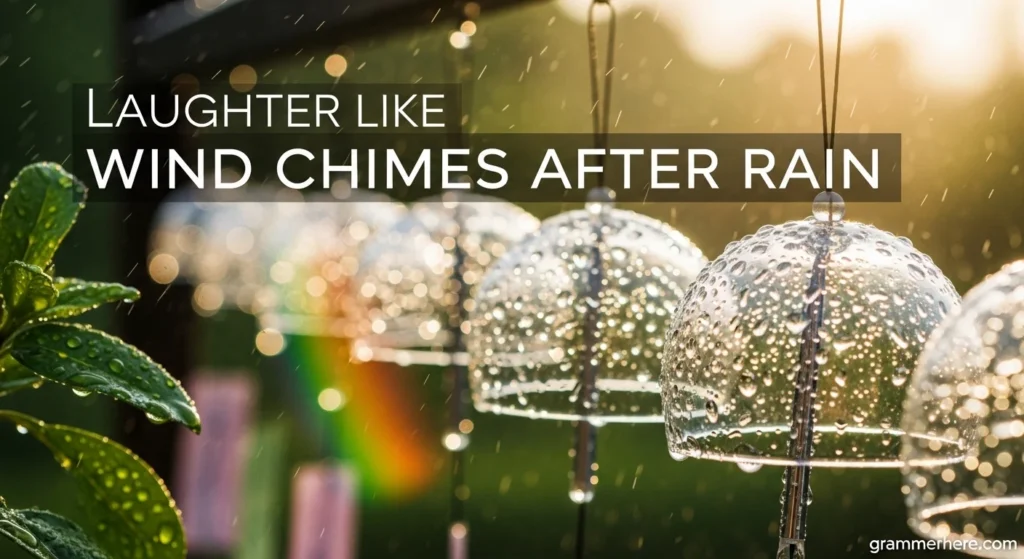
Meaning: Refreshing and comforting laughter.
Usage Insight: Ideal for healing or reunion moments.
Examples:
- Her laughter sounded like wind chimes after rain.
- The moment felt lighter with that gentle laugh.
16. Laughter like a drumroll before applause
Meaning: Anticipatory and contagious laughter.
Usage Insight: Builds tension before joy.
Examples:
- His laughter rolled like a drumroll before applause.
- A quiet chuckle grew into shared laughter.
17. Laughter like honey dripping slowly
Meaning: Smooth and warm laughter.
Usage Insight: Works in romantic or calm scenes.
Examples:
- Her laughter flowed like honey.
- A sweet laugh lingered in the air.
18. Laughter like a sudden gust of wind
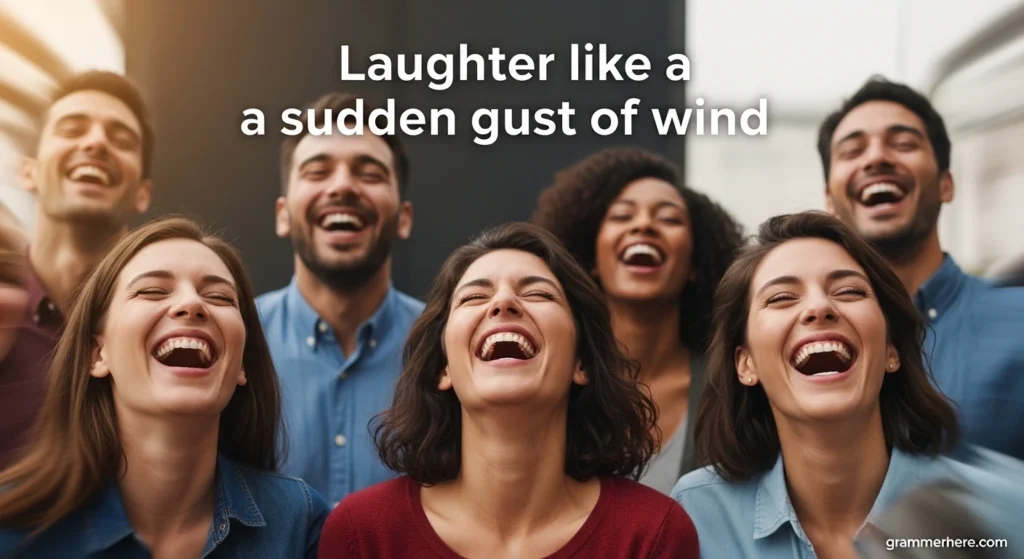
Meaning: Unexpected and forceful laughter.
Usage Insight: Adds surprise to scenes.
Examples:
- Laughter swept in like a sudden gust.
- His laugh caught everyone off guard.
19. Laughter like pebbles skipping on water
Meaning: Light, playful laughter.
Usage Insight: Perfect for youthful energy.
Examples:
- Their laughter skipped like pebbles on water.
- Giggles bounced between them.
20. Laughter like bells tied to horses
Meaning: Rhythmic and joyful laughter.
Usage Insight: Great for movement-filled scenes.
Examples:
- Her laughter rang like bells on a moving horse.
- The journey echoed with cheerful laughter.
21. Laughter like smoke rising freely
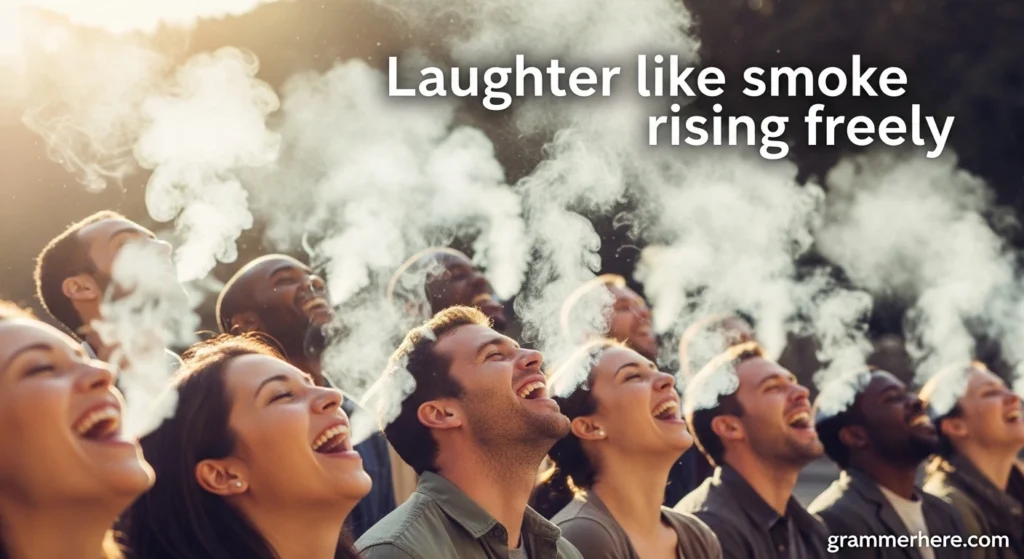
Meaning: Relaxed and unrestrained laughter.
Usage Insight: Works for relief or release.
Examples:
- His laughter rose like smoke into the night.
- A laugh escaped, free and easy.
22. Laughter like a fountain overflowing
Meaning: Abundant, unstoppable laughter.
Usage Insight: Emphasizes emotional overflow.
Examples:
- Her laughter spilled like an overflowing fountain.
- The joke unleashed endless laughter.
23. Laughter like branches shaking in a storm
Meaning: Wild, uncontrollable laughter.
Usage Insight: Best for intense humor.
Examples:
- He laughed like branches shaking in a storm.
- The room shook with wild laughter.
24. Laughter like silver coins spilling
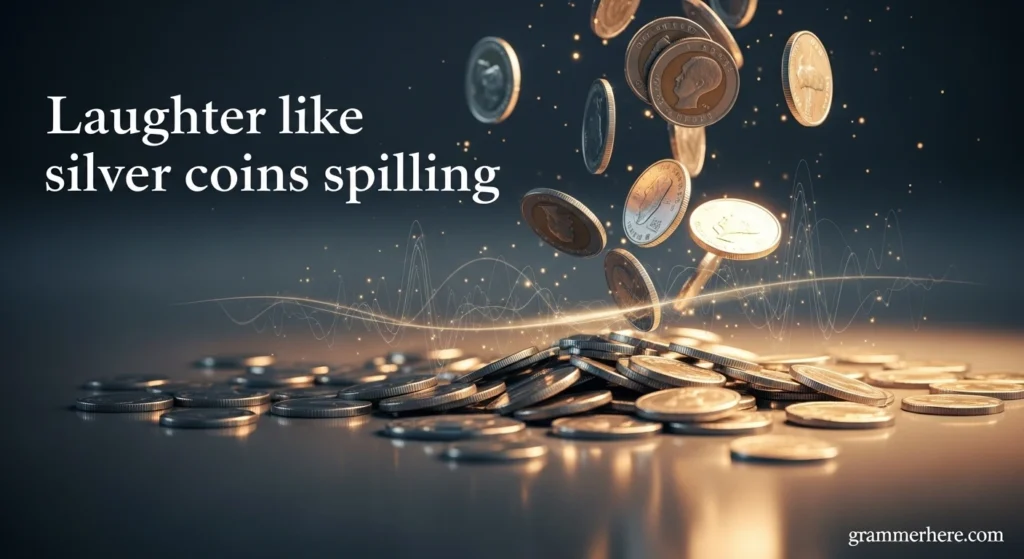
Meaning: Bright, quick laughter.
Usage Insight: Creates auditory imagery.
Examples:
- Her laughter spilled like silver coins.
- A sharp laugh rang out clearly.
25. Laughter like echoes in a canyon
Meaning: Long-lasting laughter.
Usage Insight: Ideal for dramatic effect.
Examples:
- His laughter echoed like sound in a canyon.
- The laugh lingered long after.
26. Laughter like fire warming cold hands
Meaning: Comforting and healing laughter.
Usage Insight: Great for emotional scenes.
Examples:
- Her laughter warmed him like fire.
- A gentle laugh eased the tension.
27. Laughter like a kite lifting in the wind
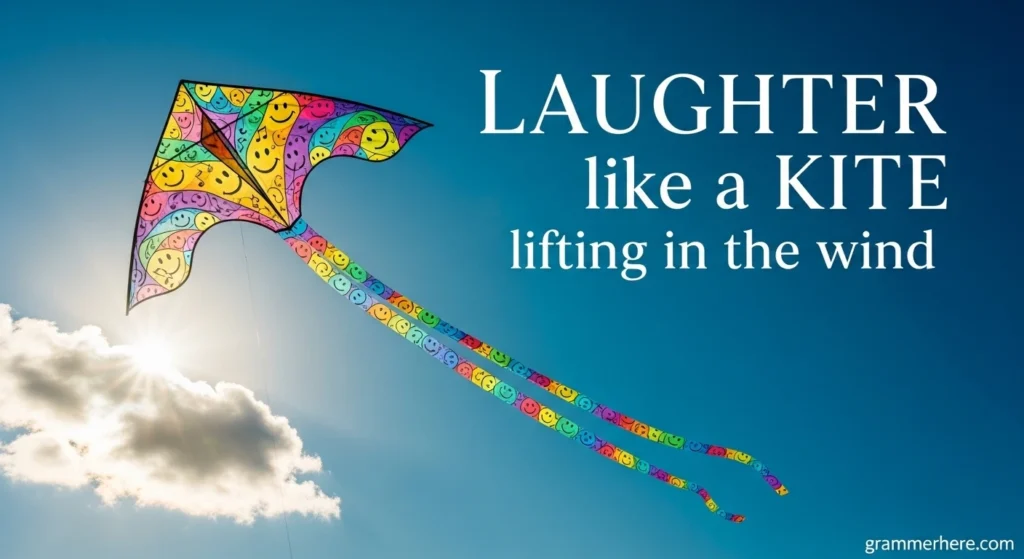
Meaning: Free and uplifting laughter.
Usage Insight: Works for hopeful themes.
Examples:
- Her laughter lifted like a kite.
- The mood rose with her laugh.
28. Laughter like beads rolling on wood
Meaning: Light, rhythmic laughter.
Usage Insight: Adds tactile imagery.
Examples:
- Laughter rolled softly across the table.
- A playful giggle followed.
29. Laughter like summer rain after heat
Meaning: Refreshing laughter.
Usage Insight: Effective for relief moments.
Examples:
- Her laughter fell like summer rain.
- A cool laugh eased the moment.
30. Laughter like candles flickering together
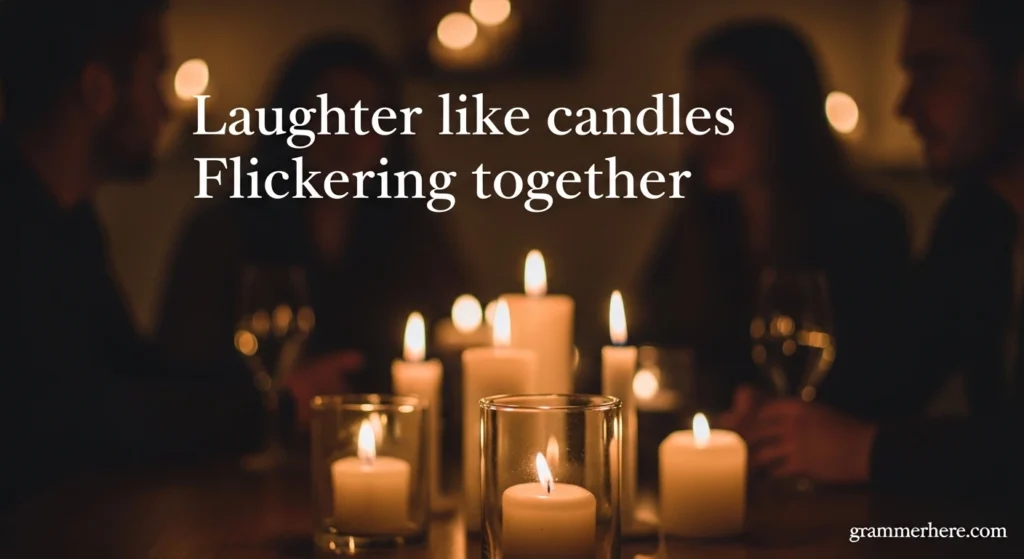
Meaning: Shared, gentle laughter.
Usage Insight: Perfect for bonding scenes.
Examples:
- Their laughter flickered softly together.
- Small laughs filled the quiet room.
31. Laughter like a drum echoing in a hall
Meaning: Bold and resonant laughter.
Usage Insight: Highlights presence.
Examples:
- His laughter echoed through the hall.
- The laugh filled every corner.
32. Laughter like petals falling freely
Meaning: Soft, effortless laughter.
Usage Insight: Poetic and calm.
Examples:
- Her laughter fell like petals.
- A light laugh drifted down.
33. Laughter like a river after rain
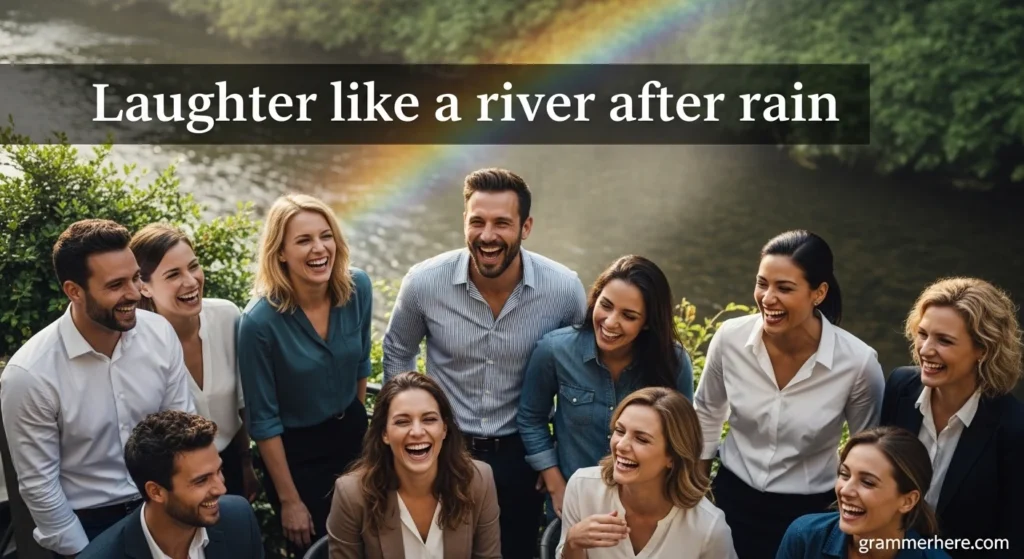
Meaning: Powerful, flowing laughter.
Usage Insight: Shows emotional release.
Examples:
- His laughter surged like a river after rain.
- The room overflowed with laughter.
34. Laughter like stars bursting into view
Meaning: Sudden joy.
Usage Insight: Works in emotional turning points.
Examples:
- Her laughter appeared like sudden stars.
- A bright laugh lit the night.
35. Laughter like roots breaking through soil
Meaning: Deep, honest laughter.
Usage Insight: Connects laughter with human resilience.
Examples:
- His laughter broke free like roots through soil.
- A deep laugh rose from within.
How to Use Similes Effectively in Writing
To use similes well, choose comparisons that match the emotion, tone, and context of your writing. In poetry and songs, lean toward musical and nature similes. In stories, use similes sparingly to highlight key moments. In essays or academic writing, use similes to clarify ideas rather than decorate every sentence. Avoid mixing too many images at once, and always keep your reader in mind—clarity matters more than cleverness.
FAQs
1. What are similes for laughter? Similes for laughter are comparisons that describe laughter using “like” or “as” to create vivid imagery.
2. How are similes different from metaphors? Similes use “like” or “as,” while metaphors directly state that one thing is another.
3. Can similes be used in academic writing? Yes, when used carefully, similes can clarify complex ideas.
4. Why are nature similes so effective? Nature similes feel universal and emotionally familiar to readers.
5. Are similes common in literature? Yes, similes in literature are widely used to deepen imagery and emotion.
Conclusion
Similes for laughter add color, clarity, and emotional depth to language, turning simple moments into vivid experiences. By drawing comparisons from nature, sound, movement, and human feeling, these similes help readers connect more deeply with your words. Whether you’re writing poems, stories, essays, or songs, thoughtful similes bring rhythm and meaning to your work. Used with care, they transform laughter from a sound into an image—and from an image into a feeling that lingers.