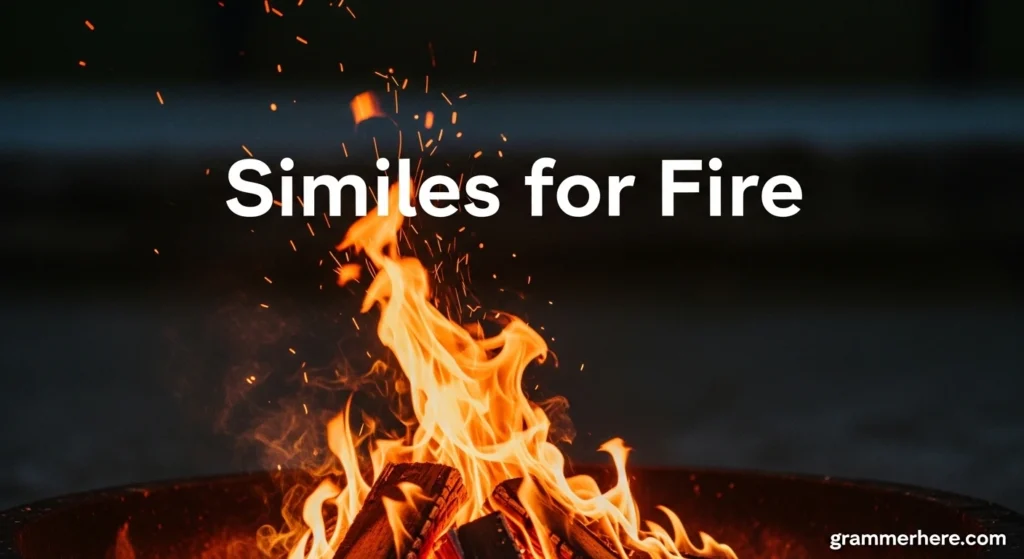
Fire has fascinated human imagination since the beginning of time, and similes help us describe its beauty, danger, and emotion with clarity and force. Similes are a key part of figurative language because they turn abstract feelings and natural elements into images readers can easily see and feel. By comparing fire to familiar objects, emotions, or experiences, writers make their language more vivid and memorable. Just as trees often symbolize strength, growth, resilience, wisdom, and deep human emotion, fire represents passion, destruction, renewal, warmth, and transformation. Both elements appear frequently in similes in literature because they mirror the human condition so well. In everyday writing, poetry, and storytelling, similes help bridge the gap between what we feel and what we can explain. This article explores powerful similes for fire and shows how comparisons can bring energy and life to your words.
What Is a Simile?
A simile is a figure of speech that compares two different things using words like “as” or “like” to make descriptions clearer and more vivid.
Example: The fire spread like a living creature, crawling across the dry grass.
This comparison helps readers visualize the movement and intensity of fire in a relatable way.
Fire like a roaring beast
Meaning: Fire compared to a wild animal full of power and noise.
Usage Insight: Works well when describing large, uncontrollable flames. The fire charged through the forest like a roaring beast. Sirens wailed as the blaze behaved like a roaring beast unleashed.
Fire like a hungry mouth
Meaning: Suggests fire consuming everything in its path.
Usage Insight: Ideal for showing destruction and loss. The fire ate the old house like a hungry mouth. Flames moved from tree to tree like a hungry mouth searching for more.
Fire like liquid gold
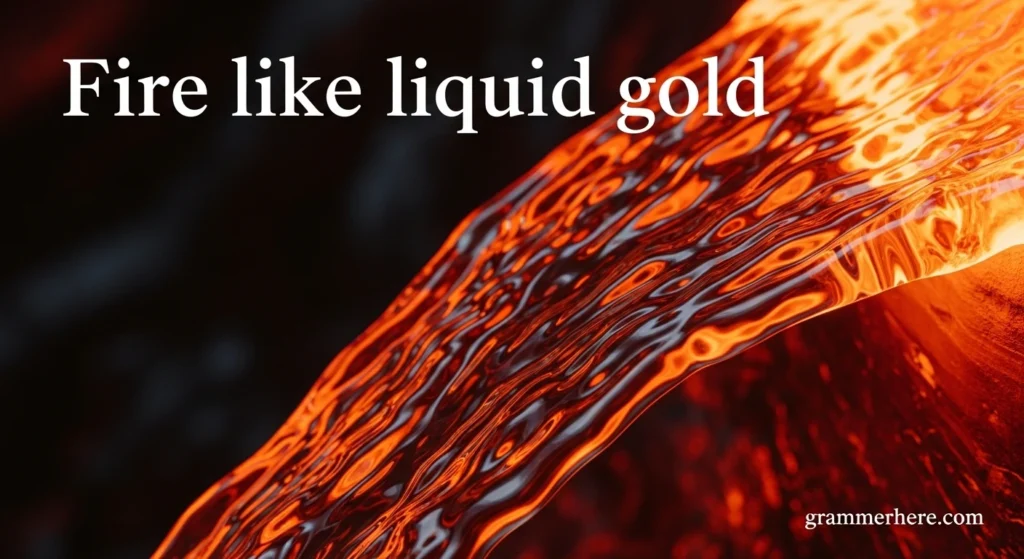
Meaning: Highlights beauty and glowing color.
Usage Insight: Perfect for poetic or descriptive scenes. At sunset, the fire shimmered like liquid gold. Candles melted softly, glowing like liquid gold in the dark.
Fire like a beating heart
Meaning: Fire as a symbol of life and energy.
Usage Insight: Effective in emotional or symbolic writing. The campfire pulsed like a beating heart. Hope burned like a beating heart inside her chest.
Fire like a wild dancer
Meaning: Describes movement and unpredictability.
Usage Insight: Best for visual imagery in storytelling. The flames twisted like a wild dancer in the wind. Light flickered across the walls like a wild dancer.
Fire like a blazing sun
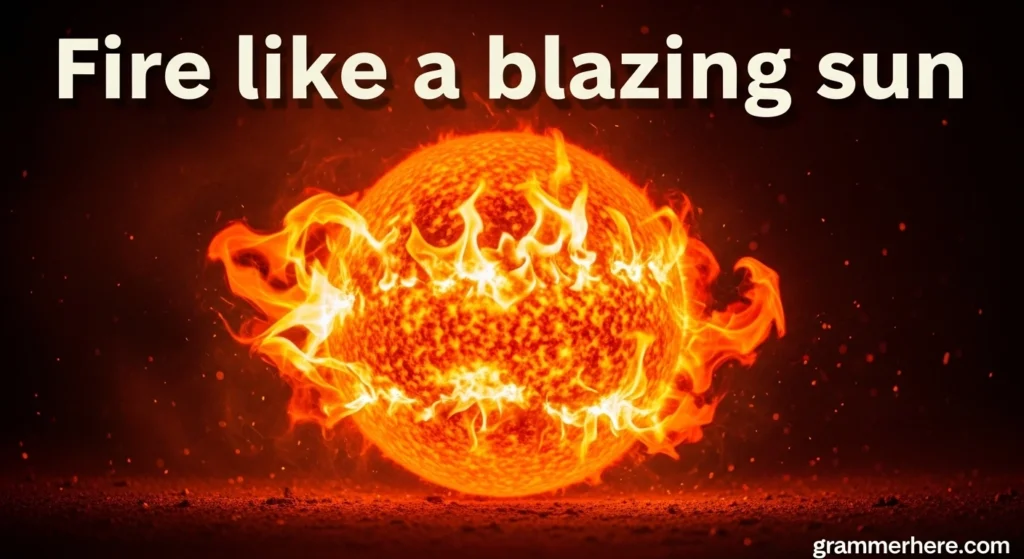
Meaning: Emphasizes intense heat and brightness.
Usage Insight: Useful in extreme heat descriptions. The forge glowed like a blazing sun. His anger burned like a blazing sun inside him.
Fire like a snapping whip
Meaning: Sharp, fast, and dangerous flames.
Usage Insight: Great for action scenes. Fire cracked like a snapping whip in the dry air. The flames lashed out like a snapping whip.
Fire like a restless spirit
Meaning: Fire as something alive and unsettled.
Usage Insight: Works well in fantasy or reflective writing. The fire moved like a restless spirit. Memories flickered like a restless spirit in her mind.
Fire like molten metal
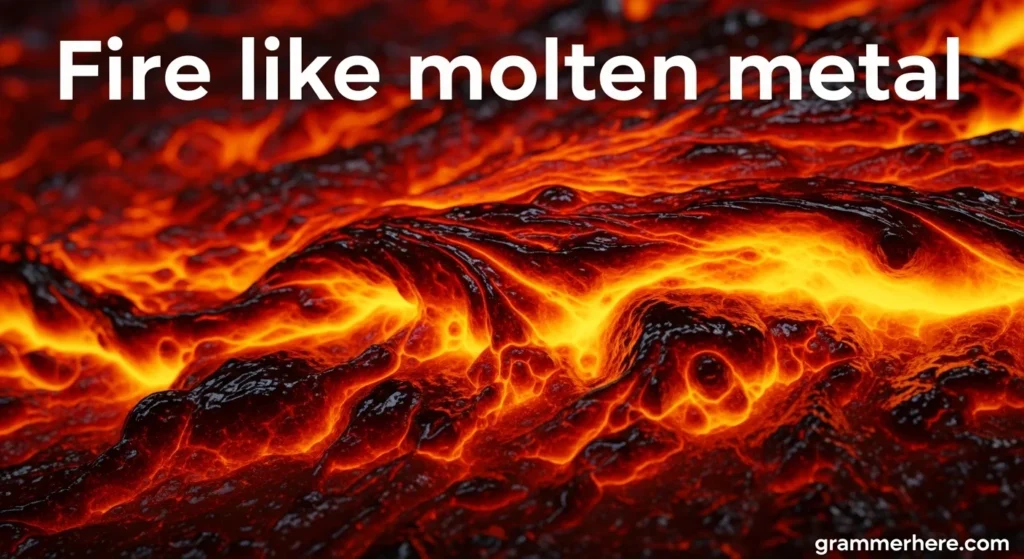
Meaning: Extreme heat and intensity.
Usage Insight: Ideal for industrial or dramatic scenes. The lava glowed like molten metal. The flames poured like molten metal across the floor.
Fire like a thief in the night
Meaning: Fire spreading quietly and unexpectedly.
Usage Insight: Best for suspenseful writing. The fire crept in like a thief in the night. Disaster arrived like a thief in the night.
Fire like a rising storm
Meaning: Growing power and danger.
Usage Insight: Effective in build-up scenes. The blaze grew like a rising storm. Tension spread like a rising storm among them.
Fire like a burning crown
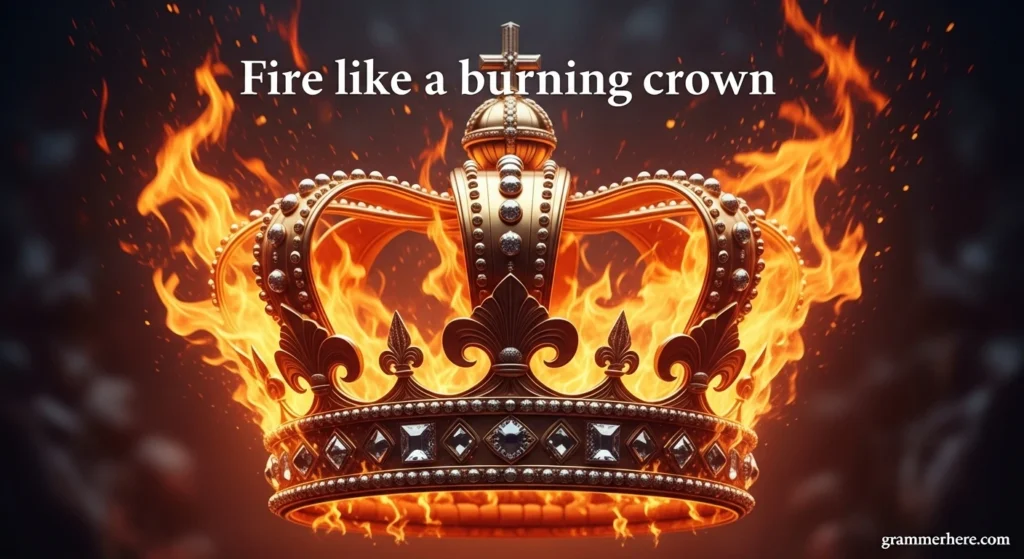
Meaning: Fire symbolizing power or dominance.
Usage Insight: Useful in symbolic or dramatic contexts. Flames sat atop the hill like a burning crown. Victory felt like a burning crown on his head.
Fire like shattered sunlight
Meaning: Scattered brightness and color.
Usage Insight: Perfect for artistic descriptions. The sparks flew like shattered sunlight. Embers drifted like shattered sunlight in the air.
Fire like an open wound
Meaning: Painful, raw, and damaging.
Usage Insight: Works in emotional or dark writing. The fire burned like an open wound. Her grief felt like an open wound.
Fire like a blazing river
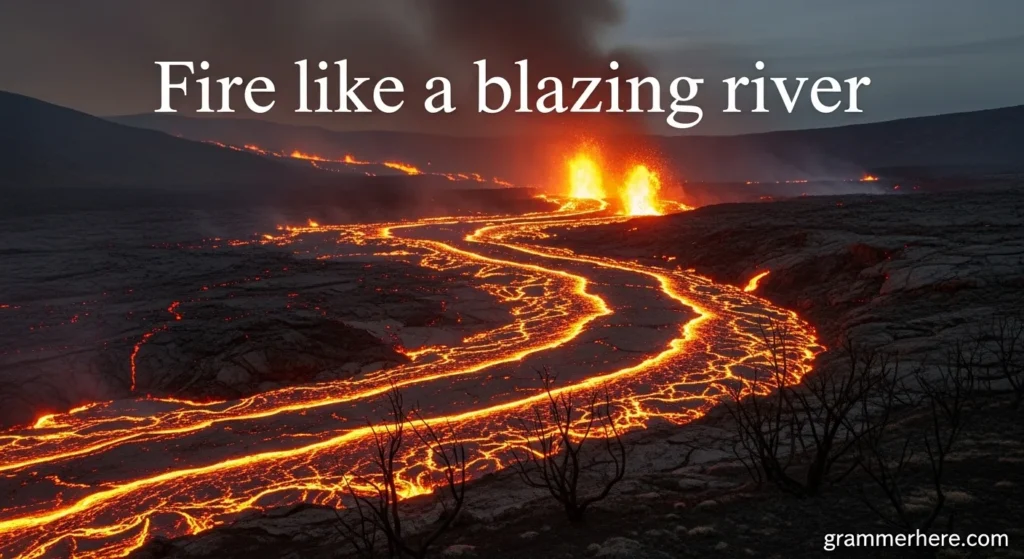
Meaning: Flowing, unstoppable flames.
Usage Insight: Ideal for large-scale fires. Fire rolled downhill like a blazing river. Lava streamed like a blazing river.
Fire like a screaming voice
Meaning: Loud and terrifying flames.
Usage Insight: Effective in horror or disaster scenes. The fire roared like a screaming voice. Pain echoed like a screaming voice inside him.
Fire like a restless child
Meaning: Playful yet dangerous movement.
Usage Insight: Best for small or flickering fires. The candle flame jumped like a restless child. Sparks danced like restless children.
Fire like a broken promise
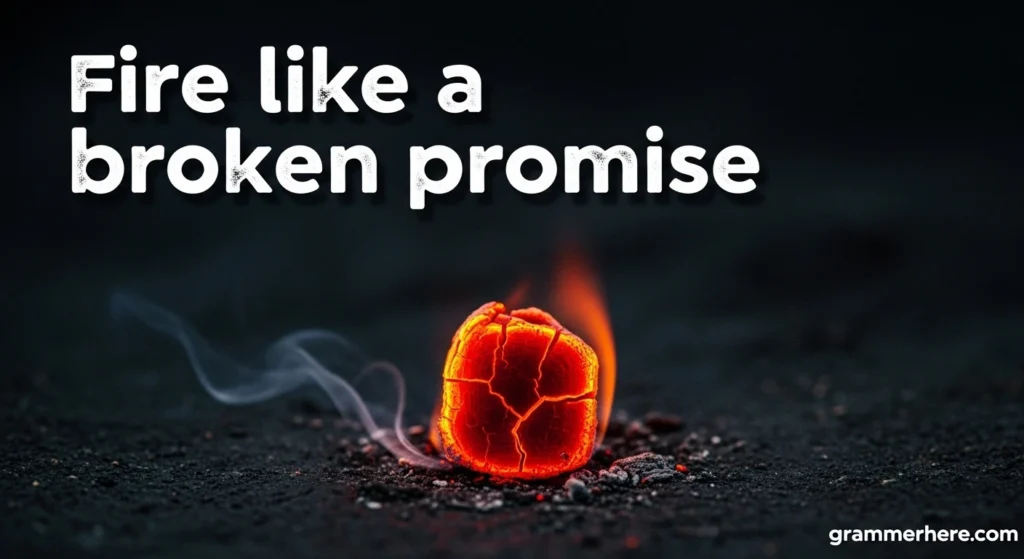
Meaning: Destructive and emotionally heavy.
Usage Insight: Useful in metaphor-rich prose. The fire destroyed homes like a broken promise. Trust fell apart like a broken promise.
Fire like a blazing crown of thorns
Meaning: Pain mixed with power.
Usage Insight: Strong in symbolic or religious tones. Flames wrapped the roof like a blazing crown of thorns. His guilt burned like a blazing crown of thorns.
Fire like a glowing serpent
Meaning: Twisting, dangerous movement.
Usage Insight: Great for fantasy or vivid narration. The fire curled like a glowing serpent. Smoke slithered like a glowing serpent.
Fire like a relentless tide
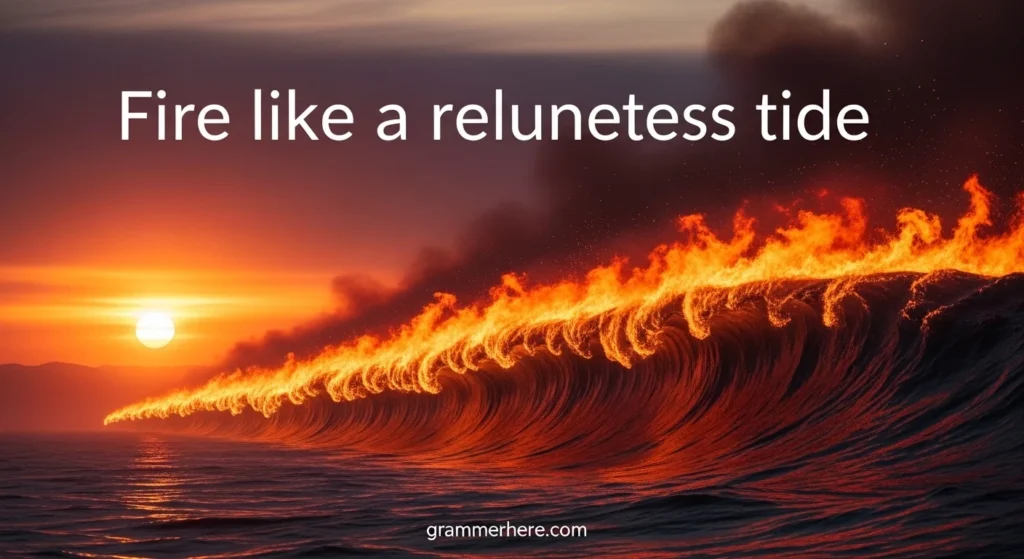
Meaning: Unstoppable and overwhelming.
Usage Insight: Works well in disaster writing. Flames advanced like a relentless tide. Fear washed over her like a relentless tide.
Fire like a spark of rebellion
Meaning: Fire symbolizing change or resistance.
Usage Insight: Effective in political or emotional writing. Hope spread like a spark of rebellion. The fire began like a spark of rebellion.
Fire like a blazing mirror
Meaning: Reflective and intense.
Usage Insight: Ideal for introspective scenes. The fire reflected faces like a blazing mirror. Anger acted like a blazing mirror of his pain.
Fire like a shattered star
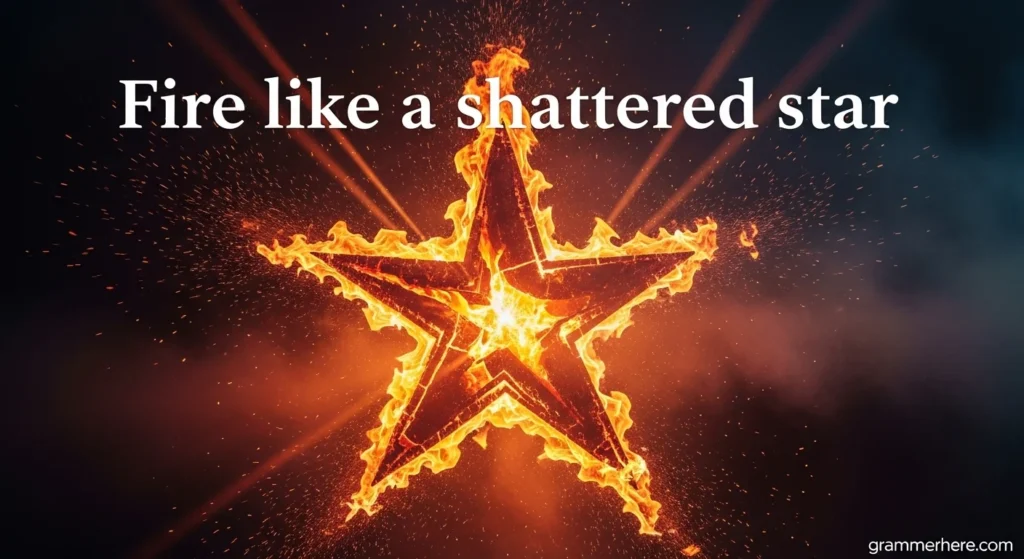
Meaning: Explosive beauty.
Usage Insight: Great for poetic imagery. The explosion bloomed like a shattered star. Fireworks burst like shattered stars.
Fire like a living heartbeat
Meaning: Steady rhythm and life.
Usage Insight: Best for calm yet powerful scenes. The hearth glowed like a living heartbeat. Music pulsed like a living heartbeat.
Fire like a warning signal
Meaning: Danger and urgency.
Usage Insight: Useful in informative or dramatic writing. The fire rose like a warning signal. His silence felt like a warning signal.
Fire like a blazing memory
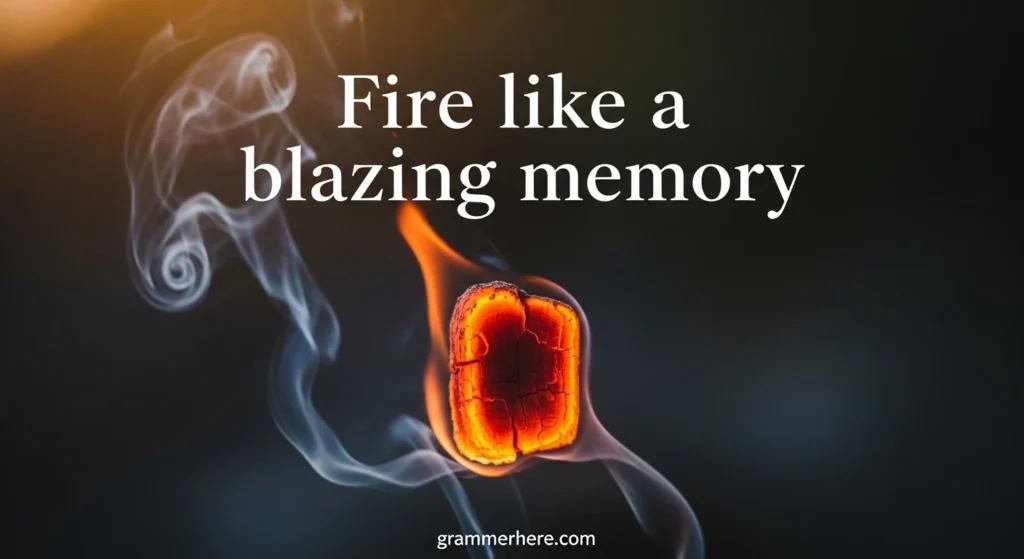
Meaning: Fire as something unforgettable.
Usage Insight: Works in reflective writing. The moment burned like a blazing memory. Loss stayed like a blazing memory.
Fire like a furious storm
Meaning: Intense and violent energy.
Usage Insight: Ideal for high-action scenes. The blaze raged like a furious storm. His anger exploded like a furious storm.
Fire like a golden veil
Meaning: Soft, beautiful flames.
Usage Insight: Best for romantic imagery. Firelight fell like a golden veil. Sunset wrapped the valley like a golden veil.
Fire like a crack of thunder
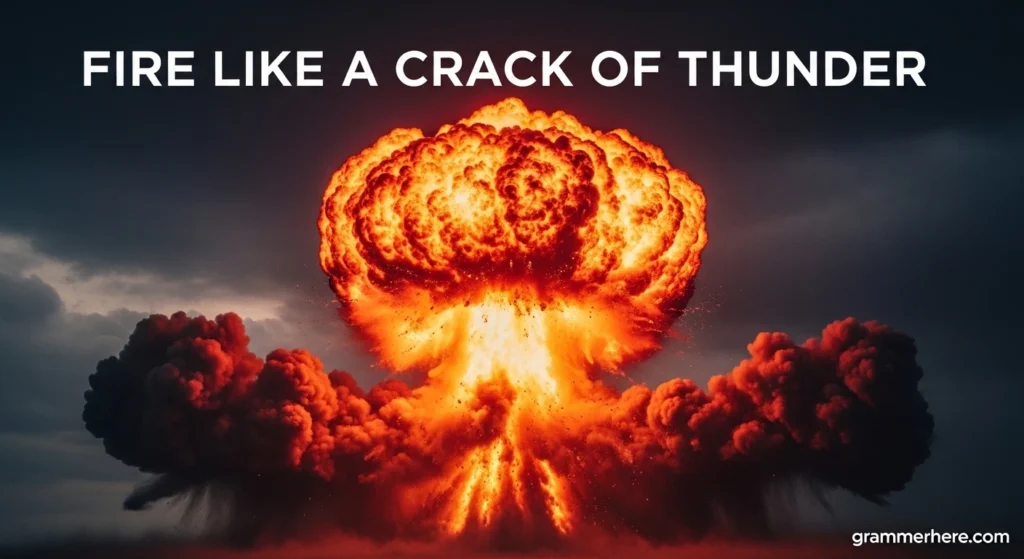
Meaning: Sudden and loud.
Usage Insight: Effective in dramatic moments. Flames burst out like a crack of thunder. Applause hit like a crack of thunder.
Fire like a consuming shadow
Meaning: Destructive and ominous.
Usage Insight: Works well in dark themes. The fire spread like a consuming shadow. Fear followed him like a consuming shadow.
Fire like a restless ocean
Meaning: Constant motion and depth.
Usage Insight: Ideal for large fires or lava. The flames moved like a restless ocean. Crowds shifted like a restless ocean.
Fire like a fierce guardian
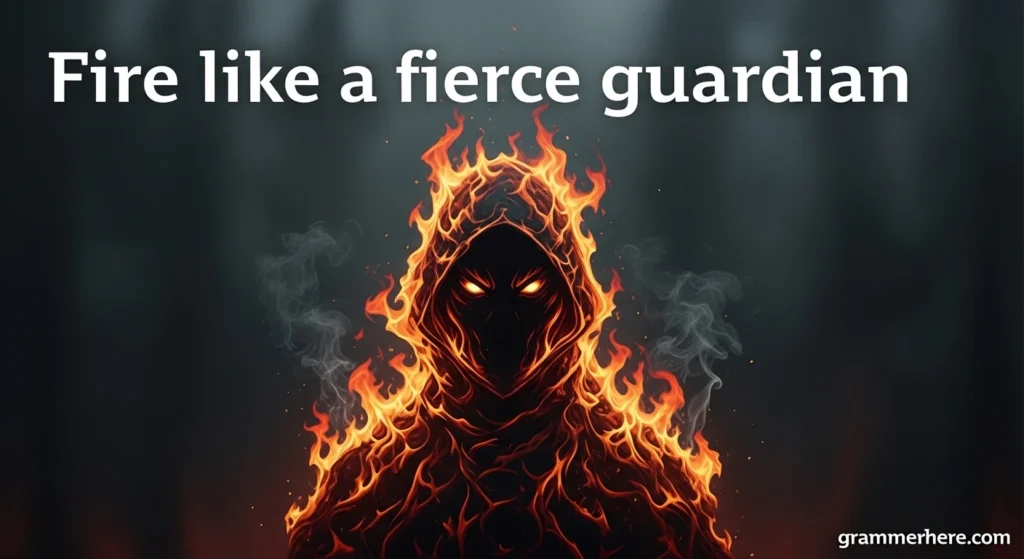
Meaning: Protective yet dangerous.
Usage Insight: Works in symbolic writing. The fire stood like a fierce guardian at the gate. Love can be like a fierce guardian.
Fire like a burning echo
Meaning: Lingering impact.
Usage Insight: Great for emotional endings. The blaze faded like a burning echo. Her words stayed like a burning echo.
How to Use Similes Effectively in Writing
To use similes well, choose comparisons that match the mood and purpose of your writing. In poems and songs, focus on emotional and sensory images. In stories and novels, use similes to reveal character feelings or heighten action. Academic writing benefits from simple, clear similes that explain ideas without exaggeration. Avoid overusing similes—one strong comparison is more powerful than many weak ones. Always ensure your simile feels natural and easy for readers to understand.
FAQs
What are similes for fire used for? Similes for fire help describe heat, emotion, danger, passion, and transformation more vividly.
What is the difference between a simile and a metaphor? A simile uses like or as, while a metaphor directly states the comparison.
Are similes common in literature? Yes, similes in literature are widely used to create imagery and emotional depth.
Can similes be used in academic writing? Yes, when used sparingly, similes can clarify complex ideas.
Why are nature similes so effective? Nature similes connect abstract ideas to familiar natural experiences, making writing more relatable.
Conclusion
Similes for fire bring clarity, imagery, and emotional power to language. By using thoughtful comparisons, writers can transform simple descriptions into vivid experiences that readers feel and remember. Whether you are crafting poetry, stories, essays, or songs, fire similes add energy and depth to your words. Like trees symbolizing growth and resilience, fire represents passion, destruction, and renewal—making it one of the most powerful tools in figurative language. When used with care, these similes can truly ignite your writing and leave a lasting impression.