Similes are one of the easiest and most exciting ways for kids to bring their writing to life. They help young writers explain ideas by comparing one thing to another in a way that feels familiar and fun. In figurative language, similes turn simple sentences into colorful pictures readers can imagine clearly. Many common similes come from nature, which makes them perfect for kids because nature is easy to observe and understand. Trees, in particular, are powerful symbols—they represent strength, growth, patience, resilience, wisdom, and even human emotions like hope and calm. When children use similes inspired by nature and everyday life, their writing feels warmer and more meaningful. Learning common similes for kids also builds confidence and creativity in stories, poems, essays, and school assignments.
What Is a Simile?
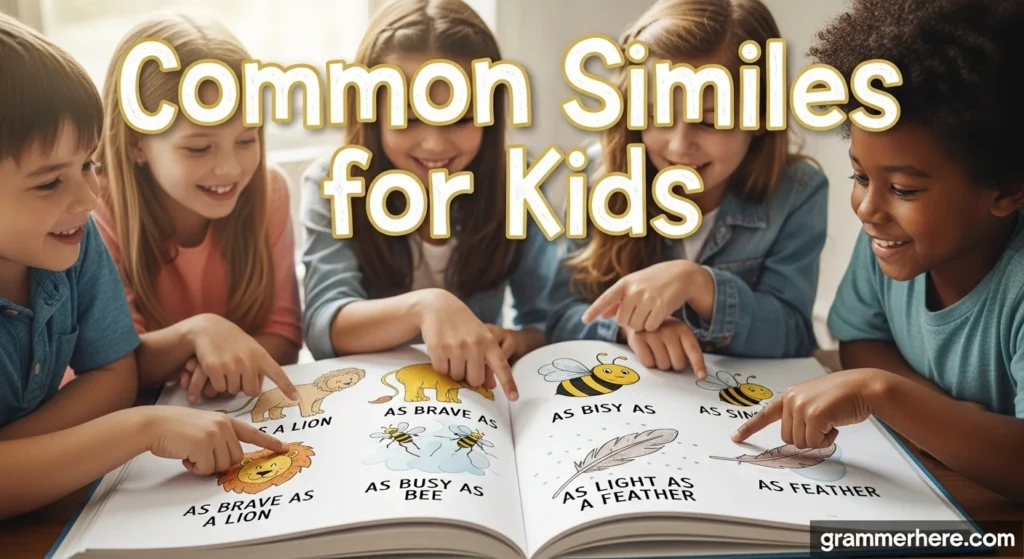
A simile is a figure of speech that compares two different things using the words “like” or “as.” Example: She was as busy as a bee. This simile helps readers understand how busy she was by comparing her to a hardworking bee.
As Brave as a Lion
Meaning: Very courageous and fearless.
Usage Insight: Great for describing heroes or moments of confidence.
Examples:
- The boy was as brave as a lion during the school play.
- She stood up for her friend, brave as a lion.
As Busy as a Bee
Meaning: Always active and working.
Usage Insight: Works well for school, home, or playful scenes.
Examples:
- He was as busy as a bee finishing his homework.
- The classroom felt busy as a bee before the exam.
As Tall as a Tree
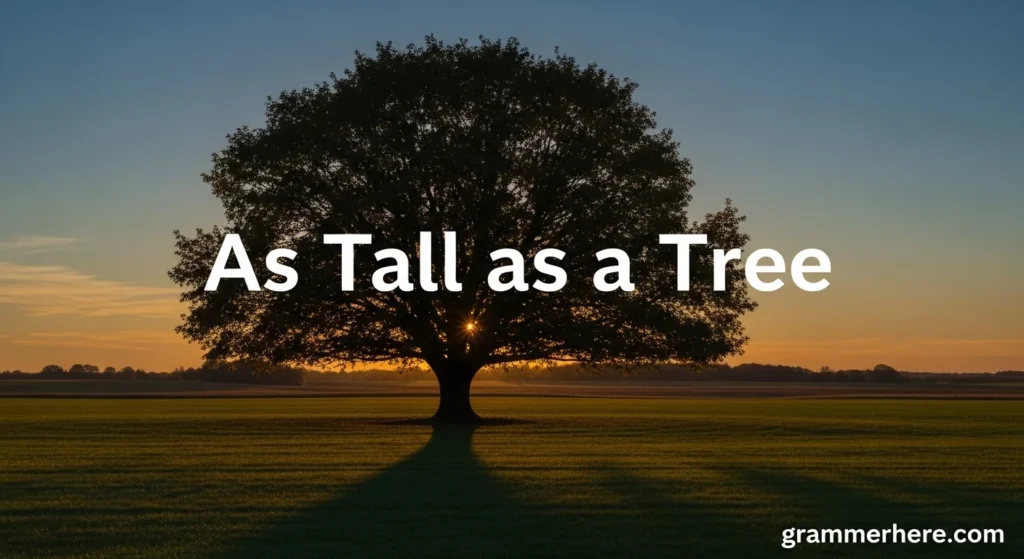
Meaning: Very tall or growing fast.
Usage Insight: Perfect for growth-related descriptions.
Examples:
- My brother is as tall as a tree now.
- The sunflower grew tall as a tree in summer.
As Quiet as a Mouse
Meaning: Extremely quiet.
Usage Insight: Useful in suspense or calm scenes.
Examples:
- The baby was as quiet as a mouse.
- She tiptoed into the room, quiet as a mouse.
As Strong as an Oak
Meaning: Very strong and dependable.
Usage Insight: Ideal for showing strength or reliability.
Examples:
- Grandpa is as strong as an oak.
- The old bridge stood strong as an oak.
As Bright as the Sun
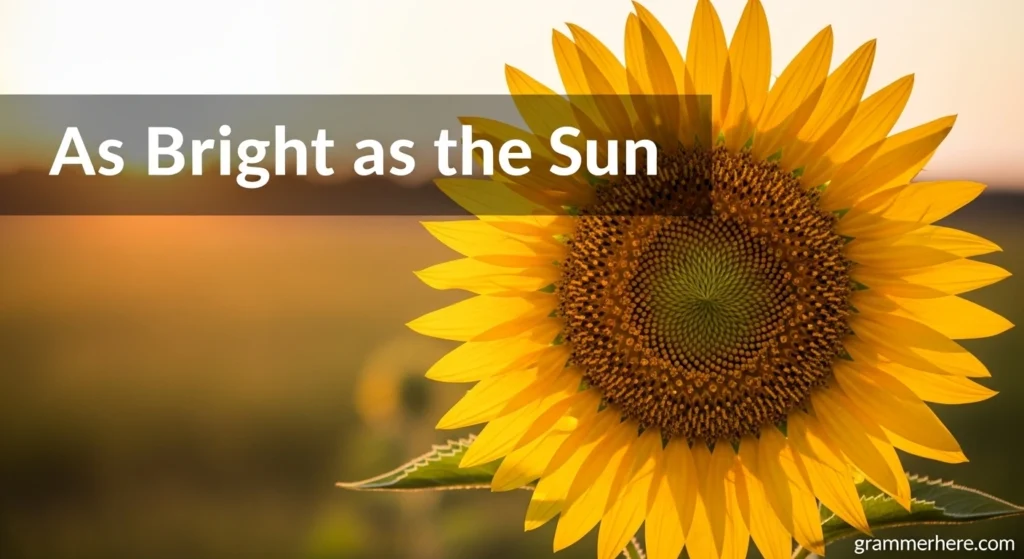
Meaning: Very bright or cheerful.
Usage Insight: Works for emotions and light imagery.
Examples:
- Her smile was as bright as the sun.
- The room felt bright as the sun.
As Fast as the Wind
Meaning: Extremely fast.
Usage Insight: Great for action scenes.
Examples:
- He ran as fast as the wind.
- The bike sped past, fast as the wind.
As Gentle as a Lamb
Meaning: Very kind and soft.
Usage Insight: Best for characters or animals.
Examples:
- The puppy was as gentle as a lamb.
- She spoke in a voice gentle as a lamb.
As Cool as a Cucumber
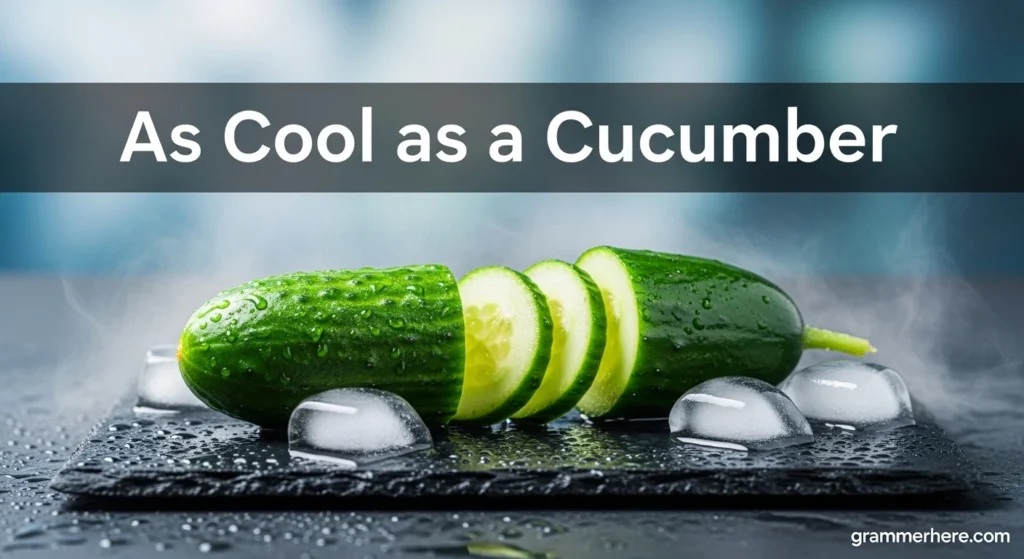
Meaning: Calm and relaxed.
Usage Insight: Good for emotional control scenes.
Examples:
- He stayed cool as a cucumber during the test.
- She looked calm, cool as a cucumber.
As Hungry as a Bear
Meaning: Very hungry.
Usage Insight: Perfect for playful writing.
Examples:
- After school, I was as hungry as a bear.
- He woke up hungry as a bear.
As Light as a Feather
Meaning: Very light in weight.
Usage Insight: Useful for objects or movement.
Examples:
- The scarf felt light as a feather.
- She danced, light as a feather.
As Slow as a Snail
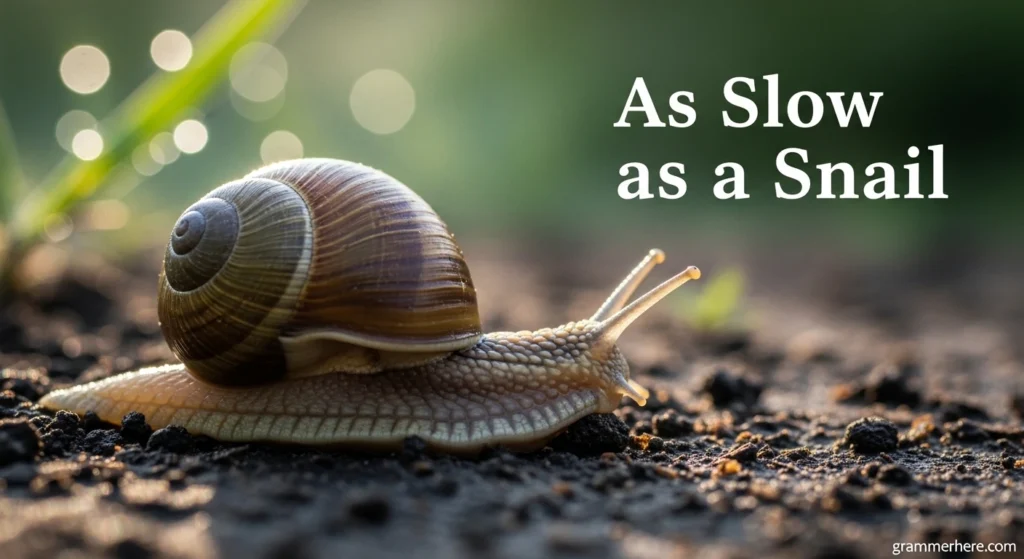
Meaning: Very slow.
Usage Insight: Fun for humor or exaggeration.
Examples:
- The line moved slow as a snail.
- He walked slow as a snail today.
As Happy as a Clam
Meaning: Very happy and content.
Usage Insight: Great for positive emotions.
Examples:
- She felt happy as a clam on her birthday.
- He was happy as a clam at the park.
As Fresh as a Daisy
Meaning: Clean and full of energy.
Usage Insight: Works well for mornings or new starts.
Examples:
- She woke up fresh as a daisy.
- The air felt fresh as a daisy.
As Wise as an Owl
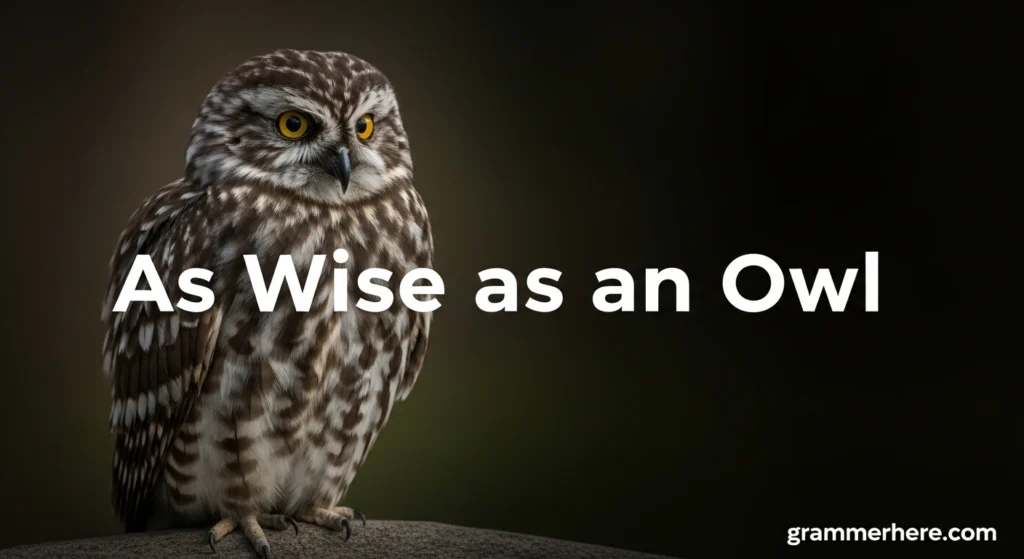
Meaning: Very wise or thoughtful.
Usage Insight: Ideal for mentors or elders.
Examples:
- The teacher was wise as an owl.
- He spoke, wise as an owl.
As Free as a Bird
Meaning: Feeling independent and joyful.
Usage Insight: Good for emotional freedom.
Examples:
- She felt free as a bird on vacation.
- The kite flew free as a bird.
As Shy as a Deer
Meaning: Very shy or timid.
Usage Insight: Useful for gentle characters.
Examples:
- He was shy as a deer in class.
- The child hid, shy as a deer.
As Sweet as Honey
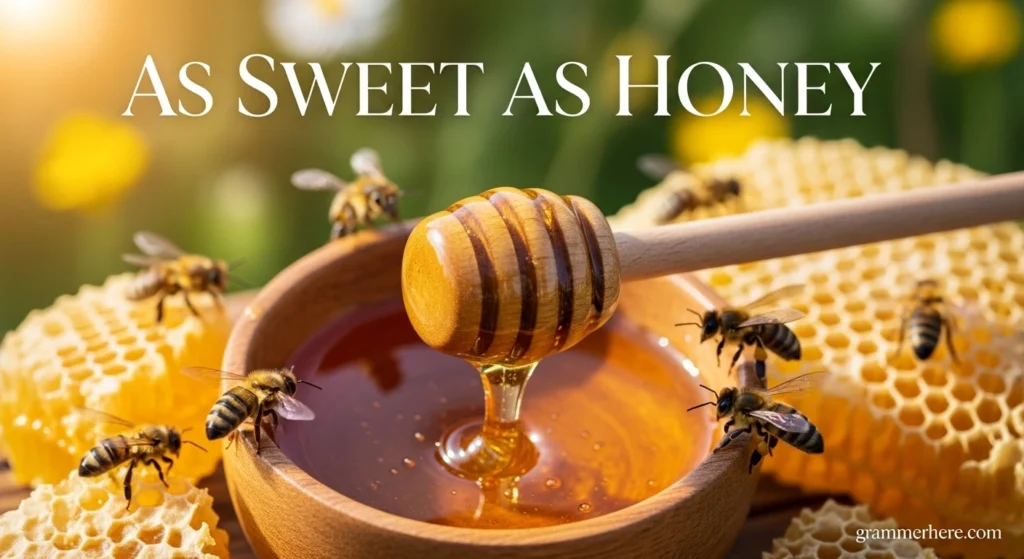
Meaning: Very kind or sweet.
Usage Insight: Perfect for personalities.
Examples:
- Her voice was sweet as honey.
- The baby smiled, sweet as honey.
As Steady as a Tree
Meaning: Calm and reliable.
Usage Insight: Strong for emotional balance.
Examples:
- She stayed steady as a tree.
- He stood firm, steady as a tree.
As Sharp as a Tack
Meaning: Very smart or quick-thinking.
Usage Insight: Good for clever characters.
Examples:
- She is sharp as a tack in math.
- His answers were sharp as a tack.
As Soft as Cotton
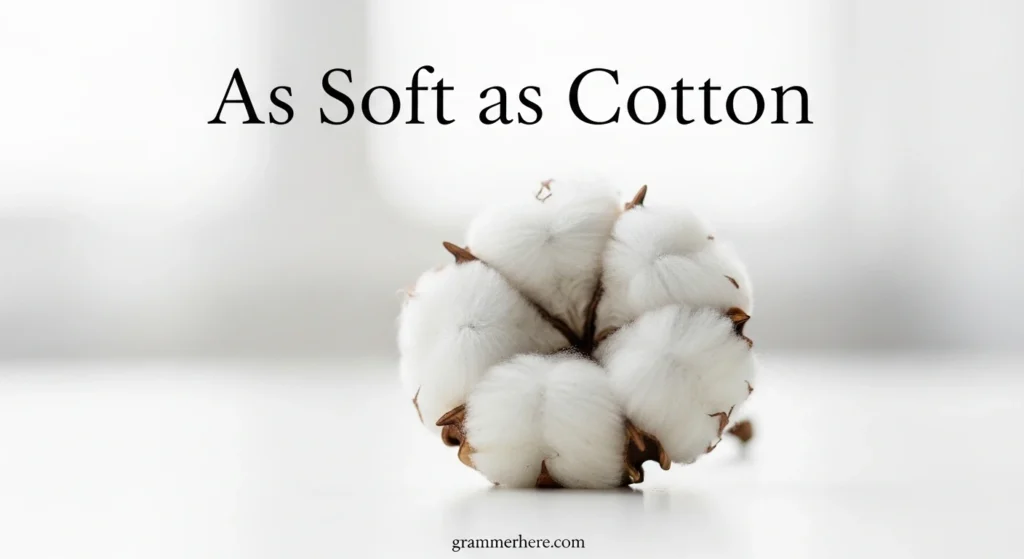
Meaning: Very soft or gentle.
Usage Insight: Best for textures.
Examples:
- The pillow was soft as cotton.
- Her voice sounded soft as cotton.
As Red as a Rose
Meaning: Very red.
Usage Insight: Works well for imagery.
Examples:
- Her cheeks were red as a rose.
- The apple shone red as a rose.
As Clear as Day
Meaning: Easy to understand.
Usage Insight: Useful in explanations.
Examples:
- The instructions were clear as day.
- His answer was clear as day.
As Proud as a Peacock
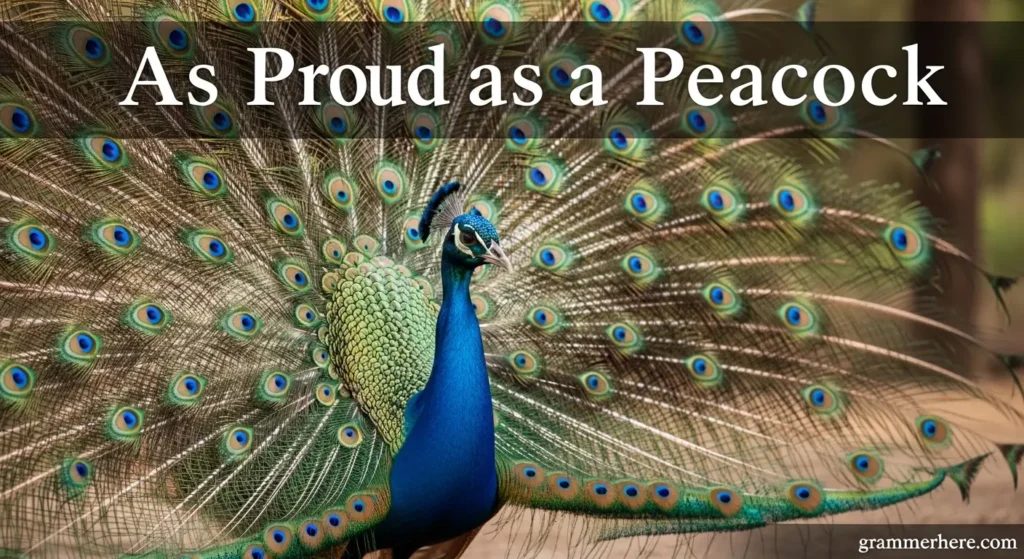
Meaning: Very proud or confident.
Usage Insight: Fun for emotions.
Examples:
- He walked proud as a peacock.
- She felt proud as a peacock.
As Playful as a Puppy
Meaning: Very playful and energetic.
Usage Insight: Great for kids and animals.
Examples:
- The class was playful as a puppy.
- He laughed, playful as a puppy.
As Silent as the Night
Meaning: Completely quiet.
Usage Insight: Perfect for calm scenes.
Examples:
- The room was silent as the night.
- The forest stood silent as the night.
As Warm as Sunshine

Meaning: Loving and comforting.
Usage Insight: Ideal for emotions.
Examples:
- Her hug felt warm as sunshine.
- His words were warm as sunshine.
As Tough as a Rock
Meaning: Very strong or determined.
Usage Insight: Good for resilience.
Examples:
- She stayed tough as a rock.
- He was tough as a rock during practice.
As Curious as a Cat
Meaning: Very curious.
Usage Insight: Fun for exploration scenes.
Examples:
- He was curious as a cat.
- The child looked around, curious as a cat.
As Green as Grass
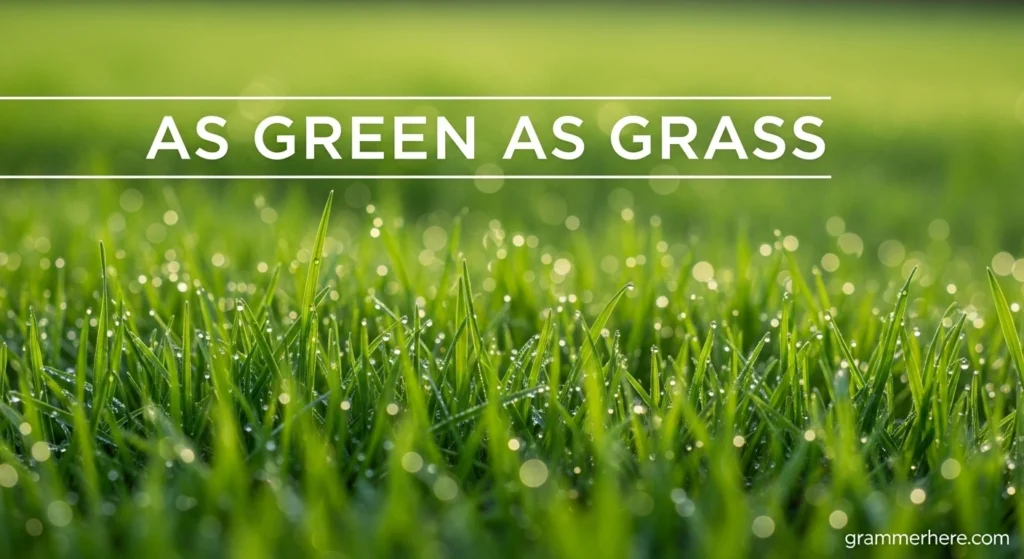
Meaning: New or inexperienced.
Usage Insight: Useful in learning contexts.
Examples:
- I was green as grass on my first day.
- He felt green as grass at school.
As Calm as Still Water
Meaning: Peaceful and relaxed.
Usage Insight: Great for emotional control.
Examples:
- She felt calm as still water.
- His voice stayed calm as still water.
As Bright as a Star
Meaning: Very talented or shining.
Usage Insight: Perfect for achievements.
Examples:
- She performed bright as a star.
- His future looked bright as a star.
As Gentle as the Breeze
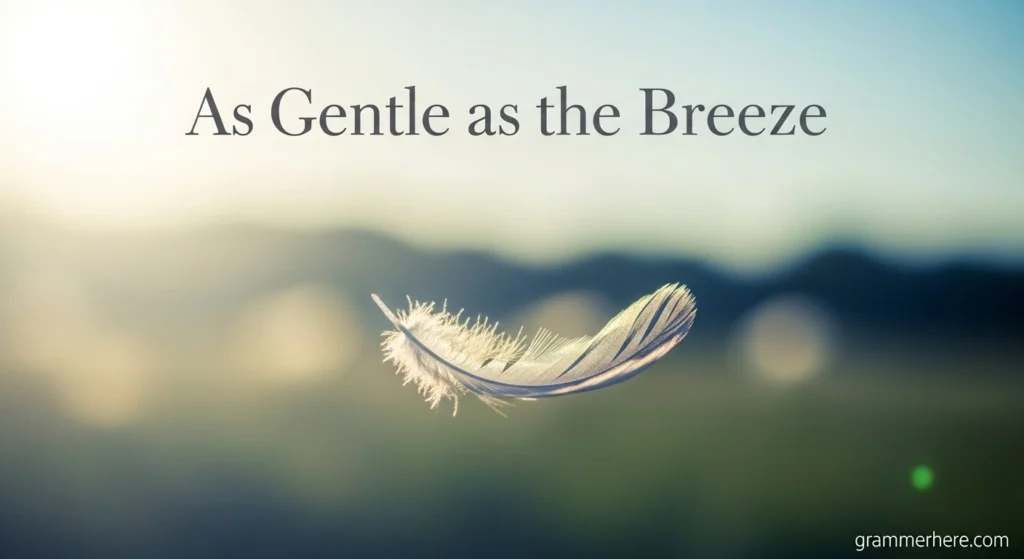
Meaning: Soft and soothing.
Usage Insight: Ideal for nature descriptions.
Examples:
- Her touch was gentle as the breeze.
- The wind felt gentle as the breeze.
As Strong as Roots
Meaning: Deeply strong and grounded.
Usage Insight: Great for values and family themes.
Examples:
- Their friendship was strong as roots.
- His beliefs stayed strong as roots.
How to Use Similes Effectively in Writing
To use similes well, choose comparisons your readers already know and can imagine easily. In poems and songs, similes add rhythm and emotion. In stories, they help describe characters, settings, and feelings clearly. For essays and school writing, similes can make explanations more interesting without sounding confusing. Always make sure the comparison fits the idea you want to explain and does not feel forced. Simple, clear similes are often more powerful than complicated ones.
FAQs About Common Similes for Kids
What are common similes for kids? They are easy, familiar comparisons using “like” or “as” that help children understand ideas clearly.
What is the difference between a simile and a metaphor? A simile uses “like” or “as,” while a metaphor compares directly without those words.
Are similes used in literature? Yes, similes in literature help create strong imagery and emotional connections.
Can similes be used in school essays? Absolutely. When used carefully, similes improve clarity and engagement.
Why are nature similes good for kids? Nature similes are easy to visualize and relate to everyday experiences.
Conclusion
Common similes for kids make language brighter, clearer, and more expressive. They turn simple ideas into vivid images that readers can see and feel. By using similes inspired by nature, trees, animals, and daily life, young writers learn to add emotion, creativity, and depth to their words. Whether in stories, poems, essays, or songs, these similes strengthen communication and build confidence. With practice, kids can use similes to grow their writing just like a strong tree—rooted in clarity and reaching toward imagination.