Stress is a feeling everyone experiences at some point, whether from work, relationships, or life’s unexpected challenges. Using figurative language, such as similes and metaphors, allows writers and speakers to express stress in vivid, relatable ways. Similes compare one thing to another using words like “like” or “as”, creating imagery that makes abstract feelings more tangible. Nature often inspires these comparisons, with elements like stormy skies, rushing rivers, or heavy clouds capturing the depth and complexity of human emotions. By connecting stress to natural phenomena, writers can evoke understanding, empathy, and resonance in readers. Figurative language also engages the imagination, turning intangible feelings into experiences we can see, feel, or even hear. In literature, similes and metaphors enrich storytelling, making emotions like stress more impactful and memorable. Whether for poetry, essays, or creative writing, these comparisons breathe life into abstract ideas, making them vivid and relatable.
What Is a Simile?
A simile is a figure of speech that directly compares two different things to highlight a shared quality, often using the words “like” or “as.” It is a powerful tool to make writing more vivid, descriptive, and relatable.
Example: “Her mind was like a stormy sea, tossing worries with every wave.” This simile conveys the chaotic and overwhelming nature of stress by comparing it to a turbulent ocean, allowing readers to visualize and feel the emotion.
Similes for Stress
1. Like a pressure cooker about to blow
Meaning
This simile evokes the feeling of intense, mounting tension that seems ready to explode at any moment.
Usage
Best used in dramatic or emotional writing to convey urgent, high-stress situations. Works well in storytelling or personal essays.
Example
- His anxiety built like a pressure cooker about to blow, each task adding heat.
- She felt like a pressure cooker about to blow as deadlines closed in.
2. Like a tangled knot of wires
Meaning
Represents a mind overwhelmed with confusion, conflicting thoughts, and complexity.
Usage
Ideal for reflective or analytical writing describing mental strain or decision-making stress.
Example
- His thoughts twisted like a tangled knot of wires, impossible to unravel.
- The instructions left her brain like a tangled knot of wires, frazzled and unsure.
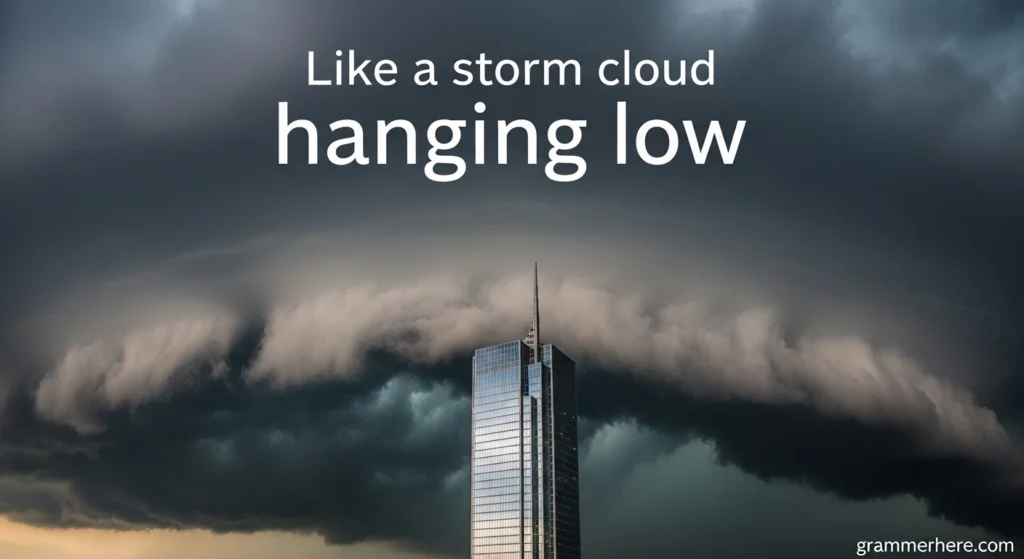
3. Like a storm cloud hanging low
Meaning
Suggests looming pressure and emotional heaviness.
Usage
Poetic or descriptive writing works best; conveys a sense of inevitability and tension.
Example
- Stress hovered over him like a storm cloud hanging low.
- She carried worries like a storm cloud hanging low above her head.
4. Like a backpack overloaded with stones
Meaning
Symbolizes the cumulative weight of responsibilities and emotional burden.
Usage
Reflective or narrative writing; helps readers visualize heavy pressure.
Example
- He trudged through the day like a backpack overloaded with stones.
- Her shoulders ached under the weight, like a backpack overloaded with stones.
5. Like ants crawling under the skin
Meaning
Captures the sensation of nervous tension and restlessness.
Usage
Effective in personal essays or creative writing when depicting subtle physical symptoms of stress.
Example
- The meeting made him jittery, like ants crawling under his skin.
- Anxiety prickled her nerves like ants crawling under the skin.
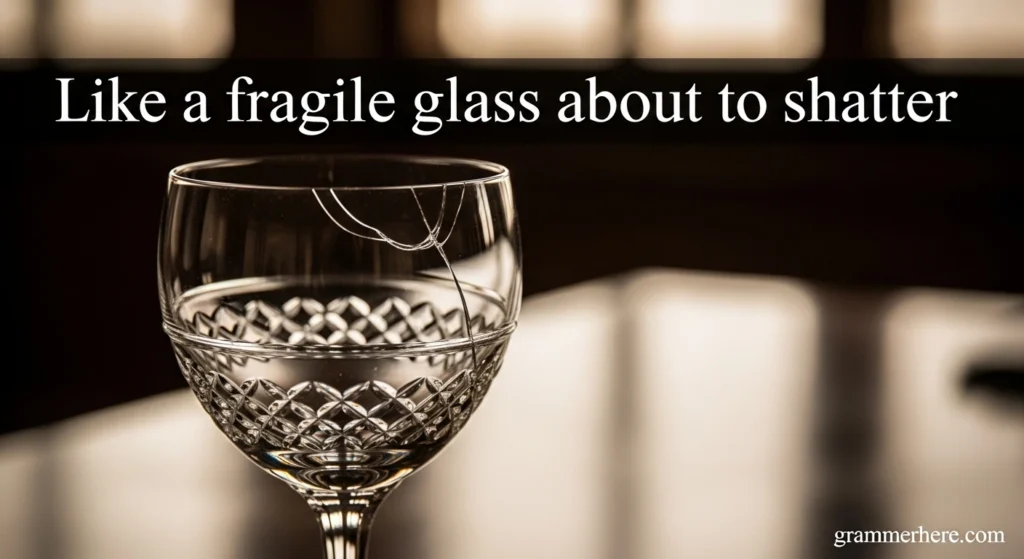
6. Like a fragile glass about to shatter
Meaning
Portrays extreme emotional vulnerability and potential breakdown.
Usage
Best in dramatic, reflective, or emotional contexts. Works in both literature and expressive essays.
Example
- She felt like fragile glass about to shatter under criticism.
- His composure was like fragile glass about to shatter with every insult.
7. Like waves crashing relentlessly
Meaning
Shows the unending and overpowering nature of stress.
Usage
Poetic or descriptive narratives benefit most, emphasizing persistence.
Example
- Responsibilities pounded him like waves crashing relentlessly.
- Anxiety hit her like waves crashing relentlessly on a stormy shore.
8. Like a ticking time bomb
Meaning
Represents constant pressure and the potential for sudden emotional eruption.
Usage
Dramatic or intense writing; excellent for suspense or storytelling.
Example
- He walked into the office like a ticking time bomb.
- Her frustration simmered like a ticking time bomb waiting to explode.
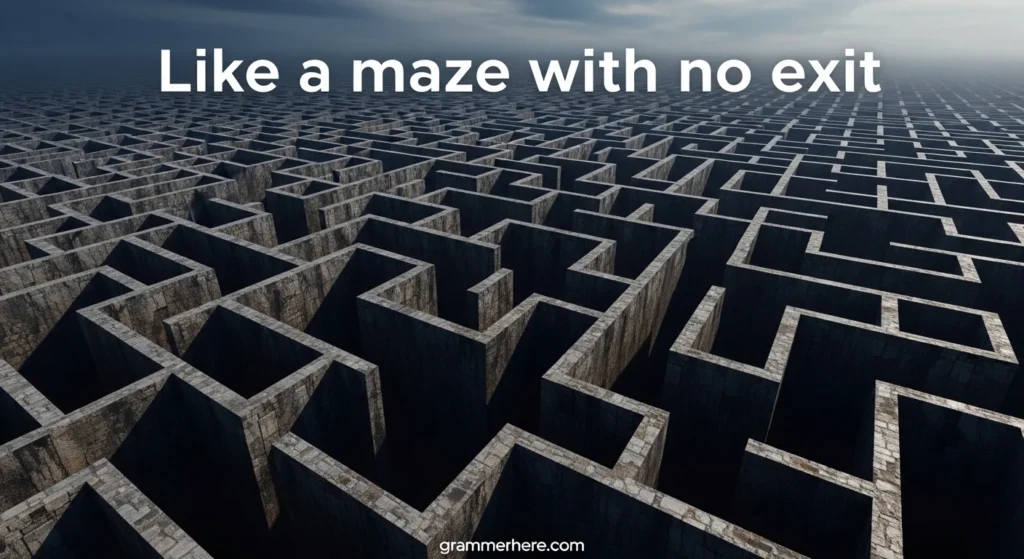
9. Like a maze with no exit
Meaning
Illustrates feeling trapped, confused, or hopeless under stress.
Usage
Reflective writing or personal essays about overwhelming situations.
Example
- Her mind was like a maze with no exit, tangled in worry.
- Navigating the bureaucracy felt like a maze with no exit.
10. Like a storm tearing through the night
Meaning
Highlights sudden, chaotic, and intense emotional upheaval.
Usage
Poetic or literary works; adds drama and vivid imagery.
Example
- Panic struck like a storm tearing through the night.
- Her emotions raged like a storm tearing through the night sky.
11. Like carrying invisible weights
Meaning
Suggests unseen burdens that affect mood, energy, and focus.
Usage
Good for reflective or personal storytelling.
Example
- He moved through life like carrying invisible weights.
- Stress pressed on her chest like carrying invisible weights.
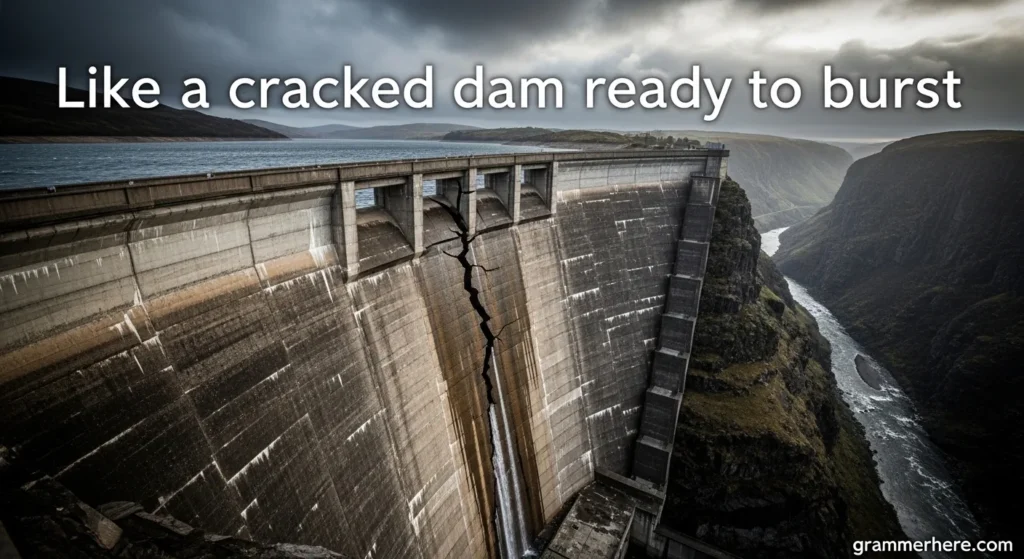
12. Like a cracked dam ready to burst
Meaning
Represents pent-up emotion on the verge of spilling over.
Usage
Dramatic or narrative writing; conveys urgency and tension.
Example
- His patience snapped like a cracked dam ready to burst.
- Her anger bubbled like a cracked dam ready to burst.
13. Like a clouded mind
Meaning
Depicts mental fog, confusion, and lack of clarity under stress.
Usage
Best in reflective, narrative, or descriptive writing.
Example
- He stared blankly, his thoughts like a clouded mind.
- Stress left her judgment like a clouded mind.
14. Like walking on a tightrope
Meaning
Illustrates balancing responsibilities while feeling precarious and tense.
Usage
Metaphorical storytelling, reflective essays, or dramatic narratives.
Example
- Managing deadlines felt like walking on a tightrope.
- She navigated her obligations like walking on a tightrope.
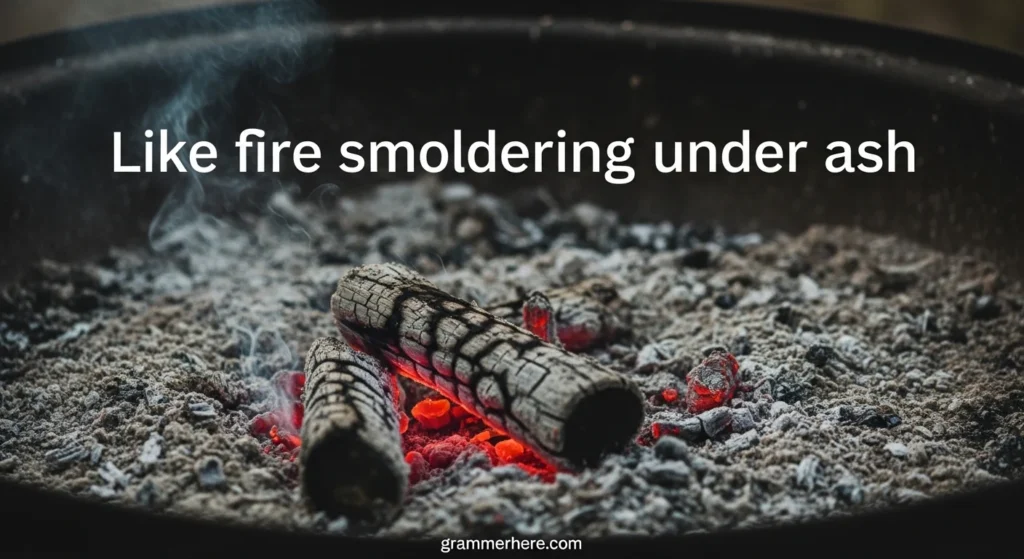
15. Like fire smoldering under ash
Meaning
Represents suppressed anger, tension, or anxiety ready to flare up.
Usage
Poetic or emotional writing; effective for subtle yet intense stress.
Example
- Frustration lingered like fire smoldering under ash.
- His resentment hid like fire smoldering under ash.
16. Like a spinning top about to fall
Meaning
Symbolizes imbalance, exhaustion, and imminent collapse.
Usage
Reflective, narrative, or storytelling contexts.
Example
- She felt like a spinning top about to fall under pressure.
- His focus wavered like a spinning top about to fall.
17. Like shadows crowding the mind
Meaning
Depicts intrusive, dark thoughts encroaching on mental space.
Usage
Poetic, narrative, or psychological descriptions.
Example
- Doubts gathered like shadows crowding the mind.
- Her fears loomed like shadows crowding the mind.
18. Like a machine running too fast

Meaning
Represents relentless, exhausting mental activity and overdrive.
Usage
Technical or narrative storytelling; emphasizes fatigue.
Example
- His brain worked like a machine running too fast.
- She felt like a machine running too fast, on the verge of breaking.
19. Like leaves in a hurricane
Meaning
Shows feeling tossed, powerless, and overwhelmed by circumstances.
Usage
Poetic or narrative writing; conveys chaos and vulnerability.
Example
- Her plans scattered like leaves in a hurricane.
- Anxiety sent him spinning like leaves in a hurricane.
20. Like a ticking clock in a silent room
Meaning
Represents constant pressure, looming deadlines, and awareness of time passing.
Usage
Reflective, narrative, or poetic writing; emphasizes tension.
Example
- The deadline loomed like a ticking clock in a silent room.
- He waited nervously, like a ticking clock in a silent room.
21. Like molten lava under a thin crust
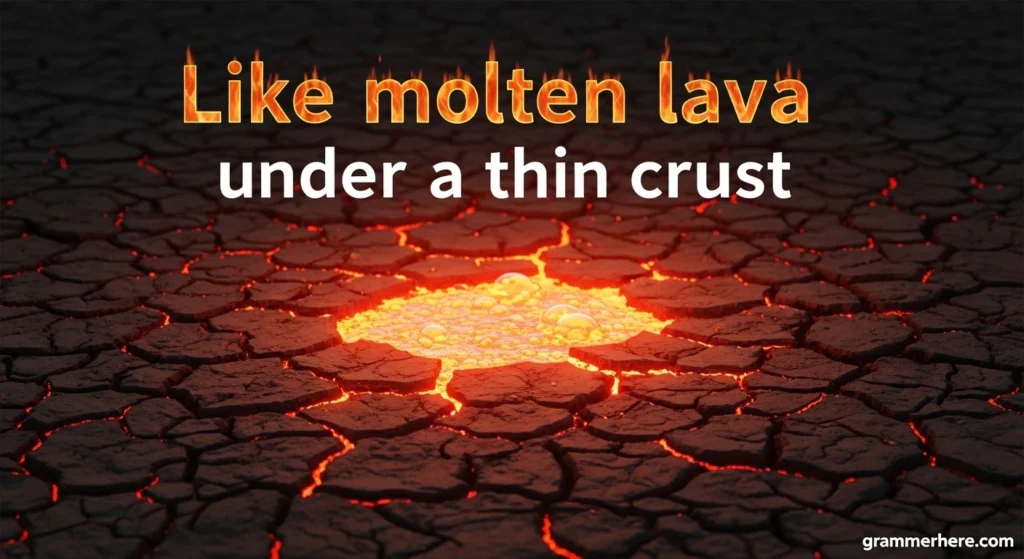
Meaning
Represents suppressed emotion or stress ready to erupt.
Usage
Poetic, dramatic, or intense narrative writing.
Example
- Her anger seethed like molten lava under a thin crust.
- He carried his frustration like molten lava under a thin crust.
22. Like fog rolling over a hill
Meaning
Depicts gradual confusion or uncertainty clouding thoughts.
Usage
Poetic or reflective writing; adds calm yet ominous imagery.
Example
- Stress settled over her like fog rolling over a hill.
- His mind drifted in uncertainty, like fog rolling over a hill.
23. Like an engine sputtering under load
Meaning
Represents strain, fatigue, and mental or emotional overwork.
Usage
Technical, reflective, or narrative writing; conveys effort and pressure.
Example
- His mind felt like an engine sputtering under load.
- She worked like an engine sputtering under load.
24. Like a river dammed behind rocks
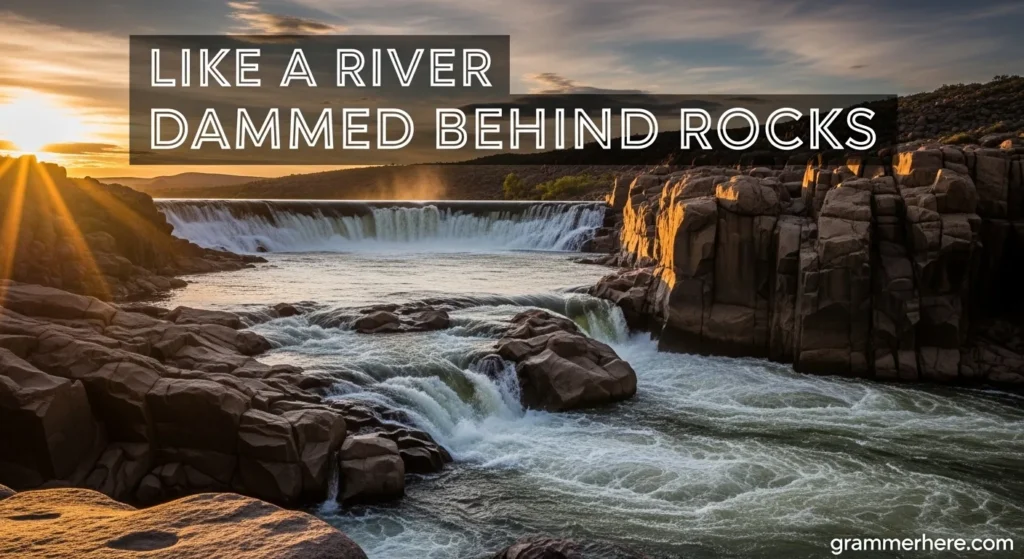
Meaning
Represents emotion or thoughts held back, building tension.
Usage
Poetic or literary writing; emphasizes anticipation or pressure.
Example
- Frustration surged like a river dammed behind rocks.
- His creativity blocked, like a river dammed behind rocks.
25. Like a garden overrun with weeds
Meaning
Represents a mind or life overtaken by stress or disorder.
Usage
Reflective, descriptive, or narrative writing; evokes growth and neglect imagery.
Example
- Her schedule became like a garden overrun with weeds.
- Anxiety spread in his mind like a garden overrun with weeds.
26. Like a bell ready to ring
Meaning
Represents alertness, tension, and the potential for sudden action.
Usage
Narrative, dramatic, or poetic contexts; conveys suspense.
Example
- He was like a bell ready to ring, tense with anticipation.
- Her patience stood like a bell ready to ring.
27. Like smoke rising from a dying fire
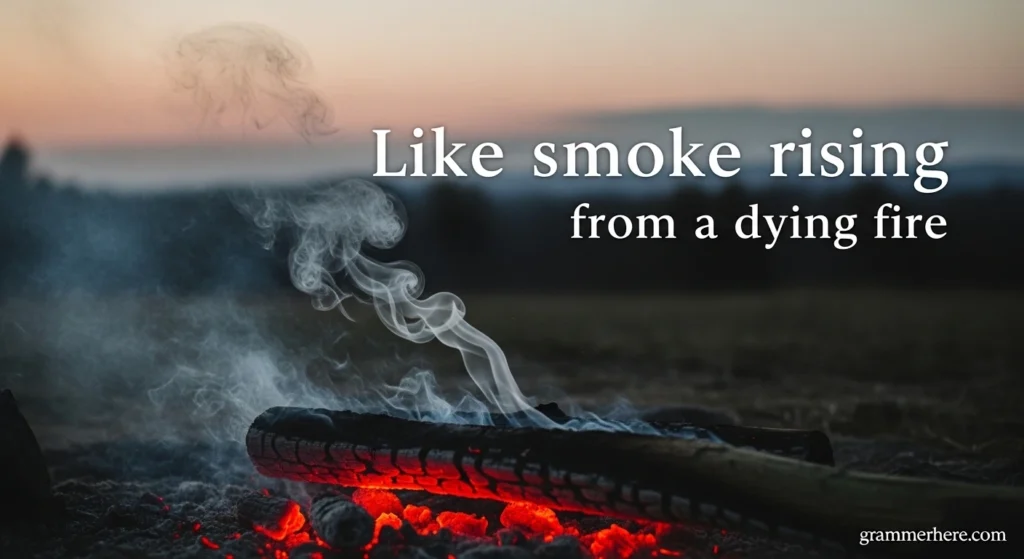
Meaning
Represents fading energy, subtle stress, or lingering worry.
Usage
Poetic, reflective, or literary writing.
Example
- Anxiety lingered like smoke rising from a dying fire.
- His hope dwindled like smoke rising from a dying fire.
28. Like sand slipping through fingers
Meaning
Represents loss of control, fleeting stability, or stress slipping away from comprehension.
Usage
Reflective or poetic writing; adds gentle, sorrowful imagery.
Example
- Time and patience slipped like sand through fingers.
- Her control over the situation felt like sand slipping through fingers.
29. Like ice cracking under weight
Meaning
Represents fragile composure under mounting pressure.
Usage
Dramatic, narrative, or reflective writing; emphasizes fragility.
Example
- His calm was like ice cracking under weight.
- She braced herself, like ice cracking under weight.
30. Like a kite in a storm
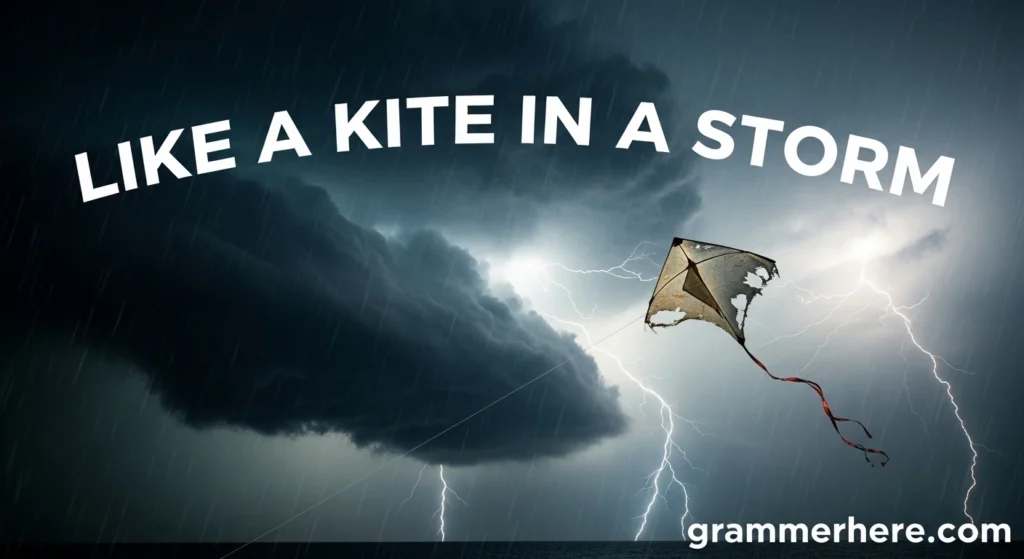
Meaning
Represents being tossed, powerless, or overwhelmed by circumstances.
Usage
Poetic, descriptive, or narrative; conveys vulnerability.
Example
- His emotions flew like a kite in a storm.
- She felt like a kite in a storm, unable to steer her thoughts.
31. Like a spider web in the wind
Meaning
Represents delicacy, vulnerability, and being stretched thin by stress.
Usage
Poetic or narrative writing; emphasizes fragility and intricacy.
Example
- Her confidence trembled like a spider web in the wind.
- Plans felt fragile, like a spider web in the wind.
32. Like smoke in a closed room
Meaning
Represents stress building up, suffocating, and inescapable.
Usage
Dramatic, reflective, or poetic; conveys claustrophobia and pressure.
Example
- Tension grew like smoke in a closed room.
- He felt trapped, like smoke in a closed room.
33. Like a pendulum swinging too fast
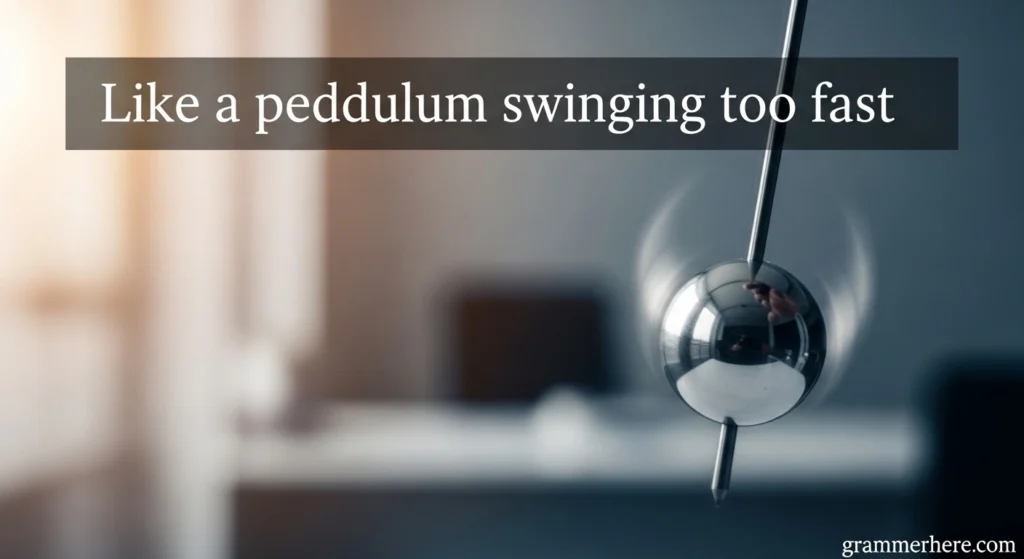
Meaning
Represents restless thoughts, anxiety, and instability.
Usage
Narrative or reflective writing; evokes motion and mental imbalance.
Example
- Her emotions swung like a pendulum swinging too fast.
- Decisions moved through his mind like a pendulum swinging too fast.
34. Like roots tangled in rocks
Meaning
Represents stuck emotions, inability to move forward, or mental blockage.
Usage
Reflective, literary, or poetic; evokes struggle and persistence.
Example
- His thoughts were like roots tangled in rocks, unable to grow.
- Stress held her back like roots tangled in rocks.
35. Like a dark tunnel with no light
Meaning
Represents feeling trapped, hopeless, or overwhelmed by stress.
Usage
Reflective, emotional, or narrative writing; emphasizes intensity and lack of relief.
Example
- Anxiety felt like a dark tunnel with no light.
- He wandered through worry like a dark tunnel with no light.
How to Use Similes Effectively in Writing
- Enhance Emotion: Use similes to turn abstract feelings like stress into concrete imagery readers can understand.
- Be Specific: Choose natural, vivid comparisons that match your tone and context.
- Vary Style: Mix simple similes with complex ones for rhythm in stories or poems.
- Balance: Avoid overloading sentences; one well-placed simile is often more powerful than several.
- Adapt to Genre: Use reflective, poetic similes for essays or novels; subtle ones work well in academic writing.
- Invoke Senses: Similes that involve touch, sight, sound, or movement make emotions more tangible.
- Experiment with Nature: Sky, water, wind, and fire are excellent metaphors for internal states like stress.
FAQs
Q1: What is the difference between a simile and a metaphor? A simile explicitly compares two things using “like” or “as”, whereas a metaphor implies the comparison directly without those words. Example: “Her mind is a storm” (metaphor) vs. “Her mind is like a storm” (simile).
Q2: How do similes make writing about stress more effective? Similes turn abstract feelings into vivid imagery, helping readers visualize, empathize, and emotionally connect with the writer’s experience.
Q3: Can similes be used in academic writing? Yes, sparing and precise similes can clarify complex ideas or illustrate emotional concepts in essays and research papers.
Q4: Are nature-based similes better than other types? Nature similes often resonate strongly because natural phenomena are universal and evoke instinctive feelings, making abstract emotions easier to understand.
Q5: How many similes should a story or essay include? There is no strict rule; include only as many as enhance clarity, imagery, and emotional depth without overwhelming the reader. Quality matters more than quantity.
Conclusion
Stress can feel overwhelming, but words have the power to shape understanding. Using similes and metaphors, especially those drawn from nature, allows writers to express tension, anxiety, and emotional heaviness in a way that readers can see, feel, and relate to. These comparisons do more than decorate text—they illuminate inner worlds, making complex emotions vivid and tangible. Whether in stories, poems, essays, or songs, similes for stress bring clarity, imagination, and depth, turning invisible tension into language that resonates and inspires.