
Similes are one of the easiest and most enjoyable ways to bring language to life. They help students compare one thing to another using words like “as” or “like,” making ideas clearer, stronger, and more memorable. In figurative language, similes are especially important because they turn simple sentences into vivid images that readers can easily imagine. Nature-based similes, particularly those connected to trees, are powerful because trees naturally represent strength, growth, resilience, wisdom, and deep human emotions. Just like people, trees grow, bend, endure storms, and stand tall over time. This similes worksheet for grade is designed to help students understand comparisons through clear meanings, simple usage tips, and natural examples. Whether used in classrooms or at home, these similes make learning creative, engaging, and effective.
What Is a Simile?
A simile is a figure of speech that compares two different things using the words like or as to make descriptions more vivid and meaningful.
Example: She stood as strong as an oak tree during hard times.
1. As strong as an oak
Meaning: Extremely strong and dependable.
Usage: Best used to describe physical or emotional strength.
Examples:
- He remained as strong as an oak through every challenge.
- Her determination was as strong as an oak in a storm.
2. Like a tree reaching for the sun
Meaning: Full of ambition and hope.
Usage: Ideal for goals, dreams, and personal growth.
Examples:
- She studied hard, like a tree reaching for the sun.
- His dreams grew like a tree reaching for the sun.
3. As steady as a rooted tree
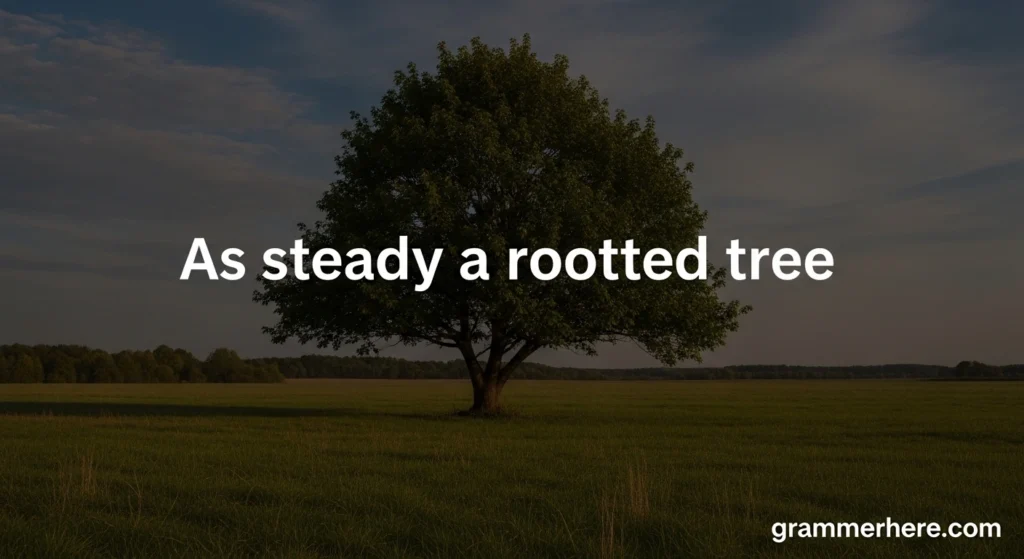
Meaning: Calm and stable under pressure.
Usage: Useful for emotional balance or reliability.
Examples:
- The teacher stayed as steady as a rooted tree.
- He faced criticism as steady as a rooted tree.
4. Like leaves dancing in the wind
Meaning: Light, free, and joyful movement.
Usage: Works well in poetry and descriptive writing.
Examples:
- The children ran like leaves dancing in the wind.
- Her laughter floated like leaves dancing in the wind.
5. As tall as a pine
Meaning: Very tall or impressive.
Usage: Best for physical descriptions.
Examples:
- The building stood as tall as a pine.
- He grew as tall as a pine by high school.
6. Like a tree bending in a storm
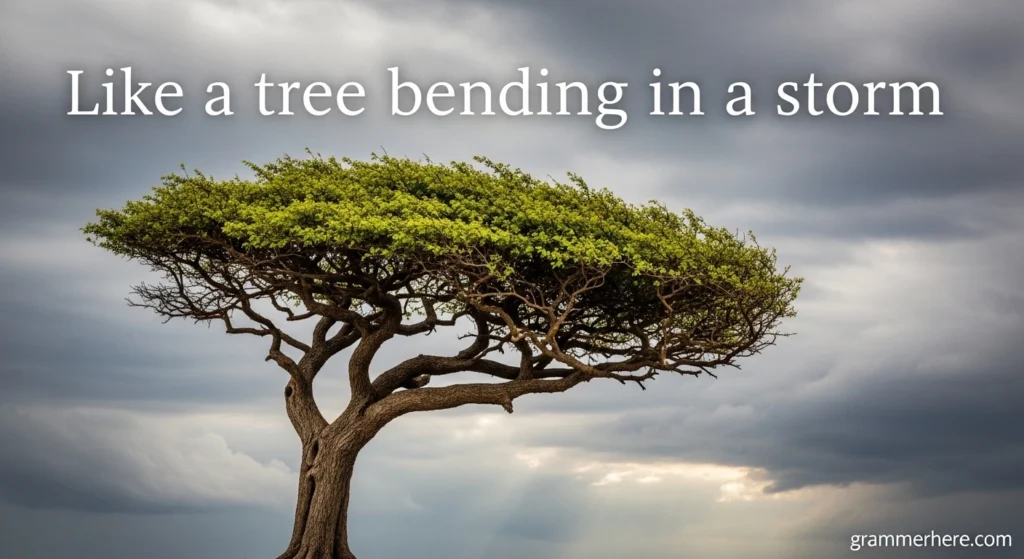
Meaning: Flexible during difficulties.
Usage: Great for showing resilience.
Examples:
- She adapted like a tree bending in a storm.
- He survived failure like a tree bending in a storm.
7. As quiet as a forest at dawn
Meaning: Extremely silent and peaceful.
Usage: Ideal for setting a calm mood.
Examples:
- The classroom was as quiet as a forest at dawn.
- The village felt as quiet as a forest at dawn.
8. Like roots gripping the earth
Meaning: Deeply connected or loyal.
Usage: Works well for family, culture, or values.
Examples:
- His beliefs held firm like roots gripping the earth.
- She stayed loyal like roots gripping the earth.
9. As patient as a growing tree
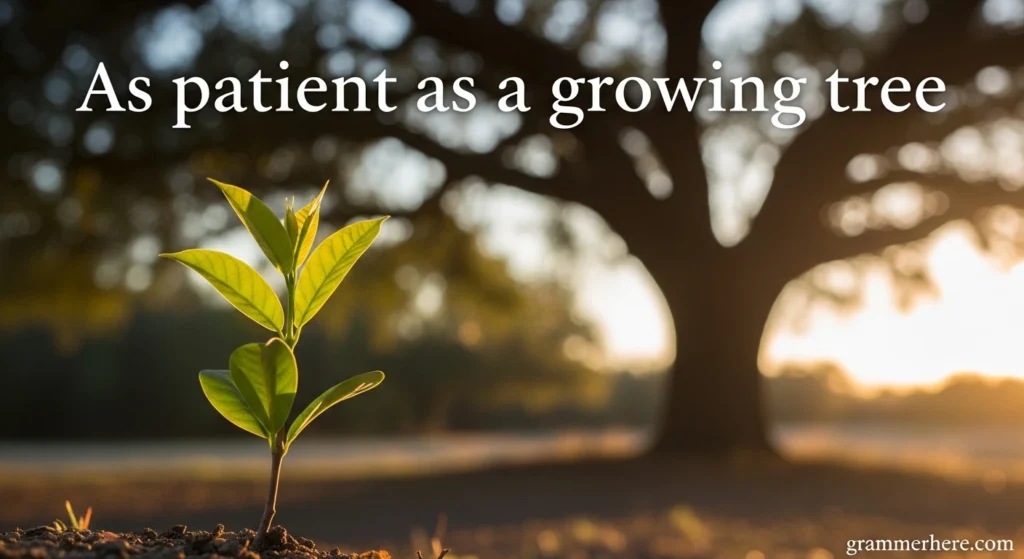
Meaning: Willing to wait for results.
Usage: Perfect for lessons about time and effort.
Examples:
- Learning requires being as patient as a growing tree.
- He waited as patient as a growing tree.
10. Like branches reaching outward
Meaning: Open to new ideas or people.
Usage: Useful for social or emotional growth.
Examples:
- She made friends like branches reaching outward.
- His mind expanded like branches reaching outward.
11. As fresh as spring leaves
Meaning: New and full of life.
Usage: Best for beginnings and renewal.
Examples:
- Her ideas felt as fresh as spring leaves.
- The project started as fresh as spring leaves.
12. Like a fallen leaf
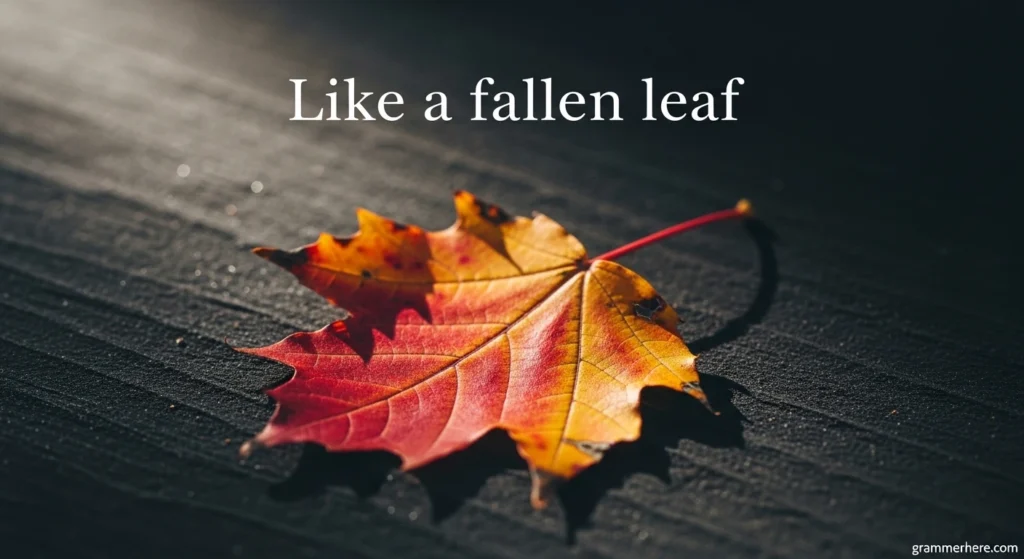
Meaning: Letting go or ending gently.
Usage: Effective in emotional writing.
Examples:
- He accepted change like a fallen leaf.
- The moment passed like a fallen leaf.
13. As wise as an ancient tree
Meaning: Full of knowledge and experience.
Usage: Great for elders or mentors.
Examples:
- The teacher spoke as wise as an ancient tree.
- His advice was as wise as an ancient tree.
14. Like bark protecting a trunk
Meaning: Emotional or physical protection.
Usage: Ideal for themes of defense and care.
Examples:
- Her confidence worked like bark protecting a trunk.
- The rules acted like bark protecting a trunk.
15. As deep as tree roots
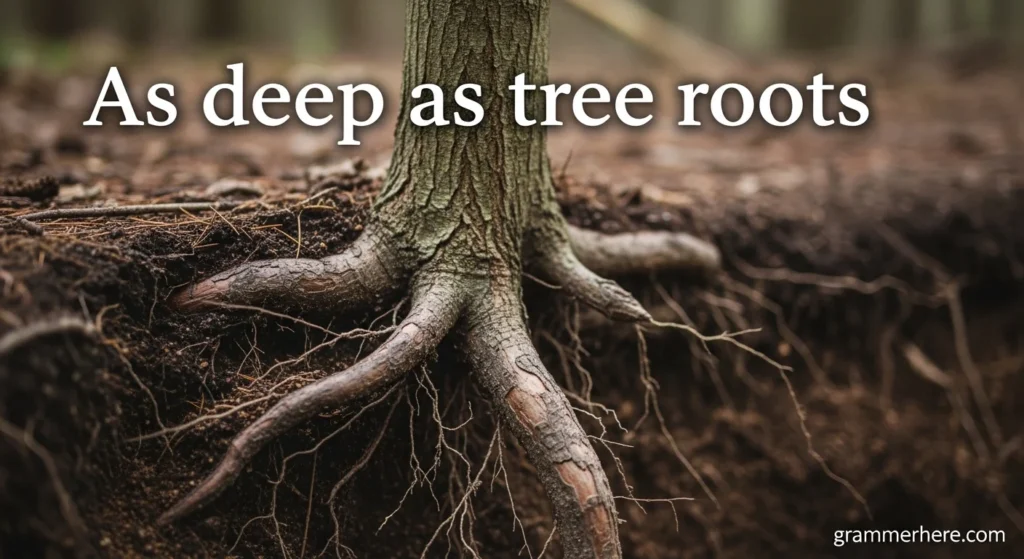
Meaning: Strong and meaningful.
Usage: Best for emotions and relationships.
Examples:
- Their friendship ran as deep as tree roots.
- His love was as deep as tree roots.
16. Like a forest after rain
Meaning: Renewed and refreshed.
Usage: Works well after conflict or stress.
Examples:
- She felt calm like a forest after rain.
- The team regrouped like a forest after rain.
17. As green as new leaves
Meaning: Young or inexperienced.
Usage: Useful for learning stages.
Examples:
- He was as green as new leaves at work.
- The players were as green as new leaves.
18. Like a tree standing alone
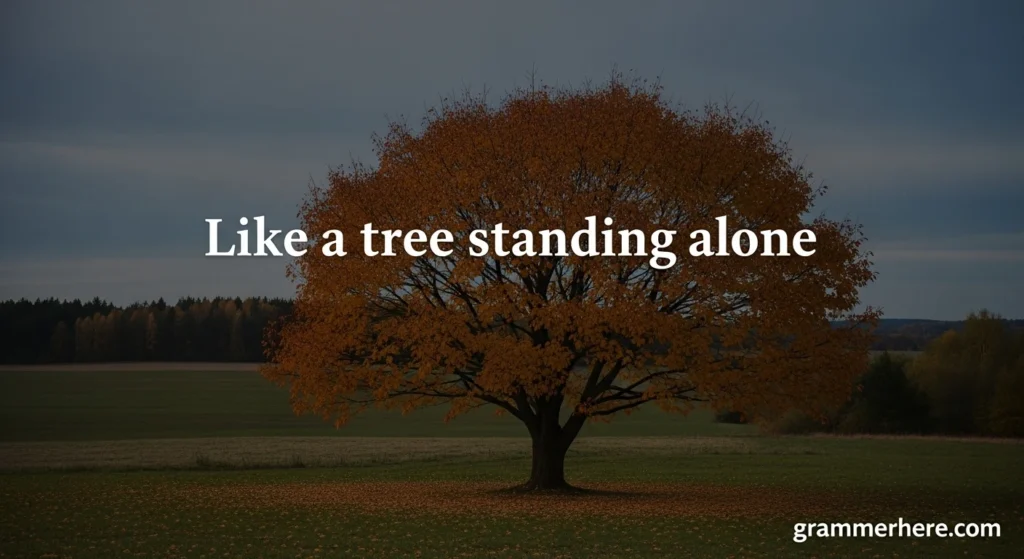
Meaning: Independent and self-reliant.
Usage: Best for individuality.
Examples:
- She lived like a tree standing alone.
- He faced life like a tree standing alone.
19. As calm as a shaded grove
Meaning: Peaceful and relaxed.
Usage: Ideal for quiet scenes.
Examples:
- Her voice was as calm as a shaded grove.
- The park felt as calm as a shaded grove.
20. Like autumn leaves falling
Meaning: Gradual change or loss.
Usage: Good for transitions.
Examples:
- Old habits faded like autumn leaves falling.
- The year passed like autumn leaves falling.
21. As firm as a tree trunk
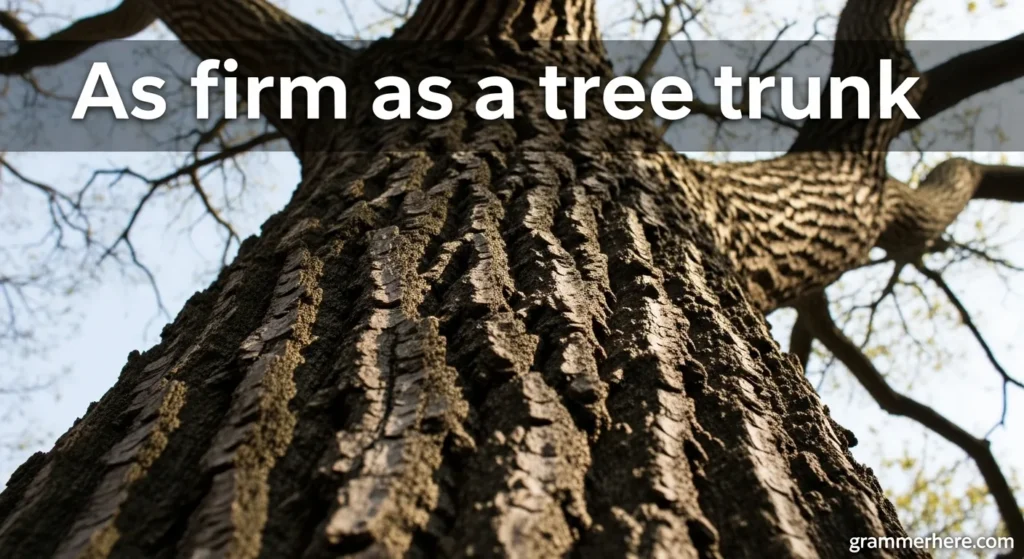
Meaning: Strong-willed or unmovable.
Usage: Useful for decisions and beliefs.
Examples:
- His opinion stayed as firm as a tree trunk.
- She stood as firm as a tree trunk.
22. Like sap rising in spring
Meaning: Growing energy or excitement.
Usage: Best for motivation.
Examples:
- Hope rose like sap in spring.
- Creativity flowed like sap in spring.
23. As protective as a forest canopy
Meaning: Providing shelter or safety.
Usage: Works well for care and security.
Examples:
- Parents can be as protective as a forest canopy.
- The law acted as protective as a forest canopy.
24. Like branches heavy with fruit
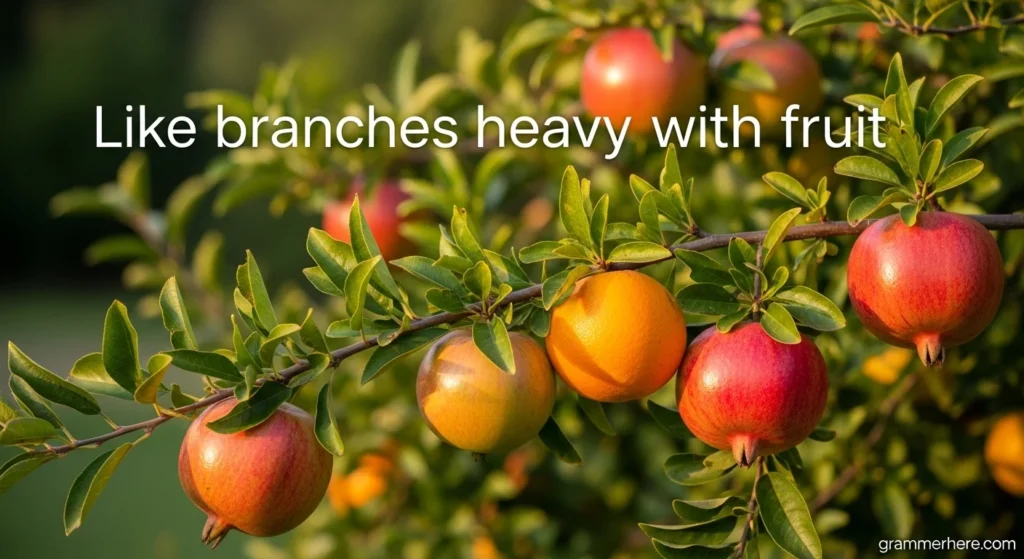
Meaning: Full of success or results.
Usage: Ideal for achievements.
Examples:
- Her hard work paid off like branches heavy with fruit.
- The year ended like branches heavy with fruit.
25. As quiet as falling leaves
Meaning: Very soft and gentle.
Usage: Perfect for subtle moments.
Examples:
- She entered as quiet as falling leaves.
- His apology was as quiet as falling leaves.
26. Like roots searching for water
Meaning: Seeking survival or purpose.
Usage: Good for struggle and determination.
Examples:
- He studied like roots searching for water.
- Dreams grew like roots searching for water.
27. As graceful as willow branches
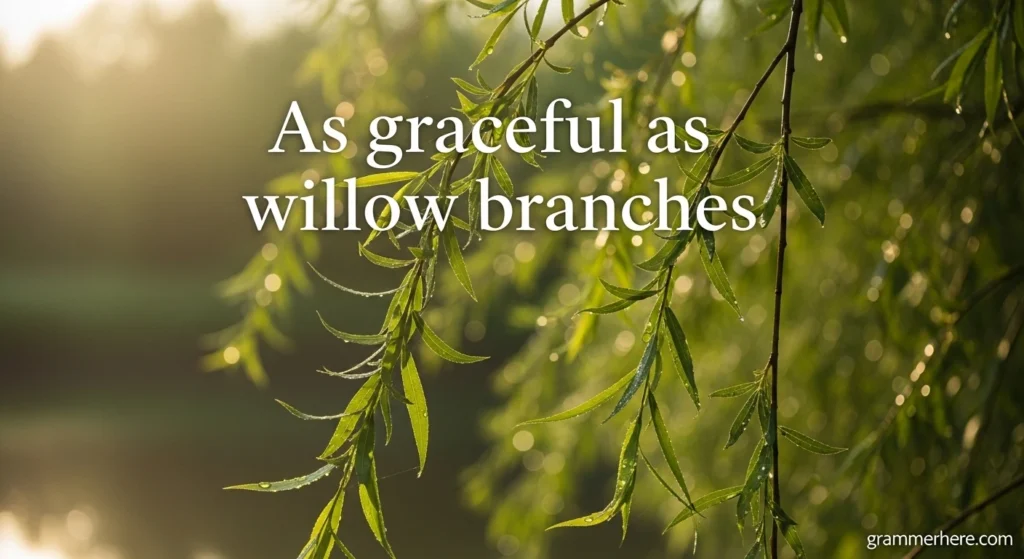
Meaning: Elegant and smooth.
Usage: Best for movement and beauty.
Examples:
- She danced as graceful as willow branches.
- The river flowed as graceful as willow branches.
28. Like a tree growing rings
Meaning: Gaining experience over time.
Usage: Useful for age and wisdom.
Examples:
- He matured like a tree growing rings.
- Lessons added up like a tree growing rings.
29. As resilient as forest regrowth
Meaning: Recovering after hardship.
Usage: Ideal for motivation.
Examples:
- The town rebuilt as resilient as forest regrowth.
- She bounced back as resilient as forest regrowth.
30. Like leaves soaking sunlight
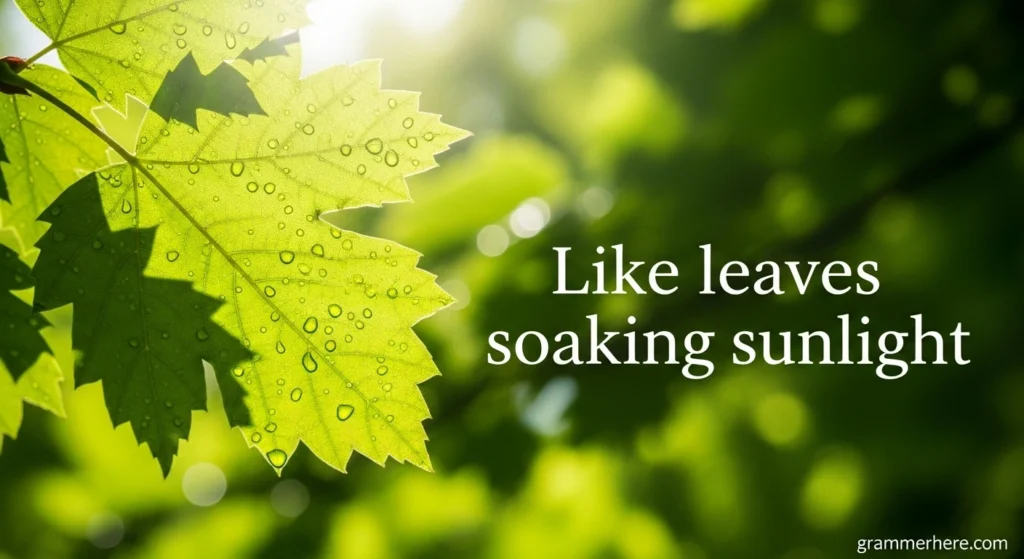
Meaning: Absorbing knowledge eagerly.
Usage: Best for learning contexts.
Examples:
- Students learned like leaves soaking sunlight.
- She listened like leaves soaking sunlight.
31. As gentle as rustling leaves
Meaning: Soft and kind.
Usage: Works well for tone or voice.
Examples:
- His words were as gentle as rustling leaves.
- The breeze felt as gentle as rustling leaves.
32. Like a tree sheltering birds
Meaning: Offering support or care.
Usage: Good for kindness themes.
Examples:
- She helped others like a tree sheltering birds.
- The school acted like a tree sheltering birds.
33. As grounded as deep roots
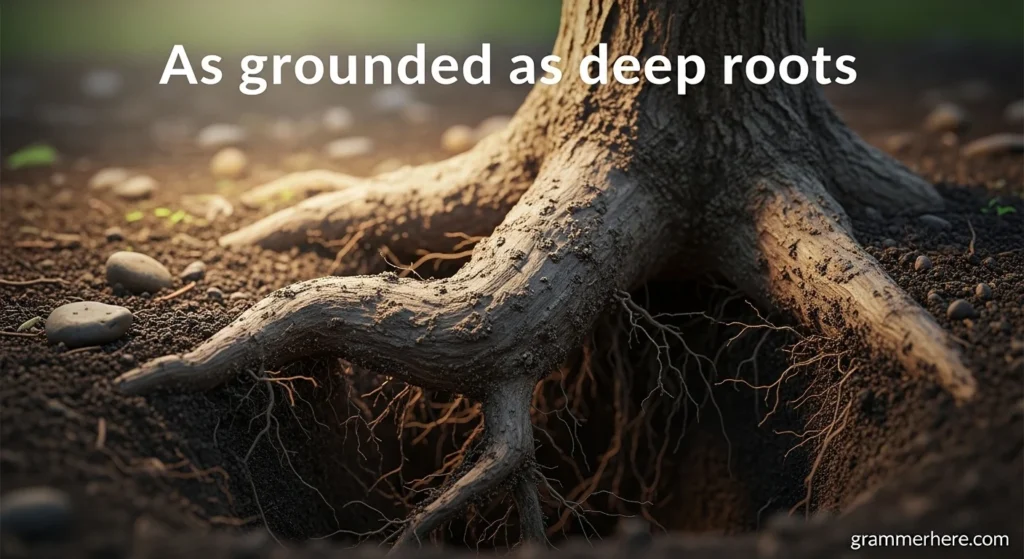
Meaning: Sensible and realistic.
Usage: Best for character traits.
Examples:
- He stayed as grounded as deep roots.
- Her advice was as grounded as deep roots.
34. Like a forest full of life
Meaning: Energetic and diverse.
Usage: Useful for communities.
Examples:
- The city felt like a forest full of life.
- The classroom buzzed like a forest full of life.
35. As hopeful as a planted seed
Meaning: Believing in future growth.
Usage: Ideal for inspiration.
Examples:
- Her plans were as hopeful as a planted seed.
- Change began as hopeful as a planted seed.
How to Use Similes Effectively in Writing
To use similes well, choose comparisons that feel natural and clear to the reader. In poems and songs, similes add rhythm and emotion. In stories, they help readers visualize characters and settings. In essays and academic writing, similes can clarify complex ideas when used carefully. Avoid overusing them, and always match the simile to the tone of your writing. Simple, familiar comparisons often work better than complicated ones.
FAQs
What is a similes worksheet for grade? It is a learning resource that helps students practice understanding and using similes through examples and explanations.
What is the difference between similes and metaphors? Similes use like or as to compare, while metaphors compare directly without those words.
Are similes useful in academic writing? Yes, when used sparingly, similes can clarify ideas and improve understanding.
Why are nature similes effective? Nature similes are familiar and visual, making comparisons easy to understand.
Can similes improve creative writing? Absolutely. Similes add imagery, emotion, and depth to creative work.
Conclusion
This similes worksheet for grade shows how powerful simple comparisons can be. Similes help students see ideas more clearly, feel emotions more deeply, and enjoy language more fully. Tree and nature similes, in particular, reflect growth, strength, and resilience—qualities that connect strongly with human experience. By practicing these similes, learners can improve both creative and academic writing. With the right comparisons, words become images, sentences gain life, and language truly comes alive.