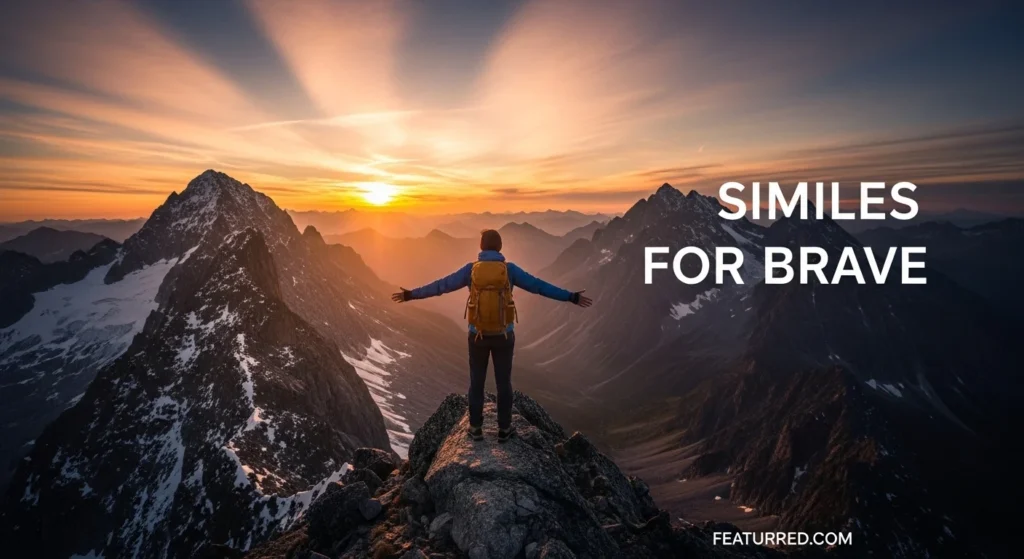
Courage is one of the most powerful human qualities, yet it can be difficult to describe with plain words alone. That’s where similes come in—they help us explain brave actions and fearless feelings through vivid comparisons.
In figurative language, similes make writing more colorful, emotional, and easy to imagine. They allow readers to see bravery instead of just being told about it.
Nature, especially trees, offers some of the strongest symbols for courage because trees stand tall through storms, grow despite hardship, and remain rooted even in harsh conditions. Like brave people, trees show strength, resilience, patience, and quiet wisdom. In this article, you’ll explore powerful similes for brave that bring courage to life through clear imagery and meaningful comparisons.
What Is a Simile?
A simile is a figure of speech that compares two different things using words like “as” or “like.” It helps readers understand an idea more clearly by connecting it to something familiar.
Example: She was as brave as a lion facing the hunt.
Brave as a tree standing in a storm
Meaning: Calm, steady courage in difficult situations.
Usage: Best for quiet, inner strength rather than loud heroics.
Examples:
- He stayed brave as a tree standing in a storm, even when everyone doubted him.
- She faced the criticism with the strength of a tree rooted against fierce winds.
Brave like a mountain oak
Meaning: Strong, enduring bravery that lasts over time.
Usage: Ideal for long-term struggles or leadership roles.
Examples:
- The soldier was brave like a mountain oak, unshaken by years of hardship.
- Her courage grew deeper with time, brave like a mountain oak.
Brave as roots gripping the earth
Meaning: Courage that comes from strong values and beliefs.
Usage: Works well in moral or emotional contexts.
Examples:
- His honesty was brave as roots gripping the earth.
- She stood firm, brave as roots that refuse to loosen.
Brave like a lighthouse in fog
Meaning: Guiding courage that helps others during uncertainty.
Usage: Great for mentors, teachers, or leaders.
Examples:
- She was brave like a lighthouse in fog, guiding others forward.
- His words cut through fear like a lighthouse beam.
Brave as a lion protecting its pride
Meaning: Fierce, protective courage.
Usage: Effective for family or loyalty-based bravery.
Examples:
- He fought for his family, brave as a lion protecting its pride.
- Her voice rose with fearless protection.
Brave like fire in winter
Meaning: Courage that brings warmth and hope in dark times.
Usage: Ideal for emotional or inspirational writing.
Examples:
- Her bravery burned like fire in winter.
- He became hope itself, brave against the cold silence.
Brave as a river breaking stone
Meaning: Persistent courage that overcomes obstacles.
Usage: Best for slow but powerful progress.
Examples:
- She was brave as a river breaking stone over time.
- His patience carved victory from resistance.
Brave like thunder in the sky
Meaning: Bold, loud, and undeniable courage.
Usage: Suitable for dramatic moments.
Examples:
- He spoke the truth, brave like thunder in the sky.
- Her courage echoed across the room.
Brave as a wolf facing the night
Meaning: Courage in isolation or loneliness.
Usage: Works well for personal struggles.
Examples:
- She walked forward, brave as a wolf facing the night.
- He learned to stand alone without fear.
Brave like steel under pressure
Meaning: Strength that increases under stress.
Usage: Perfect for resilience-focused writing.
Examples:
- His courage hardened like steel under pressure.
- She proved strongest when tested most.
Brave as sunrise after darkness
Meaning: Hopeful bravery after hardship.
Usage: Ideal for recovery and healing stories.
Examples:
- Her return was brave as sunrise after darkness.
- He found courage waiting at the edge of despair.
Brave like an eagle in the storm
Meaning: Courage that rises above chaos.
Usage: Best for ambition and vision.
Examples:
- She soared brave like an eagle in the storm.
- His focus lifted him above fear.
Brave as armor in battle
Meaning: Protective courage that shields vulnerability.
Usage: Effective for emotional defense.
Examples:
- His silence was brave as armor in battle.
- She wore courage like a shield.
Brave like a seed pushing through soil
Meaning: Quiet bravery during beginnings.
Usage: Great for growth and new starts.
Examples:
- Starting over felt brave like a seed pushing through soil.
- Her courage emerged slowly but surely.
Brave as a torch in darkness
Meaning: Courage that lights the way for others.
Usage: Ideal for inspirational narratives.
Examples:
- She became brave as a torch in darkness.
- His actions illuminated hope.
Brave like a sailor facing waves
Meaning: Courage amid uncertainty and risk.
Usage: Best for life challenges.
Examples:
- He moved forward brave like a sailor facing waves.
- She trusted herself despite the unknown.
Brave as iron roots of an old tree
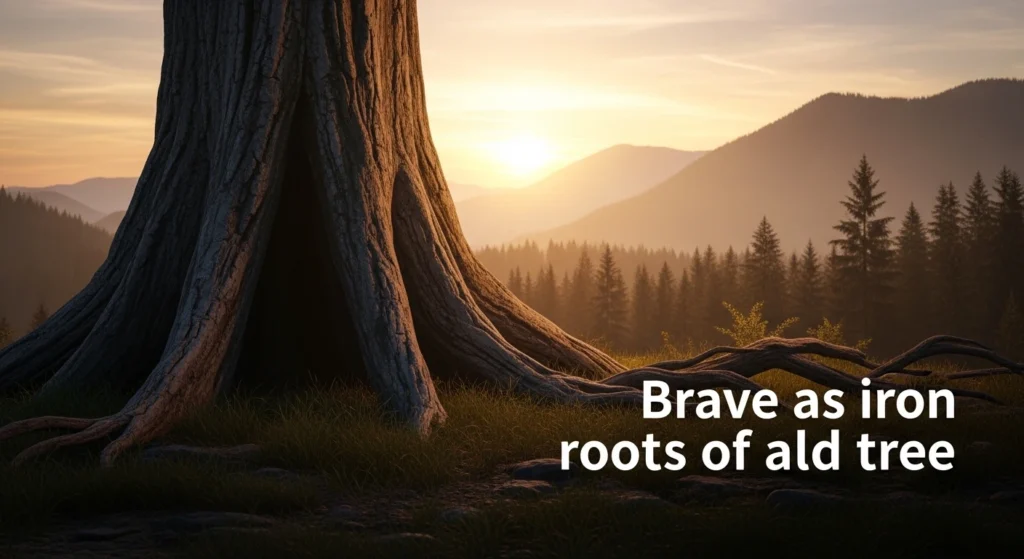
Meaning: Deep, unbreakable courage.
Usage: Strong symbolic writing.
Examples:
- His values were brave as iron roots.
- She refused to bend under pressure.
Brave like a shield raised alone
Meaning: Courage without support.
Usage: Effective for independence themes.
Examples:
- She stood brave like a shield raised alone.
- He faced blame without flinching.
Brave as dawn birds singing
Meaning: Gentle but confident courage.
Usage: Soft, poetic tone.
Examples:
- Her words were brave as dawn birds singing.
- He spoke softly but fearlessly.
Brave like a compass in chaos
Meaning: Moral courage and direction.
Usage: Ideal for ethical decisions.
Examples:
- She remained brave like a compass in chaos.
- His values guided him forward.
Brave as a storm-tested bridge
Meaning: Courage proven through trials.
Usage: Works for endurance themes.
Examples:
- He stayed strong, brave as a storm-tested bridge.
- Her resilience held firm.
Brave like a candle refusing to go out
Meaning: Fragile yet persistent courage.
Usage: Emotional storytelling.
Examples:
- She was brave like a candle refusing to go out.
- His hope flickered but survived.
Brave as the tallest pine
Meaning: Visible, inspiring courage.
Usage: Leadership imagery.
Examples:
- He stood brave as the tallest pine.
- Others drew strength from him.
Brave like a drumbeat in silence
Meaning: Courage that breaks fear.
Usage: Dramatic emphasis.
Examples:
- Her voice was brave like a drumbeat in silence.
- He shattered hesitation.
Brave as a horizon never shrinking
Meaning: Endless courage.
Usage: Motivational writing.
Examples:
- Her dreams were brave as a horizon.
- He refused to limit himself.
Brave like frost against fire
Meaning: Calm courage opposing danger.
Usage: Conflict scenes.
Examples:
- She stayed brave like frost against fire.
- His calm defeated chaos.
Brave as footsteps into the unknown
Meaning: Courage to try despite fear.
Usage: New journeys.
Examples:
- He stepped forward brave as footsteps into the unknown.
- She trusted the path ahead.
Brave like a bell ringing truth
Meaning: Honest courage.
Usage: Truth-telling moments.
Examples:
- She spoke brave like a bell ringing truth.
- His honesty echoed loudly.
Brave as a sky unafraid of lightning
Meaning: Acceptance of danger.
Usage: Philosophical tone.
Examples:
- He lived brave as a sky unafraid of lightning.
- She welcomed challenges.
Brave like a gardener after frost
Meaning: Hopeful courage after loss.
Usage: Recovery themes.
Examples:
- She rebuilt brave like a gardener after frost.
- He planted hope again.
Brave as a heart that keeps loving
Meaning: Emotional courage.
Usage: Romance or healing.
Examples:
- She was brave as a heart that keeps loving.
- He chose trust again.
Brave like a bridge between fears
Meaning: Courage that connects doubt to action.
Usage: Self-growth writing.
Examples:
- He became brave like a bridge between fears.
- She crossed into confidence.
Brave as the oldest tree in the forest
Meaning: Wise, patient courage.
Usage: Reflective writing.
Examples:
- Her strength was brave as the oldest tree.
- He endured quietly.
Brave like stars shining alone
Meaning: Courage without recognition.
Usage: Subtle heroism.
Examples:
- She worked brave like stars shining alone.
- His effort went unseen but mattered.
How to Use Similes Effectively in Writing
To use similes well, choose comparisons that match the emotion and tone of your writing. In poems, focus on sensory and nature similes for beauty and depth. In stories, use similes to reveal character traits naturally. For essays, keep similes clear and purposeful to support ideas. In songs, emotional similes help listeners connect instantly. Always avoid overusing similes—one strong comparison is better than many weak ones.
FAQs
1. What are similes for brave? Similes for brave are comparisons that describe courage using “like” or “as.”
2. How are similes different from metaphors? Similes compare using “like” or “as,” while metaphors state the comparison directly.
3. Can similes be used in academic writing? Yes, when used carefully to clarify ideas without sounding informal.
4. Why are nature similes so effective? Nature is familiar and symbolic, making comparisons easy to visualize.
5. Are similes common in literature? Yes, similes are widely used in poetry, novels, and classic literature.
Conclusion
Using similes for brave adds clarity, imagery, and emotional depth to your language. They turn abstract courage into something readers can see, feel, and remember. Nature-based comparisons—especially those inspired by trees—highlight resilience, growth, and quiet strength in powerful ways. Whether you’re writing creatively or academically, similes help your message resonate more deeply. When chosen thoughtfully, they transform simple words into lasting impressions of courage and meaning.