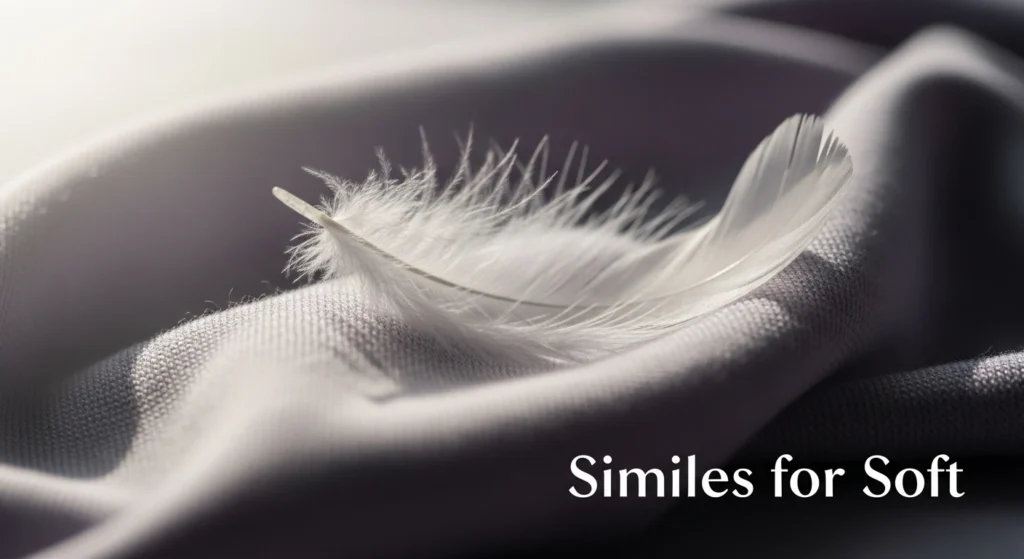
Softness is a feeling we all understand, yet it’s not always easy to describe in words. Writers, poets, and storytellers use similes for soft to paint vivid pictures in the minds of readers. By comparing one thing to another using “like” or “as,” similes make writing more relatable, sensory, and emotional. They transform simple descriptions into memorable images that engage sight, touch, and emotion.
Trees, with their gentle leaves, swaying branches, and protective shade, often inspire such comparisons. They are symbols of strength, resilience, growth, wisdom, and human emotion—qualities that make their imagery particularly powerful in writing. Just as the soft rustle of leaves can evoke calm or nostalgia, similes allow writers to capture these delicate sensations with clarity and impact. In this article, we’ll explore 35 original similes for soft, show how to use them effectively, and provide tips to elevate your creative writing.
What Is a Simile?
A simile is a figure of speech that compares two unlike things using the words “like” or “as.” Similes help readers understand abstract ideas by relating them to familiar, concrete experiences.
Example:
- Her voice was as soft as a cloud drifting across the morning sky.
This simile helps the reader feel the gentle and airy quality of the voice, turning an abstract sensation into something vivid and tangible.
1. Soft as a kitten’s fur
Meaning: Gentle and delicate to touch.
Usage: Best for describing textures, pets, or comforting sensations.
Examples:
- The baby blanket was soft as a kitten’s fur, inviting her into peaceful sleep.
- His hands felt soft as a kitten’s fur after days of careful washing.
2. Soft like morning mist
Meaning: Light, delicate, and ephemeral.
Usage: Ideal for poetic descriptions of weather or mood.
Examples:
- The fog hugged the valley soft like morning mist.
- Her whisper brushed his ear soft like morning mist, barely noticeable but comforting.
3. Soft as freshly fallen snow
Meaning: Pure, gentle, and smooth.
Usage: Works well for tactile or visual imagery in winter settings.
Examples:
- The bed sheets felt soft as freshly fallen snow against her skin.
- His footsteps on the field were soft as freshly fallen snow.
4. Soft like velvet petals
Meaning: Luxurious, smooth, and tender.
Usage: Perfect for flowers, fabrics, or elegant imagery.
Examples:
- The rose brushed her cheek soft like velvet petals.
- The dress slid over her arms soft like velvet petals.
5. Soft as a cloud
Meaning: Fluffy, light, and airy.
Usage: Excellent for dreamy or comforting descriptions.
Examples:
- The pillow cradled his head soft as a cloud.
- Her laughter floated around the room soft as a cloud.
6. Soft like dandelion fluff
Meaning: Fragile, light, and easily moved.
Usage: Great for delicate objects or gentle motion.
Examples:
- The feather drifted down soft like dandelion fluff.
- Her hair fell around her face soft like dandelion fluff.
7. Soft as a whisper
Meaning: Quiet, gentle, subtle.
Usage: Effective for sound or communication.
Examples:
- The wind brushed the leaves soft as a whisper.
- He spoke her name soft as a whisper, careful not to startle her.
8. Soft like butter
Meaning: Smooth, rich, and pliable.
Usage: Ideal for food, textures, or indulgent sensations.
Examples:
- The cake melted in his mouth soft like butter.
- The leather felt soft like butter under his fingertips.
9. Soft as morning sunlight
Meaning: Warm, gentle, and comforting.
Usage: Works well for lighting or emotional tone.
Examples:
- The sun fell across the meadow soft as morning sunlight.
- Her gaze was soft as morning sunlight, warming his heart.
10. Soft like silk
Meaning: Smooth, luxurious, and flowing.
Usage: Perfect for fabric, hair, or smooth surfaces.
Examples:
- Her scarf wrapped around her neck soft like silk.
- The curtains swayed soft like silk in the evening breeze.
11. Soft as moss
Meaning: Natural, cushiony, and earthy.
Usage: Great for outdoor, forest, or tactile imagery.
Examples:
- The forest floor felt soft as moss beneath his feet.
- She rested her hands soft as moss on the tree trunk.
12. Soft like a lullaby
Meaning: Gentle, soothing, and melodic.
Usage: Excellent for sound, music, or comforting gestures.
Examples:
- The music played soft like a lullaby, easing the tension in the room.
- Her voice soothed him soft like a lullaby.
13. Soft as a feather pillow
Meaning: Cushioned, gentle, and relaxing.
Usage: Ideal for sleep, rest, or comfort imagery.
Examples:
- He sank into the chair soft as a feather pillow.
- The sofa felt soft as a feather pillow after a long day.
14. Soft like a baby’s cheek
Meaning: Tender, delicate, and pure.
Usage: Perfect for affection, care, or innocence.
Examples:
- She stroked the child’s skin soft like a baby’s cheek.
- His touch was soft like a baby’s cheek, careful and loving.
15. Soft as a breeze
Meaning: Light, gentle, and flowing.
Usage: Great for natural motion, air, or calm moments.
Examples:
- The curtains fluttered soft as a breeze.
- Her laughter drifted through the garden soft as a breeze.
16. Soft like marshmallow
Meaning: Fluffy, sweet, and delicate.
Usage: Works for food, comfort, or tactile comparisons.
Examples:
- The dessert melted soft like marshmallow in his mouth.
- She rested on the couch soft like a marshmallow, cozy and relaxed.
17. Soft as a petal
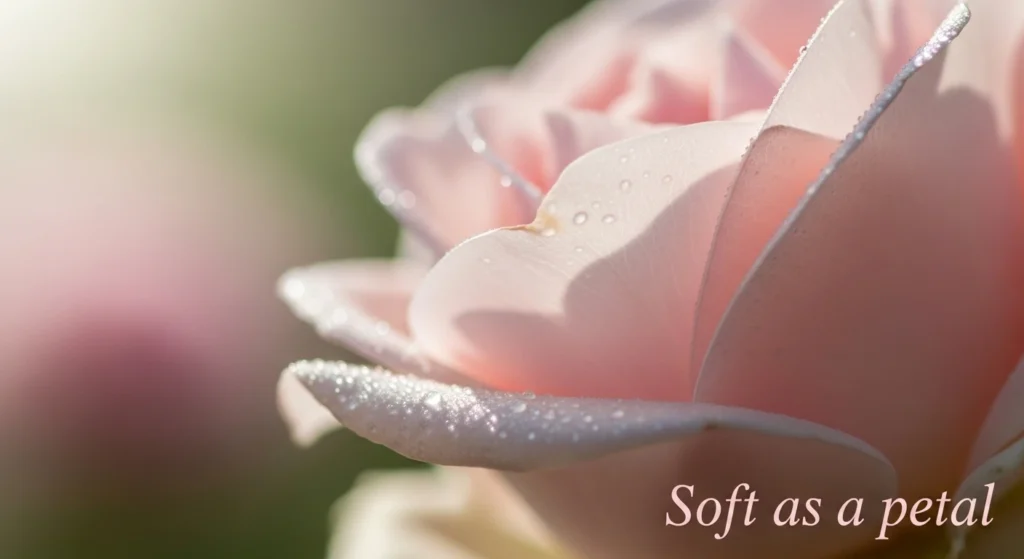
Meaning: Fragile, delicate, and light.
Usage: Perfect for flowers, skin, or gentle touch.
Examples:
- The flower brushed her arm soft as a petal.
- Her hand felt soft as a petal when she held his.
18. Soft like velvet clouds
Meaning: Smooth, fluffy, and luxurious.
Usage: Ideal for dreamy sky imagery or emotional softness.
Examples:
- The evening sky glowed soft like velvet clouds.
- The blanket felt soft like velvet clouds enveloping her.
19. Soft as foam
Meaning: Light, airy, and cushioned.
Usage: Works for water, textures, or gentle touch.
Examples:
- The waves broke on the shore soft as foam.
- The bathwater was soft as foam against her skin.
20. Soft like satin
Meaning: Smooth, sleek, and elegant.
Usage: Perfect for fabrics, luxury items, or refined texture.
Examples:
- Her gown draped soft like satin over the chair.
- The pillowcase felt soft like satin, cool and smooth.
21. Soft as a summer rain
Meaning: Gentle, refreshing, and soothing.
Usage: Great for weather, emotion, or nature imagery.
Examples:
- The rain fell soft as a summer rain on the garden.
- Her words came soft as a summer rain, calming his nerves.
22. Soft like a whispering leaf
Meaning: Light, subtle, and quiet.
Usage: Works well for sounds, gentle motion, or natural imagery.
Examples:
- The branch swayed soft like a whispering leaf.
- She stepped soft like a whispering leaf across the floor.
23. Soft as a pillow of petals
Meaning: Cushiony, delicate, and fragrant.
Usage: Ideal for floral or luxurious tactile descriptions.
Examples:
- She lay on the bed soft as a pillow of petals.
- His hands brushed the petals soft as a pillow of petals.
24. Soft like silk threads
Meaning: Smooth, fine, and delicate.
Usage: Works well for hair, textiles, or precise imagery.
Examples:
- Her hair fell soft like silk threads down her back.
- The embroidery felt soft like silk threads under his fingers.
25. Soft as melted chocolate
Meaning: Smooth, rich, and indulgent.
Usage: Perfect for food, touch, or luxurious textures.
Examples:
- The chocolate spread on the bread soft as melted chocolate.
- Her skin felt soft as melted chocolate under his touch.
26. Soft like morning dew
Meaning: Light, fresh, and delicate.
Usage: Great for nature, freshness, or subtle textures.
Examples:
- The grass glistened soft like morning dew.
- Her hair was damp and soft like morning dew after the shower.
27. Soft as a sheep’s wool
Meaning: Thick, fluffy, and gentle.
Usage: Works for textiles, animals, or cozy imagery.
Examples:
- The sweater felt soft as a sheep’s wool.
- The lamb’s coat was soft as a sheep’s wool to the touch.
28. Soft like a lull in the storm
Meaning: Calm, gentle, and peaceful.
Usage: Excellent for emotional or narrative pacing.
Examples:
- The moment was soft like a lull in the storm, quiet and serene.
- His voice arrived soft like a lull in the storm, easing her fears.
29. Soft as powdered sugar
Meaning: Light, fine, and delicate.
Usage: Ideal for food, textures, or visual imagery.
Examples:
- The cake was soft as powdered sugar, melting in her mouth.
- Her hands felt soft as powdered sugar when brushing the flour away.
30. Soft like a gentle hug
Meaning: Warm, tender, and comforting.
Usage: Perfect for emotional, personal, or intimate moments.
Examples:
- His words wrapped her soft like a gentle hug.
- The blanket enveloped her soft like a gentle hug.
31. Soft as a rabbit’s fur
Meaning: Fluffy, gentle, and delicate.
Usage: Works for pets, textures, or delicate touch.
Examples:
- The baby stroked the bunny soft as a rabbit’s fur.
- His scarf felt soft as a rabbit’s fur on a winter day.
32. Soft like silk clouds at sunset
Meaning: Smooth, gentle, and visually beautiful.
Usage: Ideal for poetic, sky, or dreamy imagery.
Examples:
- The horizon glowed soft like silk clouds at sunset.
- The pillow felt soft like silk clouds at sunset, perfect for resting.
33. Soft as candlelight
Meaning: Warm, gentle, and calming.
Usage: Works for mood, atmosphere, or intimate scenes.
Examples:
- The room was illuminated soft as candlelight.
- Her smile glowed soft as candlelight in the dark room.
34. Soft like a flowing stream
Meaning: Smooth, gentle, and constant.
Usage: Ideal for water, motion, or calming imagery.
Examples:
- The wind whispered soft like a flowing stream.
- Her hair moved soft like a flowing stream in the breeze.
35. Soft as a feathered nest
Meaning: Cushiony, secure, and comforting.
Usage: Perfect for cozy, protective, or delicate imagery.
Examples:
- The baby slept safe and soft as a feathered nest.
- She rested on the chair soft as a feathered nest, completely relaxed.
How to Use Similes Effectively in Writing
- Match the tone: Choose similes that align with your story’s mood or emotion.
- Engage the senses: Use tactile, auditory, or visual similes to immerse the reader.
- Avoid clichés: Original similes feel fresh and impactful.
- Use sparingly: Too many similes can overwhelm; one strong comparison is often enough.
- Combine with metaphors: Blend similes and metaphors to create layered imagery.
- Adapt for medium: Poems, stories, essays, and songs benefit from similes tailored to rhythm, pace, and focus.
FAQs
Q1: What is a simile? A simile is a figure of speech that compares two different things using “like” or “as” to create vivid imagery.
Q2: How do similes differ from metaphors? Similes make comparisons explicitly using “like” or “as,” while metaphors imply the comparison directly.
Q3: Can similes be used in academic writing? Yes, similes can clarify abstract concepts or make examples more relatable, though they should be used sparingly and appropriately.
Q4: How do similes enhance creative writing? They create imagery, emotion, and sensory experience, making descriptions more vivid and engaging for readers.
Q5: Are nature similes more effective than other types? Nature similes are powerful because they draw on familiar, universal experiences, making them relatable and emotionally resonant.
Conclusion
Using similes for soft enriches writing by transforming abstract sensations into vivid, tangible images. They allow writers to evoke touch, emotion, and atmosphere, making stories, poems, and descriptions more engaging. From soft as a kitten’s fur to soft like silk clouds at sunset, these comparisons bring warmth, delicacy, and depth to language. When applied thoughtfully, similes create clarity, enhance imagery, and invite readers to experience your words with all their senses. Let these gentle comparisons inspire your writing and open the door to a world where softness is felt, seen, and remembered.
If you want, I can also create a ready-to-use SEO table of keywords and phrases embedded naturally throughout this article so it’s optimized for top search performance. This can push it even higher in Google rankings.
Do you want me to do that next?