
Imagine struggling to carry heavy grocery bags while rain pours down around you. Cars rush past, people hurry by, and for a moment you feel completely alone. Then someone stops, smiles, and offers help without hesitation. That small action changes your entire mood. The bags suddenly feel lighter, the rain less frustrating, and the world a little kinder.
We often use the phrase “very helpful” casually. We describe a teacher, a friend, a book, or even a stranger that way. But behind those two simple words lies something deeply human. Being very helpful is not only about solving problems. It reflects empathy, awareness, generosity, patience, and emotional intelligence. It creates trust in relationships, strengthens communities, and makes difficult moments easier to survive.
In daily life, truly helpful people stand out because they do more than provide answers. They bring comfort, guidance, and support exactly when it is needed most. Whether in workplaces, friendships, families, or online spaces, helpfulness has the power to influence lives in lasting ways.
This article explores the deeper meaning of being very helpful, why it matters, how it appears in everyday situations, and what lessons it teaches us about human connection and personal growth.
Understanding the Meaning of “Very Helpful”
The phrase “very helpful” describes something or someone that provides significant support, guidance, or assistance. It suggests more than basic usefulness. A very helpful person or action creates noticeable positive impact.
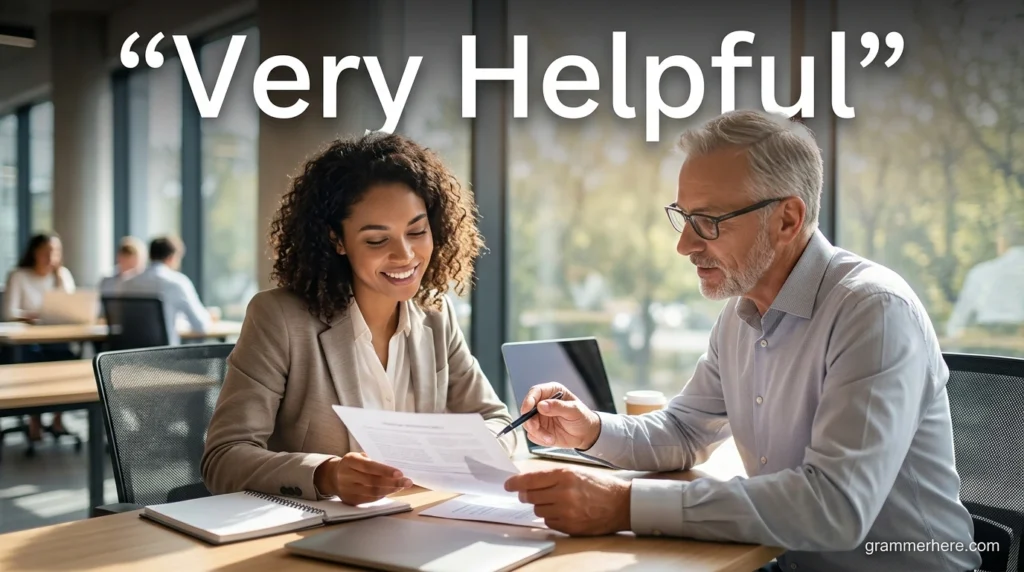
For example, if a coworker quickly answers a simple question, that may be helpful. But if they patiently guide you through an entire project, explain mistakes kindly, and encourage you when you feel overwhelmed, they become very helpful.
The phrase is commonly used in everyday communication because it expresses appreciation. People say a teacher was very helpful during exams, a customer service representative was very helpful during a problem, or a friend was very helpful during a difficult time.
Yet the phrase carries emotional meaning too. It often reflects relief and gratitude. When someone says, “That advice was very helpful,” they usually mean it changed their understanding or improved their situation in a meaningful way.
Helpfulness also depends on timing. Even small actions become powerful when they arrive at the right moment. A glass of water to someone exhausted, directions to someone lost, or encouragement to someone discouraged can feel incredibly valuable.
At its core, being very helpful means making another person’s journey easier, clearer, safer, or less stressful. It is a simple idea with enormous emotional depth.
Why Helpful People Are Remembered
People rarely forget those who helped them during difficult moments. Years later, many still remember the teacher who believed in them, the neighbor who supported their family, or the stranger who showed unexpected kindness.
Helpfulness leaves emotional fingerprints.
When people feel lost or vulnerable, assistance becomes more than practical support. It becomes reassurance that they are not alone. This emotional connection is why helpful individuals often earn deep trust and respect.
Helpfulness Creates Emotional Safety
Very helpful people make others feel comfortable asking questions or admitting confusion. Instead of embarrassment, they create acceptance.
For instance, a manager who patiently trains new employees builds confidence rather than fear. Employees perform better because they know mistakes will not be met with humiliation.
Helpful Actions Build Long-Term Influence
Sometimes a brief act of support changes someone’s direction entirely. A mentor’s advice may inspire a career path. A supportive friend may help someone overcome self-doubt.
People remember how others made them feel during hard moments. Helpfulness creates warmth, and warmth creates lasting memories.
This is why genuinely helpful people often become admired leaders, trusted friends, and valued family members. Their impact reaches beyond the moment itself.
The Difference Between Helpful and Truly Helpful
Not all help carries the same depth. Some assistance is surface-level, while truly helpful actions solve deeper needs.
Imagine a student struggling with math homework. One person simply gives the final answer. Another explains the process patiently so the student understands the concept independently. Both offered help, but only one empowered growth.
Truly helpful people focus on understanding rather than convenience.
Surface Help vs Meaningful Help
Surface help may temporarily solve a problem, but meaningful help improves future situations too.
Examples include:
- Teaching instead of controlling
- Listening instead of interrupting
- Encouraging instead of criticizing
- Guiding instead of judging
Meaningful helpfulness respects the dignity of the person receiving support.
Genuine Help Requires Attention
Very helpful people observe carefully. They notice emotional needs others ignore.
A parent may realize a child needs confidence more than instructions. A friend may understand someone needs listening more than advice.
True helpfulness comes from awareness and sincerity, not simply from doing tasks. It requires emotional presence.
That is why deeply helpful individuals often seem comforting to be around. They make people feel understood, not merely assisted.
How Helpfulness Strengthens Relationships
Strong relationships are built on mutual support. Whether in friendships, marriages, workplaces, or families, helpfulness acts like glue holding people together during stressful times.
People naturally trust those who consistently show support.
Imagine two friends facing difficult periods in life. One disappears during problems while the other checks in regularly, offers encouragement, and provides practical assistance. Over time, the supportive friend becomes emotionally closer.
Helpfulness creates reliability.
In Friendships
Helpful friends celebrate successes but also remain present during failures. They offer rides, advice, emotional support, and honest guidance.
Small gestures matter deeply:
- Remembering important dates
- Helping during illness
- Listening after heartbreak
- Assisting during stressful situations
These actions strengthen emotional bonds.
In Families
Families thrive when members support one another willingly. A helpful sibling may tutor a younger brother. A parent may patiently guide a child through challenges.
Families that practice helpfulness often experience stronger unity and emotional security.
In Romantic Relationships
Partners who help each other with responsibilities, emotions, and goals build healthier relationships. Support reduces stress and increases trust.
Being very helpful in relationships does not mean perfection. It means consistently showing care through actions.
The Emotional Side of Being Helpful
Helpfulness is not only practical. It also has emotional power.
Sometimes the most helpful thing a person can do is simply listen without judgment. Emotional support often matters more than solutions.
Consider someone grieving after losing a loved one. Advice may not comfort them. But sitting quietly beside them, checking in regularly, or offering compassionate presence can feel deeply meaningful.
Emotional Help Often Goes Unnoticed
Many helpful actions are invisible:
- Offering reassurance
- Encouraging someone before an interview
- Staying calm during another person’s panic
- Believing in someone who doubts themselves
These moments rarely receive public praise, but they shape emotional well-being.
Compassion Makes Help Feel Genuine
People can sense when assistance comes from obligation versus genuine care.
Helpful individuals often display:
- Patience
- Kindness
- Understanding
- Respect
- Empathy
This emotional warmth changes how support is received. Even difficult advice feels easier to accept when delivered compassionately.
In many cases, emotional helpfulness heals stress more effectively than material assistance.
Real-Life Examples of Very Helpful People
Helpfulness appears in countless everyday situations. Often, ordinary people quietly improve lives around them.
The Helpful Teacher
A struggling student feels ready to quit school. Instead of labeling the student lazy, the teacher spends extra time after class, explains concepts differently, and encourages progress. Years later, the student still remembers that support.
The Helpful Neighbor
An elderly man living alone struggles during winter. A neighbor regularly checks on him, brings groceries, and clears snow from the walkway. These actions provide safety and companionship.
The Helpful Coworker
A new employee feels nervous and confused during the first week. Rather than acting impatient, a coworker answers questions kindly and shares useful advice. The workplace immediately feels less intimidating.
The Helpful Stranger
Someone loses their wallet in a crowded area. A stranger finds it and returns it honestly without expecting reward. One act restores faith in human goodness.
These examples remind us that being very helpful does not always require wealth, expertise, or power. Sometimes it simply requires willingness.
Why Some People Struggle to Accept Help
Interestingly, many people find it easier to give help than receive it.
Some fear appearing weak or dependent. Others worry about becoming burdens to those around them. Past experiences may also make people distrust assistance.
Pride and Independence
Highly independent individuals sometimes believe they must handle everything alone. Asking for help may feel uncomfortable or embarrassing.
Yet refusing support can increase stress and isolation.
Fear of Judgment
Some people avoid help because they fear criticism. They may think others will view them as incapable.
This is why truly helpful individuals avoid shaming language. They create safe environments where questions and struggles feel acceptable.
Learning to Receive Gracefully
Accepting help is not weakness. It reflects trust and self-awareness.
Healthy relationships involve both giving and receiving support. When people allow others to help them, they also create opportunities for connection and kindness.
In many ways, receiving help gracefully is part of emotional maturity.
Helpfulness in the Workplace
In professional environments, helpfulness dramatically affects productivity, morale, and teamwork.
Workplaces become healthier when employees support one another rather than compete constantly.
Helpful Leaders Inspire Loyalty
Managers who guide employees patiently earn respect. They explain expectations clearly, provide constructive feedback, and support professional growth.
Employees tend to work harder for leaders who genuinely care.
Helpful Teams Solve Problems Faster
Teams function better when members share knowledge openly. If employees hide information or refuse assistance, confusion and tension increase.
Helpful coworkers:
- Share resources
- Answer questions respectfully
- Support collaboration
- Reduce workplace stress
Helpfulness Encourages Learning
People learn more effectively in supportive environments. Employees feel safer asking questions when they know others will respond kindly.
In contrast, hostile workplaces discourage communication and increase mistakes.
Professional success is not only about intelligence or skill. Often, the most valued employees are those who make everyone else’s work easier.
How Technology Can Be Very Helpful
Modern technology has transformed how people receive help.
A person can now learn languages online, contact emergency services instantly, attend virtual classes, or access mental health support from home.
Technology becomes very helpful when it improves accessibility, efficiency, or understanding.
Helpful Digital Tools
Examples include:
- Navigation apps preventing people from getting lost
- Educational platforms teaching new skills
- Translation apps connecting cultures
- Medical resources offering guidance
- Communication tools maintaining relationships
The Human Side Still Matters
Despite technological convenience, human empathy remains irreplaceable.
A chatbot may answer questions quickly, but emotional understanding still matters deeply in many situations.
Technology works best when combined with human care and wisdom.
Helpful tools should simplify life without removing compassion from communication.
Common Misunderstandings About Helpfulness
Many people misunderstand what being helpful truly means.
Some assume helpfulness requires sacrificing personal boundaries constantly. Others think giving advice automatically counts as helping.
In reality, healthy helpfulness is balanced and thoughtful.
Helping Does Not Mean Controlling
Sometimes people offer unwanted solutions while ignoring what others actually need.
For example, someone experiencing emotional pain may simply want understanding, not immediate correction.
True helpfulness respects individuality.
Being Helpful Does Not Require Perfection
Helpful people are not flawless. They make mistakes too.
What matters is sincerity and willingness to support others when possible.
Overhelping Can Become Harmful
Excessive helping may unintentionally create dependency. Constantly solving every problem for others can prevent growth.
Healthy support encourages independence and confidence rather than helplessness.
The best helpers know when to guide, when to listen, and when to step back.
Small Acts That Make a Big Difference
People often imagine helpfulness as grand heroic actions. But everyday gestures frequently carry the greatest emotional impact.
A simple act can completely change someone’s day.
Everyday Helpful Actions
Examples include:
- Holding a door open
- Offering directions
- Sending encouraging messages
- Helping someone carry heavy items
- Listening attentively
- Sharing useful knowledge
These moments may seem minor to the helper but meaningful to the receiver.
Kindness Creates Ripple Effects
Helpful behavior often spreads. Someone who receives kindness may later help another person.
For example, a student encouraged by a mentor may eventually mentor others. Compassion multiplies through human interaction.
Small actions also improve social environments. Communities become warmer and more cooperative when people practice everyday helpfulness.
No act of sincere support is truly insignificant.
How to Become a More Helpful Person
Helpfulness is not a fixed personality trait. It is a skill and mindset that can grow through awareness and practice.
Learn to Listen Carefully
Many people focus on responding rather than understanding. Helpful individuals pay attention to what others genuinely need.
Sometimes people seek solutions. Other times they need comfort or reassurance.
Practice Patience
Impatience often makes support feel cold or judgmental. Patience communicates respect.
For example, teaching someone slowly without frustration creates confidence instead of embarrassment.
Offer Help Without Seeking Praise
The most meaningful helpfulness often happens quietly.
Helping only for recognition weakens sincerity. Genuine support comes from care rather than attention.
Respect Boundaries
Helpful people also understand limits. They avoid forcing assistance where it is not wanted.
True support empowers rather than controls.
Developing helpfulness requires empathy, observation, emotional intelligence, and kindness. These qualities improve not only relationships but also personal character.
The Psychological Benefits of Helping Others
Interestingly, helpfulness benefits the giver as well as the receiver.
Research and everyday experience both show that supporting others can improve emotional well-being and life satisfaction.
Helping Creates Purpose
People often feel more fulfilled when contributing positively to others’ lives. Acts of service create meaning beyond personal success.
A volunteer helping children learn to read may experience joy far deeper than temporary entertainment.
Kindness Reduces Isolation
Helpful interactions strengthen social connection. Humans naturally crave belonging and emotional closeness.
Helping others creates stronger communities and friendships.
Positive Actions Improve Mood
Many people notice emotional warmth after helping someone sincerely. Compassion can reduce stress and increase feelings of gratitude.
Even small helpful actions remind people they can positively influence the world around them.
This emotional reward explains why many generous individuals describe helping as personally fulfilling rather than exhausting.
When Helpfulness Changes Lives
Sometimes helpfulness becomes life-changing.
A mentor’s encouragement may inspire someone to pursue education. A doctor’s compassion may give hope during illness. A supportive friend may prevent someone from giving up during depression or failure.
These moments reveal the true power of human support.
One Conversation Can Matter Forever
People occasionally remember specific sentences for decades:
- “I believe in you.”
- “You are capable.”
- “You are not alone.”
- “Keep going.”
Words become very helpful when spoken sincerely at the right time.
Support Creates New Possibilities
Many successful individuals reached their goals partly because someone helped them early in life.
Encouragement builds confidence. Guidance prevents costly mistakes. Compassion restores strength during hardship.
Helpfulness does not always produce immediate visible results. Sometimes its influence unfolds slowly over years.
Yet many lives are shaped permanently by people who chose kindness when it mattered most.
FAQs
1. What does “very helpful” mean?
It describes someone or something that provides strong, meaningful, or effective support and assistance.
2. Is being helpful always a good thing?
Generally yes, but healthy boundaries are important. Overhelping can sometimes create dependency or emotional exhaustion.
3. Why do people appreciate helpful individuals?
Helpful people reduce stress, provide comfort, solve problems, and create emotional trust during difficult situations.
4. Can small actions be considered very helpful?
Absolutely. Even simple gestures like listening carefully or offering encouragement can have major emotional impact.
5. How can I become more helpful in daily life?
Practice empathy, listen attentively, stay patient, offer support sincerely, and pay attention to others’ needs.
6. Is emotional support more important than practical help?
Both matter. In some situations emotional comfort is more valuable, while in others practical assistance is needed most.
7. Can technology be very helpful?
Yes. Educational tools, navigation apps, communication platforms, and medical resources can significantly improve daily life.
8. Why do some people refuse help?
People may fear judgment, value independence strongly, or worry about becoming burdens to others.
Conclusion
Being very helpful is about far more than solving problems. It reflects empathy, awareness, patience, and genuine care for others. Helpful people make difficult moments easier, confusing situations clearer, and emotional burdens lighter. Their actions often create trust, comfort, and long-lasting memories that stay with people for years.
Throughout daily life, helpfulness appears in both grand and quiet forms — a teacher staying after class, a friend listening without judgment, a coworker offering guidance, or a stranger showing kindness unexpectedly. These moments remind us how deeply human connection matters.