
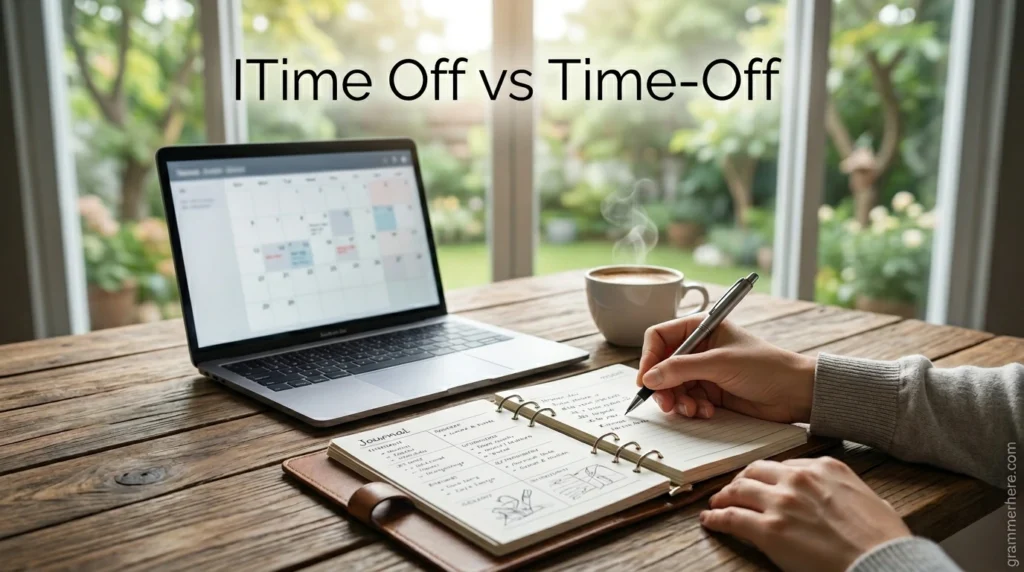
There’s a moment many people know too well. It arrives on a quiet Sunday night or during a rushed Monday morning—when the mind feels heavier than usual and even simple tasks seem to demand extra effort. You might stare at your calendar and wonder when the last real pause happened. Not just a weekend filled with chores or errands disguised as rest, but genuine time off—space where your mind can breathe, your body can recover, and your thoughts don’t have deadlines attached to them.
“Time off” or “time-off” is often treated like a reward for productivity, something earned after long stretches of work. But in reality, it plays a much deeper role in shaping mental health, creativity, relationships, and long-term performance. Whether we view it as a structured break from employment or a personal reset from daily stress, time off has become an essential part of modern life. This article explores what it truly means, why it matters, and how it affects the way we live, work, and grow. Through real-life insights and practical reflections, we’ll uncover how meaningful rest is not a luxury—but a necessity.
Understanding the Meaning of Time Off
Time off generally refers to a period when a person is relieved from work or regular responsibilities to rest, recover, or attend to personal needs. It can be planned, such as vacations or holidays, or unplanned, like sick leave or emergency breaks. The hyphenated form “time-off” is often used in workplace contexts, while “time off” is more common in general usage.
At its core, time off is about stepping away from routine demands. But beyond definition, it represents something deeper: permission to pause. In many cultures, productivity is highly valued, which often makes rest feel like something that must be justified. Yet time off challenges this idea by suggesting that rest is not the opposite of productivity—it is part of it.
Workplace Interpretation
In professional environments, time off is structured through policies such as paid leave, vacation days, or personal days. These systems exist because continuous work without recovery leads to burnout, reduced efficiency, and low morale.
Personal Interpretation
On a personal level, time off can simply mean disconnecting from obligations—turning off notifications, stepping away from responsibilities, or spending a day without rigid planning.
Understanding both perspectives helps us see that time off is not just an administrative benefit but a human necessity.
The Psychological Importance of Rest
The human brain is not designed for constant output. Just like muscles, it requires recovery to function effectively. Time off plays a critical role in restoring mental energy, improving focus, and stabilizing emotions.
When people work without breaks, cognitive fatigue builds up quietly. It may not be immediately noticeable, but over time it affects decision-making, patience, and creativity. Taking time off interrupts this cycle and allows the brain to reset.
One office worker, for example, might struggle with concentration after months of nonstop deadlines. But after a short vacation—away from screens, emails, and meetings—they often return with sharper thinking and renewed motivation. This is not coincidence; it is neuroscience at work.
Time off also supports emotional regulation. Stress hormones like cortisol decrease during rest periods, allowing a sense of calm to return. Even short breaks can reduce anxiety and improve mood stability.
In essence, time off is not escape—it is maintenance for the mind.
Different Types of Time Off in Daily Life
Time off is not one-size-fits-all. It exists in multiple forms depending on purpose and context.
Planned Time Off
This includes vacations, holidays, or scheduled breaks from work. Planned time off allows individuals to prepare mentally and financially for rest, making it more structured and intentional.
Unplanned Time Off
Sometimes life interrupts routines unexpectedly—illness, family emergencies, or sudden personal needs. While unplanned, these breaks are equally important for recovery and balance.
Micro Time Off
Not all rest requires days or weeks. Micro time off includes short breaks during the day, such as a walk, a quiet cup of tea, or even five minutes of deep breathing. These moments help prevent mental overload.
Digital Time Off
In a connected world, stepping away from screens is becoming a new form of rest. Digital time off helps reduce information fatigue and restores attention span.
Each type serves a different purpose, but all contribute to a healthier relationship with time and energy.
Why Time Off Feels Difficult in Modern Life
Despite its benefits, many people struggle to take time off. One major reason is the pressure of constant availability. Emails, messages, and workplace expectations often create the illusion that stepping away equals falling behind.
Another factor is guilt. People sometimes feel they must “earn” rest through overwork. This mindset transforms time off into something conditional rather than essential.
There is also fear—fear of missing opportunities, losing productivity, or being seen as less committed. In competitive environments, rest can mistakenly appear as weakness.
However, these beliefs often lead to the opposite outcome. Without proper rest, performance declines, stress increases, and motivation weakens. Over time, the cost of not taking time off becomes far greater than the temporary discomfort of stepping away.
Understanding these psychological barriers is the first step toward changing how we view rest.
The Connection Between Time Off and Productivity
It may seem counterintuitive, but time off often increases productivity rather than reducing it. When the brain is overworked, efficiency declines even if hours increase. Rest restores clarity, allowing individuals to accomplish more in less time.
Consider a student preparing for exams. Studying continuously for hours without breaks leads to diminishing returns. But structured breaks improve memory retention and focus. The same principle applies in workplaces.
Time off also encourages creativity. When the mind is relaxed, it begins to form new connections. Many people report that their best ideas come during walks, vacations, or quiet moments away from work pressure.
Real-Life Scenario
A designer struggling with a project might hit a creative block. After taking a weekend off and engaging in unrelated activities, fresh ideas often emerge naturally. This is because rest allows subconscious processing to continue without pressure.
Ultimately, productivity is not about constant effort—it is about sustainable effort supported by recovery.
Emotional Benefits of Taking Time Off
Beyond productivity, time off deeply influences emotional well-being. It creates space for reflection, healing, and reconnection with oneself.
When people are constantly busy, emotions often get suppressed or ignored. Time off allows these feelings to surface and be processed. This can lead to greater emotional clarity and resilience.
It also improves relationships. When individuals are less stressed, they become more patient, present, and empathetic. A parent returning from a restful break may find themselves more attentive to their children, not because circumstances changed, but because their emotional capacity was restored.
Time off can also bring joy back into everyday life. Activities that once felt routine—cooking, reading, or spending time outdoors—become enjoyable again when not overshadowed by stress.
In this way, time off is not just absence from work; it is presence in life.
Common Misconceptions About Time Off
There are several misunderstandings surrounding time off that affect how people use it.
One common misconception is that time off is only for vacations. In reality, it includes all forms of rest, even short breaks throughout the day.
Another belief is that productive people need less time off. However, high performers often rely on structured rest to maintain their output over long periods.
Some also assume that time off must be expensive or involve travel. While vacations are valuable, simple rest at home can be equally effective if done mindfully.
Lastly, many believe that rest requires complete inactivity. But meaningful time off can include hobbies, light activities, or social connection—anything that reduces stress rather than increases it.
Correcting these misconceptions helps people use time off more effectively and without unnecessary guilt.
Cultural Views on Time Off
Different cultures interpret time off in unique ways. In some societies, long vacations are normalized and encouraged as part of a healthy work-life balance. In others, long working hours are seen as a sign of dedication.
These cultural attitudes influence how comfortable individuals feel about taking breaks. In environments where rest is valued, employees are more likely to recharge fully and return with higher morale.
In contrast, cultures that prioritize constant productivity often struggle with burnout-related issues. This highlights how societal expectations shape personal behavior.
Understanding these differences allows for a broader perspective: time off is not just personal—it is cultural. Changing how we think about rest may require both individual awareness and collective shift.
How to Make Time Off More Meaningful
Not all time off is equally restorative. The quality of rest depends on how intentionally it is used.
Disconnecting from Work
One of the most effective ways to improve time off is to set boundaries. This might mean turning off notifications or avoiding work-related conversations.
Engaging in Restorative Activities
Activities like walking, reading, journaling, or spending time in nature help the mind reset more effectively than passive screen time.
Avoiding Over-Scheduling
Overplanning time off can turn rest into another form of work. Leaving space for spontaneity allows for deeper relaxation.
Listening to Personal Needs
Some people need solitude, while others recharge through social interaction. Understanding personal preferences makes time off more effective.
Meaningful rest is not about doing nothing—it is about doing what restores you.
The Long-Term Impact of Proper Time Off
When time off is consistently integrated into life, its long-term effects become visible. People experience improved mental health, better work performance, and stronger relationships.
Over time, regular rest reduces the risk of burnout and chronic stress-related conditions. It also supports clearer thinking and better decision-making.
In careers, individuals who take time off strategically often sustain longer periods of success. They avoid the peaks and crashes associated with overwork cycles.
On a personal level, time off contributes to a more balanced life. It creates space not only for recovery but for growth, reflection, and self-awareness.
Ultimately, time off is not just about stopping work—it is about improving how life is lived.
Conclusion
Time off is far more than a break from work; it is a vital component of human well-being. It restores mental energy, supports emotional balance, and enhances long-term productivity. Whether taken as a vacation, a short pause during the day, or a digital detox, its value lies in allowing the mind and body to recover from constant demands.
In a world that often equates busyness with success, time off offers a necessary counterbalance. It reminds us that rest is not a reward—it is a requirement. When embraced without guilt or hesitation, it becomes a powerful tool for living more fully, thinking more clearly, and working more effectively.
True productivity is not measured by how much we do without stopping, but by how well we sustain ourselves over time. And that sustainability begins with respecting the need for meaningful time off.
FAQs
1. What is the meaning of time off?
Time off refers to a period when someone is away from work or duties to rest, recover, or handle personal matters.
2. Is time off the same as vacation?
Not exactly. Vacation is one type of time off, but time off also includes sick leave, personal days, and short breaks.
3. Why is time off important?
It helps reduce stress, improve mental health, restore energy, and increase productivity over time.
4. Can short breaks count as time off?
Yes, even short breaks during the day help refresh the mind and prevent burnout.
5. Does time off improve productivity?
Yes, rest improves focus, creativity, and decision-making, leading to better performance.
6. Why do people feel guilty taking time off?
Guilt often comes from workplace pressure or the belief that rest must be earned through overwork.
7. How often should you take time off?
It depends on workload, but regular short breaks and periodic longer breaks are generally recommended.
8. What is the best way to spend time off?
The best way is to engage in activities that restore energy—such as rest, hobbies, nature, or quality time with loved ones.