David Reigns

Similes for People

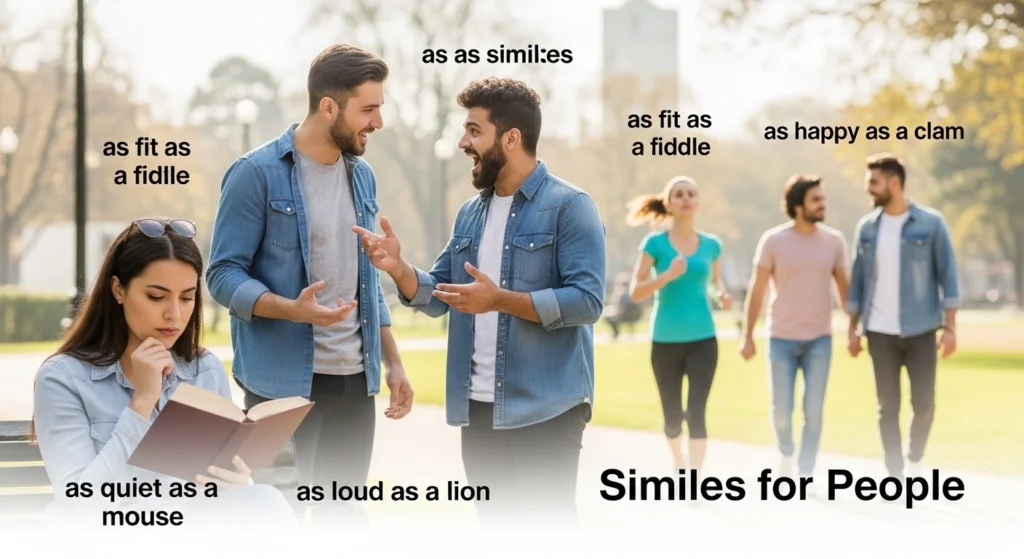
Similes for People

Language is a powerful tool, and similes are one of its most colorful brushes. Similes help writers compare one thing to another using “like” or “as,” making descriptions vivid, relatable, and memorable. Whether you are describing a friend, a stranger, or a character in your story, similes allow readers to instantly picture personalities, moods, and

Similes for People Read More »

Similes for Mad

Similes for Mad

Anger is a universal emotion, and writers often need creative ways to convey it vividly. One of the most effective tools for expressing intense emotions is the simile—a figure of speech that compares two unlike things using “like” or “as.” Similes bring language to life, making abstract feelings concrete and memorable. Just as trees stand

Similes for Mad Read More »

Metaphors vs Similes

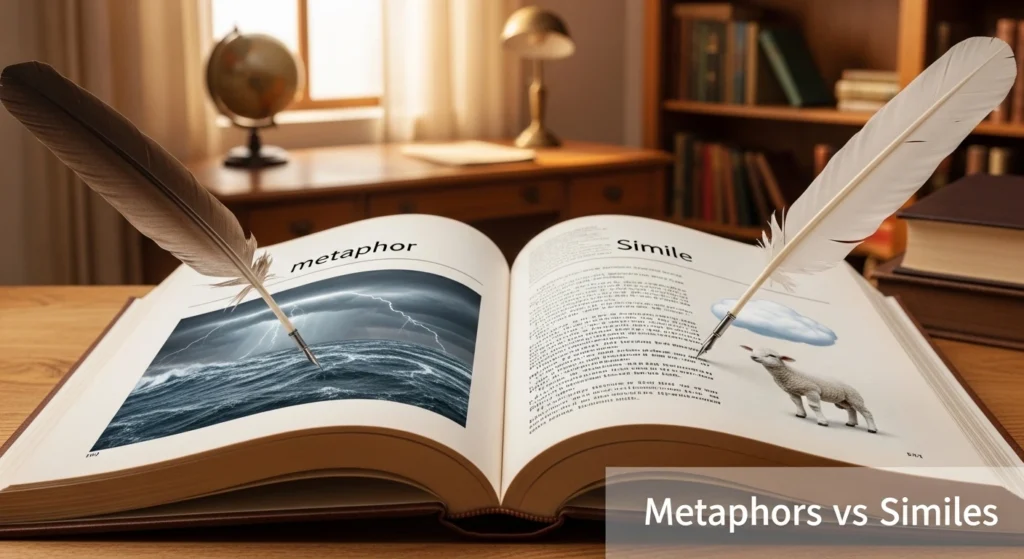
Metaphors vs Similes

Language becomes alive when we move beyond plain facts and begin to paint pictures with words. That’s where similes and metaphors step in. These powerful tools of figurative language help writers describe emotions, nature, people, and experiences in ways that feel vivid and memorable. Similes, in particular, create direct comparisons using the words “like” or

Metaphors vs Similes Read More »

Similes for Mean

Similes for Mean

Language becomes more vivid when we compare one thing to another. That is exactly what similes do—they bring emotion, color, and depth into writing. When describing someone who is unkind or cruel, simply saying “mean” often feels flat. Strong comparisons make the feeling sharper and more memorable. In figurative language, similes help readers see and

Similes for Mean Read More »