

Happiness is one of the most powerful emotions we experience, yet it can sometimes feel difficult to describe. This is where similes become incredibly useful. Similes are a key part of figurative language, helping writers create vivid comparisons that bring feelings to life.
By comparing happiness to something familiar—especially elements from nature—we make our words more colorful and meaningful. Nature similes, in particular, are powerful because they connect emotion to trees, sunlight, rivers, and seasons—symbols of growth, resilience, strength, wisdom, and renewal. Just as a tree stands tall through storms and blossoms again in spring, happiness often grows from patience and perseverance. In literature and everyday writing, similes for happiness help readers see, feel, and understand joy more clearly. In this guide, you’ll discover creative comparisons that add warmth, depth, and imagery to your writing.
What Is a Simile?
A simile is a figure of speech that compares two different things using the words “like” or “as.” It helps readers understand an idea or emotion by linking it to something familiar.
Example: She was as happy as a bird in spring.
This comparison makes happiness feel light, lively, and free.
1. As happy as a tree in full bloom
Meaning: Deep, natural joy that is visible and radiant.
Usage Insight: Works beautifully in poetic descriptions and reflective essays.
She stood in the garden, as happy as a tree in full bloom. After years of hard work, he felt as happy as a tree blossoming in spring.
2. As happy as sunlight after rain
Meaning: Relief and joy following difficulty.
Usage Insight: Perfect for storytelling moments of triumph.
She smiled, as happy as sunlight after rain. The good news spread through the family like sunlight after a storm.
3. Like a river dancing over smooth stones
Meaning: Energetic and flowing happiness.
Usage Insight: Ideal for lively characters in fiction.
He laughed like a river dancing over smooth stones. Her excitement moved through the room like a playful stream.
4. As happy as leaves whispering in the breeze
Meaning: Gentle, peaceful joy.
Usage Insight: Effective in calm, reflective writing.
She felt as happy as leaves whispering in the breeze. The quiet afternoon left him light and content.
5. Like a bird soaring in a clear blue sky
Meaning: Freedom and limitless joy.
Usage Insight: Great for describing personal achievement.
He walked out of the interview like a bird soaring in a clear sky. Winning the award made her feel free and uplifted.
6. As happy as a child under a rainbow
Meaning: Pure, innocent delight.
Usage Insight: Best for heartfelt emotional scenes.
She clapped her hands, as happy as a child under a rainbow. The surprise party left him glowing with childlike joy.
7. Like morning dew sparkling in the sun
Meaning: Fresh and bright happiness.
Usage Insight: Works well in poetic descriptions.
Her smile shimmered like morning dew in sunlight. The good news sparkled in his heart all day.
8. As happy as roots drinking fresh rain
Meaning: Deep, nourishing satisfaction.
Usage Insight: Ideal for meaningful accomplishments.
She felt grounded and happy, like roots drinking rain. After reconciliation, he felt restored and steady.
9. Like blossoms opening to spring
Meaning: Growing, unfolding happiness.
Usage Insight: Perfect for transformation arcs.
Her confidence bloomed like flowers in spring. New friendships opened her heart slowly and beautifully.
10. As happy as a forest bathed in golden light
Meaning: Warm, peaceful joy.
Usage Insight: Strong for scenic writing.
He felt as happy as a forest glowing at sunset. Their home radiated warmth and comfort.
11. Like stars shining in a midnight sky
Meaning: Bright happiness in darkness.
Usage Insight: Effective for overcoming hardship.
Her hope sparkled like stars in darkness. Even in tough times, his joy quietly shone.
12. As happy as waves kissing the shore
Meaning: Natural, rhythmic joy.
Usage Insight: Works well in romantic or reflective writing.
She felt content, as happy as waves meeting sand. Their laughter came in gentle, steady rhythms.
13. Like a meadow bursting with wildflowers
Meaning: Abundant happiness.
Usage Insight: Great for celebratory scenes.
The wedding was like a meadow bursting with color. Her gratitude filled her heart completely.
14. As happy as the first day of spring
Meaning: Renewed, hopeful joy.
Usage Insight: Ideal for fresh beginnings.
He felt as happy as the first warm spring day. Starting over brought light into her life.
15. Like a candle glowing in the dark
Meaning: Gentle but steady happiness.
Usage Insight: Useful in emotional narratives.
Her kindness shone like a candle in darkness. Even small victories felt meaningful.
16. As happy as birds singing at dawn
Meaning: Joyful and full of new energy.
Usage Insight: Best for hopeful beginnings.
She woke up as happy as birds greeting the sunrise. The news made him hum softly all morning.
17. Like a garden after careful tending
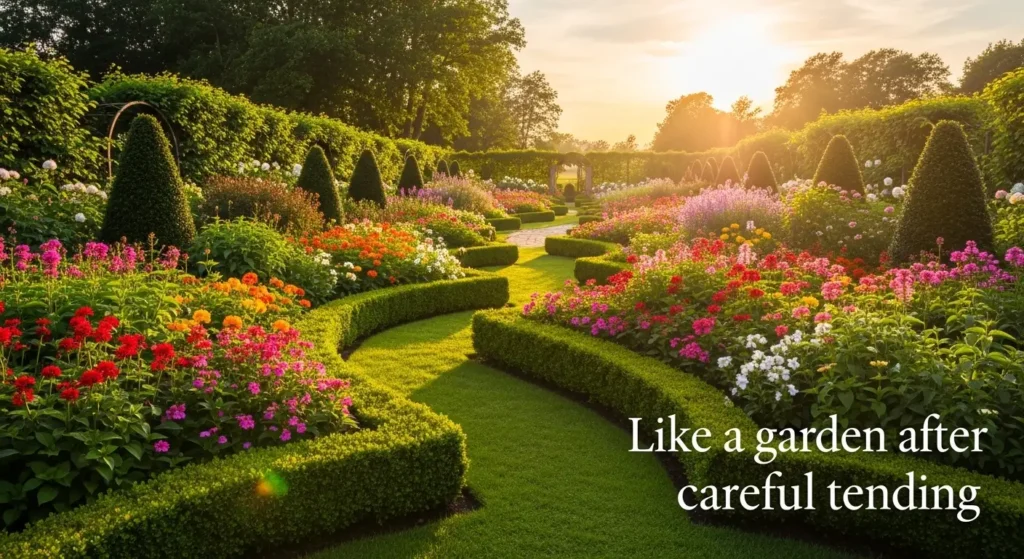
Meaning: Earned happiness through patience.
Usage Insight: Effective in personal growth essays.
Their relationship felt like a garden lovingly cared for. Success came slowly but beautifully.
18. As happy as snow sparkling in winter sun
Meaning: Bright joy in quiet moments.
Usage Insight: Ideal for serene imagery.
He felt as happy as snow shining in sunlight. Her peace glowed gently throughout the evening.
19. Like a kite dancing in the wind
Meaning: Playful, carefree happiness.
Usage Insight: Perfect for youthful scenes.
She skipped down the road like a kite in the wind. Freedom filled his heart with delight.
20. As happy as a tree stretching toward the sky
Meaning: Growing ambition and contentment.
Usage Insight: Strong for motivational writing.
He felt as happy as a tree reaching higher each year. Her dreams lifted her spirit upward.
21. Like sunshine warming cold earth
Meaning: Comforting joy.
Usage Insight: Good for reconciliation scenes.
Forgiveness felt like sunshine after frost. Their reunion warmed every heart.
22. As happy as petals floating on a pond
Meaning: Light and serene happiness.
Usage Insight: Ideal for peaceful imagery.
She felt calm, as happy as petals drifting on water. The moment seemed effortless and pure.
23. Like rain nourishing thirsty soil
Meaning: Restorative happiness.
Usage Insight: Great for emotional healing themes.
His apology felt like rain after drought. Her gratitude renewed his spirit.
24. As happy as mountains under open skies
Meaning: Steady, strong joy.
Usage Insight: Works for resilient characters.
She stood proud and content, like mountains in sunlight. Confidence settled deep within him.
25. Like butterflies in a summer field
Meaning: Excited, fluttering happiness.
Usage Insight: Good for romantic writing.
Her heart fluttered like butterflies in a meadow. Anticipation made him smile uncontrollably.
26. As happy as a lighthouse shining at sea
Meaning: Guiding, purposeful joy.
Usage Insight: Ideal for leadership themes.
He felt fulfilled, like a lighthouse guiding ships home. Helping others gave her steady happiness.
27. Like wind rustling through tall trees
Meaning: Soft, natural delight.
Usage Insight: Effective in reflective prose.
She laughed softly like wind in leaves. His joy moved quietly but deeply.
28. As happy as a rainbow after a storm
Meaning: Joy after hardship.
Usage Insight: Perfect for overcoming conflict.
She felt as happy as a rainbow after tears. Hope appeared where sorrow once stood.
29. Like honey dripping from a comb
Meaning: Sweet, rich happiness.
Usage Insight: Good for sensory writing.
Her voice sounded like honey in warm sunlight. The celebration tasted sweet and unforgettable.
30. As happy as grass swaying in open fields
Meaning: Free and natural joy.
Usage Insight: Great for countryside imagery.
He felt light as grass in a gentle wind. Peace surrounded her completely.
31. Like a sunrise painting the sky
Meaning: Inspiring happiness.
Usage Insight: Excellent for motivational tone.
Her success felt like a sunrise full of color. Opportunity brightened his future.
32. As happy as a pond reflecting clear skies
Meaning: Calm and balanced joy.
Usage Insight: Ideal for mindfulness writing.
She felt steady and serene, like a clear pond. His thoughts were peaceful and bright.
33. Like fireflies glowing on a summer night
Meaning: Magical happiness.
Usage Insight: Works beautifully in storytelling.
Her laughter sparkled like fireflies. The evening shimmered with quiet delight.
34. As happy as branches heavy with fruit
Meaning: Rewarded, fulfilled joy.
Usage Insight: Great for success themes.
After years of effort, she felt fruitful and proud. His achievements hung like ripe fruit.
35. Like a tree standing tall after a storm
Meaning: Resilient happiness earned through struggle.
Usage Insight: Powerful in emotional narratives.
She felt strong and happy, like a tree after surviving wind and rain. Adversity only deepened his gratitude.
How to Use Similes Effectively in Writing
- Match the mood. Choose nature similes that reflect the tone of your story or poem.
- Avoid overuse. Too many comparisons can overwhelm readers.
- Be original. Fresh comparisons stand out more than clichés.
- Connect emotionally. Use similes that deepen the reader’s emotional experience.
- Adapt for form. In poems and songs, similes can be lyrical. In academic essays, use them sparingly for clarity.
Similes in literature often create memorable imagery because they blend emotion with visual detail. When writing stories, essays, or songs, thoughtful comparisons make your language more vivid and expressive.
FAQs
1. What are similes for happiness? They are comparisons using “like” or “as” to describe joy in a vivid and relatable way.
2. What is the difference between a simile and a metaphor? A simile uses “like” or “as” to compare, while a metaphor directly states that one thing is another.
3. Why are nature similes effective for happiness? Nature symbolizes growth, light, renewal, and strength—qualities closely linked to joy.
4. Can similes be used in academic writing? Yes, but they should be clear and purposeful, not overly decorative.
5. How do similes improve creative writing? They create strong imagery, emotional depth, and memorable descriptions.
Conclusion
Similes for happiness transform simple emotion into vivid imagery. By comparing joy to trees in bloom, sunlight after rain, or rivers dancing over stones, writers create language that feels alive and meaningful. These comparisons add clarity, emotional warmth, and depth to poems, stories, essays, and songs. Just as a strong tree grows through every season, happiness in writing grows stronger when expressed through powerful figurative language. When you choose thoughtful similes, your words will shine—bright, resilient, and full of life.