Laughter is one of the most beautiful and universal human expressions. It connects people, lifts heavy hearts, and turns ordinary moments into unforgettable memories. But in writing, simply saying “she laughed” often feels flat and lifeless. This is where similes come in. Similes are powerful tools in figurative language that help writers create vivid comparisons and bring emotions to life.
Just as trees symbolize strength, growth, resilience, wisdom, and deep human emotion in literature, laughter can also be described through rich and meaningful imagery. By using creative comparisons, you can make your descriptions bloom like branches stretching toward the sun. In this guide, you’ll discover the best similes for laughing, along with meanings, usage tips, and natural examples to strengthen your writing.
What Is a Simile?
A simile is a figure of speech that compares two different things using the words “like” or “as.” It helps readers picture emotions, sounds, or actions more clearly.
Example: Her laughter rang like silver bells in the winter air.
This comparison paints a bright, musical image instead of simply stating that she laughed.
1. Laughing like leaves rustling in a summer breeze
Meaning: Soft, gentle, and continuous laughter.
Usage Insight: Perfect for peaceful scenes or tender emotional moments.
- She laughed like leaves rustling in a summer breeze, light and comforting.
- His quiet chuckle drifted through the room like leaves whispering overhead.
2. Laughing like a bubbling brook
Meaning: Cheerful, lively, and refreshing laughter.
Usage Insight: Works well in nature similes and joyful settings.
- Her laughter flowed like a bubbling brook after the rain.
- The child laughed like a stream dancing over smooth stones.
3. Laughing like thunder rolling across the sky
Meaning: Loud, powerful, and commanding laughter.
Usage Insight: Ideal for strong personalities or dramatic scenes.
- He laughed like thunder rolling across the sky, filling the hall.
- Her booming laugh echoed like a summer storm.
4. Laughing like wind chimes in spring
Meaning: Light, musical, and delicate laughter.
Usage Insight: Great for romantic or gentle descriptions.
- She laughed like wind chimes in spring, bright and melodic.
- His soft giggle shimmered like tiny bells in the breeze.
5. Laughing like a child chasing butterflies
Meaning: Innocent and carefree laughter.
Usage Insight: Best for nostalgic or heartwarming moments.
- She laughed like a child chasing butterflies in an open field.
- His joy burst out like a youngster running barefoot in summer.
6. Laughing like rain tapping on a rooftop
Meaning: Steady, rhythmic laughter.
Usage Insight: Suitable for cozy indoor scenes.
- Her laughter fell like rain tapping on a rooftop.
- He chuckled softly like droplets against glass.
7. Laughing like fireworks in the night sky
Meaning: Bright, explosive, and attention-grabbing laughter.
Usage Insight: Works well for celebratory scenes.
- She laughed like fireworks bursting over the city.
- His laughter exploded like sparks against darkness.
8. Laughing like a bird greeting the dawn
Meaning: Fresh and uplifting laughter.
Usage Insight: Perfect for hopeful beginnings.
- She laughed like a bird greeting the dawn.
- His morning chuckle sounded like a song at sunrise.
9. Laughing like waves crashing on the shore
Meaning: Strong, rolling laughter.
Usage Insight: Good for repeated, uncontrollable laughter.
- He laughed like waves crashing against the rocks.
- Her laughter came in tides that would not settle.
10. Laughing like sunshine breaking through clouds
Meaning: Warm, comforting laughter.
Usage Insight: Ideal for emotional relief scenes.
- She laughed like sunshine breaking through gray skies.
- His laughter warmed the room like sudden light.
11. Laughing like a kettle about to boil
Meaning: Rising, uncontrollable giggles.
Usage Insight: Works for humorous build-up moments.
- She laughed like a kettle about to boil over.
- His giggles rose higher like steam escaping.
12. Laughing like dry leaves crunching underfoot
Meaning: Light but slightly sharp laughter.
Usage Insight: Suitable for sarcastic tones.
- She laughed like dry leaves crunching on a path.
- His brittle laugh echoed awkwardly.
13. Laughing like a choir singing in harmony
Meaning: Harmonious and shared laughter.
Usage Insight: Great for group scenes.
- They laughed like a choir singing together.
- The friends’ laughter blended like voices in harmony.
14. Laughing like a spark catching fire
Meaning: Sudden and contagious laughter.
Usage Insight: Perfect for humorous surprises.
- Her laugh spread like a spark catching dry wood.
- Soon everyone was laughing like flames dancing.
15. Laughing like bells ringing at a festival
Meaning: Joyful and celebratory laughter.
Usage Insight: Ideal for festive writing.
- She laughed like bells ringing at a festival.
- His voice carried joy like music in the streets.
16. Laughing like a river after heavy rain
Meaning: Overflowing and unstoppable laughter.
Usage Insight: Good for intense humor.
- He laughed like a river after heavy rain.
- Her giggles spilled out like floodwaters.
17. Laughing like a fox’s playful bark
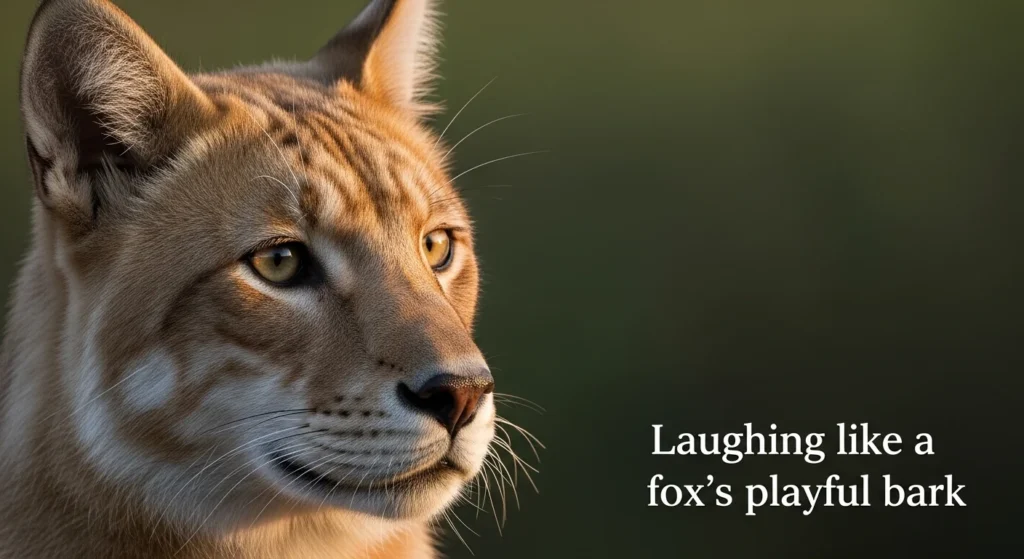
Meaning: Mischievous laughter.
Usage Insight: Works in playful teasing scenes.
- She laughed like a fox darting through the woods.
- His grin matched his sly, playful laugh.
18. Laughing like petals falling in spring
Meaning: Soft, graceful laughter.
Usage Insight: Best for elegant characters.
- She laughed like petals drifting from blossoms.
- Her gentle giggle floated through the air.
19. Laughing like a drumbeat at a parade
Meaning: Bold, rhythmic laughter.
Usage Insight: Great for energetic personalities.
- He laughed like a drumbeat leading a parade.
- Her booming laugh marched through the crowd.
20. Laughing like snow melting under sunlight
Meaning: Gentle, warm laughter that eases tension.
Usage Insight: Ideal for reconciliation scenes.
- She laughed like snow melting in the sun.
- His quiet chuckle softened the room.
21. Laughing like a candle flickering in the dark
Meaning: Small but bright laughter.
Usage Insight: Suitable for intimate settings.
- She laughed like a candle flickering gently.
- His smile glowed with a quiet laugh.
22. Laughing like a rooster greeting the morning
Meaning: Loud and sudden laughter.
Usage Insight: Good for comedic exaggeration.
- He laughed like a rooster greeting dawn.
- Her burst of laughter startled everyone.
23. Laughing like branches swaying in the wind
Meaning: Free and relaxed laughter.
Usage Insight: Connects well with nature imagery.
- She laughed like branches swaying freely.
- His chuckle moved lightly through the air.
24. Laughing like marbles scattering on tile
Meaning: Quick, sharp giggles.
Usage Insight: Best for playful scenes.
- She laughed like marbles scattering across the floor.
- His giggle bounced unpredictably.
25. Laughing like a meadow alive with crickets
Meaning: Continuous background laughter.
Usage Insight: Useful in group atmospheres.
- The children laughed like a meadow buzzing at dusk.
- Their laughter hummed gently in the air.
26. Laughing like a waterfall crashing below
Meaning: Powerful, echoing laughter.
Usage Insight: Ideal for dramatic settings.
- He laughed like a waterfall crashing into a canyon.
- Her booming joy filled the valley.
27. Laughing like ice cracking on a winter lake
Meaning: Sudden, sharp laughter.
Usage Insight: Works for surprising reactions.
- She laughed like ice cracking unexpectedly.
- His sharp chuckle split the silence.
28. Laughing like a flute playing in the forest
Meaning: Clear and melodious laughter.
Usage Insight: Suitable for poetic writing.
- She laughed like a flute echoing through trees.
- His voice carried a musical brightness.
29. Laughing like coins spilling from a jar
Meaning: Bright, tinkling laughter.
Usage Insight: Great for youthful characters.
- She laughed like coins spilling onto a table.
- His giggle rang with metallic joy.
30. Laughing like sparks dancing from a fire
Meaning: Energetic and lively laughter.
Usage Insight: Perfect for passionate characters.
- She laughed like sparks leaping into the night.
- His laughter crackled with warmth.
31. Laughing like a train whistle in the distance
Meaning: Long, drawn-out laughter.
Usage Insight: Good for exaggerated humor.
- He laughed like a train whistle fading away.
- Her long laugh echoed down the hall.
32. Laughing like sugar dissolving in tea
Meaning: Soft, subtle laughter.
Usage Insight: Works in delicate emotional scenes.
- She laughed like sugar dissolving quietly.
- His soft chuckle blended into the moment.
33. Laughing like birds scattering from a tree
Meaning: Quick bursts of shared laughter.
Usage Insight: Perfect for group surprises.
- They laughed like birds scattering suddenly.
- The room erupted like wings taking flight.
34. Laughing like wind sweeping across a meadow
Meaning: Free, expansive laughter.
Usage Insight: Ideal for open, outdoor scenes.
- She laughed like wind racing across grass.
- His joy rolled outward endlessly.
35. Laughing like stars twinkling in the night
Meaning: Bright, gentle, magical laughter.
Usage Insight: Great for romantic or dreamy writing.
- She laughed like stars twinkling softly above.
- His quiet joy shimmered in the darkness.
How to Use Similes Effectively in Writing
To use similes for laughing effectively in poems, stories, essays, songs, and creative descriptions:
- Choose comparisons that match the mood of your scene.
- Avoid overusing similes in one paragraph.
- Make sure the comparison feels natural and easy to imagine.
- Connect the simile to emotions or themes, like growth or resilience (just as trees symbolize strength and wisdom).
- Use sensory language—sound, sight, touch—to make imagery stronger.
When done well, similes turn simple sentences into unforgettable images.
FAQs About Similes for Laughing
1. What are similes for laughing? Similes for laughing are creative comparisons that describe laughter using “like” or “as,” helping readers imagine its sound, tone, or emotion.
2. How are similes different from metaphors? A simile uses “like” or “as” to compare, while a metaphor directly states one thing is another.
3. Can similes be used in academic writing? Yes, but carefully. They work best in reflective essays or creative assignments rather than strict research papers.
4. Why are similes important in figurative language examples? They create vivid imagery, emotional depth, and clearer comparisons in writing.
5. Are similes common in literature? Yes, many classic and modern authors use similes in literature to make descriptions more expressive and memorable.
Conclusion
Creative similes for laughing add color, rhythm, and emotional depth to your writing. They transform plain descriptions into vivid comparisons that readers can see, hear, and feel. Like trees that stand tall through seasons of change, laughter carries strength, resilience, and wisdom within human experience. By choosing thoughtful comparisons, you allow your words to grow branches of imagery and roots of meaning. Whether you’re writing poetry, storytelling, or everyday descriptions, these similes will help your language shine brighter and feel more alive.