
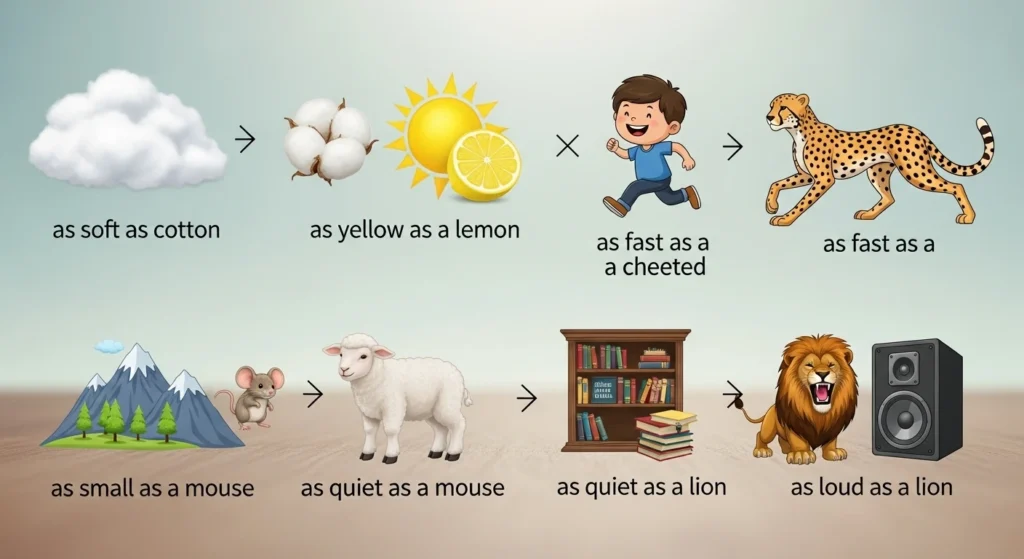
Similes are one of the easiest and most exciting ways for kids to make their writing colorful and meaningful. A simile is a type of figurative language that compares two different things using the words “like” or “as.” These comparisons help readers imagine ideas more clearly and feel emotions more deeply. In stories, poems, and even everyday speech, similes turn simple sentences into lively pictures. Nature similes—especially those involving trees—are powerful because trees represent strength, growth, patience, resilience, and wisdom. Just like people, trees grow through challenges, stand tall in storms, and quietly show emotions through their changing seasons. That’s why similes about trees work so beautifully for kids learning how to express thoughts and feelings in words.
What Is a Simile?
A simile is a figure of speech that compares two different things using “like” or “as” to make descriptions more vivid and easy to understand.
Example: The tree stood like a brave soldier in the wind.
This simile helps the reader picture the tree as strong, steady, and fearless.
Similes Examples for Kids (35 Creative Comparisons)
1. As strong as an old oak tree
Meaning: Very strong and dependable.
Usage Insight: Great for describing strength in people or objects.
Examples:
- Grandpa is as strong as an old oak tree.
- The fence stayed firm, as strong as an old oak tree.
2. Like a tree reaching for the sky
Meaning: Always growing and aiming higher.
Usage Insight: Works well for dreams and goals.
Examples:
- Her confidence grew like a tree reaching for the sky.
- His hopes stretched upward like a tree reaching for the sky.
3. As calm as a tree in the morning breeze
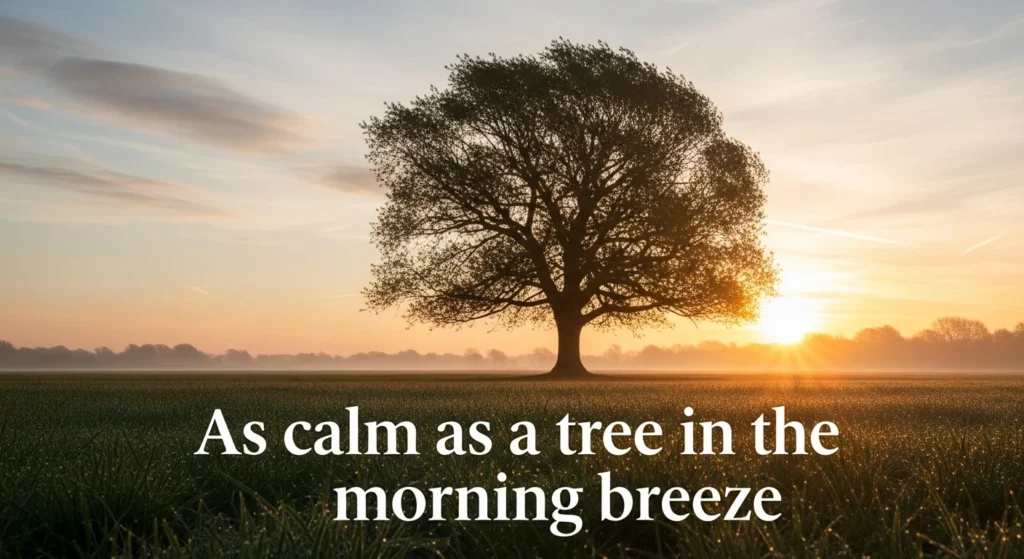
Meaning: Peaceful and relaxed.
Usage Insight: Perfect for gentle moods and quiet moments.
Examples:
- She felt as calm as a tree in the morning breeze.
- The classroom was as calm as a tree in the morning breeze.
4. Like leaves dancing in the wind
Meaning: Moving freely and happily.
Usage Insight: Useful for playful or joyful scenes.
Examples:
- The children ran like leaves dancing in the wind.
- Her laughter fluttered like leaves dancing in the wind.
5. As tall as a proud pine
Meaning: Very tall and confident.
Usage Insight: Ideal for describing height and confidence together.
Examples:
- He stood as tall as a proud pine.
- The tower rose as tall as a proud pine.
6. Like roots holding the ground

Meaning: Strongly connected and stable.
Usage Insight: Good for family, values, or traditions.
Examples:
- Her values were like roots holding the ground.
- Friendship kept them steady like roots holding the ground.
7. As patient as a growing tree
Meaning: Willing to wait calmly for results.
Usage Insight: Helpful for teaching patience to kids.
Examples:
- Learning takes time, so be as patient as a growing tree.
- He waited as patient as a growing tree.
8. Like a tree full of stories
Meaning: Wise and experienced.
Usage Insight: Best for elders or old places.
Examples:
- The old teacher felt like a tree full of stories.
- That village is like a tree full of stories.
9. As gentle as falling leaves

Meaning: Soft and kind.
Usage Insight: Perfect for tender emotions.
Examples:
- Her voice was as gentle as falling leaves.
- The moment felt as gentle as falling leaves.
10. Like branches spreading wide
Meaning: Welcoming and open.
Usage Insight: Works for kindness and friendship.
Examples:
- She welcomed everyone like branches spreading wide.
- The park felt friendly, like branches spreading wide.
11. As steady as a tree trunk
Meaning: Reliable and firm.
Usage Insight: Ideal for trust and support.
Examples:
- He stayed as steady as a tree trunk.
- Her support was as steady as a tree trunk.
12. Like a tree standing through storms
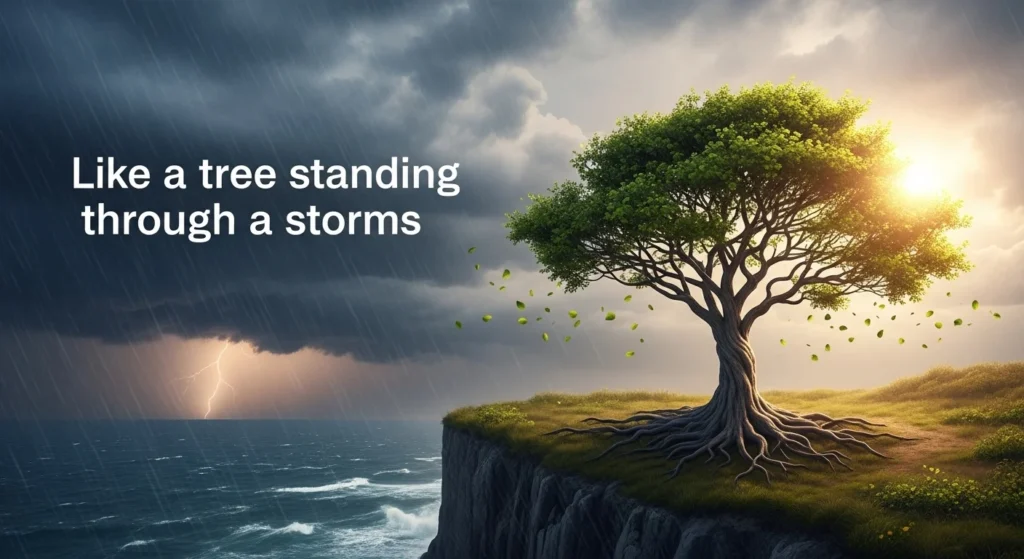
Meaning: Strong during hard times.
Usage Insight: Great for resilience.
Examples:
- She stayed brave like a tree standing through storms.
- The team held on like a tree standing through storms.
13. As fresh as new green leaves
Meaning: Full of energy and new ideas. Usage Insight: Works well for beginnings. Examples:
- He felt as fresh as new green leaves.
- The idea sounded as fresh as new green leaves.
14. Like a tree giving shade
Meaning: Caring and protective. Usage Insight: Good for kindness and comfort. Examples:
- Mom is like a tree giving shade.
- His words felt like a tree giving shade.
15. As quiet as a forest tree
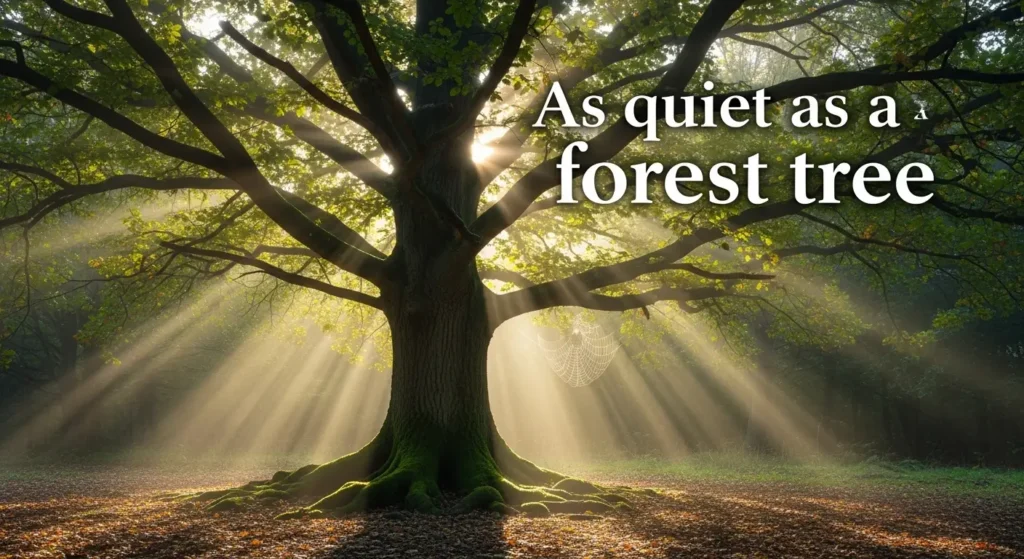
Meaning: Very silent and peaceful. Usage Insight: Useful for calm scenes. Examples:
- The room was as quiet as a forest tree.
- She listened as quiet as a forest tree.
16. Like leaves changing colors
Meaning: Growing and changing.
Usage Insight: Perfect for life changes.
Examples:
- He changed like leaves changing colors.
- Life moves on like leaves changing colors.
17. As wise as an ancient tree
Meaning: Full of wisdom.
Usage Insight: Works for teachers and elders.
Examples:
- The librarian seemed as wise as an ancient tree.
- His advice felt as wise as an ancient tree.
18. Like branches holding birds

Meaning: Supportive and caring.
Usage Insight: Ideal for friendships.
Examples:
- She was like branches holding birds.
- The school felt like branches holding birds.
19. As rooted as a forest tree
Meaning: Strong sense of belonging.
Usage Insight: Good for culture and identity.
Examples:
- He felt as rooted as a forest tree.
- Traditions kept them as rooted as a forest tree.
20. Like leaves whispering secrets
Meaning: Soft and mysterious.
Usage Insight: Best for quiet moments.
Examples:
- The wind sounded like leaves whispering secrets.
- Her words felt like leaves whispering secrets.
21. As hopeful as a spring tree
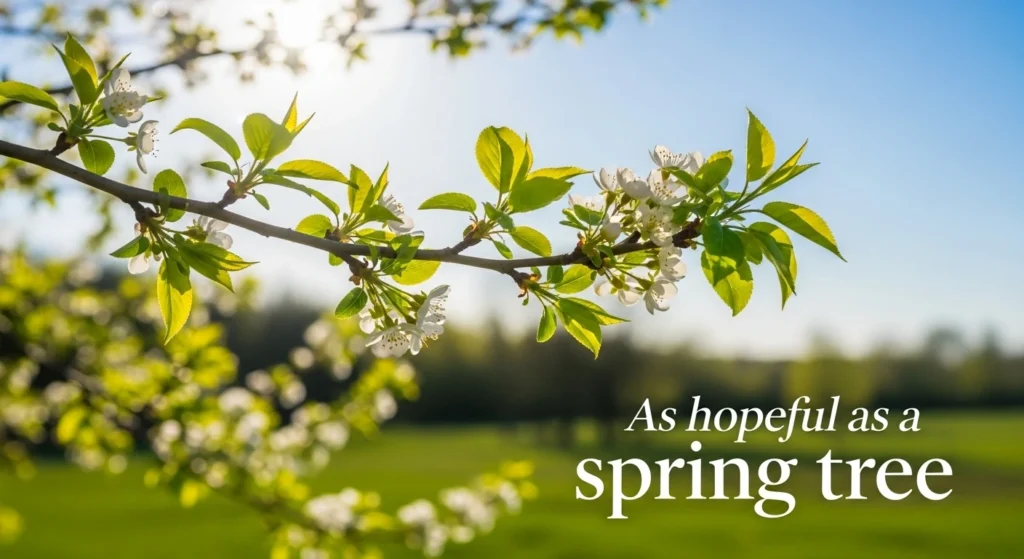
Meaning: Full of hope and joy.
Usage Insight: Works for positive feelings.
Examples:
- She smiled as hopeful as a spring tree.
- The future looked as hopeful as a spring tree.
22. Like a tree full of birdsong
Meaning: Lively and joyful. Usage Insight: Great for happy settings. Examples:
- The playground was like a tree full of birdsong.
- His laugh sounded like a tree full of birdsong.
23. As firm as tree roots
Meaning: Strong beliefs. Usage Insight: Good for confidence. Examples:
- Her decision was as firm as tree roots.
- His honesty stayed as firm as tree roots.
24. Like leaves floating on water

Meaning: Calm and relaxed.
Usage Insight: Works for peaceful scenes.
Examples:
- He drifted through the day like leaves floating on water.
- Her thoughts moved like leaves floating on water.
25. As bright as sunlit leaves
Meaning: Cheerful and lively.
Usage Insight: Good for happiness.
Examples:
- Her smile was as bright as sunlit leaves.
- The room felt as bright as sunlit leaves.
26. Like a tree welcoming spring
Meaning: Ready for new beginnings.
Usage Insight: Great for fresh starts.
Examples:
- She felt like a tree welcoming spring.
- The class began like a tree welcoming spring.
27. As strong as roots underground

Meaning: Quiet strength.
Usage Insight: Ideal for hidden courage.
Examples:
- He stayed strong, as strong as roots underground.
- Her bravery was as strong as roots underground.
28. Like branches reaching for light
Meaning: Seeking growth.
Usage Insight: Works for learning and ambition.
Examples:
- Students learn like branches reaching for light.
- His dreams grew like branches reaching for light.
29. As peaceful as a forest tree at dusk
Meaning: Deep calm.
Usage Insight: Perfect for endings.
Examples:
- The evening felt as peaceful as a forest tree at dusk.
- She rested as peaceful as a forest tree at dusk.
30. Like a tree sharing its fruit
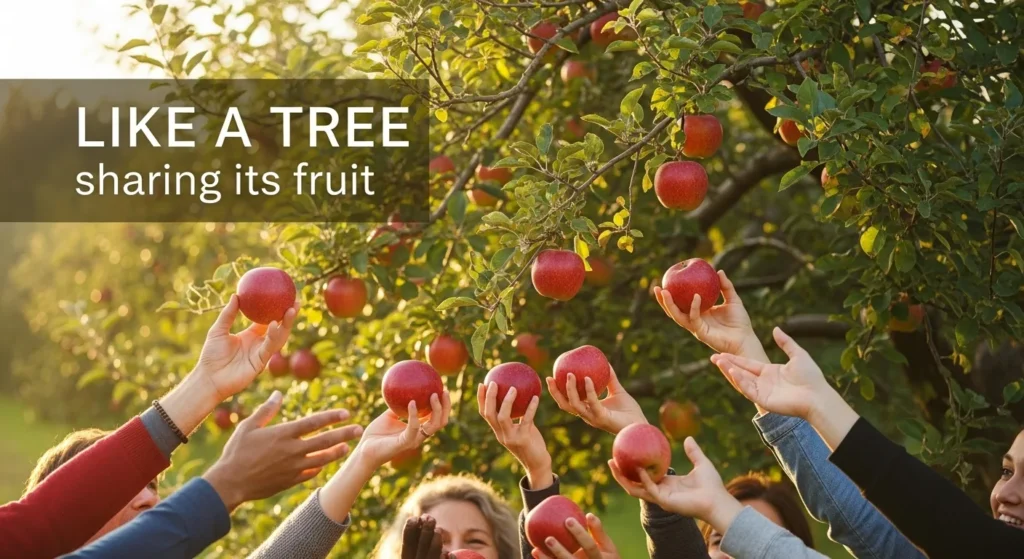
Meaning: Generous and kind.
Usage Insight: Good for sharing lessons.
Examples:
- She teaches like a tree sharing its fruit.
- His kindness felt like a tree sharing its fruit.
31. As lively as leaves in spring
Meaning: Energetic and joyful.
Usage Insight: Ideal for kids and play.
Examples:
- The kids were as lively as leaves in spring.
- The party felt as lively as leaves in spring.
32. Like a tree standing tall
Meaning: Confident and proud.
Usage Insight: Works for self-belief.
Examples:
- She stood like a tree standing tall.
- He faced fear like a tree standing tall.
33. As gentle as tree shade
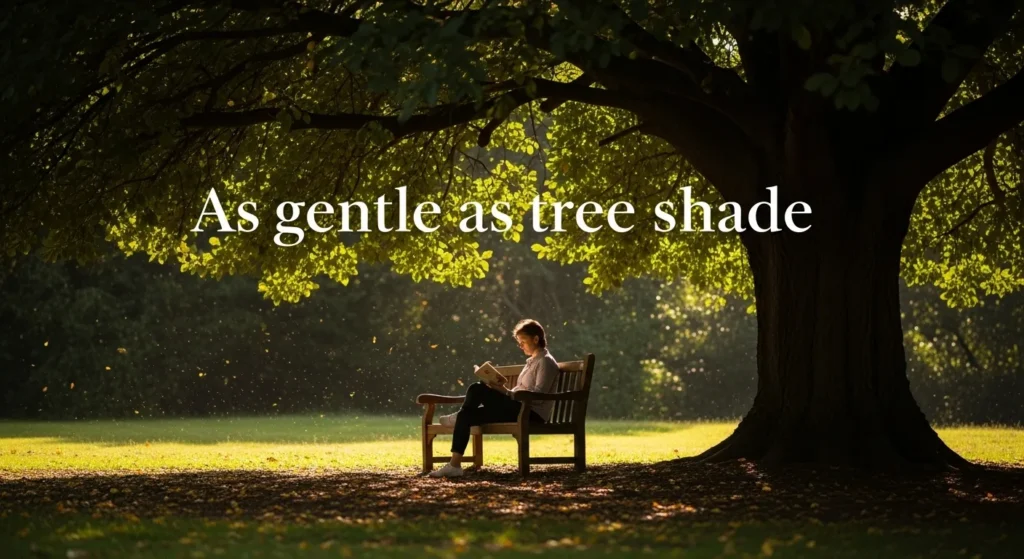
Meaning: Comforting and soft.
Usage Insight: Great for emotional care.
Examples:
- Her hug was as gentle as tree shade.
- His words felt as gentle as tree shade.
34. Like leaves after rain
Meaning: Fresh and renewed.
Usage Insight: Best for recovery and hope.
Examples:
- She felt like leaves after rain.
- The town looked like leaves after rain.
35. As strong as a forest together
Meaning: Powerful through unity.
Usage Insight: Perfect for teamwork.
Examples:
- The class worked as strong as a forest together.
- Families grow as strong as a forest together.
How to Use Similes Effectively in Writing
To use similes well, always choose comparisons your reader can easily imagine. In poems, similes add beauty and emotion. In stories, they help describe characters and settings clearly. In essays, similes make ideas easier to understand. Songs and creative writing become more memorable when similes feel natural, not forced. Use one strong simile instead of many weak ones, and always match the simile to the mood you want to create.
FAQs About Similes Examples for Kids
1. What are similes examples for kids? They are simple comparisons using “like” or “as” that help children describe ideas clearly and creatively.
2. What is the difference between a simile and a metaphor? A simile uses “like” or “as,” while a metaphor compares directly without those words.
3. Why are similes important in figurative language? They help readers visualize ideas and understand emotions better.
4. Can similes be used in school essays? Yes, when used carefully, similes improve clarity and engagement in academic writing.
5. Are nature similes good for kids? Absolutely. Nature similes are easy to imagine and teach strong emotional ideas.
Conclusion
Similes examples for kids make language clearer, richer, and more exciting. By using tree-based and nature-inspired comparisons, children can express strength, growth, kindness, and emotions in a simple yet powerful way. These similes add imagery, depth, and feeling to writing while keeping ideas easy to understand. Whether in stories, poems, essays, or everyday speech, similes help young writers connect words with meaning. With practice, kids can turn ordinary sentences into beautiful expressions full of life and imagination.