Christmas is more than a holiday—it’s a feeling, a season of warmth, reflection, and shared joy. One powerful way writers capture this feeling is through similes, a key part of figurative language that brings images to life by comparing one thing to another using like or as. Similes help readers see, feel, and experience Christmas beyond simple descriptions. They are especially effective during this season because Christmas is rich with symbols—lights, snow, trees, gifts, and togetherness—that connect deeply to human emotions. Trees, particularly Christmas trees, stand as powerful symbols of strength, growth, resilience, wisdom, and hope, mirroring human life and emotions. By using similes thoughtfully, writers can turn ordinary holiday scenes into vivid, memorable moments. This article explores meaningful, creative, and original similes for Christmas to elevate your writing with clarity, beauty, and emotional depth.
What Is a Simile?
A simile is a figure of speech that compares two different things using words like “as” or “like” to create a vivid image or idea.
Example: The Christmas lights shimmered like stars scattered across the night sky.
This simile helps readers visualize brightness and wonder through a familiar comparison.
Christmas Felt Like a Blanket of Warm Light
Meaning: This simile expresses comfort, safety, and emotional warmth during Christmas.
Usage Insight: It works best in reflective writing, cozy scenes, or emotional storytelling.
Examples:
- Christmas felt like a blanket of warm light wrapped around the entire house.
- Her smile made the room glow, and Christmas felt like a blanket of warm light.
The Town Sparkled Like a Snow Globe Shaken by Joy
Meaning: It highlights festive beauty and magical movement.
Usage Insight: Perfect for descriptive openings or scene-setting.
Examples:
- At dusk, the town sparkled like a snow globe shaken by joy.
- Streets sparkled like a snow globe shaken by joy on Christmas Eve.
Christmas Morning Arrived Like a Whispered Promise

Meaning: This simile suggests quiet excitement and anticipation.
Usage Insight: Ideal for gentle, emotional narratives.
Examples:
- Christmas morning arrived like a whispered promise of happiness.
- For the children, it came like a whispered promise they had waited all year to hear.
The Christmas Tree Stood Like a Guardian of Memories
Meaning: Represents strength, tradition, and emotional history.
Usage Insight: Works beautifully in family-centered or nostalgic writing.
Examples:
- The Christmas tree stood like a guardian of memories in the living room.
- Decorated with care, it stood like a guardian of memories from years past.
Laughter Rang Like Silver Bells in Winter Air
Meaning: Captures joy, clarity, and festive sound.
Usage Insight: Best for lively family or social scenes.
Examples:
- Children’s laughter rang like silver bells in winter air.
- The room filled with laughter that rang like silver bells.
Christmas Lights Shone Like Stars Come Down to Earth
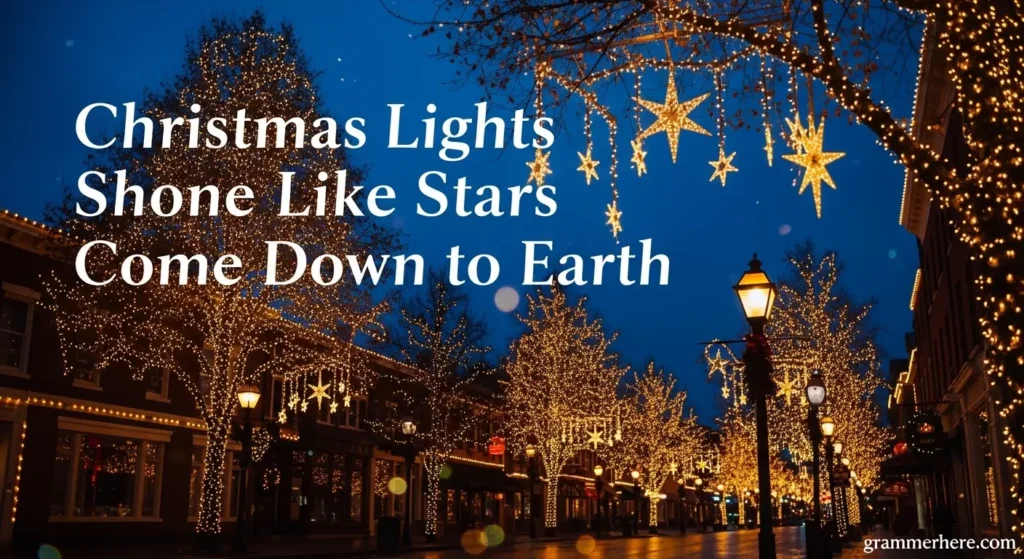
Meaning: Shows wonder and beauty through celestial imagery.
Usage Insight: Excellent for visual descriptions.
Examples:
- Christmas lights shone like stars come down to earth.
- The streets glowed, lights shining like stars come down to earth.
Hope Grew Like an Evergreen in December
Meaning: Symbolizes resilience and lasting hope.
Usage Insight: Strong for emotional or inspirational writing.
Examples:
- Even in hard times, hope grew like an evergreen in December.
- Their faith grew like an evergreen through the season.
The Fire Cracked Like Stories Being Told
Meaning: Connects warmth with shared experiences.
Usage Insight: Great for intimate, cozy scenes.
Examples:
- The fire cracked like stories being told on Christmas night.
- Flames cracked like stories passed down through generations.
Christmas Eve Was Quiet Like a Held Breath
Meaning: Expresses suspense and anticipation.
Usage Insight: Perfect for calm, reflective moments.
Examples:
- Christmas Eve was quiet like a held breath.
- The house waited, quiet like a held breath before dawn.
Snow Fell Like Soft Secrets from the Sky
Meaning: Suggests gentleness and mystery.
Usage Insight: Ideal for poetic or lyrical writing.
Examples:
- Snow fell like soft secrets from the sky.
- Outside, secrets fell softly in the form of snow.
Joy Spread Like Candlelight in Darkness
Meaning: Represents hope and shared happiness.
Usage Insight: Works well in inspirational passages.
Examples:
- Joy spread like candlelight in darkness.
- Her kindness spread like candlelight during Christmas.
The Season Wrapped Hearts Like a Handwritten Letter

Meaning: Shows personal, emotional connection.
Usage Insight: Great for sentimental writing.
Examples:
- The season wrapped hearts like a handwritten letter.
- Christmas wrapped her heart like a handwritten letter from home.
Christmas Songs Flowed Like Familiar Rivers
Meaning: Suggests comfort and tradition.
Usage Insight: Useful for nostalgic tones.
Examples:
- Christmas songs flowed like familiar rivers through the house.
- Carols flowed like familiar rivers of sound.
Gifts Waited Like Quiet Surprises
Meaning: Represents anticipation and mystery.
Usage Insight: Perfect for child-focused or playful scenes.
Examples:
- Gifts waited like quiet surprises under the tree.
- The boxes waited like quiet surprises all night.
The Air Smelled Like Sweet Memories

Meaning: Connects scent with nostalgia.
Usage Insight: Ideal for sensory descriptions.
Examples:
- The air smelled like sweet memories of childhood.
- Cinnamon and pine made the air smell like sweet memories.
Christmas Felt Like Home Found Again
Meaning: Expresses belonging and emotional return.
Usage Insight: Strong for reflective conclusions.
Examples:
- Christmas felt like home found again.
- After years away, it felt like home found again.
Time Slowed Like Snow Drifting Down
Meaning: Shows calm and peaceful pacing.
Usage Insight: Works well in serene descriptions.
Examples:
- Time slowed like snow drifting down.
- On Christmas Day, time slowed like snow.
Smiles Spread Like Tinsel Across Faces

Meaning: Captures visible joy and festivity.
Usage Insight: Best for cheerful scenes.
Examples:
- Smiles spread like tinsel across faces.
- The room brightened as smiles spread like tinsel.
Christmas Night Glowed Like a Shared Dream
Meaning: Suggests unity and warmth.
Usage Insight: Great for emotional storytelling.
Examples:
- Christmas night glowed like a shared dream.
- The evening felt like a shared dream glowing softly.
Kindness Moved Like a Gentle Snowfall
Meaning: Represents quiet generosity.
Usage Insight: Perfect for moral or reflective writing.
Examples:
- Kindness moved like a gentle snowfall.
- Small acts fell like a gentle snowfall of kindness.
Traditions Stood Like Roots Beneath the Tree
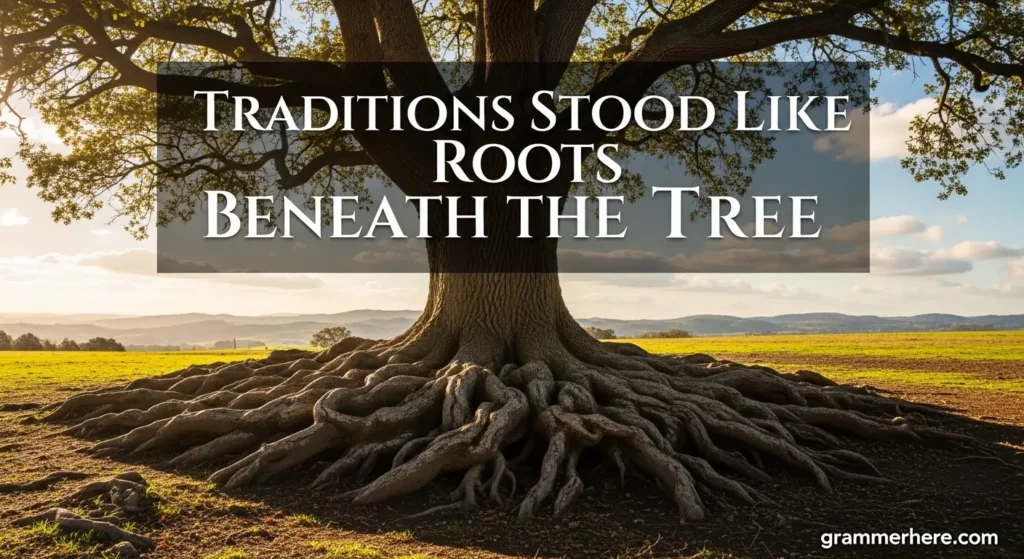
Meaning: Symbolizes stability and continuity.
Usage Insight: Excellent for family-oriented writing.
Examples:
- Traditions stood like roots beneath the tree.
- Their customs stood like roots through generations.
Christmas Wishes Floated Like Paper Stars
Meaning: Shows hope and imagination.
Usage Insight: Ideal for whimsical or poetic scenes.
Examples:
- Christmas wishes floated like paper stars.
- Children’s hopes floated like paper stars.
The Feast Spread Like Abundance Itself
Meaning: Represents generosity and celebration.
Usage Insight: Works well in descriptive passages.
Examples:
- The feast spread like abundance itself.
- The table looked like abundance made visible.
Togetherness Felt Like a Warm Hearth

Meaning: Expresses unity and comfort.
Usage Insight: Perfect for emotional reflections.
Examples:
- Togetherness felt like a warm hearth.
- Family laughter felt like a warm hearth.
The Tree Shimmered Like a Living Memory
Meaning: Blends symbolism with emotion.
Usage Insight: Strong in nostalgic writing.
Examples:
- The tree shimmered like a living memory.
- Each ornament made it shimmer like a living memory.
Christmas Came Like a Gentle Reminder
Meaning: Suggests reflection and renewal.
Usage Insight: Great for thoughtful essays.
Examples:
- Christmas came like a gentle reminder to slow down.
- It arrived like a gentle reminder of what matters.
Children’s Eyes Sparkled Like Fresh Snow
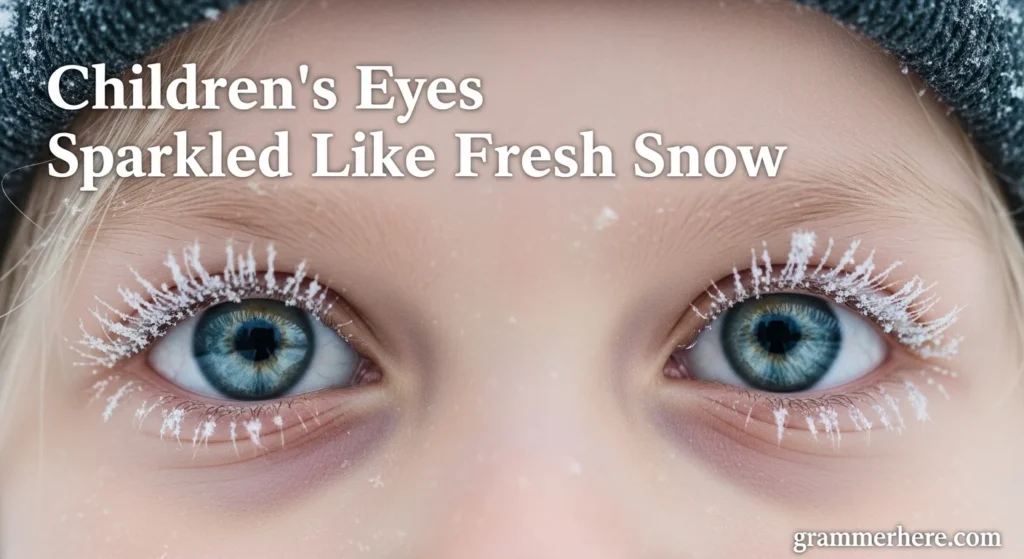
Meaning: Shows innocence and wonder.
Usage Insight: Best for joyful, child-centered scenes.
Examples:
- Children’s eyes sparkled like fresh snow.
- Their excitement sparkled like fresh snow.
Peace Settled Like a Quiet Song
Meaning: Represents calm and harmony.
Usage Insight: Works well in closing scenes.
Examples:
- Peace settled like a quiet song.
- By nightfall, peace settled like a quiet song.
Christmas Memories Clung Like Pine Scent
Meaning: Shows lasting emotional impact.
Usage Insight: Ideal for reflective writing.
Examples:
- Christmas memories clung like pine scent.
- Years later, they clung like pine scent.
Love Grew Like Lights on a Tree
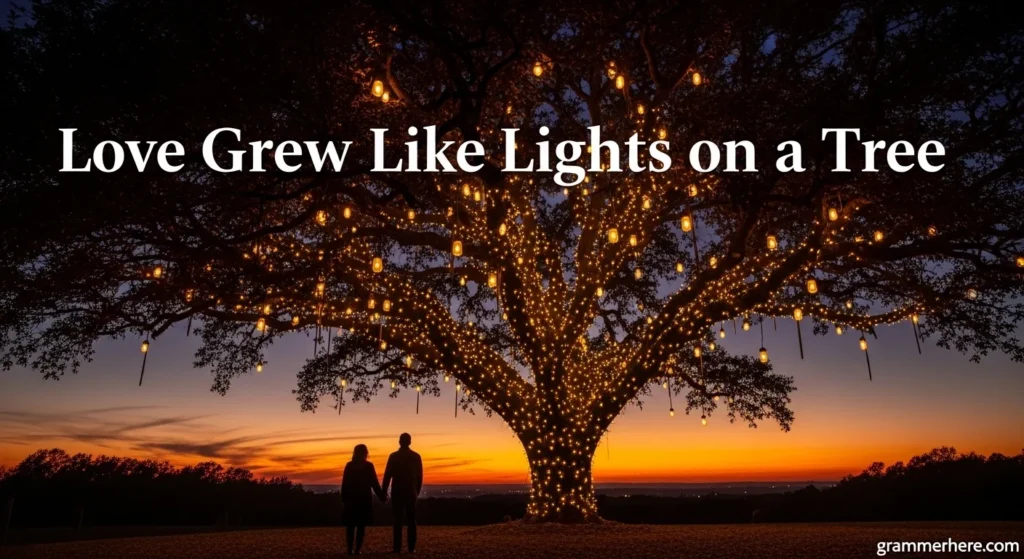
Meaning: Symbolizes expanding affection.
Usage Insight: Perfect for romantic or family themes.
Examples:
- Love grew like lights on a tree.
- With each moment, love grew brighter.
The Season Opened Hearts Like Unwrapped Gifts
Meaning: Shows emotional openness.
Usage Insight: Strong for inspirational writing.
Examples:
- The season opened hearts like unwrapped gifts.
- Christmas opened hearts like unwrapped gifts everywhere.
Christmas Ended Like a Soft Goodbye
Meaning: Represents gentle closure.
Usage Insight: Great for endings.
Examples:
- Christmas ended like a soft goodbye.
- The holiday faded like a soft goodbye.
How to Use Similes Effectively in Writing
To use similes effectively, choose comparisons that feel natural and emotionally accurate. In poems, focus on sensory imagery. In stories, use similes to reveal mood and character feelings. For essays, keep similes clear and purposeful rather than decorative. In songs, rhythmic and emotional similes work best. Across all creative descriptions, avoid overusing similes—one strong comparison is more powerful than many weak ones.
FAQs
1. What are similes for Christmas? They are comparisons using like or as to describe Christmas feelings, scenes, or symbols.
2. How are similes different from metaphors? Similes use like or as, while metaphors state the comparison directly.
3. Can similes be used in academic writing? Yes, when used sparingly and clearly to explain ideas.
4. Why are similes important in figurative language? They add clarity, imagery, and emotional connection.
5. Are Christmas similes useful in literature? Absolutely—they enrich seasonal writing and deepen meaning.
Conclusion
Similes for Christmas bring language to life by adding vivid imagery, emotional warmth, and deeper meaning. They help writers turn simple holiday moments into memorable experiences filled with light, hope, and connection. Whether used in stories, poems, essays, or songs, these similes create powerful comparisons that readers can feel and remember. By choosing thoughtful, original similes, you enrich your writing with clarity, beauty, and heart—making Christmas not just something readers see, but something they truly experience. 🎄✨