Similes are one of the most powerful tools in figurative language because they help us explain feelings, images, and ideas through vivid comparisons. By using words like “as” or “like,” similes turn ordinary descriptions into memorable pictures in the reader’s mind. In nature writing, similes are especially effective because they connect the natural world with human emotion and imagination. Clouds, in particular, have inspired writers for centuries with their ever-changing shapes, colors, and moods. They can suggest freedom, mystery, calm, hope, or even tension, depending on how they appear in the sky. Through creative comparisons, clouds become more than weather—they become symbols of dreams, thoughts, and emotions drifting through life. This article explores rich and original similes for clouds to help you express ideas with clarity, beauty, and emotional depth.
What Is a Simile?
A simile is a figure of speech that compares two different things using the words like or as to highlight a shared quality.
Example: The clouds drifted like wandering sheep across the sky. This comparison helps readers imagine the slow, gentle movement of the clouds.
Similes for Clouds with Meanings and Examples
Clouds like Cotton Candy
Meaning: Soft, fluffy, and light in appearance.
Usage Insight: Works best in cheerful, peaceful scenes or children’s writing. The clouds looked like cotton candy melting into the blue sky. At sunset, cotton-candy clouds glowed pink and sweet above the horizon.
Clouds like Floating Pillows
Meaning: Thick, soft clouds that seem comforting.
Usage Insight: Ideal for calm, dreamy descriptions. The sky was filled with clouds like floating pillows. She lay on the grass, imagining herself resting on those pillow-like clouds.
Clouds like Silent Travelers
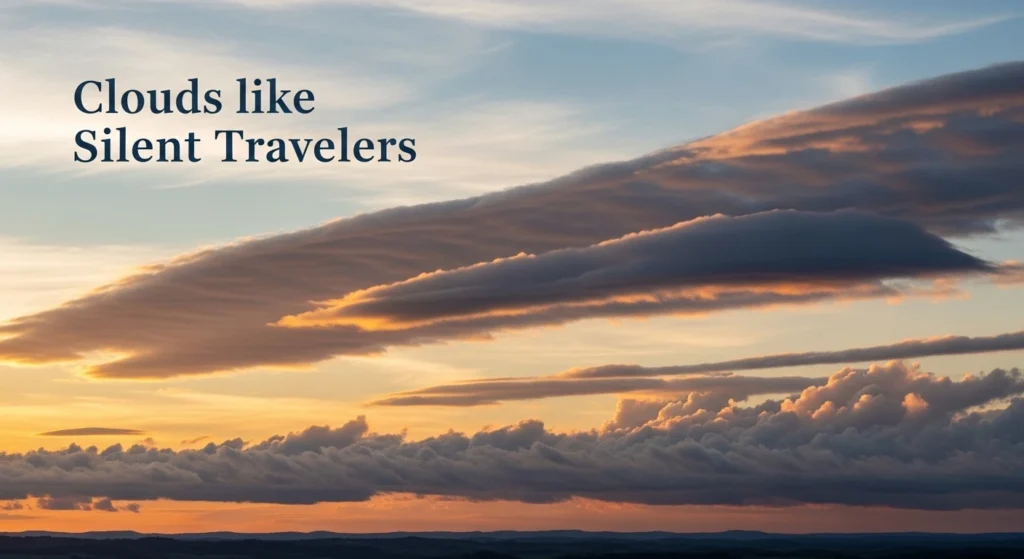
Meaning: Clouds moving slowly and quietly.
Usage Insight: Fits reflective or thoughtful writing. The clouds moved like silent travelers across the afternoon sky. He watched the silent travelers drift by, lost in thought.
Clouds like Torn Pages
Meaning: Thin, scattered clouds spread unevenly.
Usage Insight: Effective in poetic or artistic imagery. The clouds were like torn pages scattered across the sky. Above the city, torn-page clouds hinted at a changing mood.
Clouds like Gentle Waves
Meaning: Rolling clouds that rise and fall softly.
Usage Insight: Great for blending sky and sea imagery. Clouds rolled like gentle waves overhead. The sky mirrored the ocean with waves of clouds drifting past.
Clouds like Sleeping Giants
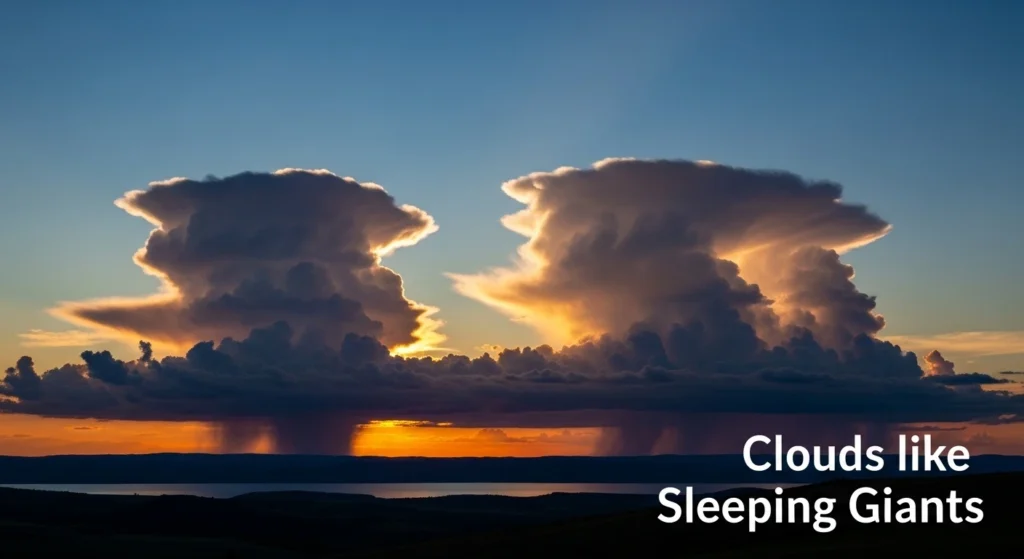
Meaning: Large, heavy clouds full of quiet power.
Usage Insight: Useful for dramatic or suspenseful scenes. Dark clouds lay like sleeping giants above the hills. The sleeping-giant clouds promised an approaching storm.
Clouds like Wisps of Smoke
Meaning: Thin, light clouds barely visible.
Usage Insight: Best for delicate, subtle descriptions. High above, clouds stretched like wisps of smoke. Smoke-like clouds faded as the sun grew stronger.
Clouds like A Painter’s Brushstrokes
Meaning: Artistic, scattered clouds across the sky.
Usage Insight: Ideal for creative or visual writing. The clouds looked like a painter’s brushstrokes on blue canvas. Evening skies bloomed with brushstroke clouds.
Clouds like Soft Wool
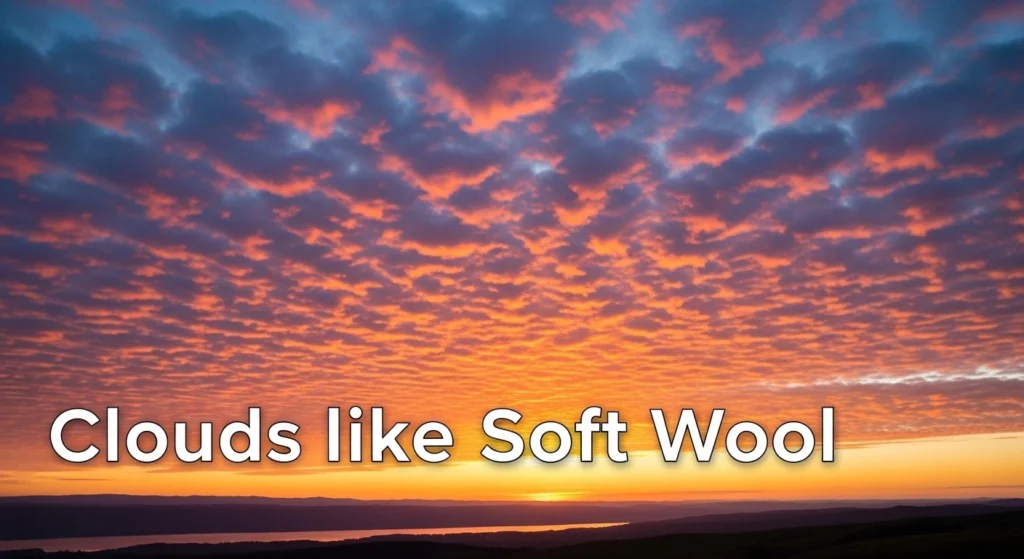
Meaning: Dense yet gentle clouds.
Usage Insight: Works well in pastoral or countryside scenes. The clouds were like soft wool resting in the sky. She compared the wool-soft clouds to her grandmother’s blankets.
Clouds like Drifting Thoughts
Meaning: Clouds symbolizing passing ideas or emotions.
Usage Insight: Excellent for introspective writing. His worries floated away like drifting thoughts in the clouds. Clouds like drifting thoughts crossed her quiet mind.
Clouds like Silver Ships
Meaning: Bright clouds sailing through the sky.
Usage Insight: Strong in imaginative or literary contexts. Silver ships of clouds sailed across the morning light. Children pretended the clouds were ships on a sky-sea.
Clouds like A Blanket
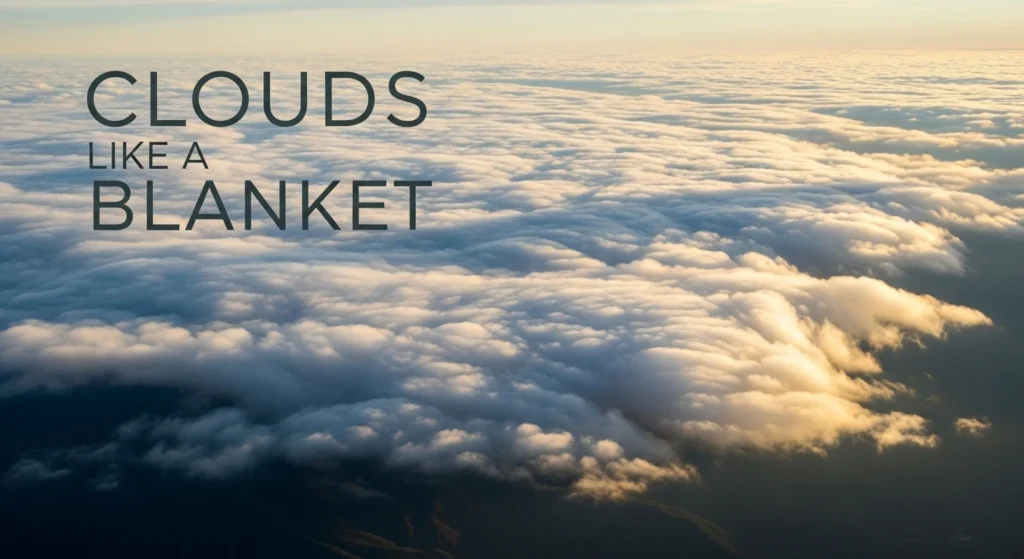
Meaning: Thick clouds covering the sky completely.
Usage Insight: Useful for gloomy or cozy scenes. A blanket of clouds hid the sun. The day felt quiet under its cloudy blanket.
Clouds like Crumpled Paper
Meaning: Uneven, wrinkled cloud formations.
Usage Insight: Adds texture to descriptive writing. Crumpled-paper clouds filled the afternoon sky. The sky looked messy with clouds like crumpled paper.
Clouds like Feathers
Meaning: Light, delicate clouds floating high.
Usage Insight: Perfect for peaceful imagery. Feather-like clouds drifted slowly overhead. The sky wore feathers of white clouds.
Clouds like A Moving Painting
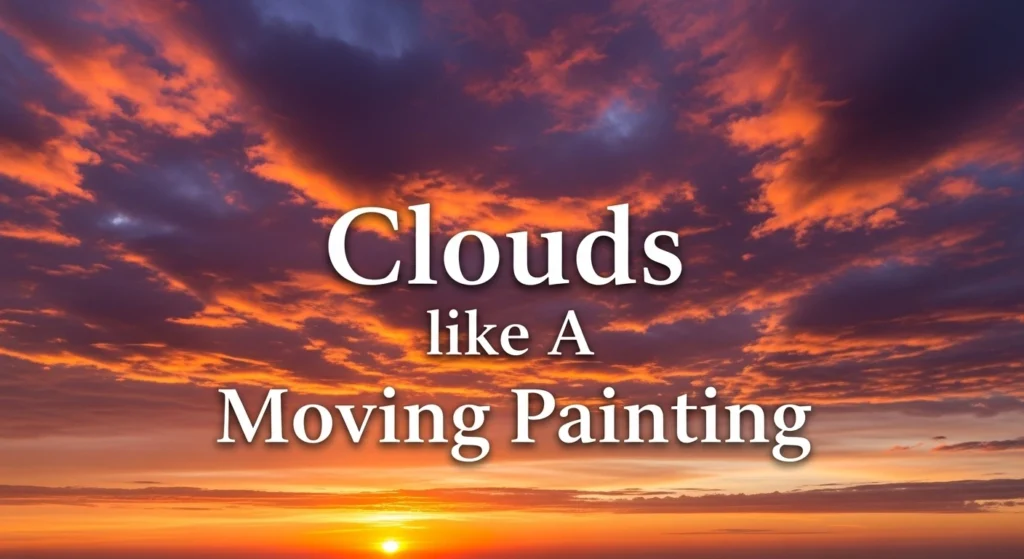
Meaning: Ever-changing cloud shapes.
Usage Insight: Best for artistic or reflective descriptions. The clouds formed a moving painting above us. She watched the sky’s painting change every minute.
Clouds like Whispering Secrets
Meaning: Clouds suggesting mystery or hidden meaning.
Usage Insight: Works in emotional or symbolic writing. The clouds hung low, like whispering secrets. He felt the clouds knew something he didn’t.
Clouds like Marshmallows
Meaning: Puffy, round, and playful clouds.
Usage Insight: Ideal for light-hearted tones. Marshmallow clouds floated in the summer sky. The child pointed at the marshmallow clouds with delight.
Clouds like A Slow Parade

Meaning: Clouds moving steadily across the sky.
Usage Insight: Good for calm, observational scenes. A slow parade of clouds passed overhead. They watched the cloud parade from the porch.
Clouds like Ghosts
Meaning: Pale, fading clouds.
Usage Insight: Effective for eerie or quiet moods. Ghost-like clouds vanished at dusk. The sky filled with clouds like wandering ghosts.
Clouds like Melted Snow
Meaning: Soft, fading white clouds.
Usage Insight: Works well in gentle transitions of time. Clouds spread like melted snow in the sky. The day warmed as the snow-like clouds thinned.
Clouds like Crowded Thoughts
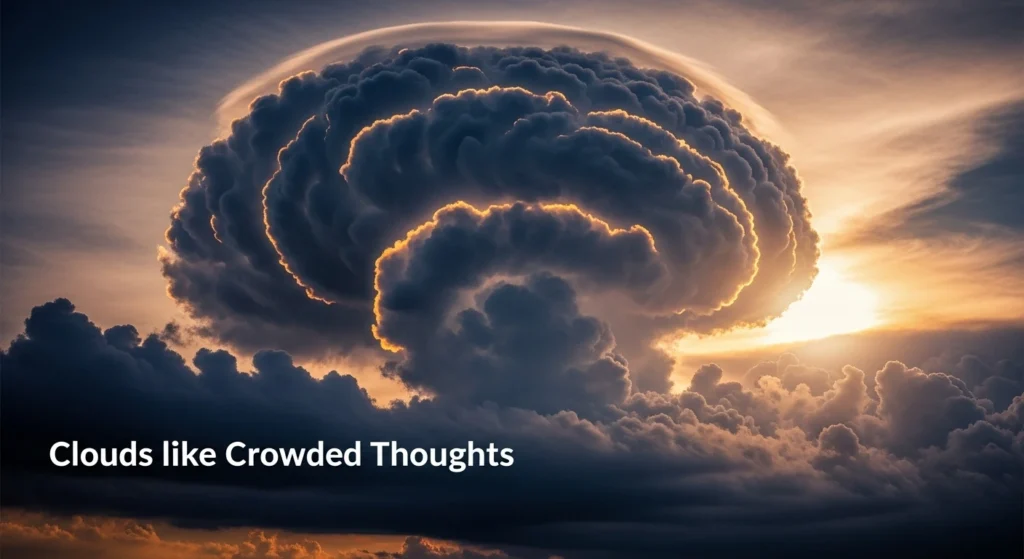
Meaning: Heavy, overwhelming cloud cover.
Usage Insight: Best for emotional or symbolic writing. The sky felt heavy with clouds like crowded thoughts. Her mind matched the crowded-thought clouds above.
Clouds like Floating Islands
Meaning: Large clouds separated by blue sky.
Usage Insight: Ideal for imaginative descriptions. Floating islands of clouds dotted the sky. He imagined living on those cloud islands.
Clouds like Soft Curtains
Meaning: Clouds partially hiding the sun.
Usage Insight: Great for gentle lighting effects. Clouds pulled like soft curtains across the sun. The curtains of clouds softened the afternoon light.
Clouds like Rolling Hills
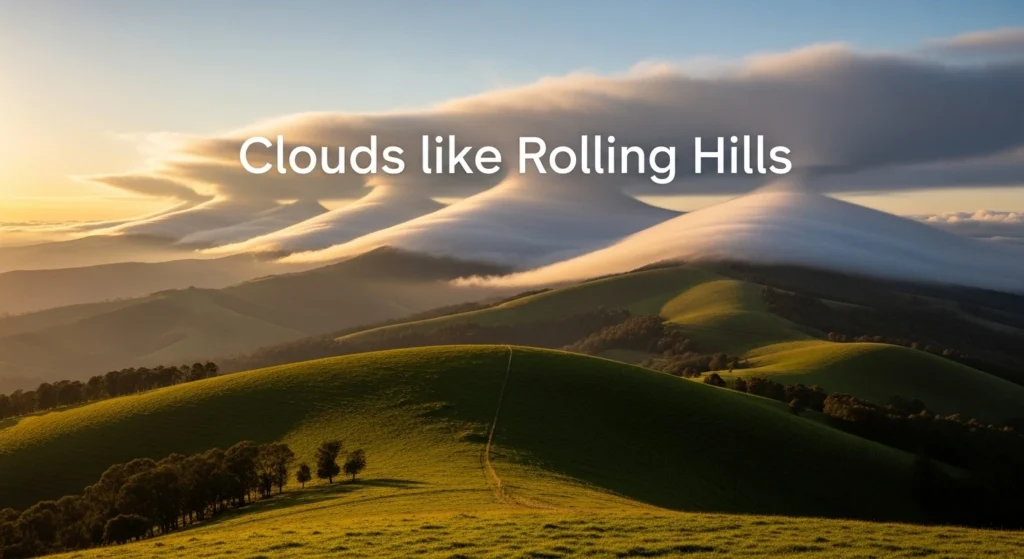
Meaning: Layered clouds with depth.
Usage Insight: Blends land and sky imagery. Rolling hills of clouds stretched to the horizon. The sky resembled a landscape of clouds.
Clouds like A Dream in Motion
Meaning: Clouds that feel unreal or magical.
Usage Insight: Perfect for poetic writing. The clouds moved like a dream in motion. She felt lost in that moving dream above.
Clouds like Gentle Spirits
Meaning: Calm, peaceful clouds.
Usage Insight: Works in spiritual or reflective writing. Gentle spirits of clouds hovered quietly. The sky felt alive with peaceful cloud spirits.
Clouds like A Soft Crowd
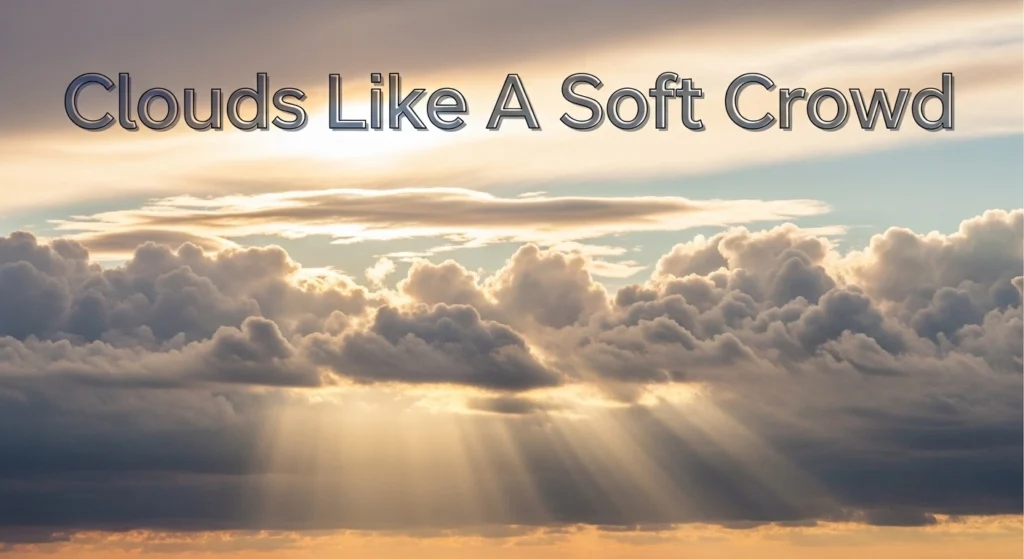
Meaning: Many clouds gathered together.
Usage Insight: Useful for visual density. A soft crowd of clouds filled the sky. The sun struggled through the cloudy crowd.
Clouds like Ink in Water
Meaning: Clouds spreading gradually.
Usage Insight: Strong for slow, visual transitions. Clouds spread like ink in water. Gray clouds bled across the sky like ink.
Clouds like A Restless Mind
Meaning: Fast-moving, changing clouds.
Usage Insight: Excellent for emotional parallels. The clouds raced like a restless mind. His thoughts matched the restless clouds above.
Clouds like A Silver Blanket
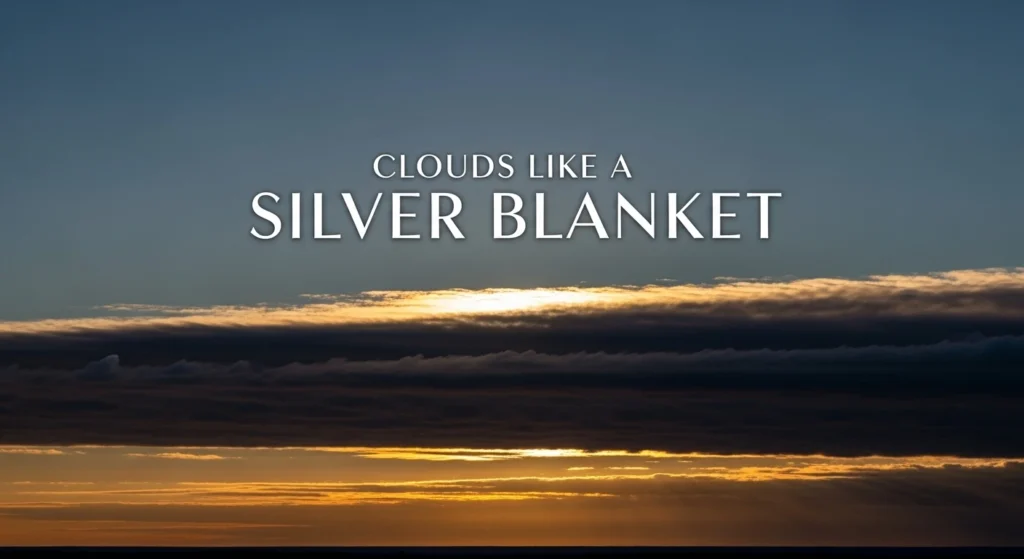
Meaning: Shiny cloud cover reflecting light.
Usage Insight: Works well at dawn or dusk. A silver blanket of clouds covered the city. Moonlight danced on the silver clouds.
Clouds like Floating Dreams
Meaning: Clouds representing hopes or wishes.
Usage Insight: Ideal for inspirational writing. Floating dreams of clouds filled the sky. She tied her wishes to the drifting clouds.
Clouds like A Quiet Ocean
Meaning: Vast clouds moving slowly.
Usage Insight: Best for calm, wide scenes. The sky became a quiet ocean of clouds. He felt small beneath that cloudy ocean.
Clouds like Shifting Moods
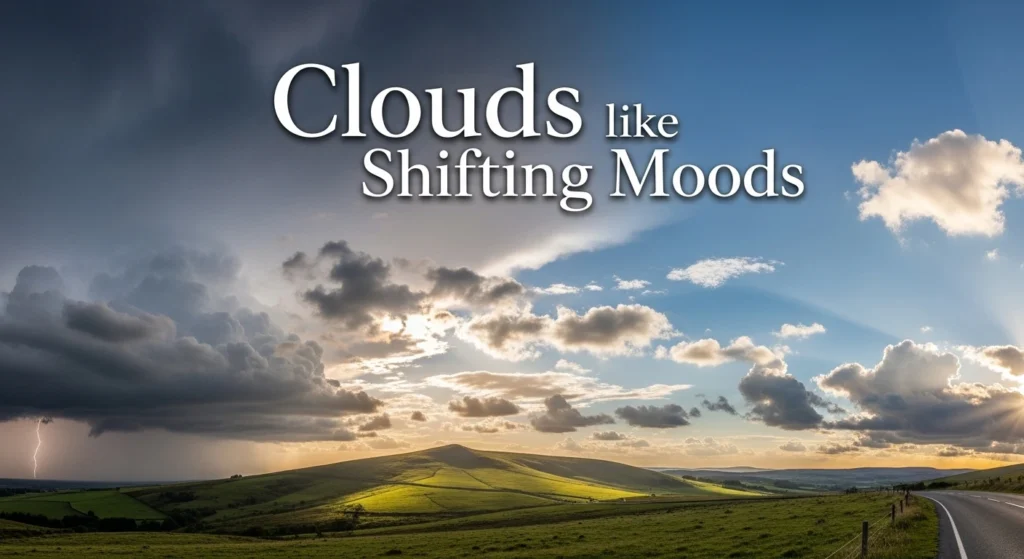
Meaning: Clouds reflecting emotional change.
Usage Insight: Strong for narrative symbolism. The clouds changed like shifting moods. Her feelings rose and fell with the clouds.
Clouds like Soft Shadows
Meaning: Light clouds dimming sunlight gently.
Usage Insight: Great for subtle atmosphere. Soft shadows of clouds passed over the fields. The day cooled under those cloud shadows.
How to Use Similes Effectively in Writing
To use similes well, always choose comparisons that feel natural and easy to imagine. In poems and songs, similes can express emotions indirectly and beautifully. In stories, they help build setting, mood, and character perspective. For essays or academic writing, use similes sparingly to clarify complex ideas without sounding informal. Avoid overusing the same images, and make sure your comparison strengthens meaning rather than distracting from it. Most importantly, let the simile serve the message you want your reader to feel or understand.
FAQs
What are similes for clouds? Similes for clouds are comparisons that describe clouds using like or as to create clear and vivid imagery.
What is the difference between similes and metaphors? A simile compares using like or as, while a metaphor directly states one thing is another.
Are similes used in literature? Yes, similes in literature are widely used to add imagery, emotion, and depth to writing.
Can similes be used in academic writing? Yes, when used carefully, similes can help explain complex ideas more clearly.
Why are nature similes effective? Nature similes connect familiar natural images with emotions and ideas, making writing more relatable.
Conclusion
Similes for clouds transform simple sky descriptions into powerful images filled with emotion and meaning. By using thoughtful comparisons, writers can capture movement, mood, and imagination in just a few words. Whether in poetry, stories, essays, or everyday descriptions, these similes add clarity, beauty, and depth to language. When chosen carefully, cloud similes help readers see the sky—and human emotion—from a richer, more creative perspective.