Similes are one of the most beautiful tools in figurative language because they help readers see, feel, and imagine ideas more clearly. By comparing one thing to another using words like “as” or “like,” similes turn ordinary descriptions into vivid images. In nature writing, similes are especially powerful because the natural world is rich with color, movement, and emotion. Green grass, in particular, often symbolizes freshness, renewal, peace, and life itself. Just as trees represent strength, growth, resilience, wisdom, and deep human emotion, green grass reflects calm beginnings and quiet beauty. Writers use similes for green grass to express hope, softness, vitality, and harmony with nature. In this article, you’ll explore expressive similes, learn how to use them naturally, and discover how they enrich language in both creative and academic writing.
What Is a Simile?
A simile is a figure of speech that compares two different things using “like” or “as” to create a clear and imaginative connection.
Example: The green grass shimmered like emerald silk under the morning sun.
This comparison helps the reader visualize the grass more vividly by linking it to something familiar and beautiful.
As Green as Freshly Polished Emeralds
Meaning: Describes intensely vibrant and rich green grass.
Usage Insight: Works best in descriptive nature writing or poetry.
Examples:
- The field stretched before us, as green as freshly polished emeralds.
- After the rain, the lawn looked as green as freshly polished emeralds.
Like a Soft Green Carpet
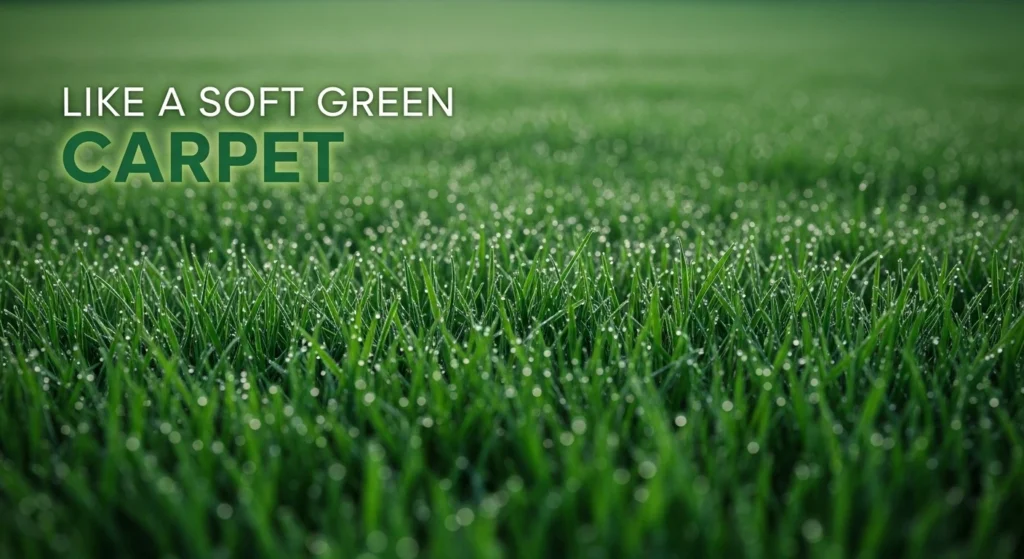
Meaning: Emphasizes smoothness and comfort.
Usage Insight: Ideal for peaceful outdoor scenes.
Examples:
- The park spread out like a soft green carpet beneath our feet.
- Children played freely on grass that felt like a soft green carpet.
As Bright as Spring’s First Smile
Meaning: Symbolizes freshness and new beginnings.
Usage Insight: Perfect for hopeful or uplifting descriptions.
Examples:
- The grass was as bright as spring’s first smile.
- New grass peeked through the soil, as bright as spring’s first smile.
Like Velvet Under Bare Feet
Meaning: Highlights softness and luxury.
Usage Insight: Great for sensory writing.
Examples:
- The grass felt like velvet under bare feet.
- We walked slowly, enjoying grass like velvet under bare feet.
As Lively as a Child’s Laughter

Meaning: Represents energy and life.
Usage Insight: Fits joyful, animated scenes.
Examples:
- The green grass danced, as lively as a child’s laughter.
- Sunlit lawns looked as lively as a child’s laughter.
Like Fresh Paint on Nature’s Canvas
Meaning: Suggests newly grown or well-kept grass.
Usage Insight: Useful in artistic or reflective writing.
Examples:
- The meadow looked like fresh paint on nature’s canvas.
- Rain turned the hills into fresh paint on nature’s canvas.
As Calm as a Quiet Morning
Meaning: Expresses peace and stillness.
Usage Insight: Best for tranquil scenes.
Examples:
- The grass lay as calm as a quiet morning.
- Dew-covered grass felt as calm as a quiet morning.
Like Emerald Waves Frozen in Time
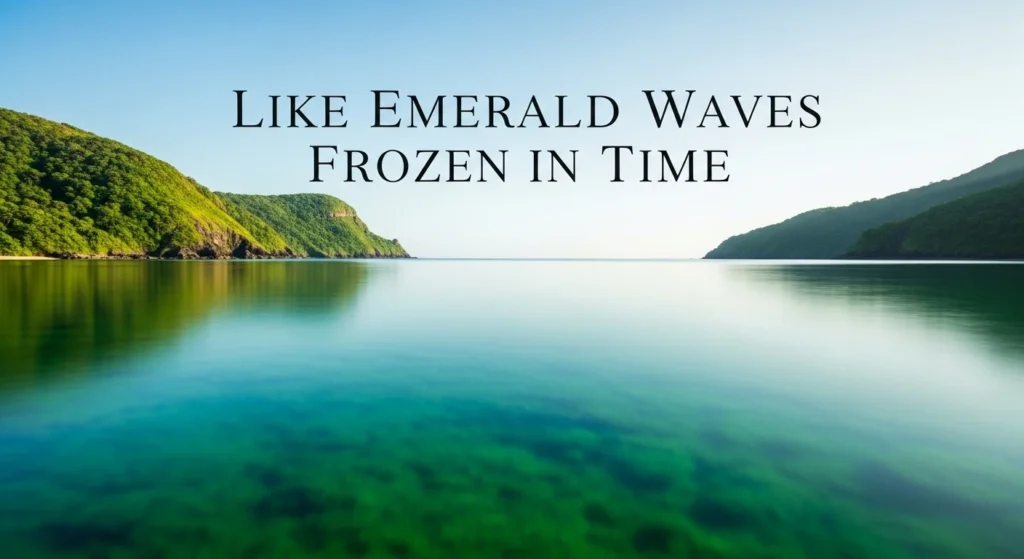
Meaning: Describes wide fields of grass.
Usage Insight: Works well in landscape descriptions.
Examples:
- The plains stretched like emerald waves frozen in time.
- From the hilltop, the grass rolled like emerald waves frozen in time.
As Gentle as a Whispering Breeze
Meaning: Suggests softness and subtle movement.
Usage Insight: Ideal for poetic imagery.
Examples:
- The grass bent as gentle as a whispering breeze.
- Evening winds brushed grass as gentle as a whispering breeze.
Like a Blanket of Life
Meaning: Symbolizes growth and renewal.
Usage Insight: Strong for symbolic or reflective writing.
Examples:
- Green grass spread like a blanket of life across the valley.
- Spring laid a blanket of life over the fields.
As Fresh as Morning Rain
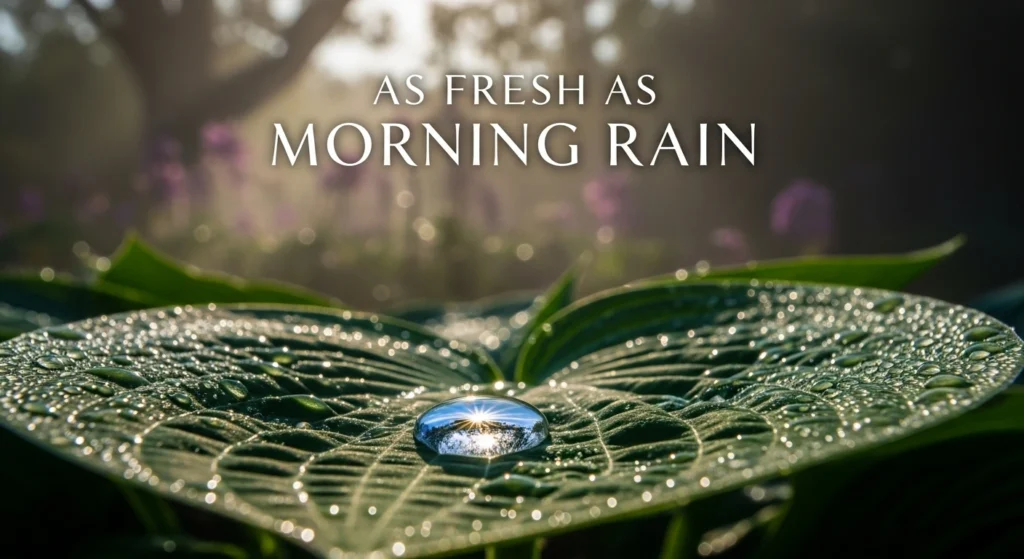
Meaning: Highlights cleanliness and renewal.
Usage Insight: Common in descriptive prose.
Examples:
- The lawn smelled as fresh as morning rain.
- Grass glistened, as fresh as morning rain.
Like Jewels Scattered on Earth
Meaning: Emphasizes beauty and sparkle.
Usage Insight: Great for vivid visual imagery.
Examples:
- Dewy grass looked like jewels scattered on earth.
- Sunlight turned the lawn into jewels scattered on earth.
As Soft as a New Leaf
Meaning: Suggests tenderness and youth.
Usage Insight: Perfect for spring scenes.
Examples:
- The grass felt as soft as a new leaf.
- Fresh shoots rose, as soft as a new leaf.
Like Nature’s Welcome Mat

Meaning: Represents warmth and invitation.
Usage Insight: Works in friendly, comforting descriptions.
Examples:
- The yard felt like nature’s welcome mat.
- Green lawns lay like nature’s welcome mat before the house.
As Alive as the Earth’s Heartbeat
Meaning: Symbolizes life and connection to nature.
Usage Insight: Best for emotional or philosophical writing.
Examples:
- The grass pulsed, as alive as the earth’s heartbeat.
- Walking barefoot, I felt grass alive as the earth’s heartbeat.
Like a Sea of Green Dreams
Meaning: Evokes imagination and calm.
Usage Insight: Ideal for creative or lyrical writing.
Examples:
- The meadow looked like a sea of green dreams.
- We rested in a sea of green dreams.
As Clean as Untouched Nature
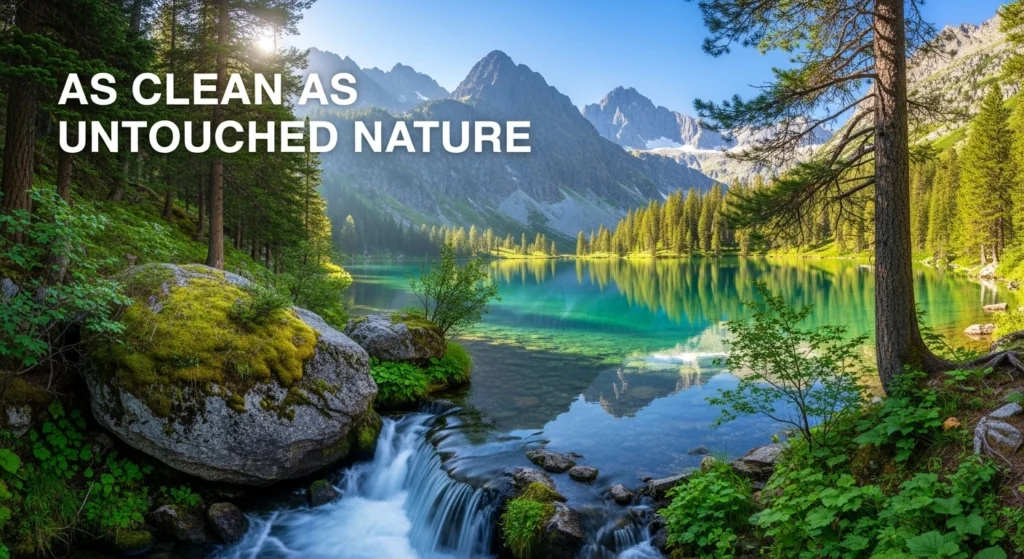
Meaning: Highlights purity.
Usage Insight: Useful in environmental descriptions.
Examples:
- The grass appeared as clean as untouched nature.
- Morning light revealed lawns as clean as untouched nature.
Like Silk Threads Woven by Spring
Meaning: Focuses on texture and season.
Usage Insight: Great for poetic comparisons.
Examples:
- The grass felt like silk threads woven by spring.
- Fields shimmered like silk threads woven by spring.
As Hopeful as a New Beginning
Meaning: Symbolizes optimism.
Usage Insight: Effective in inspirational writing.
Examples:
- Fresh grass looked as hopeful as a new beginning.
- After winter, the land felt hopeful as a new beginning.
Like Nature Breathing Slowly
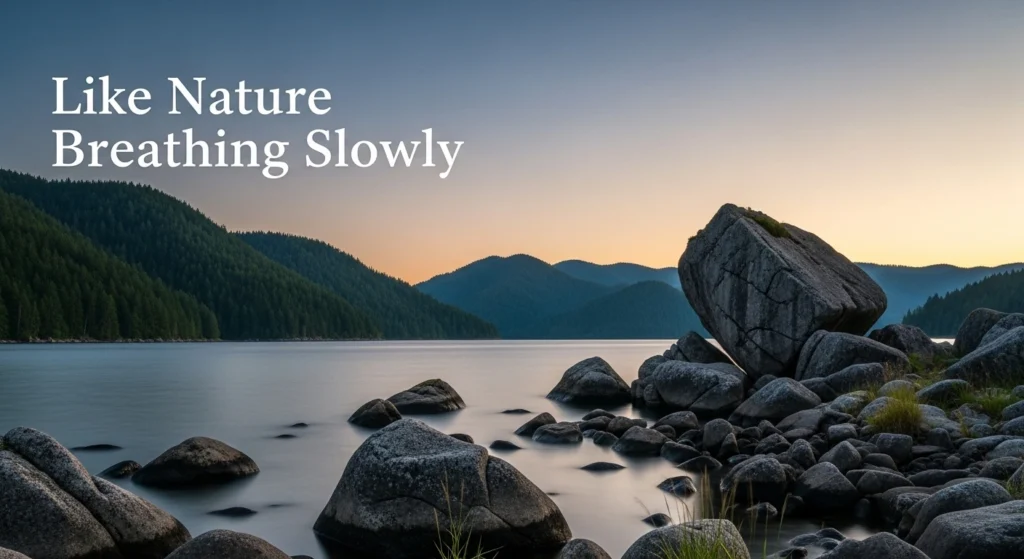
Meaning: Suggests calm and rhythm.
Usage Insight: Works in reflective passages.
Examples:
- The grass swayed like nature breathing slowly.
- Evening winds made the lawn feel like nature breathing slowly.
As Bright as Sunlit Jade
Meaning: Describes glowing green tones.
Usage Insight: Best for visual detail.
Examples:
- The hillside shone as bright as sunlit jade.
- Rain deepened grass to sunlit jade brightness.
Like a Living Green Ocean
Meaning: Emphasizes vastness.
Usage Insight: Ideal for open landscapes.
Examples:
- Grasslands rolled like a living green ocean.
- From afar, the fields became a living green ocean.
As Restful as a Quiet Dream
Meaning: Expresses peace and rest.
Usage Insight: Suitable for gentle moods.
Examples:
- The lawn felt as restful as a quiet dream.
- We lay on grass restful as a quiet dream.
Like Earth’s Soft Smile
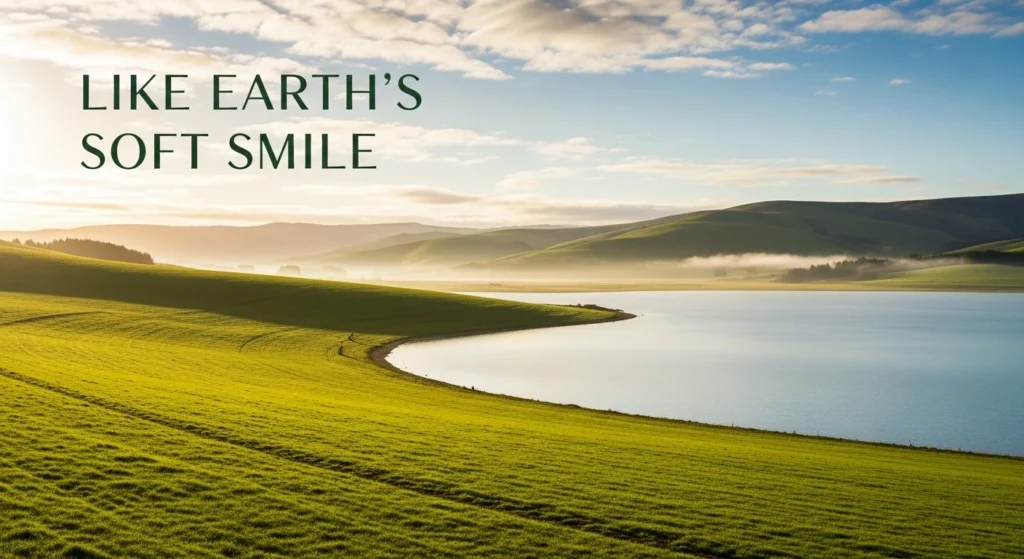
Meaning: Personifies nature warmly. Usage Insight: Works in emotional descriptions. Examples:
- Green grass felt like earth’s soft smile.
- Spring painted earth’s soft smile across the fields.
As Smooth as Polished Stone
Meaning: Highlights neatness.
Usage Insight: Useful for manicured lawns.
Examples:
- The garden grass looked as smooth as polished stone.
- Careful trimming left lawns smooth as polished stone.
Like a Breath of Fresh Life
Meaning: Suggests renewal and vitality.
Usage Insight: Effective in motivational writing.
Examples:
- New grass felt like a breath of fresh life.
- After rain, the yard became a breath of fresh life.
As Light as a Summer Cloud

Meaning: Emphasizes delicacy.
Usage Insight: Best for airy imagery.
Examples:
- The grass moved as light as a summer cloud.
- Breezes brushed grass light as a summer cloud.
Like Green Fire Under the Sun
Meaning: Suggests brightness and energy.
Usage Insight: Strong for dramatic scenes.
Examples:
- The lawn blazed like green fire under the sun.
- Noon light turned fields into green fire.
As Natural as a Beating Heart
Meaning: Shows deep connection to life.
Usage Insight: Great for symbolic writing.
Examples:
- Grass felt as natural as a beating heart.
- The land lived, natural as a beating heart.
Like Spring’s Promise Written on Earth
Meaning: Symbolizes hope and renewal.
Usage Insight: Ideal for poetic endings.
Examples:
- Fresh grass lay like spring’s promise written on earth.
- Every lawn whispered spring’s promise written on earth.
As Gentle as Nature’s Touch
Meaning: Emphasizes softness and care.
Usage Insight: Suitable for peaceful scenes.
Examples:
- The grass felt as gentle as nature’s touch.
- Morning dew softened grass gentle as nature’s touch.
Like Life Growing Quietly
Meaning: Represents slow, steady growth.
Usage Insight: Works in reflective prose.
Examples:
- The grass grew like life growing quietly.
- Beneath our feet, life grew quietly in green blades.
How to Use Similes Effectively in Writing
When using similes in poems, stories, essays, or songs, choose comparisons that feel natural and meaningful. Avoid overloading sentences with too many similes at once. In creative writing, focus on sensory details—how grass looks, feels, or moves. In academic or literary analysis, use similes sparingly to clarify ideas. Always match the tone of your simile to your subject, whether calm, joyful, reflective, or dramatic.
FAQs
1. What are similes for green grass? They are comparisons using “like” or “as” to describe green grass vividly and creatively.
2. How are similes different from metaphors? Similes use “like” or “as,” while metaphors make direct comparisons without those words.
3. Are similes used in literature? Yes, similes in literature help create imagery, emotion, and deeper meaning.
4. Can similes be used in academic writing? Yes, when used carefully, they help explain complex ideas clearly.
5. Why are nature similes so popular? Because nature is universal, emotional, and easy for readers to imagine.
Conclusion
Similes for green grass bring language to life by turning simple descriptions into powerful imagery. They help readers visualize nature, feel emotion, and connect ideas more deeply. Just as trees symbolize strength and growth, green grass similes express renewal, calm, and vitality. Whether used in poetry, storytelling, or essays, these comparisons add clarity, beauty, and emotional depth to writing. With thoughtful use, similes transform ordinary words into unforgettable images that stay with the reader long after the page ends.