Hunger is one of the most universal human experiences. Everyone has felt it — that hollow feeling in the stomach, the drop in energy, the intense craving for food. To describe this powerful sensation in an expressive way, writers and speakers often rely on similes.
Similes are figures of speech that compare one thing to another using words like “as” or “like.” They help make language more colorful, relatable, and memorable. Instead of saying “I am very hungry,” a simile allows you to paint a picture that readers or listeners can instantly feel and imagine.
In everyday conversation, creative writing, storytelling, social media captions, and even academic explanations, similes for hungry add emotion, humor, and clarity.
Hungry Like a Wolf
This is one of the most common and vivid similes for hungry. Wolves are often associated with fierce appetite and survival-driven hunger.
Meaning: Being extremely hungry, often after long physical activity or waiting too long to eat.
Tone: Strong, dramatic, and slightly playful.
Best Usage Context: Casual conversations, storytelling, descriptive writing, or expressive speech.
Example Sentences:
- After hiking all day, I was hungry like a wolf and ready to eat anything.
- The kids came home from school hungry like wolves.
- He skipped breakfast and lunch, so by dinner he was hungry like a wolf.
Texting & Daily Use:
- “I haven’t eaten since morning — hungry like a wolf 😩”
- “Let’s order fast, I’m starving like a wolf.”
Hungry as a Bear After Hibernation
This simile draws from nature and seasonal survival.
Meaning: An intense hunger after a long period without food.
Tone: Descriptive, vivid, and slightly humorous.
Best Usage Context: Narrative writing, analogies, expressive conversations.
Example Sentences:
- After working nonstop, she felt hungry as a bear after hibernation.
- He woke up late and was hungry like a bear just out of winter sleep.
- The long meeting left everyone hungry as hibernating bears waking up.
Texting & Daily Use:
- “That exam drained me — hungry like a bear 🐻”
- “I need food now, hibernation-level hunger!”
Hungry Like a Lion on the Hunt

Lions symbolize power, focus, and fierce appetite.
Meaning: Deep, aggressive hunger driven by anticipation.
Tone: Bold, intense, and energetic.
Best Usage Context: Motivational writing, dramatic descriptions, storytelling.
Example Sentences:
- He walked into the buffet hungry like a lion on the hunt.
- She trained all morning and felt hungry like a hunting lion.
- The athletes were hungry like lions after the match.
Texting & Daily Use:
- “I’m attacking dinner like a lion tonight 🦁”
- “Food first, I’m hunting-level hungry.”
Hungry as an Empty Stomach
A literal but still effective simile.
Meaning: Clear and direct expression of hunger.
Tone: Neutral, simple, relatable.
Best Usage Context: Everyday speech, educational writing, clear communication.
Example Sentences:
- My stomach felt hungry as an empty bowl.
- After skipping meals, he felt hungry as an empty stomach.
- The long journey left her hungry as bare shelves.
Texting & Daily Use:
- “Empty stomach, full cravings.”
- “I’m officially empty.”
Hungry Like a Bottomless Pit
This simile emphasizes endless appetite.
Meaning: Feeling like no amount of food will satisfy the hunger.
Tone: Playful, exaggerated, humorous.
Best Usage Context: Casual chats, storytelling, lighthearted writing.
Example Sentences:
- Teenagers often eat like they’re hungry as bottomless pits.
- After the swim, she was hungry like a bottomless pit.
- The growing kids seemed like bottomless pits at dinner.
Texting & Daily Use:
- “I can eat everything — bottomless pit mode 🍔”
- “Don’t judge me, I’m starving endlessly.”
Hungry as a Stray Dog
This simile adds emotional depth and realism.
Meaning: A raw, desperate hunger often linked to lack or struggle.
Tone: Emotional, empathetic, serious.
Best Usage Context: Storytelling, emotional writing, social awareness content.
Example Sentences:
- He wandered the streets hungry as a stray dog.
- The character was portrayed as hungry like a lost dog.
- She described poverty as feeling hungry like a stray.
Texting & Daily Use:
- “Haven’t eaten all day, feeling rough.”
- “Need food badly.”
Hungry Like a Fasting Monk
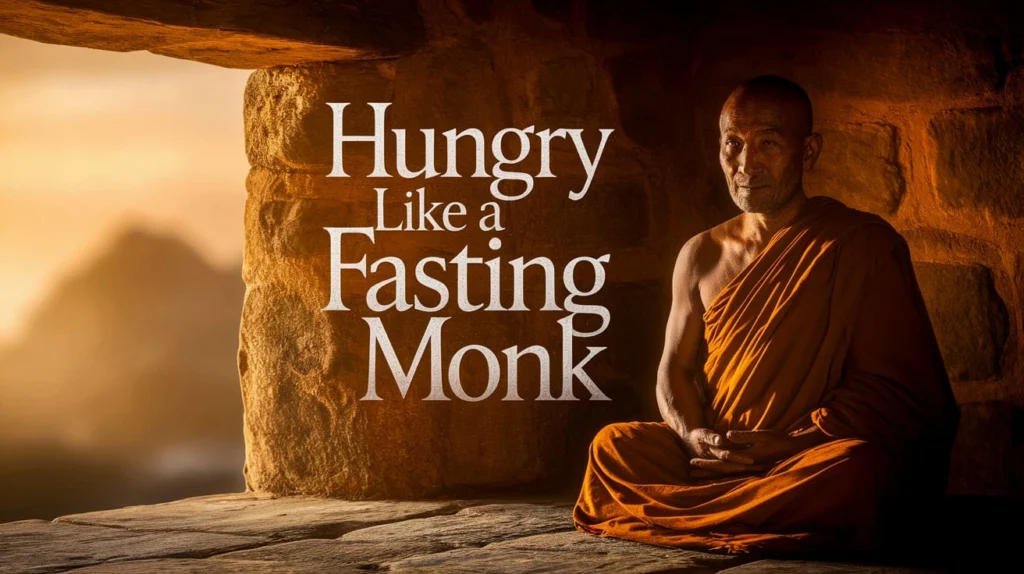
This simile reflects controlled but deep hunger.
Meaning: Hunger that comes from discipline or intentional fasting.
Tone: Calm, thoughtful, respectful.
Best Usage Context: Spiritual writing, reflective essays, calm conversations.
Example Sentences:
- After the fast, he was hungry like a monk breaking silence.
- She felt hungry but calm, like a fasting monk.
- The hunger was quiet yet powerful.
Texting & Daily Use:
- “Breaking my fast soon.”
- “Peaceful hunger today.”
Hungry as a Growing Teen
A highly relatable modern simile.
Meaning: Constant and strong hunger, especially during growth periods.
Tone: Casual, relatable, lighthearted.
Best Usage Context: Family writing, casual talk, humorous descriptions.
Example Sentences:
- He eats like he’s hungry as a growing teen.
- The boys were hungry like teenagers after practice.
- She joked about being hungry as a teen again.
Texting & Daily Use:
- “Teen-level hunger activated.”
- “Why am I hungry again?”
Hungry Like a Shipwreck Survivor
This simile adds drama and intensity.
Meaning: Extreme hunger caused by long deprivation.
Tone: Serious, dramatic, intense.
Best Usage Context: Fiction, survival stories, emotional narratives.
Example Sentences:
- He felt hungry like a shipwreck survivor.
- Days without food left them starving like castaways.
- The novel described hunger vividly through this simile.
Texting & Daily Use:
- “I need food urgently.”
- “Starving badly.”
Hungry as an Unwatered Plant
This simile links hunger with dryness and need.
Meaning: A slow, aching hunger.
Tone: Poetic, gentle, reflective.
Best Usage Context: Creative writing, metaphors, descriptive prose.
Example Sentences:
- Her body felt hungry like an unwatered plant.
- The long day left him dry and hungry.
- Hunger crept in quietly.
Texting & Daily Use:
- “Running on empty.”
- “Need nourishment.”
Hungry Like a Runner After a Marathon

This simile focuses on earned hunger.
Meaning: Strong hunger after intense effort.
Tone: Motivational, realistic, energetic.
Best Usage Context: Fitness content, casual talk, storytelling.
Example Sentences:
- After work, I was hungry like a marathon runner.
- She trained hard and ate harder.
- Exercise left him deeply hungry.
Texting & Daily Use:
- “Workout done, food time.”
- “Earned this meal!”
Hungry as a Child Waiting for Dinner
Simple yet emotionally rich.
Meaning: Patient but growing hunger.
Tone: Warm, nostalgic, gentle.
Best Usage Context: Storytelling, emotional writing, family narratives.
Example Sentences:
- He waited hungry like a child before dinner.
- The smell made her hunger stronger.
- Memories of childhood hunger returned.
Texting & Daily Use:
- “Dinner smells so good.”
- “Waiting patiently.”
Hungry Like an Empty Fridge at Midnight
Modern and relatable.
Meaning: Sudden hunger with limited options.
Tone: Humorous, casual.
Best Usage Context: Social media, blogs, daily conversation.
Example Sentences:
- I was hungry like an empty fridge at midnight.
- Nothing to eat but still starving.
- Late-night hunger struck again.
Texting & Daily Use:
- “Midnight hunger 😭”
- “Why is the fridge empty?”
Hungry as a Desert Traveler
A classic survival-based simile.
Meaning: Severe hunger mixed with exhaustion.
Tone: Serious, vivid.
Best Usage Context: Narrative writing, travel stories.
Example Sentences:
- He felt hungry as a desert traveler.
- The heat made hunger unbearable.
- Survival instincts kicked in.
Texting & Daily Use:
- “Drained and starving.”
- “Need food and rest.”
Hungry Like a Broken Clock Waiting to Tick

Symbolic and unique.
Meaning: Hunger mixed with anticipation.
Tone: Poetic, thoughtful.
Best Usage Context: Literary writing, reflective essays.
Example Sentences:
- His hunger waited like a broken clock.
- Time slowed as hunger grew.
- The wait made it worse.
Texting & Daily Use:
- “Counting minutes till food.”
- “Waiting feels endless.”
Hungry as a Student After Exams
Relatable and light.
Meaning: Sudden hunger after stress ends.
Tone: Casual, humorous.
Best Usage Context: Student life content, blogs.
Example Sentences:
- Exams ended, hunger began.
- She ate like a student freed from tests.
- Stress burned all energy.
Texting & Daily Use:
- “Exams over, food time!”
- “Finally eating.”
Hungry Like a Clock Striking Noon
Time-based and universal.
Meaning: Natural hunger at meal time.
Tone: Neutral, relatable.
Best Usage Context: Daily life writing.
Example Sentences:
- At noon, hunger struck sharply.
- Lunch time arrived right on cue.
- The body knew the time.
Texting & Daily Use:
- “It’s noon — starving.”
- “Lunch o’clock!”
Hungry as a Battery at One Percent
Modern tech-based simile.
Meaning: Low energy caused by hunger.
Tone: Humorous, relatable.
Best Usage Context: Social media, casual conversation.
Example Sentences:
- I’m running on 1% hunger-wise.
- Food is my charger.
- Energy gone, hunger high.
Texting & Daily Use:
- “1% energy left 🔋”
- “Need food recharge.”
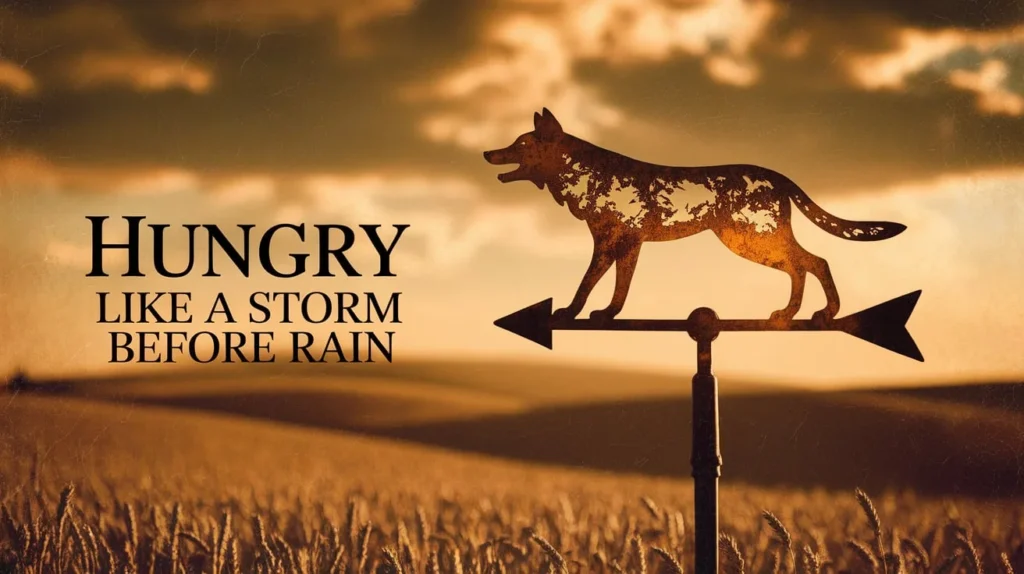
Hungry Like a Storm Before Rain
Slow-building hunger.
Meaning: Hunger that grows steadily.
Tone: Poetic, dramatic.
Best Usage Context: Creative writing.
Example Sentences:
- Hunger gathered like a storm.
- The craving built slowly.
- Silence before the feast.
Texting & Daily Use:
- “Hunger building.”
- “Almost there.”
Hungry as a Story Waiting for an Ending
Symbolic and artistic.
Meaning: Unfulfilled desire for food.
Tone: Creative, thoughtful.
Best Usage Context: Literary essays, storytelling.
Example Sentences:
- My hunger felt unfinished.
- The meal was the ending.
- Appetite sought closure.
Texting & Daily Use:
- “Need food to finish my day.”
- “Incomplete without dinner.”
Conclusion
Using similes for hungry transforms simple statements into vivid experiences. They help readers feel hunger instead of just understanding it. Whether you’re writing creatively, texting friends, telling stories, or improving everyday communication, these comparisons add emotion, clarity, and personality to your language.
By choosing the right simile, you match tone, context, and meaning perfectly — from playful and humorous to serious and poetic. Mastering similes not only improves your writing but also deepens human connection through shared experiences.