Similes are one of the most exciting tools in language, especially for kids who are learning how to express ideas creatively. A simile is a simple comparison that helps us explain feelings, actions, or objects by showing how they are like something else.
They make sentences colorful, easier to imagine, and more fun to read. In figurative language, similes help young writers turn plain ideas into vivid pictures.
Nature similes are especially powerful because children already understand the natural world around them. Among all nature images, trees stand out as symbols of strength, growth, resilience, wisdom, and human emotion, making them perfect for meaningful comparisons. When kids use tree-based similes, their writing feels alive, thoughtful, and full of imagination.
What Is a Simile?
A simile is a figure of speech that compares two different things using the words “like” or “as.” It helps readers understand an idea by connecting it to something familiar.
Example: She stood tall like a tree in the wind.
Strong Like a Tree Trunk
Meaning: Very strong and dependable.
Usage Insight: Works well to describe physical strength or emotional support.
Examples:
- My dad is strong like a tree trunk when he carries heavy bags.
- She stayed strong like a tree trunk during hard times.
Tall as a Pine Tree
Meaning: Very tall.
Usage Insight: Great for describing height in a playful way.
Examples:
- The basketball player was tall as a pine tree.
- The tower stood tall as a pine tree above the town.
Steady Like an Old Oak
Meaning: Calm, reliable, and unshaken.
Usage Insight: Useful for characters who remain calm under pressure.
Examples:
- My teacher is steady like an old oak in class.
- He stayed steady like an old oak during the storm.
Growing Like a Young Sapling
Meaning: Learning, improving, or developing.
Usage Insight: Perfect for personal growth or learning journeys.
Examples:
- Her confidence grew like a young sapling.
- His skills are growing like a young sapling each day.
Flexible Like Tree Branches
Meaning: Able to adapt and change easily.
Usage Insight: Ideal for describing adaptability.
Examples:
- She is flexible like tree branches when plans change.
- Good friends are flexible like tree branches.
Rooted Like a Tree in Soil
Meaning: Firmly connected or deeply settled.
Usage Insight: Works well for emotions or traditions.
Examples:
- His love for home is rooted like a tree in soil.
- The story is rooted like a tree in history.
Quiet as a Forest at Dawn
Meaning: Extremely quiet and peaceful.
Usage Insight: Great for setting a calm scene.
Examples:
- The classroom was quiet as a forest at dawn.
- The village felt quiet as a forest at dawn.
Leaves Dancing Like Butterflies
Meaning: Moving lightly and beautifully.
Usage Insight: Ideal for visual descriptions.
Examples:
- The leaves danced like butterflies in the breeze.
- Her dress moved like leaves dancing like butterflies.
Standing Alone Like a Lone Tree
Meaning: Independent or isolated.
Usage Insight: Useful for emotional moments.
Examples:
- He stood alone like a lone tree in the field.
- She felt like a lone tree on her first day.
Shady Like a Big Banyan Tree
Meaning: Safe, comforting, or protective.
Usage Insight: Perfect for warm, caring descriptions.
Examples:
- Her smile was shady like a big banyan tree.
- The house felt shady like a banyan tree.
Branches Spread Like Open Arms
Meaning: Welcoming and friendly.
Usage Insight: Great for describing kindness.
Examples:
- The school welcomed us like branches spread like open arms.
- Grandma greeted us like branches spread wide.
Falling Like Autumn Leaves
Meaning: Letting go or ending gently.
Usage Insight: Ideal for emotional or reflective writing.
Examples:
- His worries fell like autumn leaves.
- The days passed like autumn leaves falling.
Whispering Like Trees in the Wind
Meaning: Soft, gentle sounds.
Usage Insight: Works well in nature scenes.
Examples:
- The trees whispered like trees in the wind.
- Her voice was whispering like trees in the wind.
Firm as Roots Underground
Meaning: Strong inside, even if unseen.
Usage Insight: Great for inner strength.
Examples:
- Her values are firm as roots underground.
- His courage was firm as roots underground.
Blooming Like a Spring Tree
Meaning: Full of life and happiness.
Usage Insight: Perfect for joy and success.
Examples:
- She was blooming like a spring tree.
- His ideas bloomed like a spring tree.
Still as a Winter Tree
Meaning: Very calm or motionless.
Usage Insight: Useful for quiet moments.
Examples:
- The room was still as a winter tree.
- He waited, still as a winter tree.
Climbing Like Ivy on a Tree
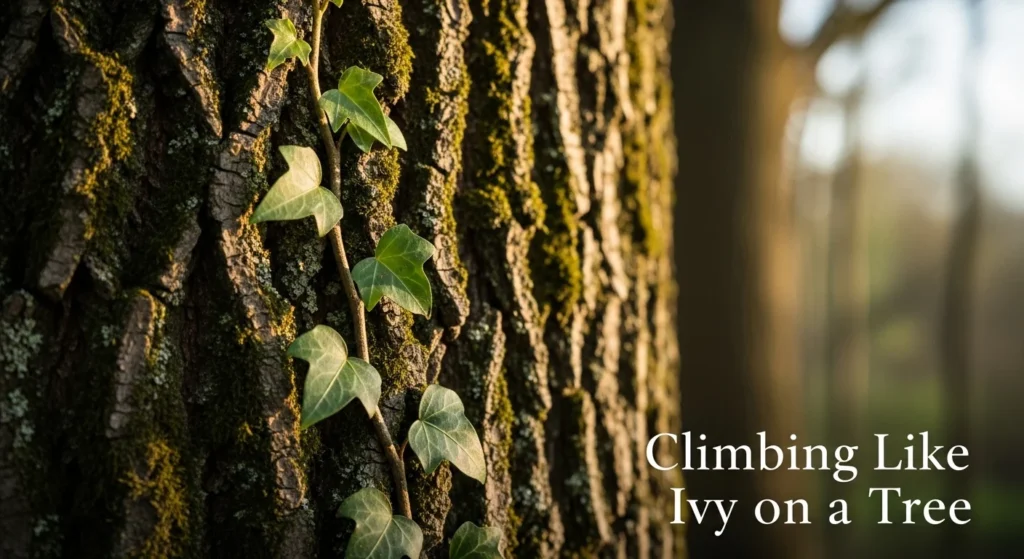
Meaning: Growing steadily with effort.
Usage Insight: Good for ambition and effort.
Examples:
- Her success climbed like ivy on a tree.
- He climbed toward his goals like ivy.
Bending Like a Willow Tree
Meaning: Gentle and flexible.
Usage Insight: Great for soft movements or emotions.
Examples:
- She bent like a willow tree in dance.
- His kindness bends like a willow tree.
Standing Proud Like a Palm Tree
Meaning: Confident and positive.
Usage Insight: Ideal for self-belief.
Examples:
- She stood proud like a palm tree.
- He walked proud like a palm tree.
Scattered Like Leaves on the Ground
Meaning: Spread out or disorganized.
Usage Insight: Useful for objects or thoughts.
Examples:
- Papers lay scattered like leaves on the ground.
- His thoughts were scattered like leaves.
Sheltering Like a Tree Canopy
Meaning: Providing safety or care.
Usage Insight: Works well for protection themes.
Examples:
- Her love sheltered me like a tree canopy.
- The rules sheltered students like a canopy.
Old as a Forest Tree
Meaning: Very old and experienced.
Usage Insight: Great for wisdom and age.
Examples:
- The legend is old as a forest tree.
- His advice felt old as a forest tree.
Fresh as New Green Leaves
Meaning: New and full of energy.
Usage Insight: Perfect for beginnings.
Examples:
- The idea felt fresh as new green leaves.
- She brought fresh energy like green leaves.
Hidden Like Roots Beneath Soil
Meaning: Not visible but important.
Usage Insight: Good for secrets or foundations.
Examples:
- His talents were hidden like roots beneath soil.
- The truth stayed hidden like roots underground.
Creaking Like an Old Tree
Meaning: Slow or tired.
Usage Insight: Works well for aging characters.
Examples:
- He walked creaking like an old tree.
- The stairs creaked like an old tree.
Bright Like Sunlit Leaves
Meaning: Happy and cheerful.
Usage Insight: Great for positive moods.
Examples:
- Her face was bright like sunlit leaves.
- The room felt bright like sunlit leaves.
Standing Together Like a Forest
Meaning: United and strong together.
Usage Insight: Ideal for teamwork.
Examples:
- The team stood together like a forest.
- Families stand together like a forest.
Fading Like Leaves in Winter
Meaning: Slowly disappearing.
Usage Insight: Good for sad or quiet endings.
Examples:
- His voice faded like leaves in winter.
- The memory faded like winter leaves.
Reaching Like Branches to the Sky
Meaning: Dreaming big or aiming high.
Usage Insight: Perfect for goals and hopes.
Examples:
- Her dreams reached like branches to the sky.
- He reached for success like branches upward.
Rough as Tree Bark
Meaning: Hard or unfriendly on the outside.
Usage Insight: Works for textures or personalities.
Examples:
- His hands were rough as tree bark.
- The wall felt rough as bark.
Calm Like Trees After Rain
Meaning: Peaceful after trouble.
Usage Insight: Great for emotional resolution.
Examples:
- She felt calm like trees after rain.
- The class was calm after rain-like trees.
Shaking Like Leaves in a Storm
Meaning: Very scared or nervous.
Usage Insight: Ideal for fear or excitement.
Examples:
- He was shaking like leaves in a storm.
- Her hands shook like stormy leaves.
Glowing Like Trees in Sunset
Meaning: Warm and beautiful.
Usage Insight: Perfect for visual imagery.
Examples:
- Her smile glowed like trees in sunset.
- The hills glowed like sunset trees.
How to Use Similes Effectively in Writing
To use similes well, choose comparisons your reader easily understands. In poems and songs, similes add emotion and rhythm. In stories, they help describe characters, settings, and feelings clearly. In essays, similes can make ideas more engaging without sounding childish. Always make sure the comparison fits the mood and meaning you want to share. Simple, natural similes are often more powerful than complex ones.
FAQs
What are similes for kids? Similes for kids are simple comparisons using “like” or “as” to make writing clearer and more fun.
How are similes different from metaphors? Similes use “like” or “as,” while metaphors compare directly without those words.
Why are similes important in figurative language? They help readers imagine ideas, emotions, and actions more clearly.
Can similes be used in school essays? Yes, when used carefully, similes can make academic writing more engaging.
Are nature similes good for kids? Absolutely, nature similes are easy to understand and very visual.
Conclusion
Similes for kids are powerful tools that turn simple sentences into vivid pictures. By using tree-based and nature similes, young writers can express strength, growth, emotions, and ideas with clarity and beauty. These comparisons add imagery, creativity, and emotional depth to language while keeping writing fun and easy to understand. Whether in stories, poems, essays, or everyday descriptions, similes help kids connect words with imagination. With practice, these similes can help every child grow into a confident and expressive writer—just like a strong tree reaching for the sky.