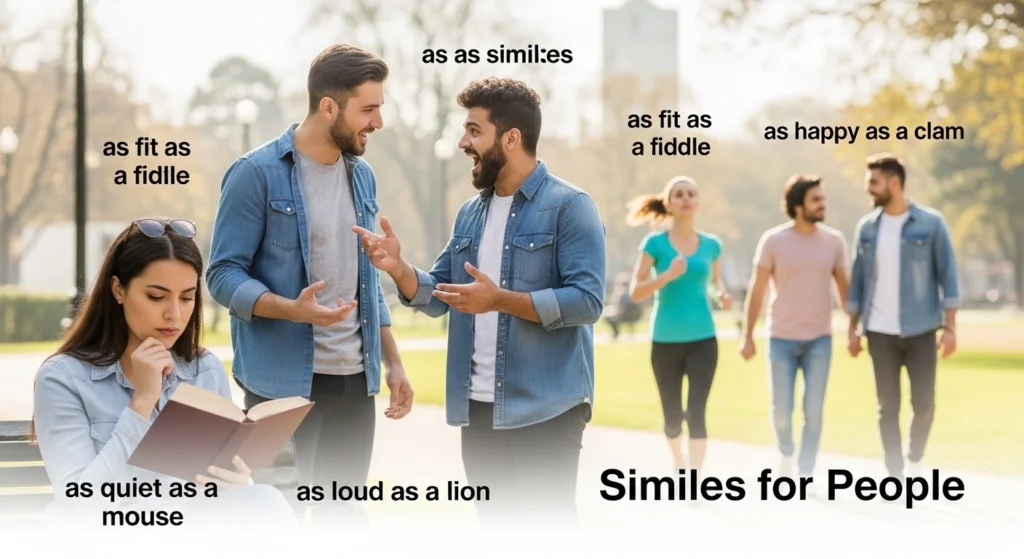
Language is a powerful tool, and similes are one of its most colorful brushes. Similes help writers compare one thing to another using “like” or “as,” making descriptions vivid, relatable, and memorable. Whether you are describing a friend, a stranger, or a character in your story, similes allow readers to instantly picture personalities, moods, and behaviors. Nature, in particular, is a rich source of inspiration.
Trees, for instance, symbolize strength, growth, resilience, wisdom, and emotion, and comparing people to trees can create deep, meaningful imagery. Using similes effectively not only enhances your writing but also engages readers’ senses and emotions. In this article, we explore 35 original similes for people, complete with meanings, usage tips, and examples, helping you elevate your writing and connect more powerfully with your audience.
What Is a Simile?
A simile is a figure of speech that compares two different things using the words “like” or “as.” It is a simple but powerful tool to create vivid imagery and convey complex ideas quickly.
Example: Her smile was like sunshine breaking through the clouds.
This sentence compares a smile to sunshine, instantly giving the reader a bright, warm image.
1. Brave as a lion
Meaning
Expresses exceptional courage and fearlessness.
Usage
Ideal for describing someone facing danger, challenges, or difficult decisions with confidence. Works well in heroic, motivational, or narrative contexts.
Examples
- She stood brave as a lion, refusing to let fear control her.
- He faced the criticism brave as a lion, undeterred by public opinion.
2. Quiet as a shadow
Meaning
Suggests someone is very silent or moves unnoticed.
Usage
Best for subtle, mysterious, or introspective characters in stories or poetry.
Examples
- He slipped into the room quiet as a shadow, leaving everyone unaware of his presence.
- Her footsteps were quiet as a shadow across the wooden floor.
3. Wise as an owl
Meaning
Conveys intelligence, experience, and insight.
Usage
Great for mentors, teachers, or characters whose decisions reflect deep understanding.
Examples
- The elder spoke wise as an owl, guiding the villagers through tough times.
- She offered advice wise as an owl, seeing the bigger picture clearly.
4. Stubborn as an oak
Meaning
Represents strong determination or resistance to change.
Usage
Works best for characters with firm opinions or unwavering persistence.
Examples
- He refused to apologize, stubborn as an oak.
- Her resolve, stubborn as an oak, made her a formidable negotiator.
5. Gentle as a breeze
Meaning
Indicates kindness, calmness, or a soothing personality.
Usage
Ideal for portraying caring, soft-spoken, or tender individuals.
Examples
- She comforted the children gentle as a breeze.
- His touch was gentle as a breeze, calming her nerves.
6. Strong as a cedar
Meaning
Represents physical strength or moral resilience.
Usage
Great for heroes, protectors, or people enduring hardship.
Examples
- He lifted the fallen tree strong as a cedar.
- Her character remained strong as a cedar through every trial.
7. Patient as the earth
Meaning
Conveys calm endurance and tolerance.
Usage
Perfect for wise mentors, parents, or anyone who faces long-term challenges without frustration.
Examples
- She listened patient as the earth, never rushing anyone’s story.
- He waited patient as the earth, trusting the timing of life.
8. Fierce as fire
Meaning
Indicates intense passion, energy, or aggression.
Usage
Best for dynamic, bold, or emotional individuals. Works in stories, speeches, or poetry.
Examples
- Her determination burned fierce as fire.
- He defended his team fierce as fire, unwilling to back down.
9. Bright as the sun
Meaning
Represents optimism, intelligence, or cheerfulness.
Usage
Ideal for uplifting characters or those who bring joy to others.
Examples
- Her smile was bright as the sun, lighting up the room.
- He greeted every challenge bright as the sun.
10. Sharp as a thorn
Meaning
Indicates a keen mind or a quick temper.
Usage
Useful for witty, sarcastic, or edgy personalities.
Examples
- Her wit was sharp as a thorn, leaving everyone laughing nervously.
- He defended his ideas sharp as a thorn, unwilling to yield.
11. Calm as a lake
Meaning
Describes serenity and composure.
Usage
Perfect for peaceful, grounded, or emotionally stable individuals.
Examples
- She faced the chaos calm as a lake.
- His presence was calm as a lake, easing everyone’s stress.
12. Proud as a mountain
Meaning
Represents dignity and self-respect.
Usage
Works for confident characters or people who maintain composure under pressure.
Examples
- She stood proud as a mountain in the face of criticism.
- His achievements made him proud as a mountain, but humble.
13. Shy as a fawn
Meaning
Suggests timidity or gentle nervousness.
Usage
Ideal for introverted, sensitive, or young characters.
Examples
- The new student was shy as a fawn, hiding behind her notebook.
- He approached the stranger shy as a fawn, unsure of how to start.
14. Playful as a squirrel
Meaning
Indicates liveliness, curiosity, and fun.
Usage
Best for children, playful adults, or humorous storytelling.
Examples
- The children ran playful as squirrels through the park.
- She laughed playful as a squirrel, filling the room with joy.
15. Loyal as a dog
Meaning
Represents trustworthiness and devotion.
Usage
Perfect for describing friends, partners, or characters with strong allegiance.
Examples
- He remained loyal as a dog to his childhood friends.
- Her support was loyal as a dog, never wavering.
16. Quick as a fox
Meaning
Conveys cleverness, agility, or quick thinking.
Usage
Ideal for cunning or strategic characters.
Examples
- He solved the puzzle quick as a fox.
- She escaped the tricky situation quick as a fox.
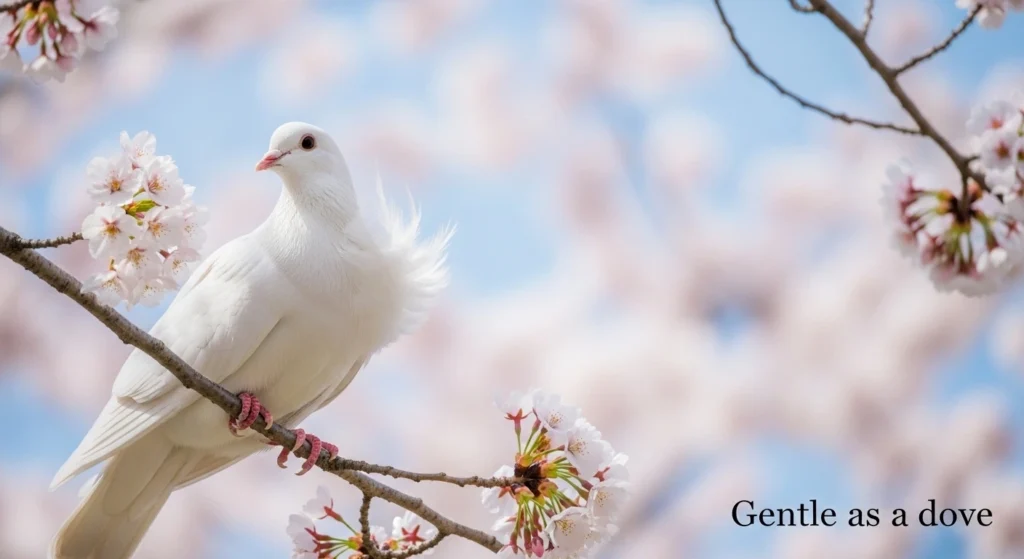
17. Gentle as a dove
Meaning
Symbolizes peace, kindness, and compassion.
Usage
Works well for empathetic, nurturing, or harmonious personalities.
Examples
- Her words were gentle as a dove, calming the argument.
- He treated the injured bird gentle as a dove.
18. Lonely as a cloud
Meaning
Expresses solitude or emotional isolation.
Usage
Ideal for reflective, sad, or introspective moments in stories or poems.
Examples
- He wandered lonely as a cloud through the empty streets.
- She felt lonely as a cloud in the crowded city.
19. Hungry as a wolf
Meaning
Represents intense desire or ambition.
Usage
Great for ambitious, driven, or passionate characters.
Examples
- He approached his goals hungry as a wolf.
- She was hungry as a wolf for knowledge and success.
20. Busy as a bee
Meaning
Indicates industriousness and constant activity.
Usage
Perfect for hardworking individuals or energetic characters.
Examples
- She worked busy as a bee, finishing tasks ahead of time.
- He buzzed busy as a bee around the office.
21. Sweet as honey
Meaning
Conveys kindness, warmth, and pleasantness.
Usage
Ideal for friendly, loving, or charming personalities.
Examples
- Her voice was sweet as honey, comforting the frightened child.
- He left a note sweet as honey, brightening her day.
22. Cold as ice
Meaning
Represents emotional detachment, harshness, or severity.
Usage
Works for villains, distant characters, or tense narratives.
Examples
- Her stare was cold as ice, leaving him uneasy.
- He remained cold as ice despite their pleading.
23. Gentle as rain
Meaning
Indicates a soft, soothing, and nurturing nature.
Usage
Great for caregivers, gentle leaders, or reflective writing.
Examples
- She spoke gentle as rain, easing the anxious crowd.
- His touch was gentle as rain, soothing the baby’s tears.
24. Flexible as bamboo
Meaning
Represents adaptability, resilience, and strength under pressure.
Usage
Ideal for characters who adjust to challenges without breaking.
Examples
- He remained flexible as bamboo in the shifting circumstances.
- Her plans were flexible as bamboo, changing as needed.
25. Quiet as snow
Meaning
Conveys peacefulness, calm, or stillness.
Usage
Works for serene, introspective, or reflective moments.
Examples
- The night was quiet as snow, wrapping the town in calm.
- She moved quiet as snow across the library floor.
26. Brave as a storm
Meaning
Represents courage in the face of chaos or danger.
Usage
Great for dramatic storytelling or action-driven writing.
Examples
- He charged brave as a storm into the battlefield.
- She faced the challenge brave as a storm, unshaken.
27. Fierce as a tiger
Meaning
Indicates strength, aggression, or passion.
Usage
Ideal for bold, dynamic, or dominant characters.
Examples
- Her performance was fierce as a tiger, commanding attention.
- He defended his family fierce as a tiger.
28. Bright as a star
Meaning
Represents inspiration, hope, or brilliance.
Usage
Perfect for optimistic, intelligent, or creative individuals.
Examples
- She shone bright as a star on the stage.
- His ideas were bright as a star, lighting the team’s path.
29. Gentle as silk
Meaning
Indicates softness, care, and refinement.
Usage
Works for delicate, elegant, or tender characters.
Examples
- Her touch was gentle as silk, comforting the baby.
- He spoke gentle as silk, winning hearts effortlessly.
30. Stubborn as a mule
Meaning
Represents obstinacy or unwillingness to change.
Usage
Great for humorous or challenging character traits.
Examples
- She argued stubborn as a mule, refusing to back down.
- He remained stubborn as a mule despite good advice.
31. Patient as a monk
Meaning
Shows calm, spiritual, and enduring patience.
Usage
Ideal for mentors, caregivers, or reflective writing.
Examples
- He answered questions patient as a monk.
- She waited patient as a monk for the right moment.
32. Quiet as a mouse
Meaning
Conveys shyness, secrecy, or subtlety.
Usage
Works for introverted or sneaky characters.
Examples
- He crept quiet as a mouse into the empty kitchen.
- She spoke quiet as a mouse, barely audible.
33. Strong as steel
Meaning
Represents durability, resilience, and strength.
Usage
Ideal for heroes, determined characters, or moral fortitude.
Examples
- She faced the hardship strong as steel.
- His resolve was strong as steel, unyielding in adversity.
34. Light as a feather
Meaning
Indicates agility, grace, or ease.
Usage
Perfect for dancers, children, or poetic descriptions.
Examples
- She floated across the stage light as a feather.
- His steps were light as a feather on the wooden floor.
35. Bright as spring
Meaning
Represents cheerfulness, renewal, and energy.
Usage
Ideal for optimistic, lively, or inspiring characters.
Examples
- Her laughter was bright as spring, filling the air with joy.
- He approached every day bright as spring, full of hope.
How to Use Similes Effectively in Writing
- Choose relatable comparisons – Pick objects, animals, or natural phenomena your audience easily understands.
- Match tone and context – A simile for a happy scene differs from one for tension or sadness.
- Be specific – Avoid vague similes; the more precise, the stronger the imagery.
- Vary your similes – Repeating the same comparisons can feel stale. Mix nature, animals, emotions, and objects.
- Enhance storytelling – Use similes to show personality traits, mood, or reactions instead of simply stating them.
- Integrate naturally – Similes should flow within sentences rather than feel forced or mechanical.
FAQs
Q1: What is the difference between a simile and a metaphor? A simile uses “like” or “as” to make a direct comparison, while a metaphor states the comparison as fact. Example: Simile: He is brave as a lion. Metaphor: He is a lion.
Q2: Can similes be used in academic writing? Yes, but sparingly. Similes are most effective for engaging introductions, illustrations, or creative explanations.
Q3: How do I make my similes more original? Combine unexpected comparisons, draw inspiration from nature, emotions, or unique experiences. Avoid clichés.
Q4: Are similes only for poetry and stories? No. Similes enhance essays, speeches, songs, and descriptive writing by making ideas vivid and relatable.
Q5: Why are similes important in literature? Similes create imagery, convey emotions, and make characters and actions memorable. They add depth and resonance to language.
Conclusion
Similes for people breathe life into writing. They provide clarity, evoke emotion, and allow readers to visualize traits, moods, and personalities. By thoughtfully comparing humans to elements of nature, animals, or everyday objects, you can create vivid, memorable, and emotionally resonant descriptions. Whether in stories, essays, poems, or songs, the right simile strengthens your voice, connects with readers, and transforms ordinary language into something extraordinary. Mastering similes is mastering the art of making your words live.