Similes are one of the simplest yet most powerful tools in figurative language. They help us explain ideas, emotions, and relationships by comparing one thing to another using words like “as” or “like.” When we talk about things being alike, similes for similar make writing clearer and more engaging by turning abstract sameness into something readers can see and feel.
Nature-based comparisons, especially trees, are particularly effective because they reflect strength, growth, resilience, wisdom, and deep human emotion.
A tree can show how two people, ideas, or experiences are alike without sounding dull or repetitive. That’s why similes appear so often in literature, poetry, and everyday speech. In this guide, you’ll explore meaningful similes for similar, learn how they work, and see how to use them naturally in your own writing.
What Is a Simile?
A simile is a figure of speech that compares two different things using like or as to highlight a shared quality. Example: Their ideas were like two branches growing from the same tree.
Like Two Branches from the Same Tree
Meaning: Two things share the same origin or foundation.
Usage Insight: Works well when comparing people, ideas, or traditions with a common source.
Examples:
- Their values were like two branches from the same tree, shaped by the same upbringing.
- The projects felt like two branches from the same tree, developed from one original plan.
As Alike as Leaves on the Same Tree
Meaning: Extremely similar in appearance or nature.
Usage Insight: Ideal for visual or personality comparisons.
Examples:
- The twins were as alike as leaves on the same tree.
- Their writing styles were as alike as leaves on the same tree.
Like Reflections in the Same Mirror
Meaning: Nearly identical in behavior or thought.
Usage Insight: Effective for emotional or psychological similarities.
Examples:
- Their reactions were like reflections in the same mirror.
- The characters felt like reflections in the same mirror, despite living apart.
As Similar as Parallel Lines
Meaning: Alike but never exactly the same.
Usage Insight: Useful for subtle distinctions in essays or analysis.
Examples:
- Their careers were as similar as parallel lines.
- The theories were as similar as parallel lines, yet reached different conclusions.
Like Two Seeds from One Pod
Meaning: Sharing the same beginnings.
Usage Insight: Great for family or origin-based comparisons.
Examples:
- The siblings were like two seeds from one pod.
- Those ideas were like two seeds from one pod.
As Close as Rings in a Tree Trunk
Meaning: Deeply connected and alike over time.
Usage Insight: Strong for emotional bonds or shared history.
Examples:
- Their lives were as close as rings in a tree trunk.
- The stories felt as close as rings in a tree trunk.
Like Echoes of the Same Voice
Meaning: One strongly resembles another.
Usage Insight: Ideal for tone, style, or influence.
Examples:
- His advice sounded like echoes of the same voice.
- The poems were like echoes of the same voice.
As Similar as Two Drops of Rain
Meaning: Almost identical.
Usage Insight: Common and clear for everyday writing.
Examples:
- Their answers were as similar as two drops of rain.
- The dresses looked as similar as two drops of rain.
Like Pages from the Same Book
Meaning: Closely related or matching in theme.
Usage Insight: Works well in literary discussions.
Examples:
- Their experiences felt like pages from the same book.
- The chapters read like pages from the same book.
As Alike as Shadows at Noon
Meaning: Nearly indistinguishable.
Usage Insight: Adds poetic depth to descriptions.
Examples:
- Their opinions were as alike as shadows at noon.
- The designs were as alike as shadows at noon.
Like Twin Stars in the Same Sky
Meaning: Similar but still unique.
Usage Insight: Great for balanced comparisons.
Examples:
- The artists were like twin stars in the same sky.
- Their goals shone like twin stars in the same sky.
As Similar as Repeating Waves
Meaning: Consistently alike in pattern.
Usage Insight: Useful for habits or behaviors.
Examples:
- Their mistakes were as similar as repeating waves.
- The routines felt as similar as repeating waves.
Like Two Paths Running Side by Side
Meaning: Similar journeys or progress.
Usage Insight: Ideal for life stories or careers.
Examples:
- Their lives moved like two paths running side by side.
- The companies grew like two paths running side by side.
As Alike as Morning Dew on Grass
Meaning: Fresh and equally new.
Usage Insight: Gentle and poetic tone.
Examples:
- Their hopes were as alike as morning dew on grass.
- The ideas appeared as alike as morning dew on grass.
Like Siblings in Spirit
Meaning: Emotionally or mentally similar.
Usage Insight: Strong for relationships beyond family.
Examples:
- They were like siblings in spirit.
- The characters felt like siblings in spirit.
As Similar as Matching Footprints
Meaning: Following the same pattern.
Usage Insight: Useful for influence or imitation.
Examples:
- His work left footprints as similar as matching footprints.
- The essays showed as similar as matching footprints.
Like Notes in the Same Chord
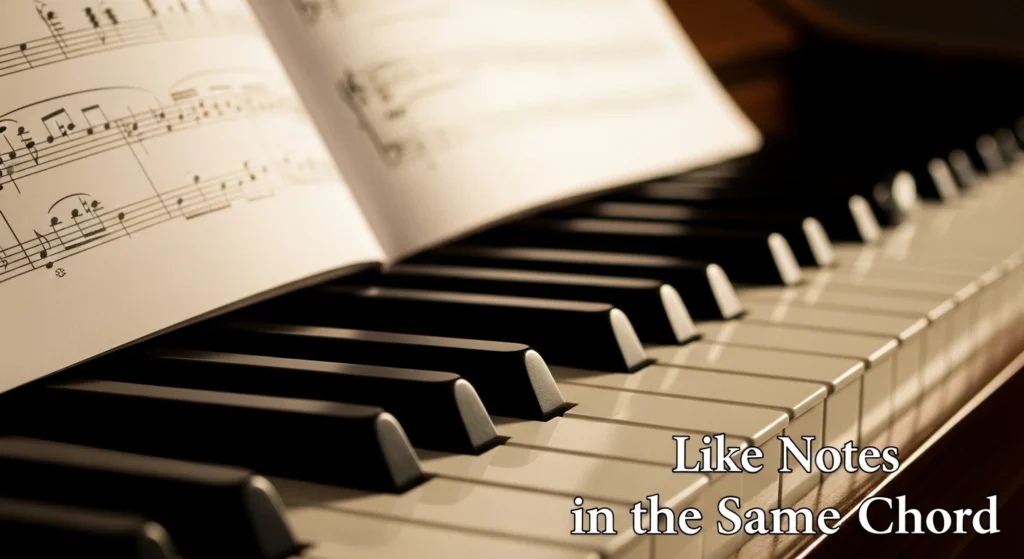
Meaning: Harmoniously similar.
Usage Insight: Excellent for creative or musical writing.
Examples:
- Their voices were like notes in the same chord.
- The themes blended like notes in the same chord.
As Alike as Two Clock Hands at Noon
Meaning: Perfectly aligned.
Usage Insight: Strong visual metaphor.
Examples:
- Their goals were as alike as two clock hands at noon.
- The plans aligned as alike as two clock hands at noon.
Like Reflections in Calm Water
Meaning: Clear and matching qualities.
Usage Insight: Works well for emotional clarity.
Examples:
- Their emotions were like reflections in calm water.
- The paintings looked like reflections in calm water.
As Similar as Birds of the Same Feather
Meaning: Sharing traits or interests.
Usage Insight: Familiar and conversational.
Examples:
- They were as similar as birds of the same feather.
- The friends acted as similar as birds of the same feather.
Like Two Flames from One Spark
Meaning: Same inspiration or cause.
Usage Insight: Powerful for motivation or ideas.
Examples:
- Their passion burned like two flames from one spark.
- The movements grew like two flames from one spark.
As Alike as Snowflakes in a Storm
Meaning: Similar within a shared moment.
Usage Insight: Poetic but expressive.
Examples:
- Their worries were as alike as snowflakes in a storm.
- The thoughts fell as alike as snowflakes in a storm.
Like Matching Threads in Fabric
Meaning: Closely woven similarities.
Usage Insight: Great for themes or structure.
Examples:
- Their stories felt like matching threads in fabric.
- The arguments worked like matching threads in fabric.
As Similar as Sunrises in Summer
Meaning: Predictably alike.
Usage Insight: Calm, reflective tone.
Examples:
- Their mornings were as similar as sunrises in summer.
- The scenes appeared as similar as sunrises in summer.
Like Two Keys for the Same Lock
Meaning: Serving the same purpose.
Usage Insight: Useful in analytical writing.
Examples:
- The solutions were like two keys for the same lock.
- Their skills worked like two keys for the same lock.
As Alike as Ripples from One Stone
Meaning: Same cause, same effect.
Usage Insight: Strong cause-and-effect imagery.
Examples:
- Their reactions were as alike as ripples from one stone.
- The changes spread as alike as ripples from one stone.
Like Pages Written in the Same Ink
Meaning: Sharing tone or style.
Usage Insight: Ideal for writing comparisons.
Examples:
- Their letters felt like pages written in the same ink.
- The essays read like pages written in the same ink.
As Similar as Two Roads to the Same Place
Meaning: Different paths, same outcome.
Usage Insight: Helpful in essays or debates.
Examples:
- Their methods were as similar as two roads to the same place.
- The arguments felt as similar as two roads to the same place.
Like Branches Leaning Toward the Same Light
Meaning: Drawn by the same goal.
Usage Insight: Inspiring and nature-based.
Examples:
- Their dreams grew like branches leaning toward the same light.
- The teams worked like branches leaning toward the same light.
As Alike as Reflections at Dawn
Meaning: Soft but noticeable similarity.
Usage Insight: Gentle, poetic comparisons.
Examples:
- Their moods were as alike as reflections at dawn.
- The scenes looked as alike as reflections at dawn.
Like Two Maps of the Same Land
Meaning: Same information, different form.
Usage Insight: Strong for academic writing.
Examples:
- The explanations were like two maps of the same land.
- The books felt like two maps of the same land.
As Similar as Echoing Footsteps
Meaning: Closely following one another.
Usage Insight: Adds motion and sound imagery.
Examples:
- Their actions were as similar as echoing footsteps.
- The chapters felt as similar as echoing footsteps.
Like Twins in Disguise
Meaning: Similar but not obvious at first.
Usage Insight: Useful for subtle comparisons.
Examples:
- The ideas were like twins in disguise.
- The themes appeared like twins in disguise.
How to Use Similes Effectively in Writing
To use similes well, always focus on clarity and relevance. Choose comparisons your readers can easily visualize, especially from nature or everyday life. In poems and songs, lean toward emotional and sensory similes that create mood. In stories, use similes to reveal character or deepen imagery without slowing the pace. For essays or academic writing, keep similes precise and purposeful, using them to explain complex ideas simply. Avoid overusing similes in one paragraph, and make sure each comparison adds meaning rather than decoration.
FAQs
What are similes for similar used for? They help explain how two things are alike in a clear, vivid, and engaging way.
What is the difference between a simile and a metaphor? A simile uses like or as, while a metaphor directly states one thing is another.
Can similes be used in academic writing? Yes, when used carefully, similes can clarify complex ideas and improve understanding.
Why are nature similes so effective? Because nature is familiar and symbolic, making comparisons easy to imagine and emotionally resonant.
Are similes common in literature? Very common—writers use them to create imagery, rhythm, and emotional depth.
Conclusion
Similes for similar turn plain comparisons into vivid images that readers can instantly understand and remember. By drawing on nature, literature, and everyday experiences, these similes add clarity, emotion, and depth to language. Whether you’re writing a poem, a story, an essay, or a song, thoughtful comparisons help your ideas feel alive and connected. With the right simile, similarity stops being boring and becomes powerful, expressive, and meaningful. Use them wisely, and your writing will grow stronger, clearer, and more engaging—just like branches reaching toward the same light.