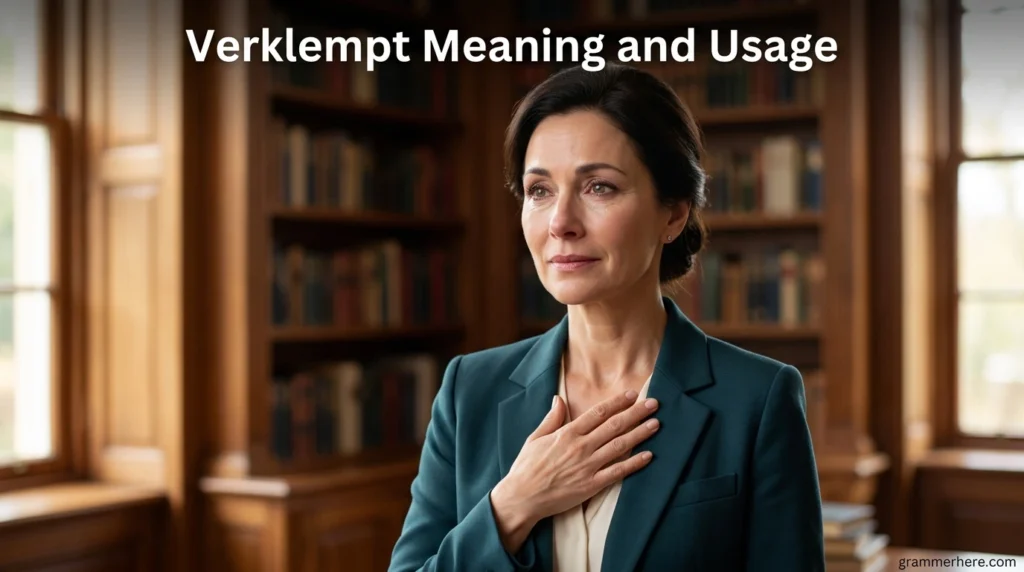
Imagine sitting at a family dinner where stories are flowing easily across the table. Someone recalls an old memory about a grandparent who used to sing during holidays, and suddenly the room grows quiet. A smile appears, but so do watery eyes. Words become difficult to find. Emotions rise all at once—joy, nostalgia, sadness, gratitude. Someone finally laughs softly and says, “I’m getting verklempt.”
Even if you have never used the word yourself, you have probably experienced the feeling behind it.
The word verklempt carries a special emotional texture that ordinary words often fail to capture. It describes a moment when emotion becomes so strong that speaking feels difficult. While it is commonly linked with heartfelt or sentimental situations, the word has developed a broader and more colorful place in modern English conversation. People use it humorously, dramatically, sincerely, and sometimes even sarcastically.
Understanding verklempt meaning and usage is more than learning vocabulary. It reveals how language helps people express emotions that sit somewhere between laughter and tears. In everyday life, this single word can capture human vulnerability, emotional overwhelm, and the deeply relatable moments when feelings temporarily take over our ability to speak clearly.
What Does Verklempt Mean?
At its core, verklempt means becoming overcome with emotion to the point that speaking becomes difficult. The emotion is usually intense and heartfelt rather than angry or aggressive. A person who feels verklempt may pause mid-sentence, struggle to continue talking, or feel emotionally choked up.
The word is often associated with sentimental moments. For example, a parent watching a child graduate may feel verklempt during the ceremony. A reunion after many years apart can also create that emotional tightness in the chest and throat that the word describes so perfectly.
Unlike simple sadness, verklempt usually blends multiple emotions together. There may be happiness mixed with nostalgia, pride mixed with grief, or gratitude mixed with disbelief. That emotional complexity is what makes the word unique.
In casual conversation, people sometimes use it lightly or humorously. Someone might jokingly say they are verklempt after receiving an unexpected compliment or seeing an adorable puppy video online. Even in playful use, the word still carries the idea of being emotionally overwhelmed.
The charm of the word lies in its specificity. English has many emotional terms, but few capture the exact moment when feelings interrupt speech. Verklempt fills that emotional gap beautifully.
The Origins of the Word Verklempt
The word verklempt comes from Yiddish, a language historically spoken by Ashkenazi Jewish communities. Yiddish itself combines elements of German, Hebrew, and several Slavic languages, creating a rich vocabulary filled with expressive emotional nuance.
Originally, the word suggested being emotionally squeezed or emotionally constricted. Over time, English speakers adopted it, especially in areas where Jewish culture strongly influenced local language and humor.
Its rise in mainstream American English happened gradually through comedy, television, and conversational storytelling. Many people first heard the term in humorous sketches where characters dramatically announced they were “too verklempt to continue.”
Yet despite its comedic popularity, the emotional truth behind the word remained intact. It still described a genuine human experience that many people recognized immediately.
Language often borrows words when existing vocabulary feels incomplete. That is exactly what happened here. English speakers found that verklempt communicated something emotionally precise in a way ordinary terms could not.
Today, the word appears in casual speech, articles, social media captions, and emotional storytelling. Although its cultural roots remain important, the term has become widely understood beyond its original community.
Its journey from Yiddish into everyday English shows how emotional language travels across cultures because feelings themselves are universal.
Why People Love Using the Word
Some words survive because they sound practical. Others survive because they feel emotionally satisfying to say. Verklempt belongs firmly in the second category.
The word carries personality. It sounds dramatic, expressive, and slightly theatrical, which makes it memorable in conversation. When someone says they feel verklempt, listeners instantly picture a person overwhelmed with emotion.
Another reason people enjoy using it is because it softens vulnerability. Admitting deep emotion can sometimes feel uncomfortable. Saying “I’m verklempt” introduces a touch of humor or charm that makes emotional honesty easier.
For example, imagine a grandfather giving a speech at a wedding. Halfway through, he pauses and smiles through tears before saying, “Okay, now I’m getting verklempt.” The room often responds warmly because the word feels human and relatable rather than overly formal.
The term also allows people to acknowledge emotion without fully explaining it. Sometimes emotions are too layered or complicated for detailed descriptions. Verklempt acts as shorthand for emotional overload.
In modern communication, where quick emotional expression matters, words like this become especially useful. A single word can carry an entire emotional atmosphere.
People also enjoy the word because it feels vivid and expressive without sounding clinical. Instead of analyzing feelings, it captures them emotionally and socially at the same time.
Emotional Situations That Make People Verklempt
Certain life moments almost naturally invite the feeling of being verklempt. These situations usually involve emotional significance, personal connection, or sudden emotional realization.
Family Milestones
Family events often trigger powerful emotions. Weddings, graduations, births, anniversaries, and reunions can leave people temporarily speechless.
A mother hearing her child deliver a heartfelt thank-you speech may suddenly struggle to hold back tears. The pride, love, and passage of time combine into one overwhelming moment.
Unexpected Kindness
People also become verklempt during moments of unexpected compassion. A sincere apology, a surprise gift, or support during hardship can create emotional intensity.
Sometimes the strongest emotions appear when someone feels deeply understood after a difficult period.
Nostalgic Memories
Old photographs, familiar songs, or revisiting childhood places often awaken layered emotions. Nostalgia can create a bittersweet feeling where happiness and sadness exist together.
A person returning to their childhood home after many years may feel overwhelmed by memories they thought were forgotten.
Public Recognition
Awards, tributes, or heartfelt praise can also trigger emotional overwhelm. Many people become verklempt when receiving appreciation because they suddenly feel seen and valued.
These moments remind us that emotions often appear most strongly when human connection feels meaningful and sincere.
Verklempt vs Similar Emotional Words
Many emotional words seem close to verklempt, but subtle differences separate them.
Verklempt vs Emotional
Being emotional is broad. It simply means feelings are active or intense. A person can be emotional because they are angry, excited, sad, or nervous.
Verklempt is more specific. It focuses on heartfelt emotional overwhelm that interrupts speech or composure.
Verklempt vs Choked Up
“Choked up” is probably the closest English equivalent. Both describe struggling to speak because of emotion.
However, verklempt often carries a stronger sense of emotional complexity and dramatic warmth. It feels slightly richer and more expressive.
Verklempt vs Sentimental
Sentimental describes emotional attachment, often related to memories or affection. A sentimental person values emotional meaning.
But someone becomes verklempt in a specific emotional moment. Sentimentality is a tendency, while being verklempt is a temporary emotional state.
Verklempt vs Overwhelmed
Overwhelmed can describe stress, workload, fear, or emotional intensity. It is much broader.
Verklempt usually involves tenderness, heartfelt emotion, or emotional vulnerability rather than pressure or anxiety.
Understanding these distinctions helps people use the word naturally and accurately in conversation.
How Verklempt Is Used in Everyday Conversation
Although the word sounds dramatic, it appears surprisingly often in casual speech.
Friends may use it jokingly after emotional movie scenes. Social media users often write captions like, “This reunion video made me completely verklempt.” In families, older generations sometimes use the term during emotional celebrations or storytelling moments.
The word works especially well in conversational English because it feels expressive without sounding overly serious.
Here are some natural examples:
- “I got verklempt watching my daughter walk across the stage.”
- “That speech left everyone verklempt.”
- “I know it sounds silly, but that old song makes me verklempt every time.”
- “He became so verklempt he had to stop talking for a minute.”
The tone can vary depending on context. Sometimes it is deeply sincere. Other times it carries playful exaggeration.
In workplaces, people may use it lightly to avoid appearing too emotional. For example, someone receiving a retirement tribute might laugh and say, “Now don’t get me verklempt before my speech.”
This flexibility makes the word socially useful. It acknowledges emotion while keeping conversation comfortable and relatable.
The Role of Humor in the Word Verklempt
One fascinating aspect of verklempt is how often humor accompanies it.
Emotional vulnerability can feel uncomfortable, especially in public settings. Humor acts as a bridge that allows people to express emotion safely. The word itself carries a slightly theatrical quality that softens emotional tension.
Someone crying during a heartfelt toast might joke about feeling verklempt to ease the room’s emotional intensity. The humor does not erase the emotion—it simply makes it easier to share.
Comedy shows and popular culture helped strengthen this playful side of the word. Exaggerated emotional scenes often used verklempt as part of comedic timing.
Still, humor and sincerity are not opposites here. In fact, they often work together. Many deeply emotional moments include nervous laughter, smiling through tears, or playful comments made to avoid becoming completely overwhelmed.
That balance reflects real human behavior. People rarely experience emotions in pure categories. Happiness may include sadness. Gratitude may include disbelief. Humor may exist alongside tears.
The word verklempt captures this emotional mixture naturally. It allows people to acknowledge intense feelings without becoming overly formal or dramatic.
That emotional flexibility is one reason the word remains popular decades after entering mainstream English.
Cultural Significance of Verklempt
Language reflects culture, and verklempt carries cultural depth beyond its dictionary definition.
Yiddish has long been known for emotionally expressive vocabulary. Many Yiddish words entered English because they captured emotional or social experiences with unusual precision.
Words like chutzpah, schlep, and kvetch became widely popular for similar reasons. They added emotional texture to English conversation.
Verklempt stands out because it highlights emotional openness. In some cultures, public displays of feeling are discouraged. Yet this word normalizes emotional overwhelm as something human rather than embarrassing.
Its popularity also reflects society’s growing comfort with emotional honesty. Modern conversations increasingly value vulnerability, empathy, and authenticity. A word like verklempt fits naturally into that emotional landscape.
The term also demonstrates how immigrant languages shape mainstream culture over time. A word that once belonged primarily to one community gradually became part of broader English expression.
Even people unfamiliar with Yiddish culture often understand the emotional tone immediately when hearing the word used.
That emotional universality explains why the term continues to resonate across generations and backgrounds.
Common Misunderstandings About the Word
Despite its popularity, verklempt is sometimes misunderstood or misused.
One common mistake is assuming it simply means crying. While tears often accompany the feeling, the word specifically describes emotional overwhelm that affects speech or composure.
Another misunderstanding is using it only for sadness. In reality, people become verklempt during joyful moments just as often as sorrowful ones.
Some also treat the word as purely comedic. Although it can be humorous, its emotional core is genuine. Using it sarcastically all the time strips away the emotional richness that gives the word meaning.
Pronunciation can also confuse people. The word is commonly pronounced “ver-KLEMPT,” with emphasis on the second syllable.
Another misconception is that the word sounds outdated. While it has older roots, it remains active in modern conversation, especially in storytelling, media, and emotionally expressive speech.
Finally, some people hesitate to use the word because they think it belongs only within Jewish communities. While respecting its origins matters, the term has become widely accepted in mainstream English usage.
Understanding these nuances helps people use the word more naturally and confidently.
Real-Life Moments Where Verklempt Fits Perfectly
Sometimes the best way to understand a word is through lived experiences.
Imagine a father cleaning out his daughter’s old bedroom before she leaves for college. He finds childhood drawings tucked inside a drawer. Suddenly, memories flood back—birthday parties, bedtime stories, scraped knees, laughter echoing through the hallway. When his spouse asks if he is okay, he quietly says, “I’m a little verklempt.”
Or picture a nurse at a hospital watching a recovered patient walk out after months of treatment. The medical staff applauds softly. The nurse smiles, but tears form unexpectedly.
These are not dramatic movie scenes. They are ordinary human moments filled with emotional meaning.
The word also appears in lighter experiences. A longtime sports fan watching their team finally win a championship may feel verklempt hearing the crowd roar after decades of waiting.
Even small gestures can create the feeling. A handwritten letter, an old voicemail, or a child saying “I love you” unexpectedly may suddenly overwhelm someone emotionally.
Life constantly creates moments too emotionally layered for simple vocabulary. That is where verklempt becomes useful and deeply relatable.
Why Emotional Language Matters
Words shape emotional understanding. Without emotional vocabulary, people struggle to explain what they feel.
A word like verklempt gives emotional experiences structure and recognition. It tells people, “This feeling exists. Others experience it too.”
That matters more than many realize.
People often feel isolated when emotions become intense or complicated. Naming a feeling can reduce confusion and create connection. Emotional language helps individuals communicate experiences that might otherwise remain trapped inside.
For example, someone who says “I got verklempt during the ceremony” immediately communicates emotional depth without needing a long explanation.
Emotional vocabulary also strengthens empathy. When people recognize nuanced emotions, they become better listeners and more emotionally aware.
In modern life, where communication often becomes rushed or superficial, emotionally precise words help restore human connection.
Language is not only about information. It is also about emotional understanding. Some words explain facts. Others explain humanity.
Verklempt belongs to the second category.
Using Verklempt in Writing and Storytelling
Writers love emotionally vivid words because they create atmosphere quickly. Verklempt works especially well in dialogue and personal storytelling.
A character saying “I’m verklempt” instantly reveals emotional vulnerability. Readers understand the emotional tone without needing lengthy explanation.
Memoirs, blogs, speeches, and conversational articles often use the word to create intimacy and authenticity.
In Personal Essays
A writer describing a meaningful life event may use the word to communicate emotional overwhelm naturally.
For example: “By the time my grandfather finished speaking, I was completely verklempt.”
The sentence feels personal and emotionally immediate.
In Humor Writing
Comedic storytelling also benefits from the word’s theatrical energy.
Someone might jokingly describe becoming verklempt after receiving free dessert at a restaurant. The exaggeration creates humor while still referencing genuine emotion.
In Dialogue
The word sounds natural in spoken exchanges, which makes dialogue feel realistic and emotionally textured.
Because the word blends sincerity and warmth so effectively, it remains a favorite among emotionally expressive storytellers.
Practical Lessons We Can Learn From the Feeling of Being Verklempt
The experience behind verklempt teaches important lessons about emotional life.
First, it reminds people that vulnerability is normal. Emotional overwhelm is not weakness. Often, it appears during moments that matter deeply.
Second, the feeling reveals what people truly value. People rarely become verklempt over meaningless things. The emotion usually points toward love, memory, connection, gratitude, or personal meaning.
Third, it teaches emotional presence. Moments that leave people speechless are often the same moments they remember for years afterward.
Modern life encourages emotional control and constant productivity, but being verklempt interrupts that rhythm. It forces people to pause and feel fully.
There is also an important social lesson. When people openly acknowledge emotion, others often feel safer doing the same. Emotional honesty can strengthen relationships and deepen conversations.
Finally, the feeling reminds us that language matters. Having words for emotional experiences helps people process them more clearly.
A simple word can transform a confusing emotional moment into something understandable, shared, and meaningful.
FAQs
What does verklempt mean exactly?
Verklempt means becoming emotionally overwhelmed, often to the point where speaking becomes difficult.
Is verklempt a real English word?
Yes. Although it comes from Yiddish, it is widely recognized and used in modern English conversation.
Is verklempt always related to sadness?
No. People can feel verklempt because of happiness, nostalgia, gratitude, pride, or mixed emotions.
How do you pronounce verklempt?
It is commonly pronounced “ver-KLEMPT,” with emphasis on the second syllable.
Can verklempt be used humorously?
Yes. Many people use it playfully or dramatically while still acknowledging genuine emotion.
What is the difference between verklempt and choked up?
Both involve emotional speechlessness, but verklempt often carries more emotional warmth and complexity.
Is the word considered formal or informal?
The word is generally informal and conversational, though it can appear in writing and storytelling.
Why is verklempt such a popular word?
People enjoy the word because it captures a very specific emotional experience in a vivid, expressive, and relatable way.
Conclusion
The beauty of verklempt meaning and usage lies in its emotional precision. Few words capture the moment when feelings rise so strongly that language itself briefly fails. Whether it appears during weddings, reunions, heartfelt speeches, nostalgic memories, or unexpected acts of kindness, the word describes a deeply human experience that crosses cultures and generations.